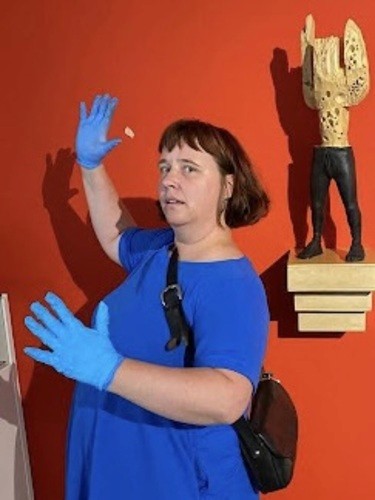
Prof. Alison Kearney
Game Exchange!
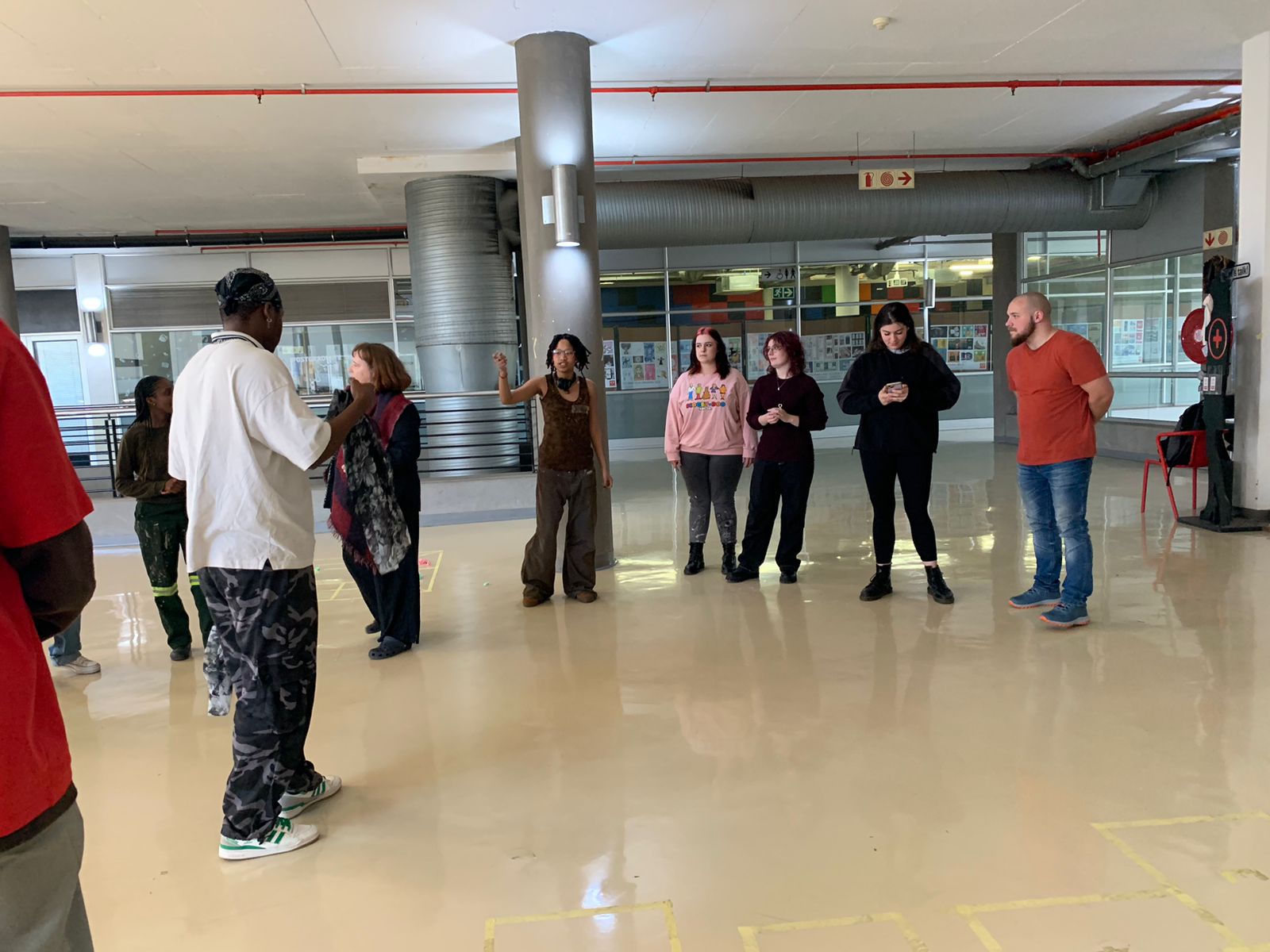
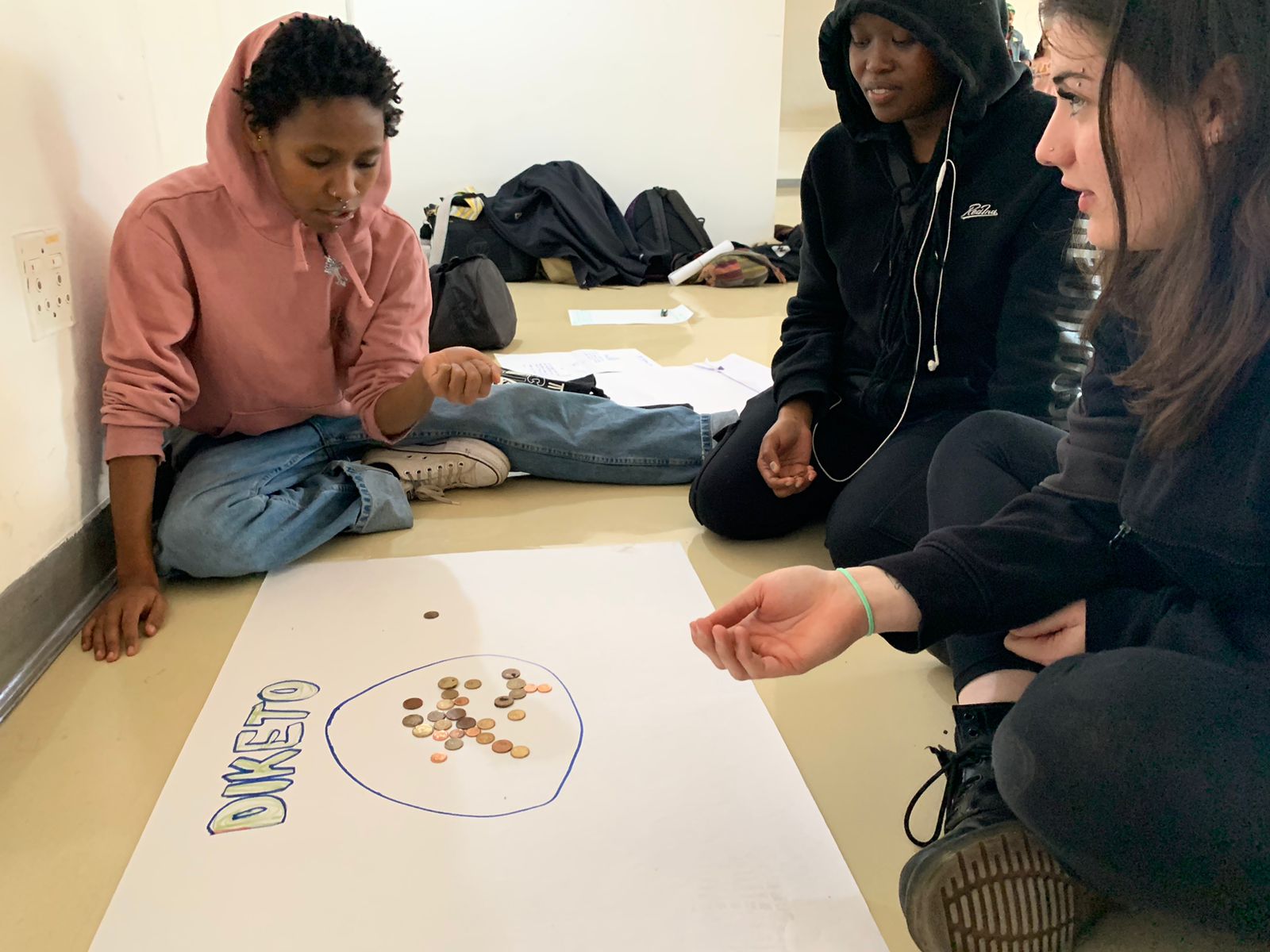
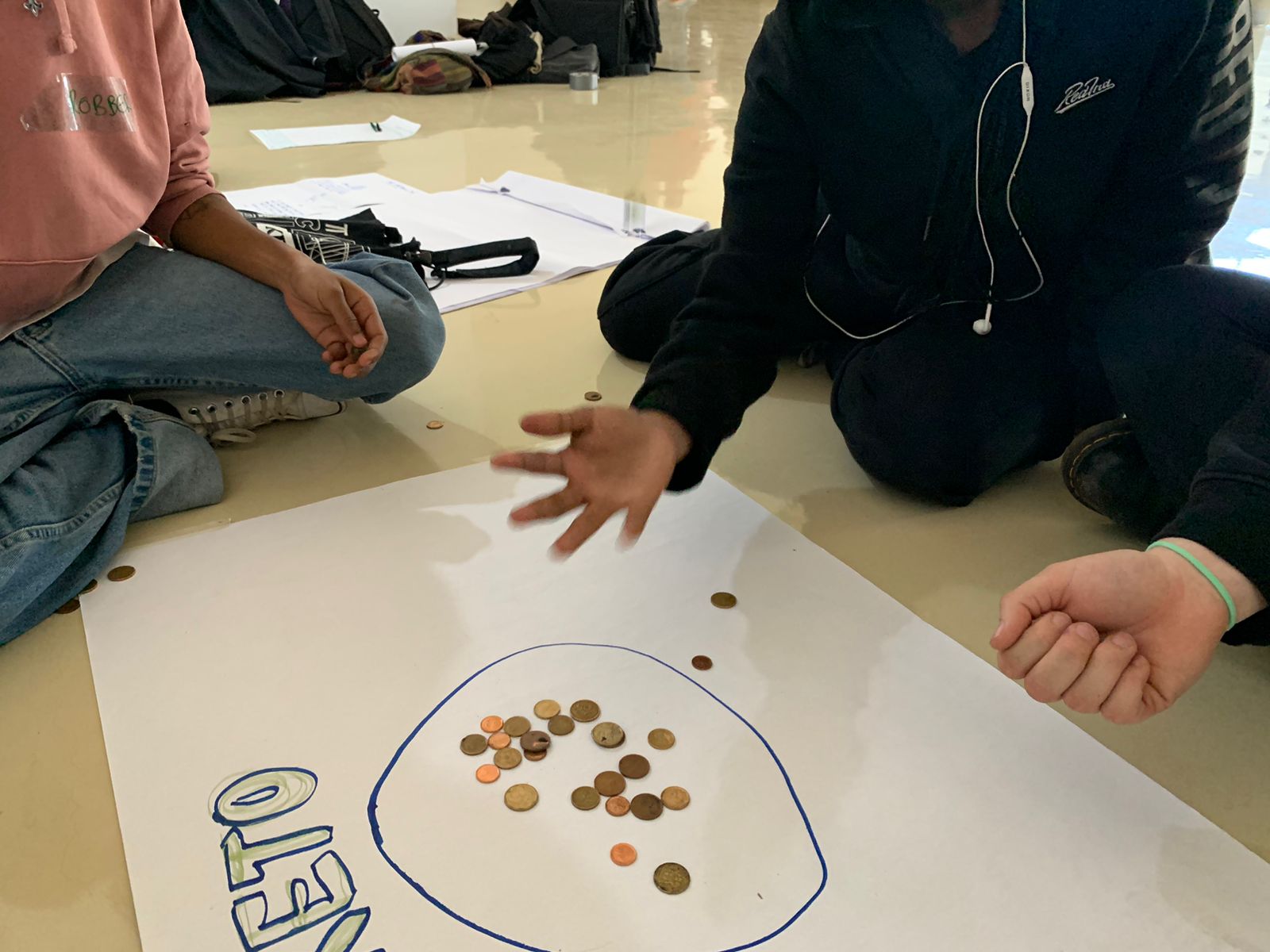
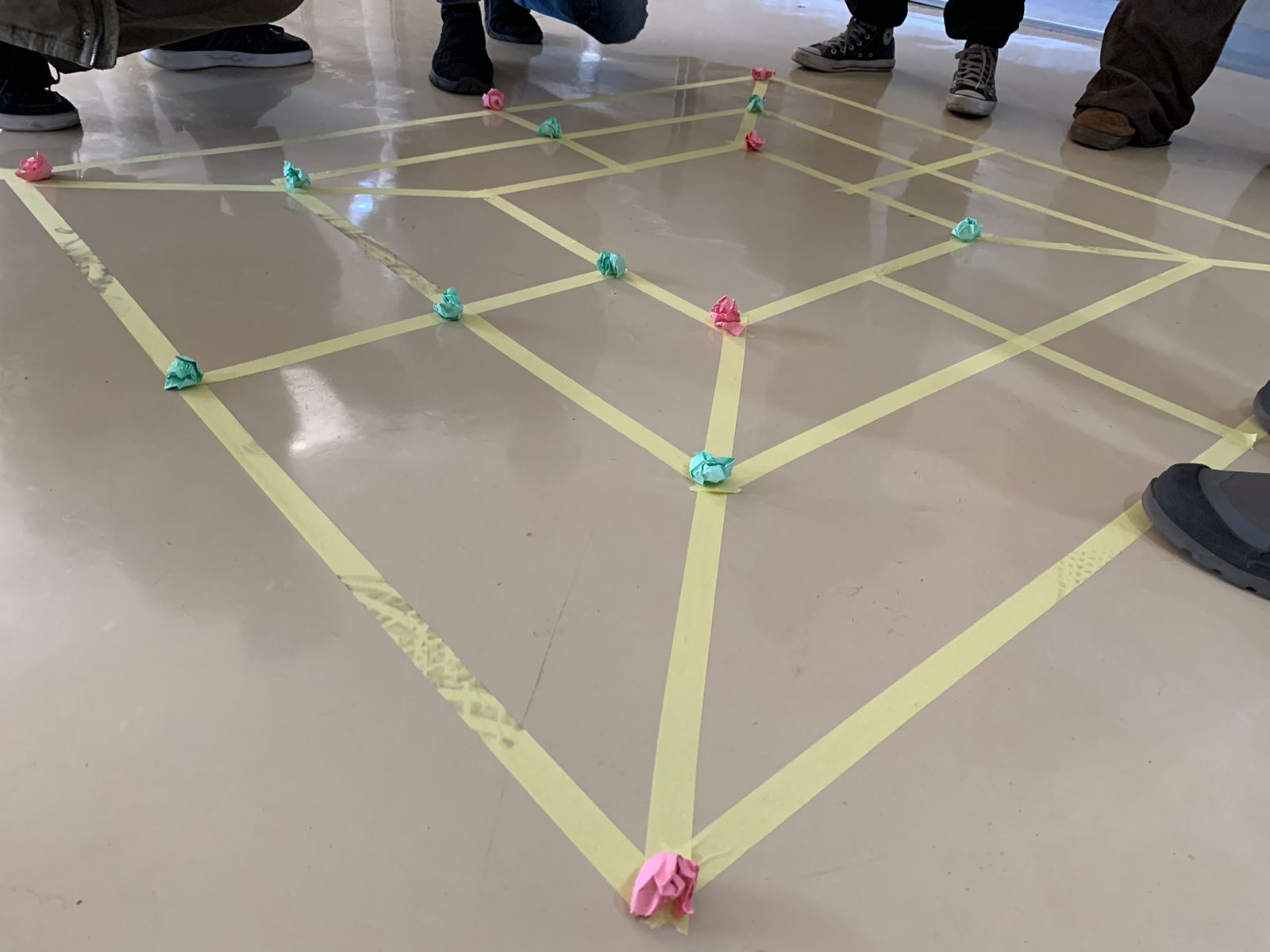
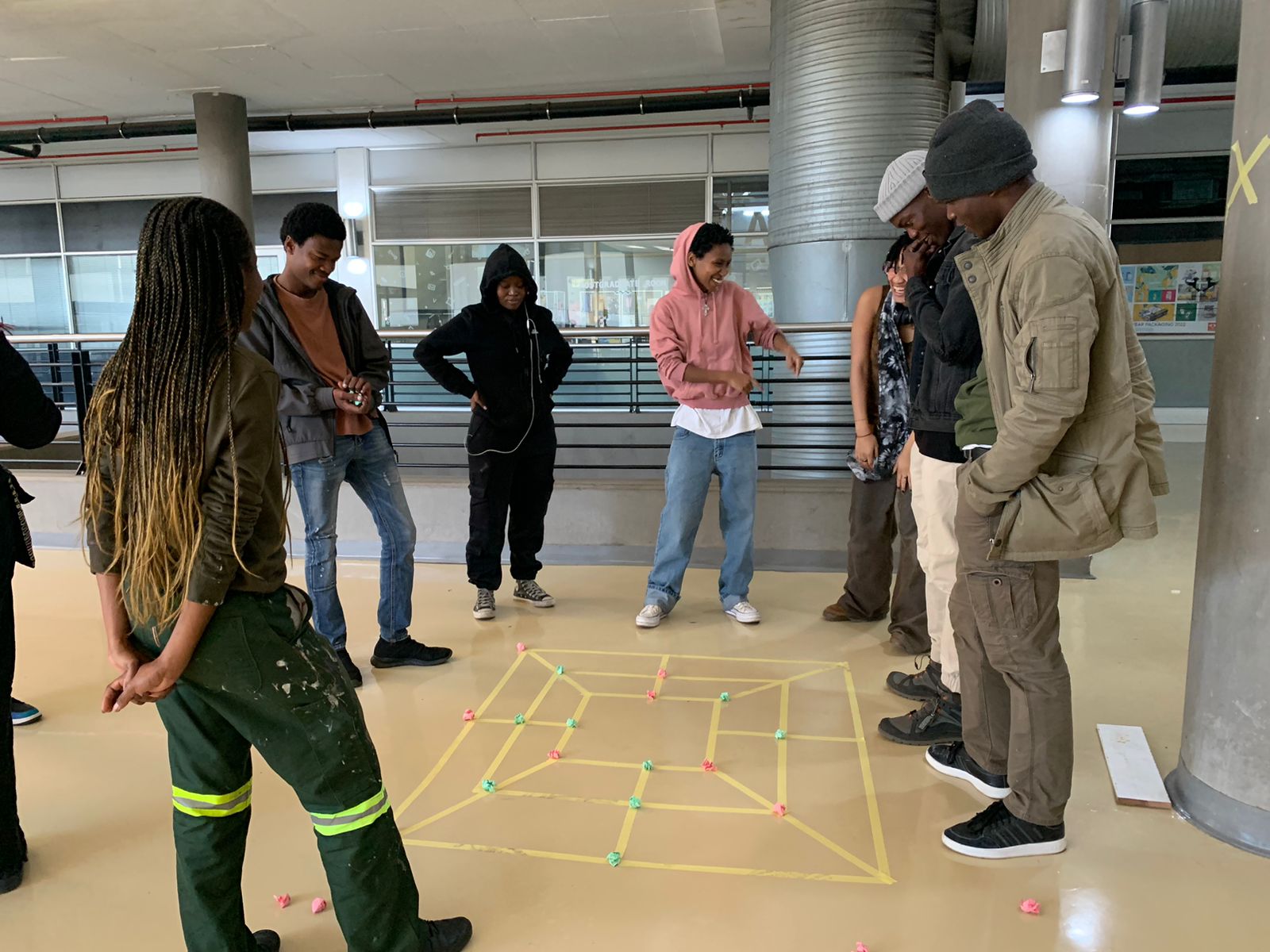
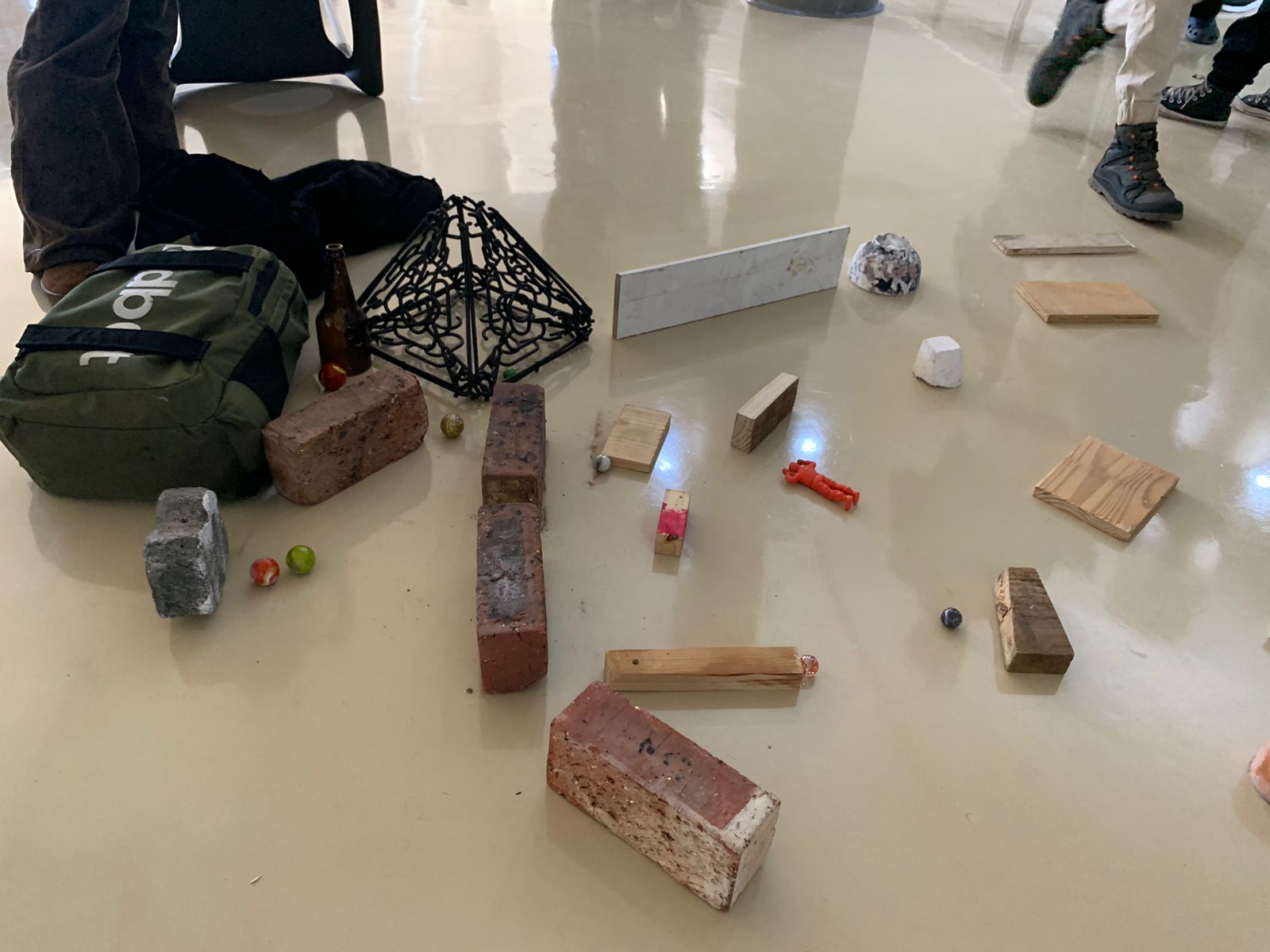
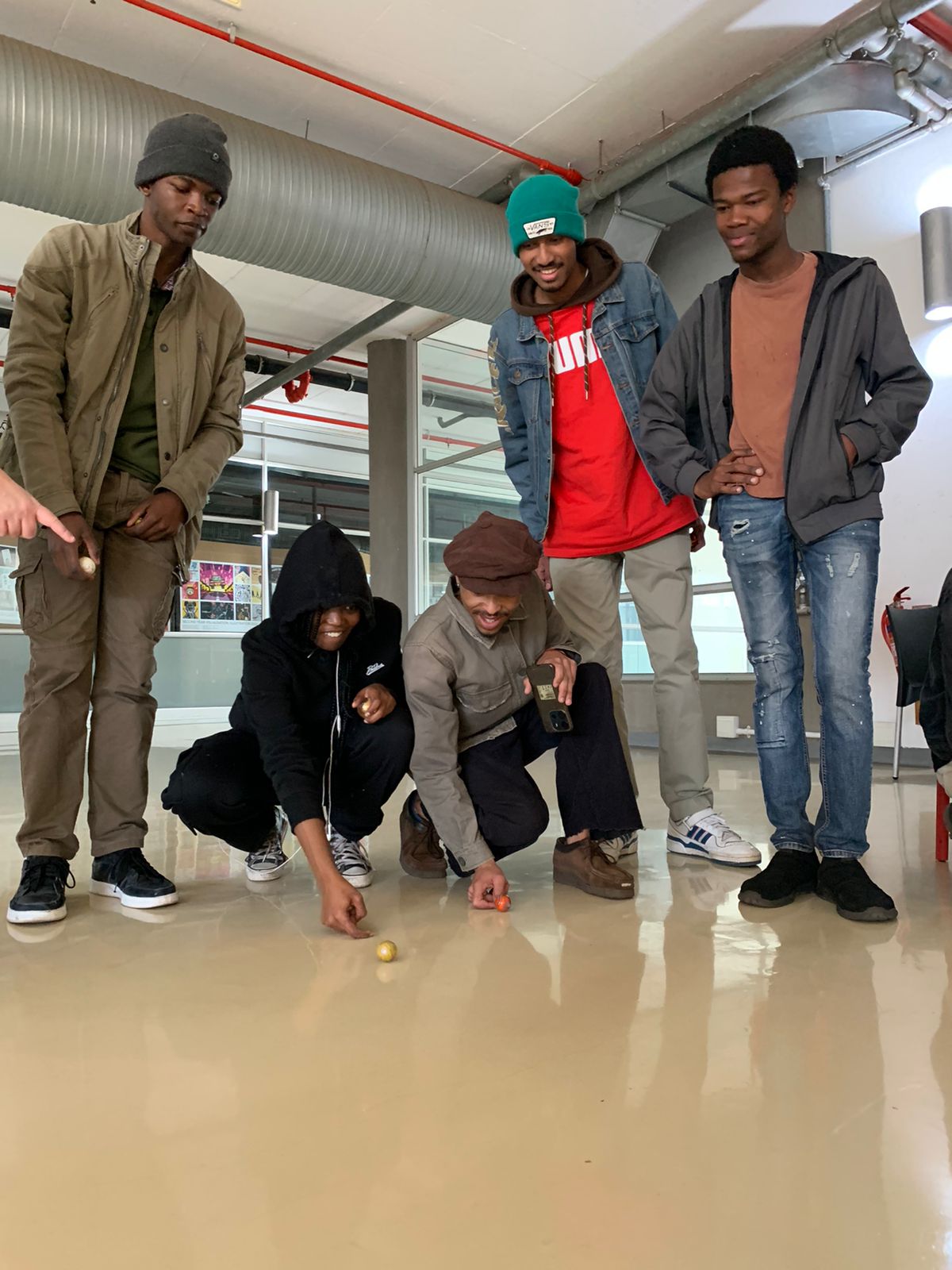
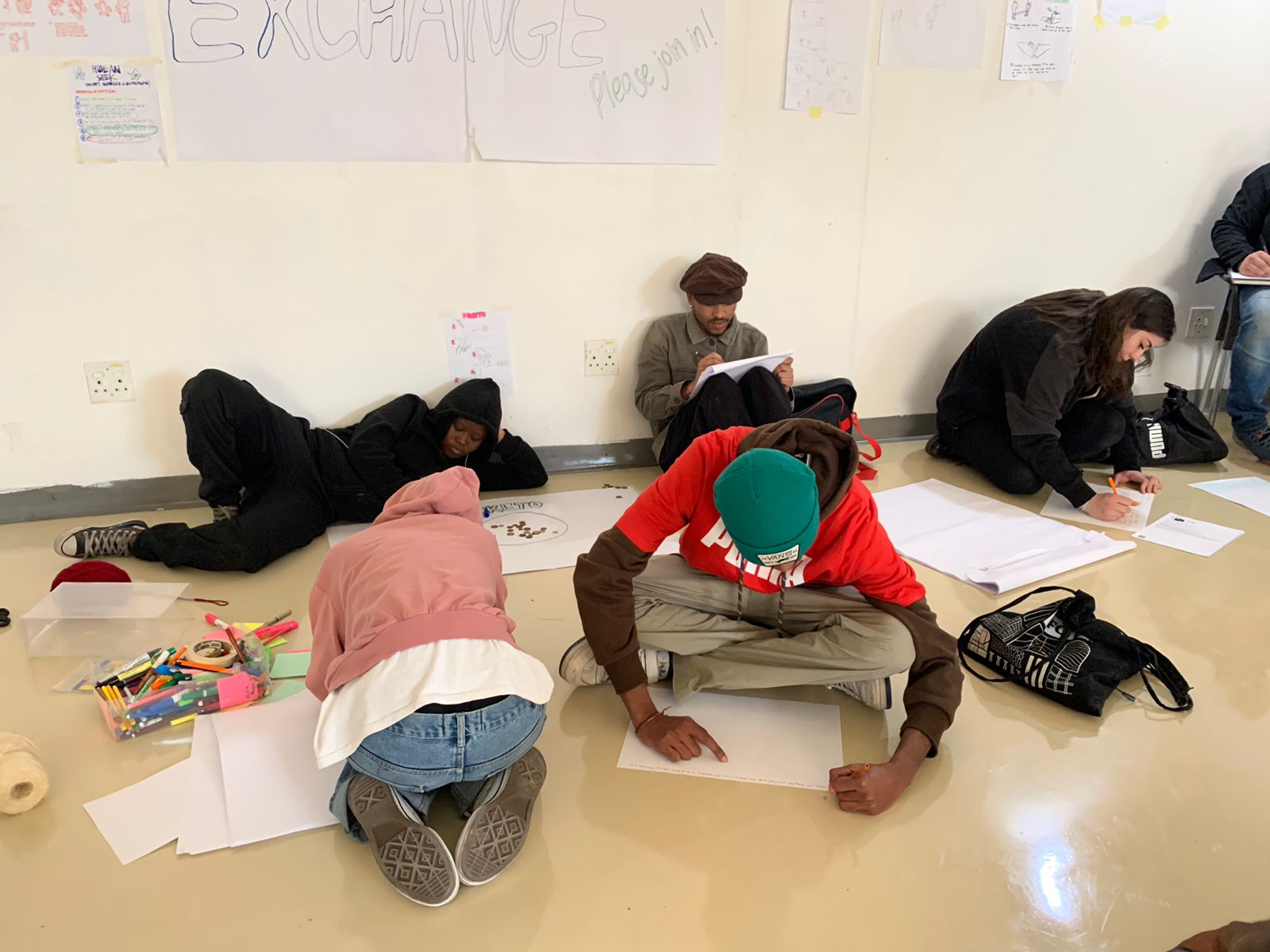
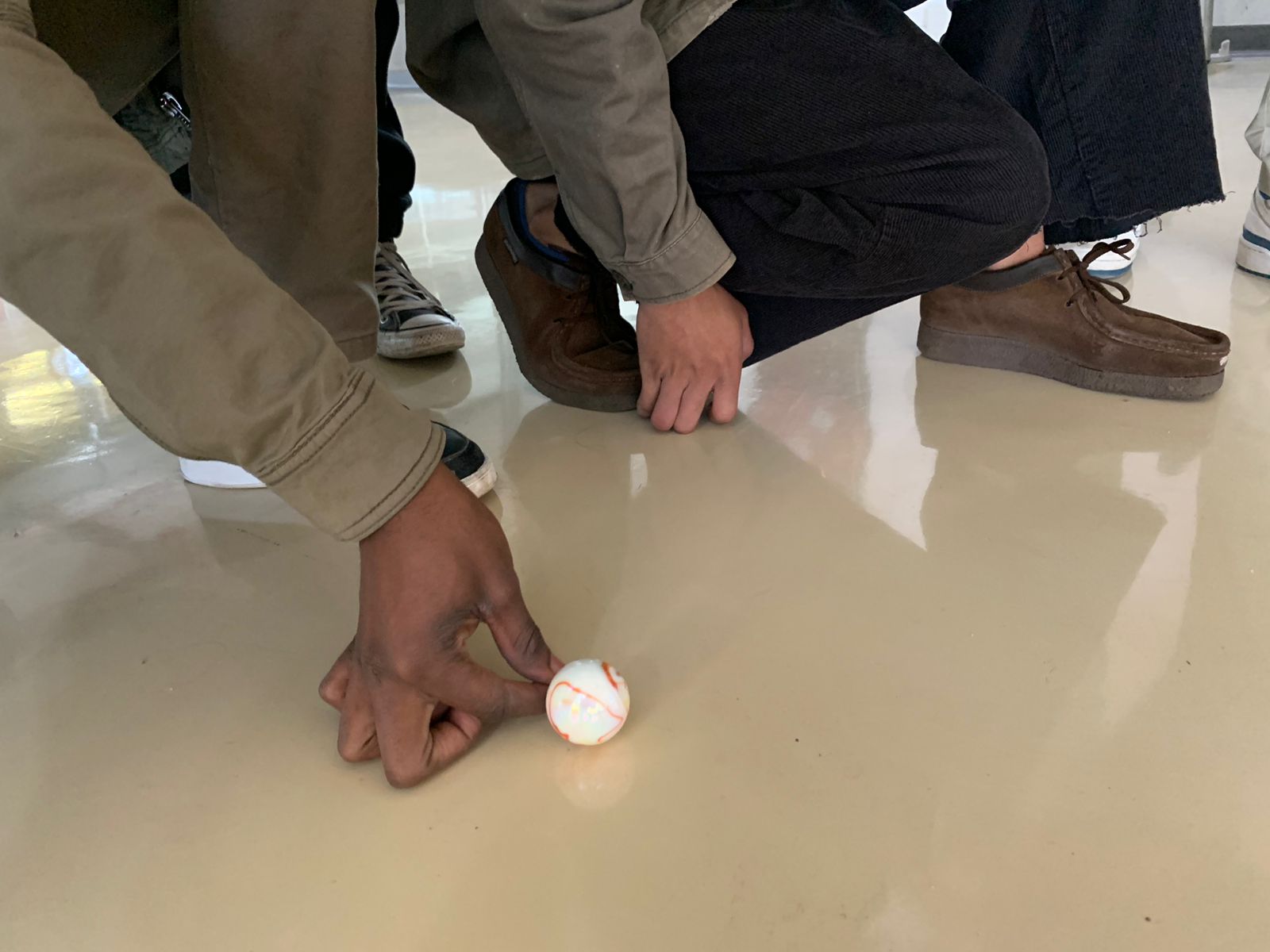
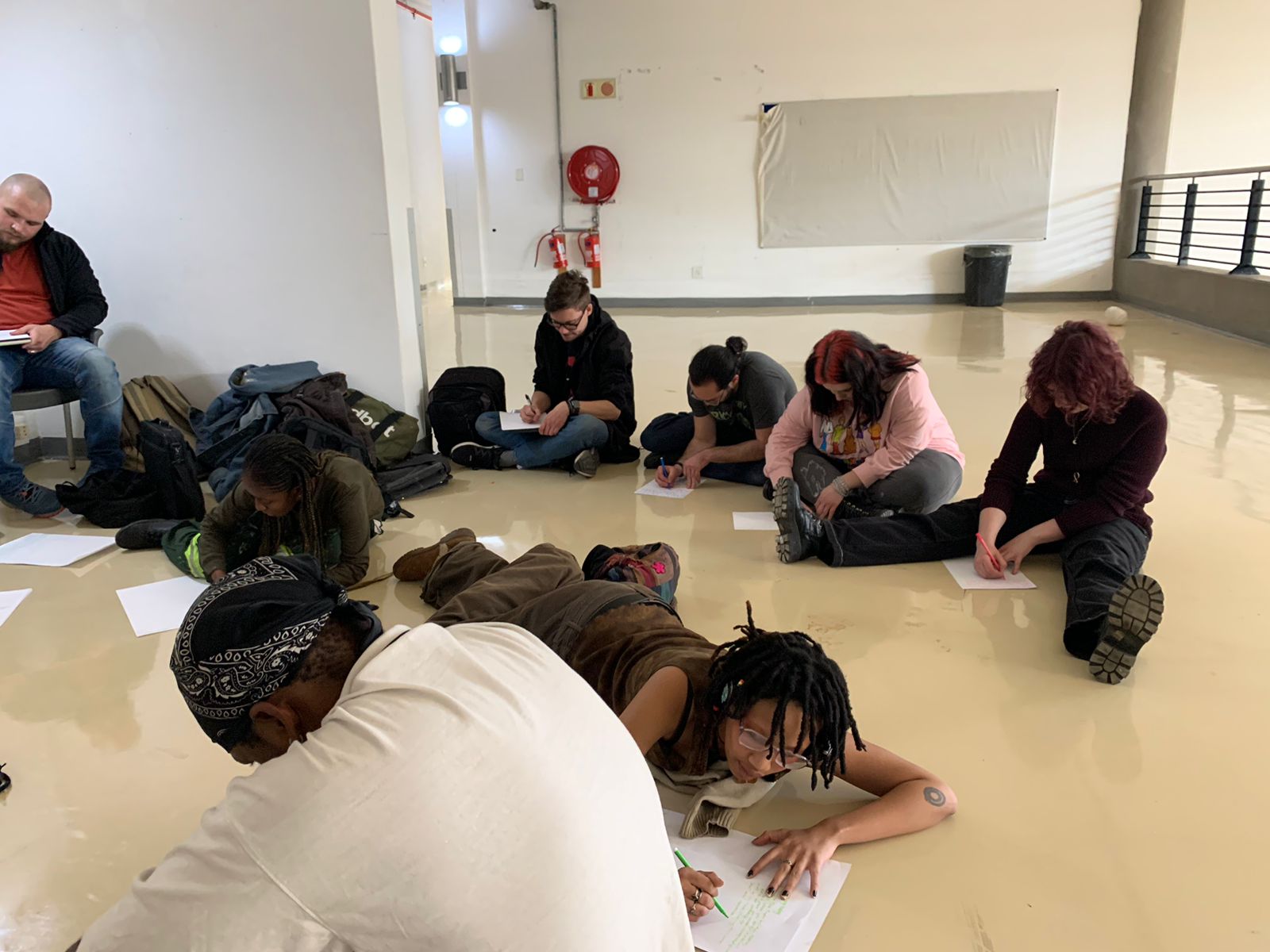
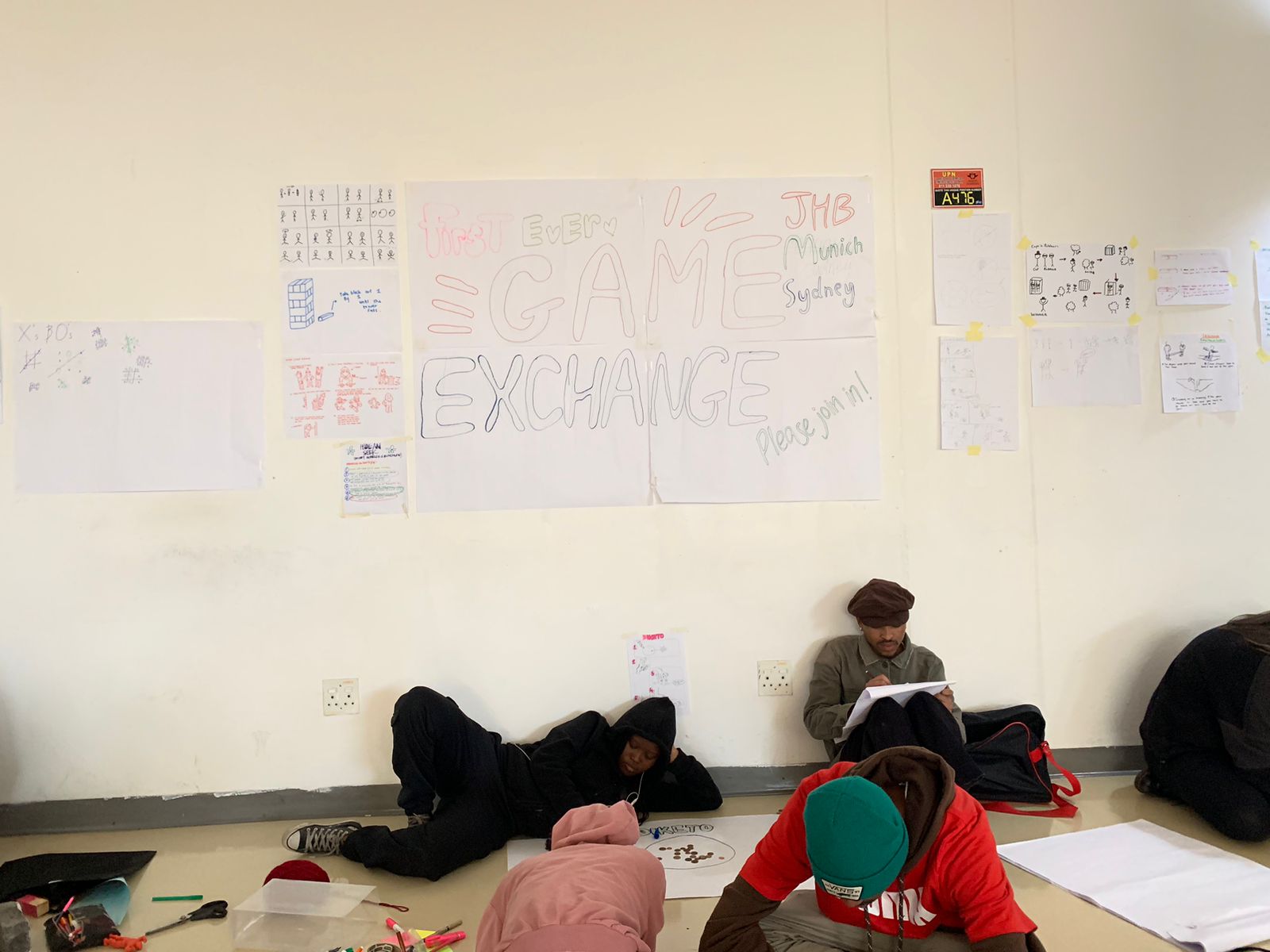
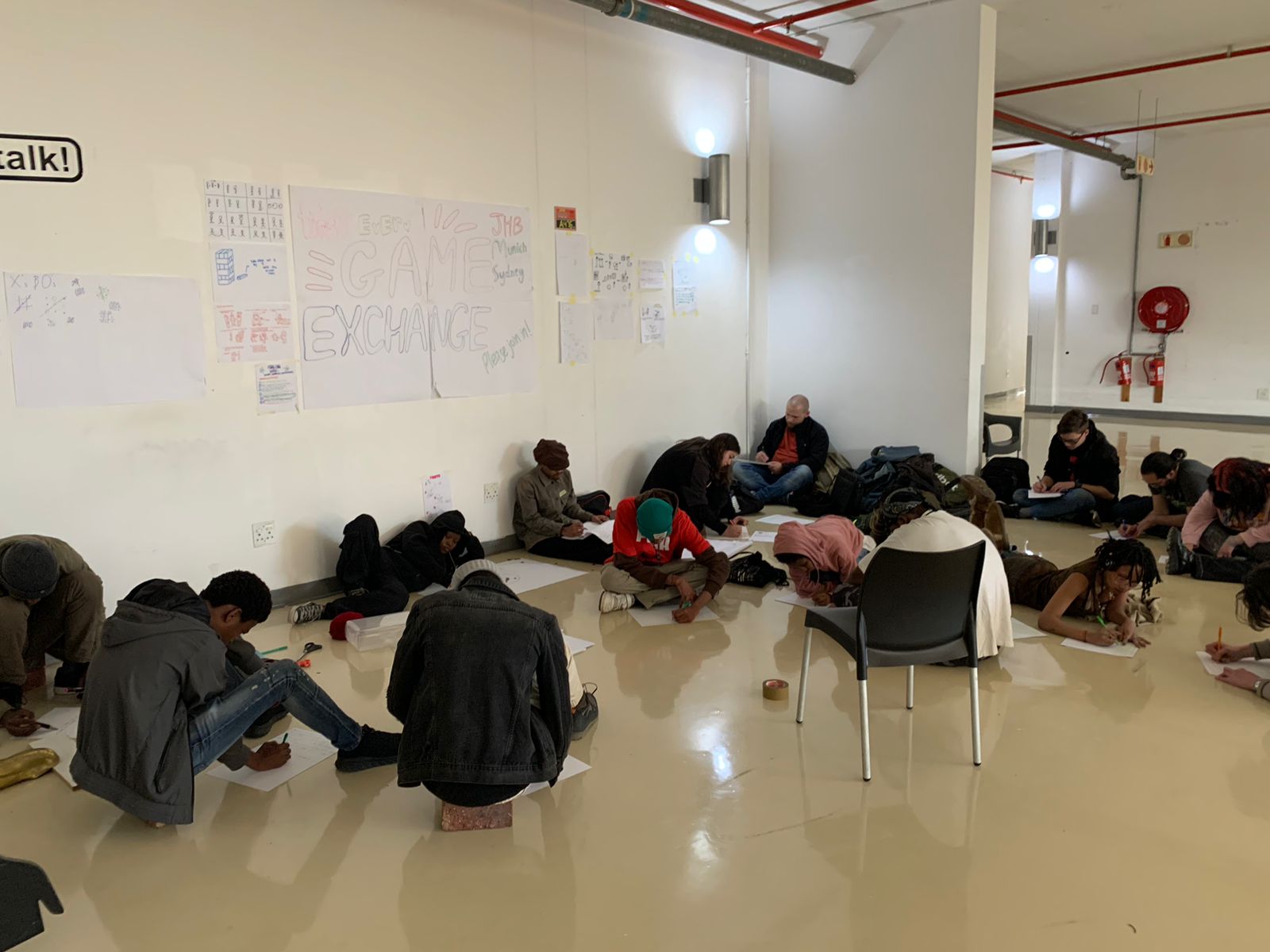
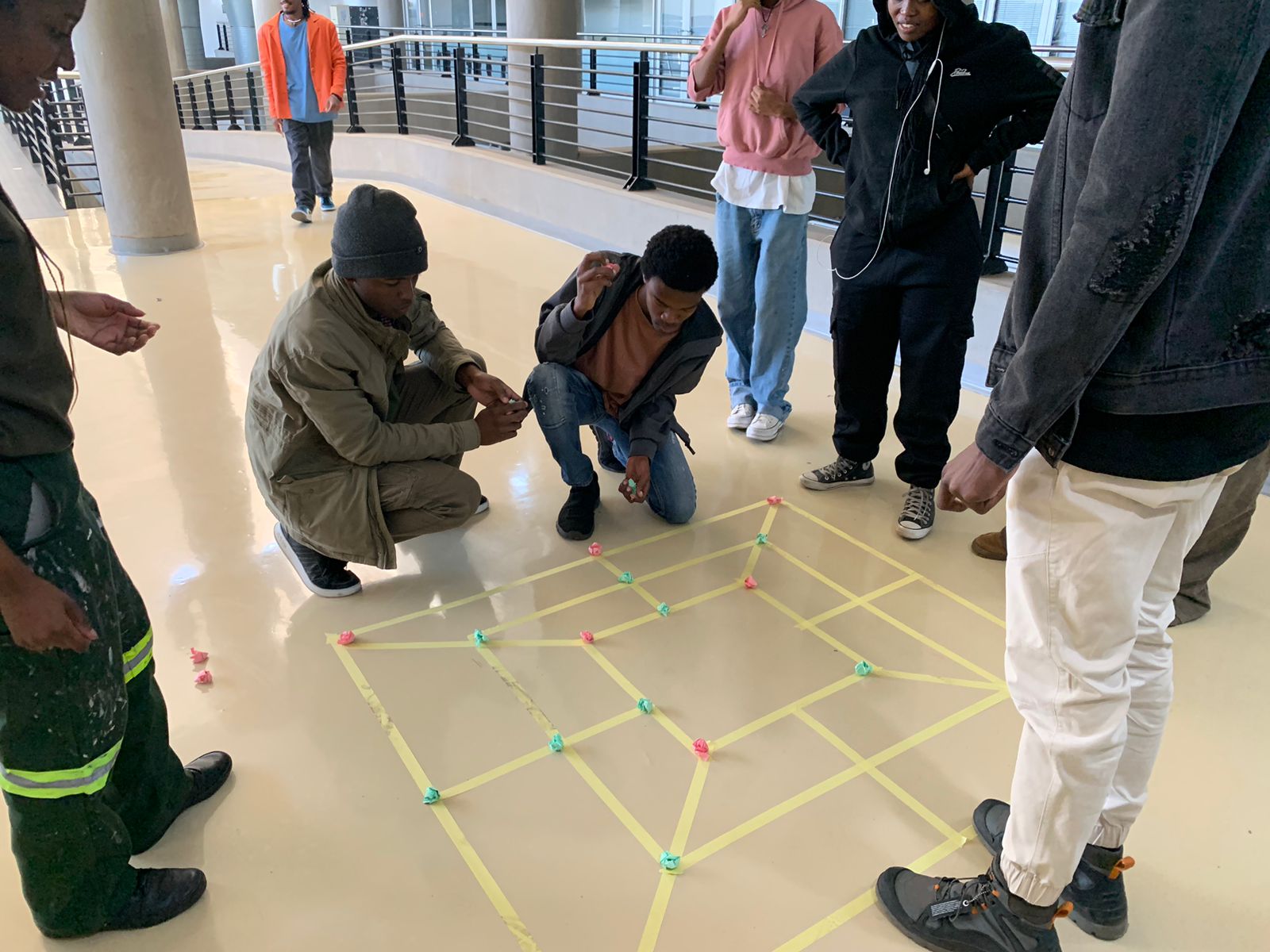
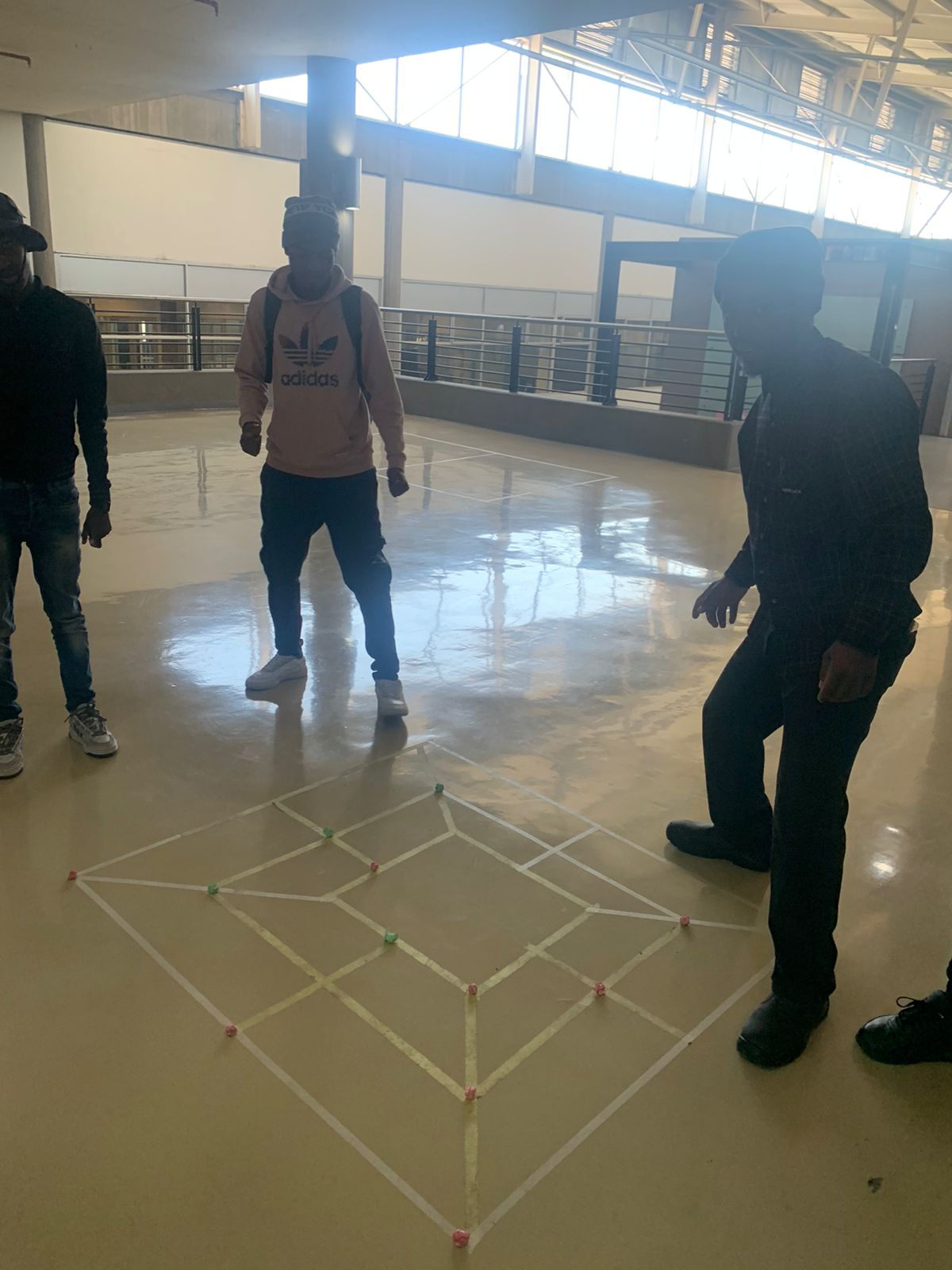
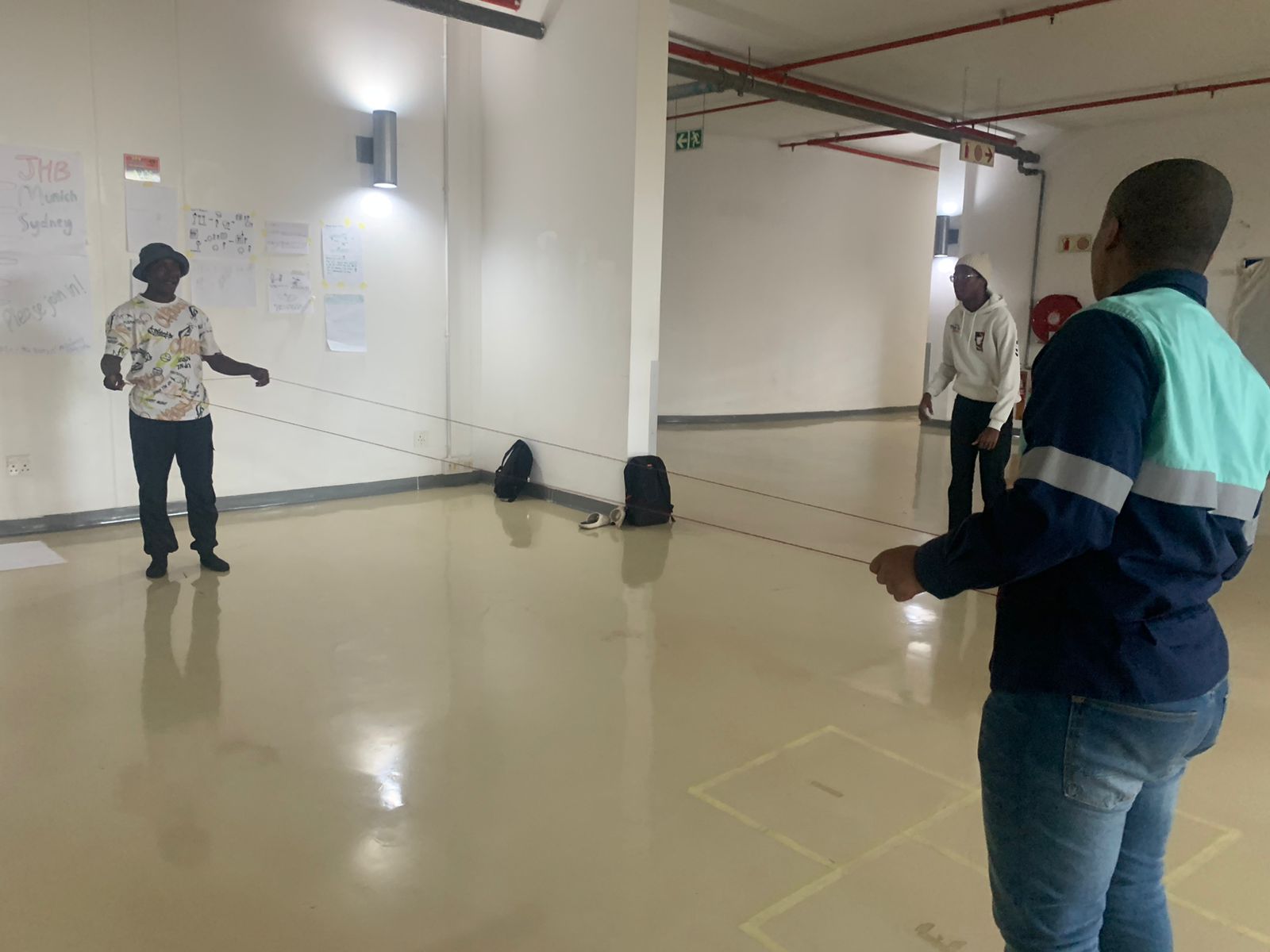
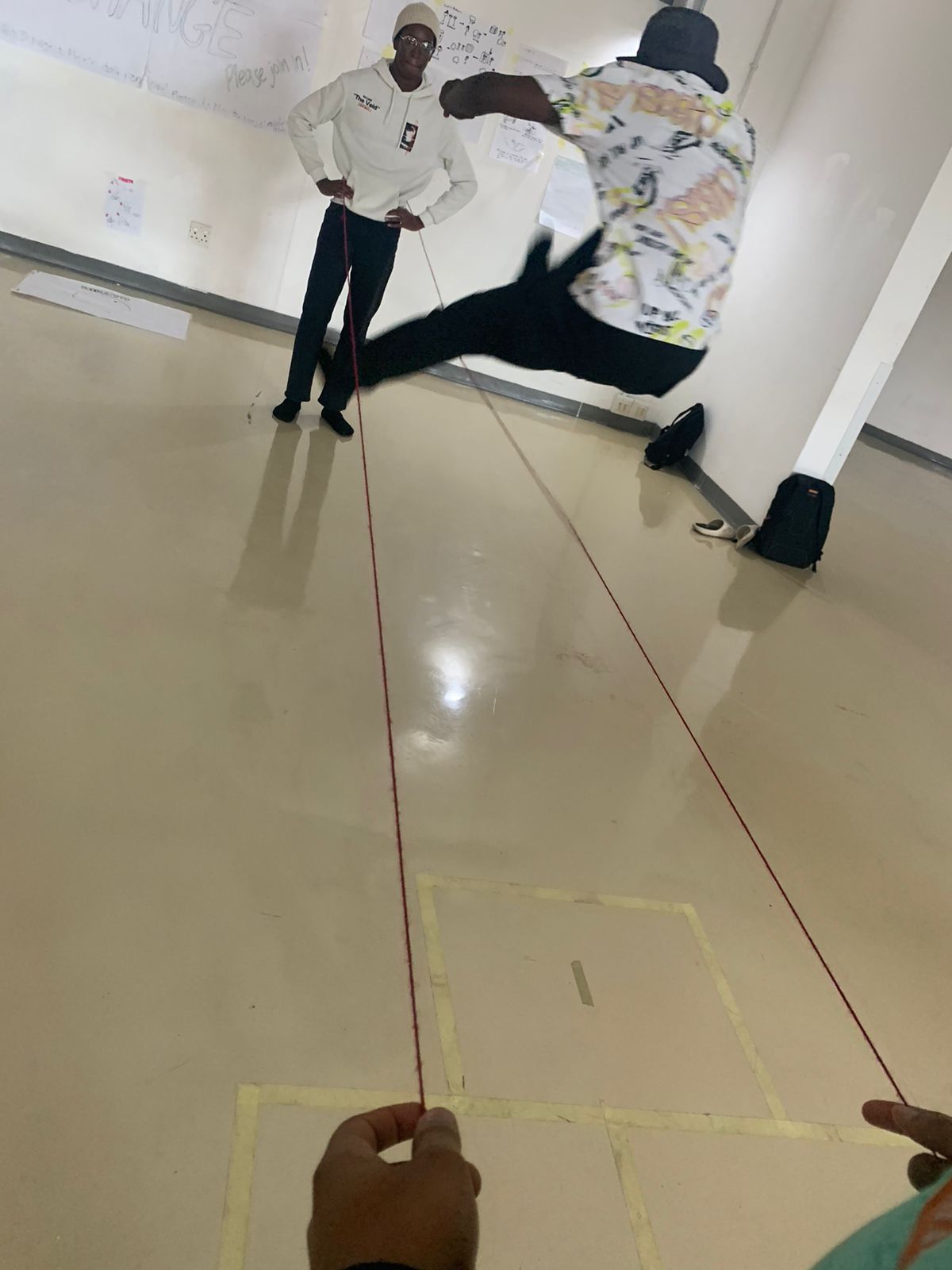
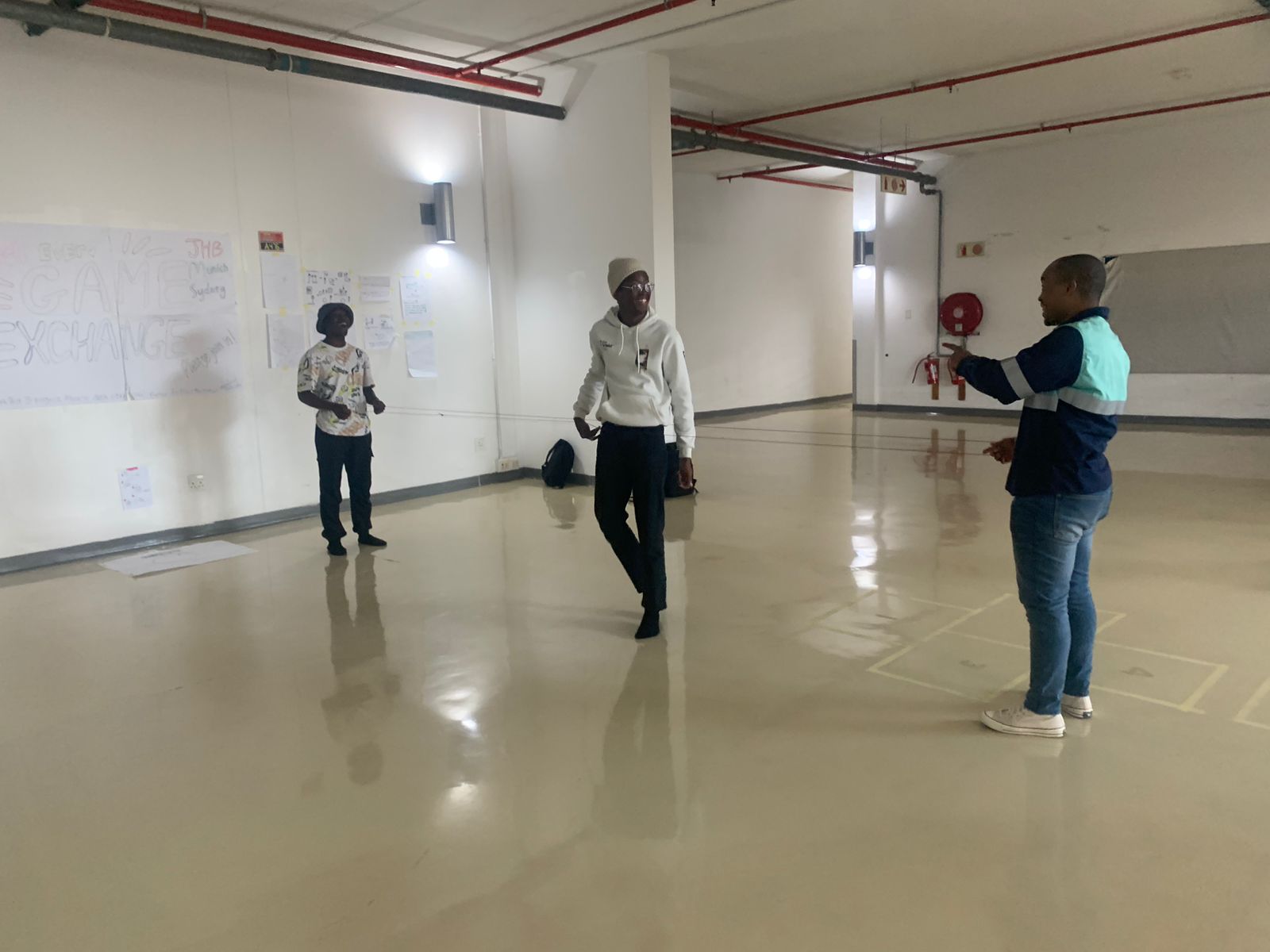
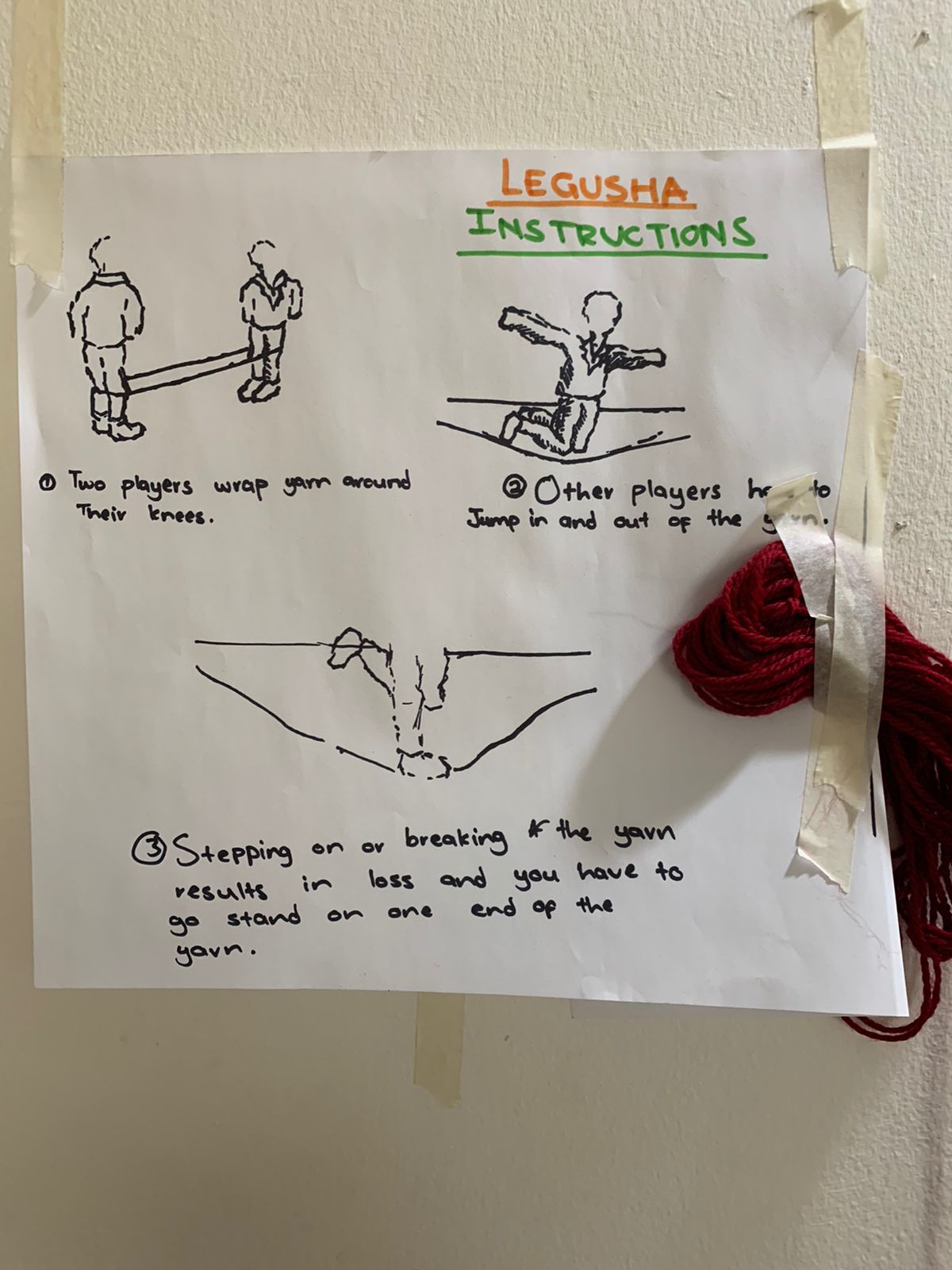
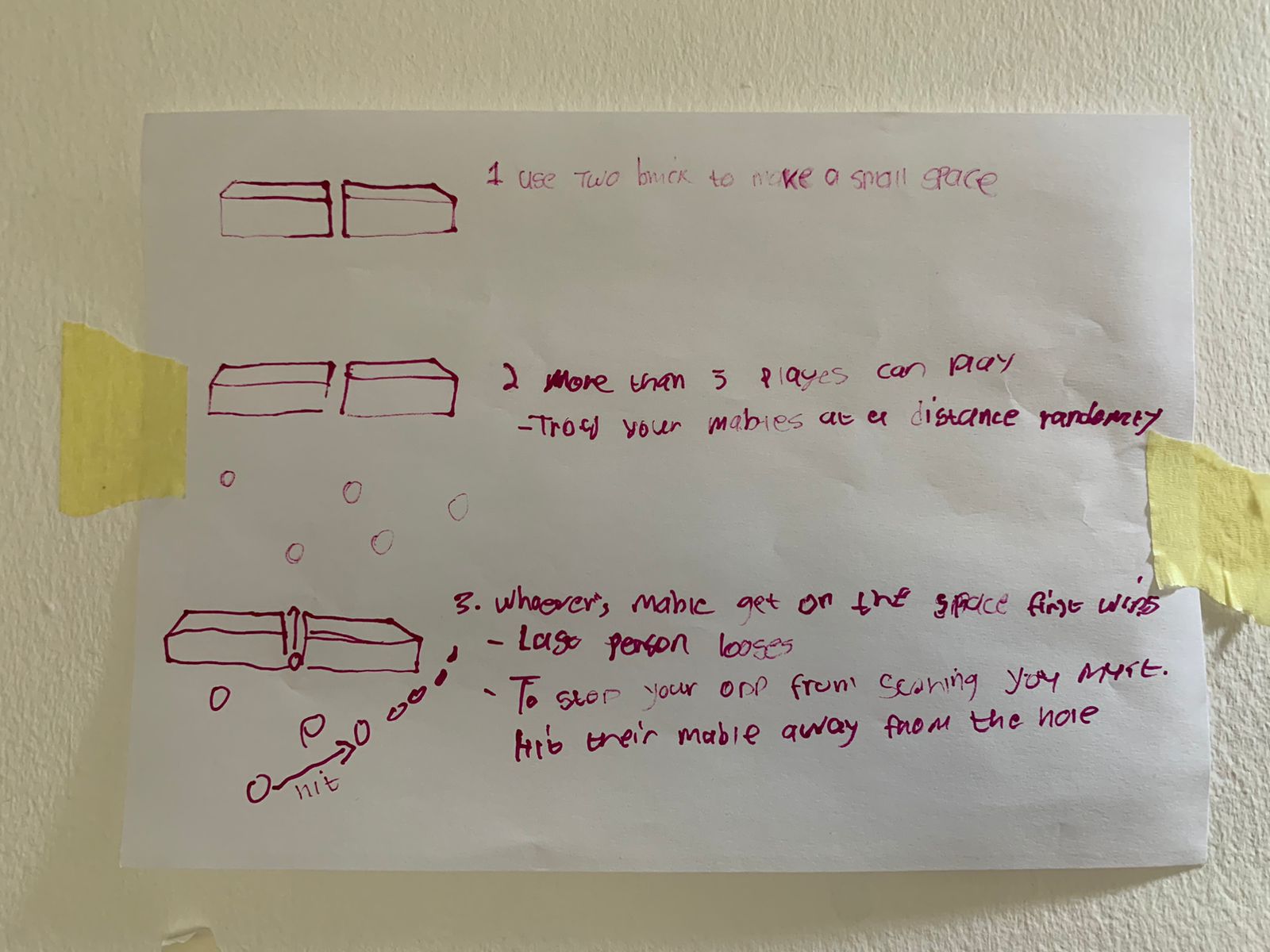
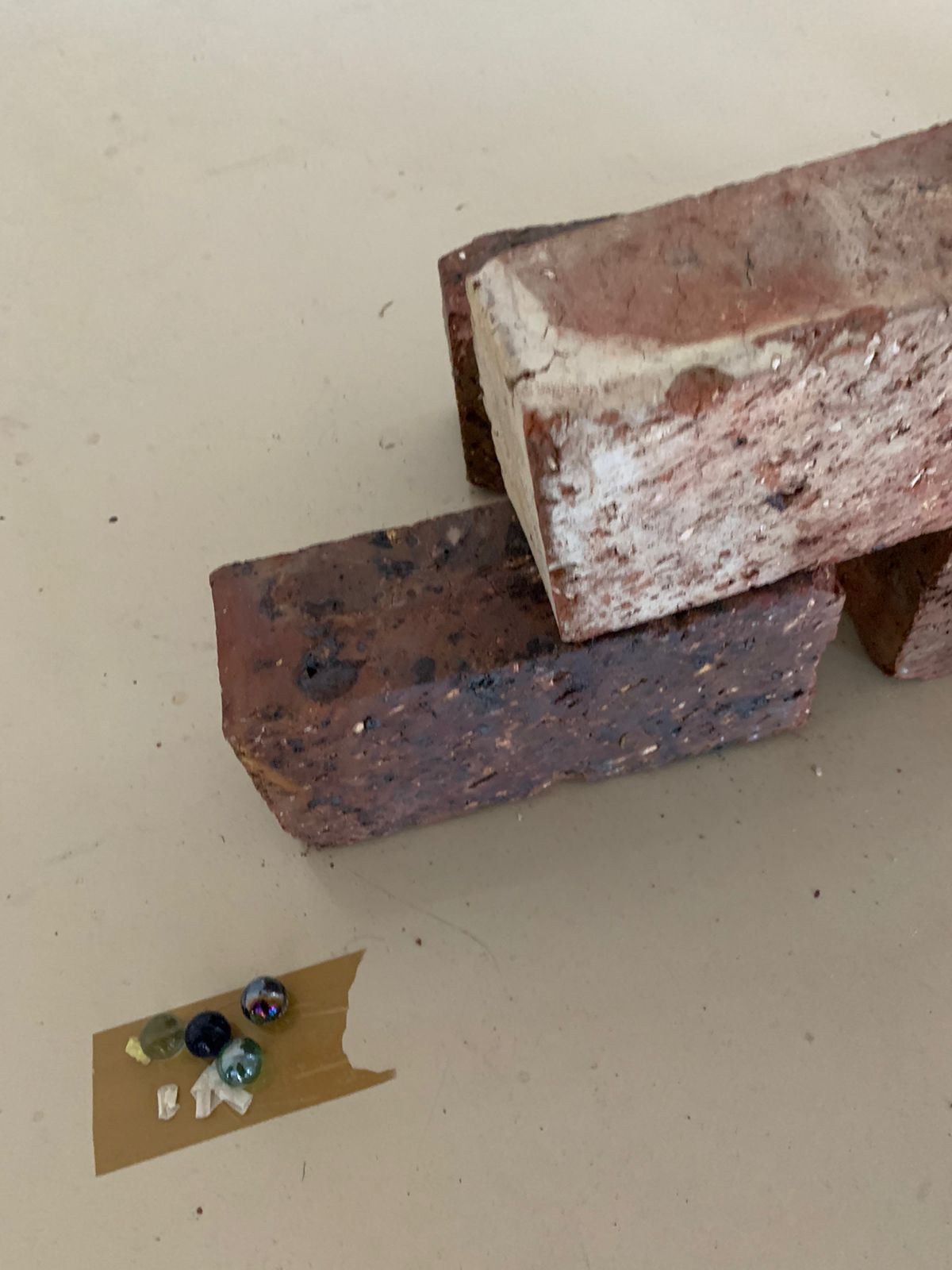
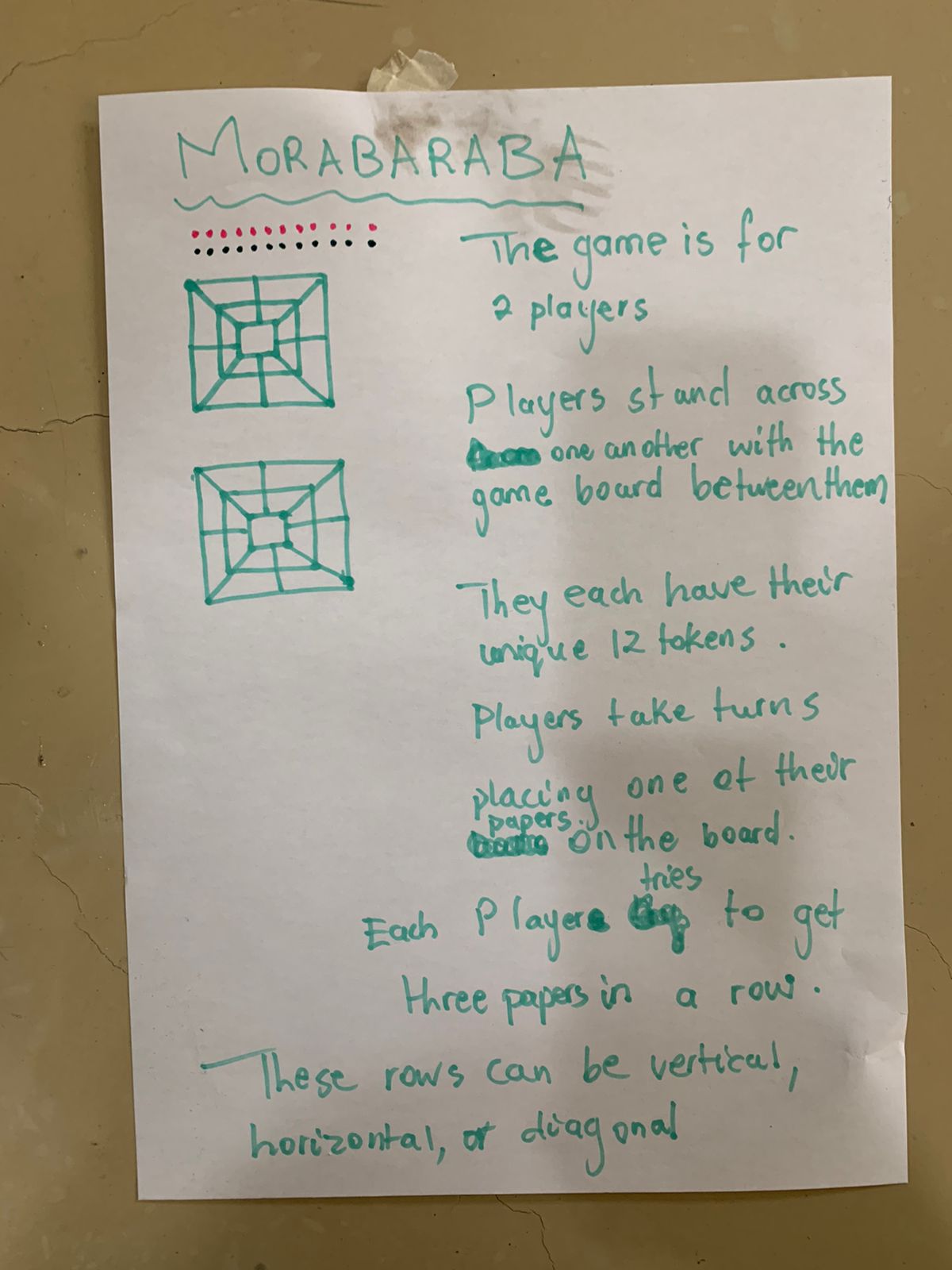
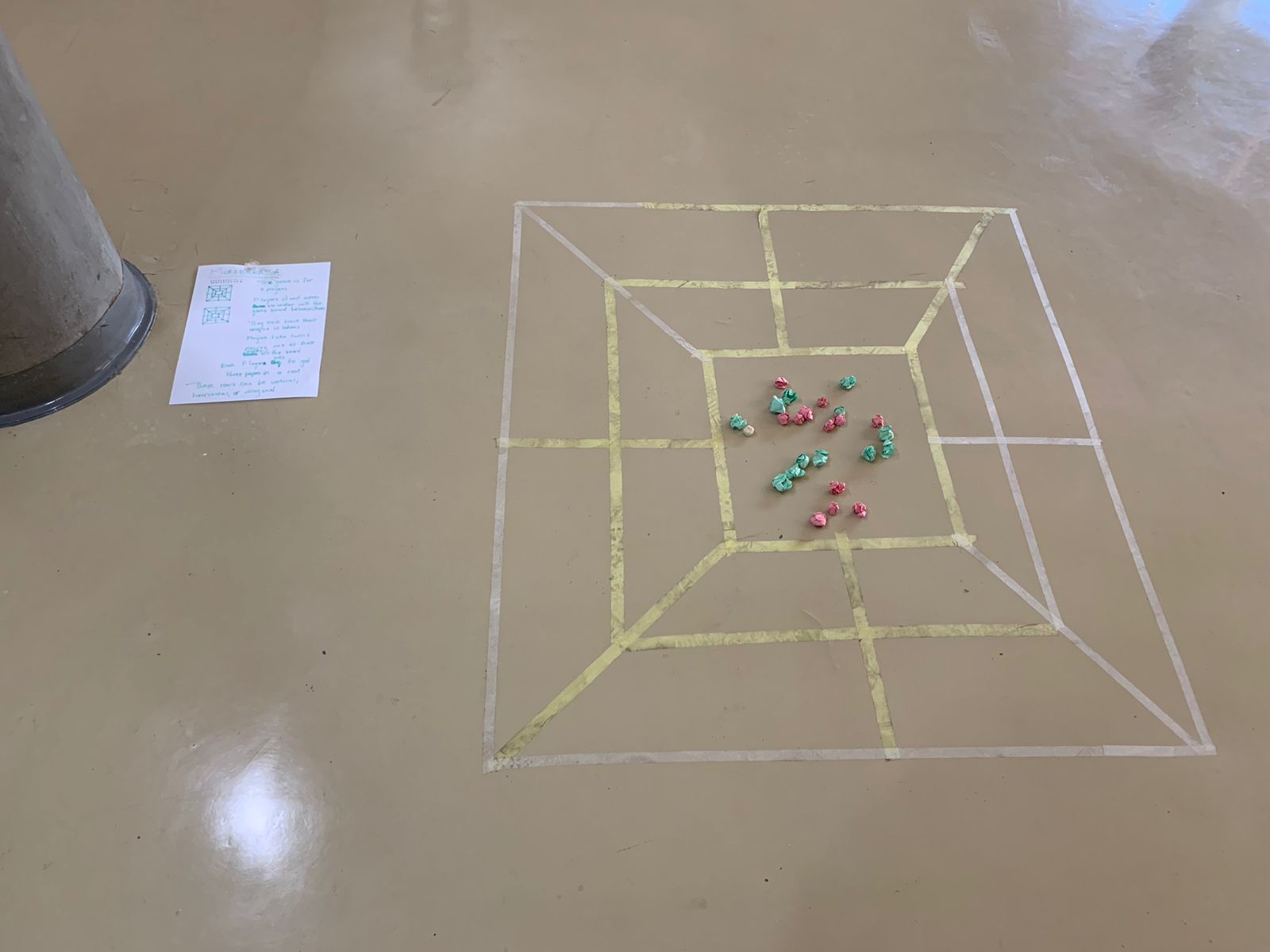
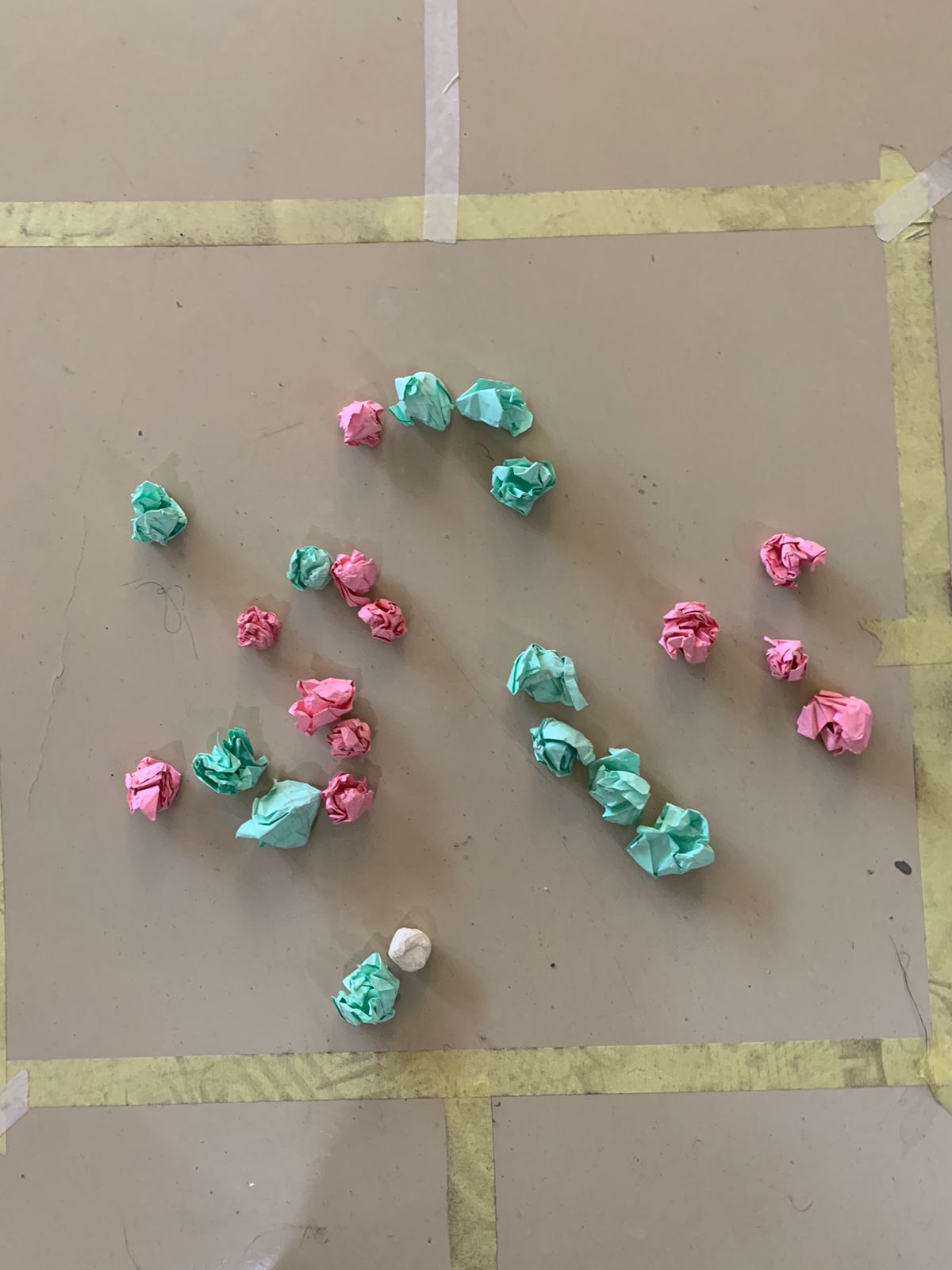
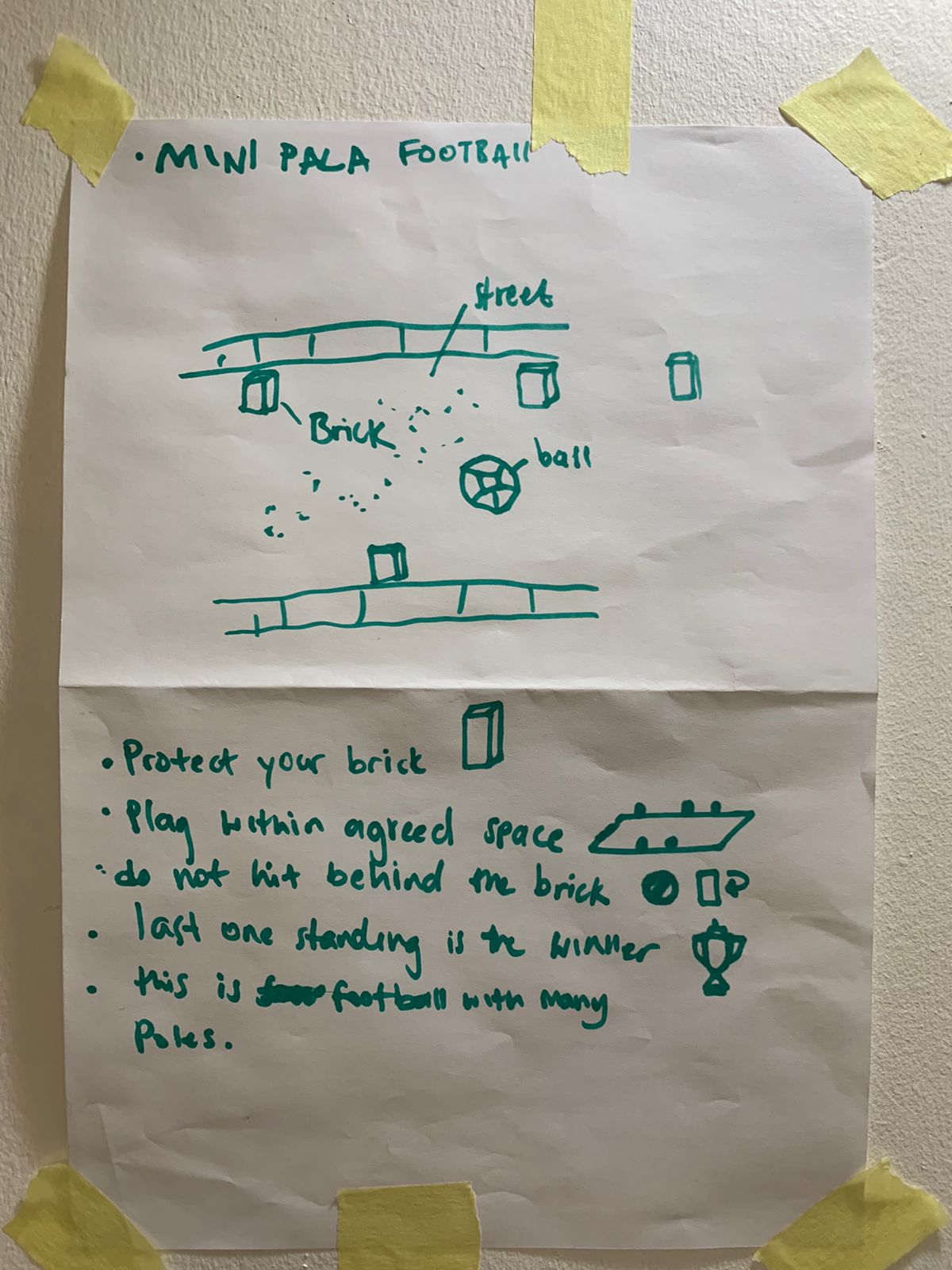
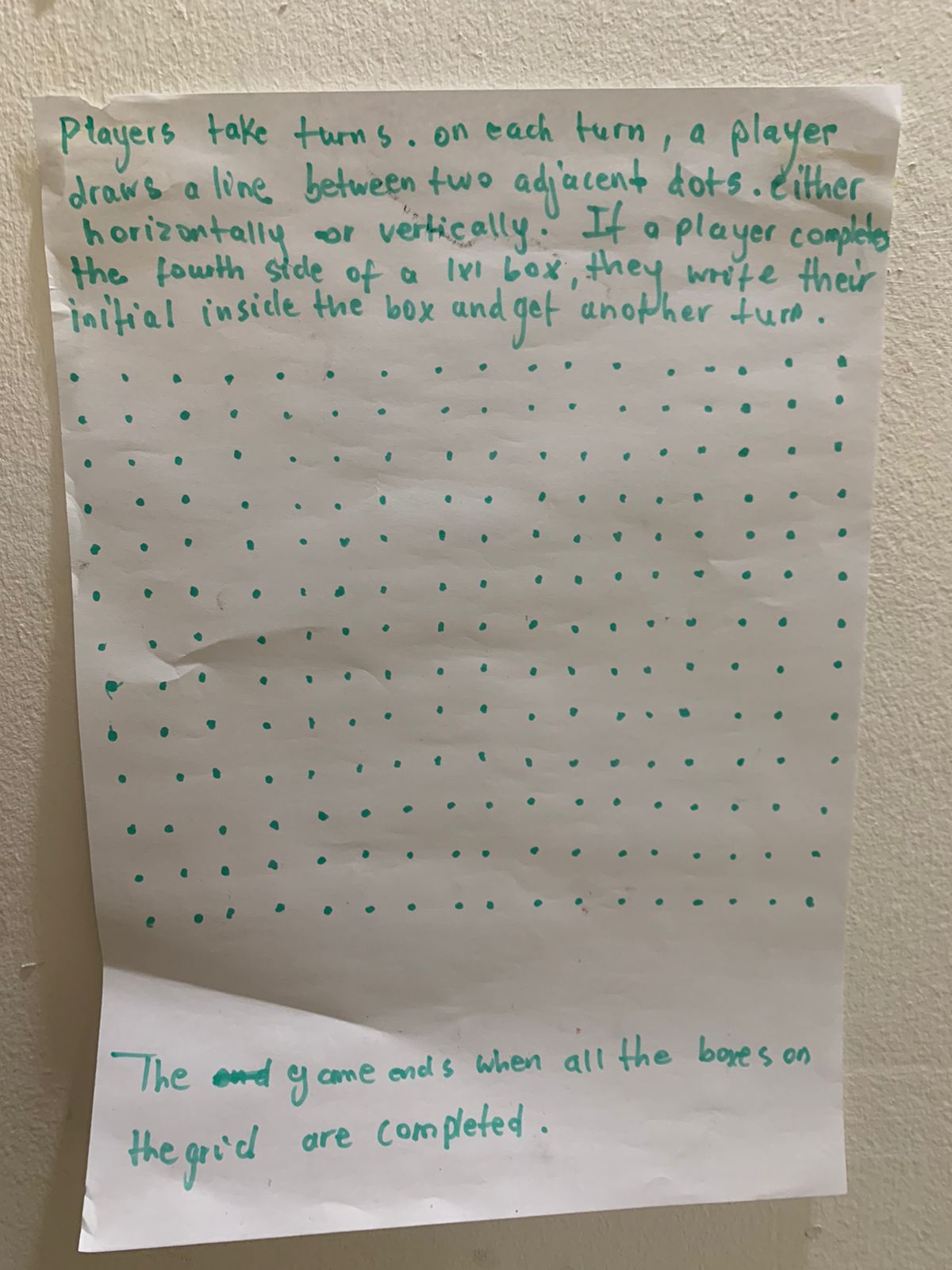
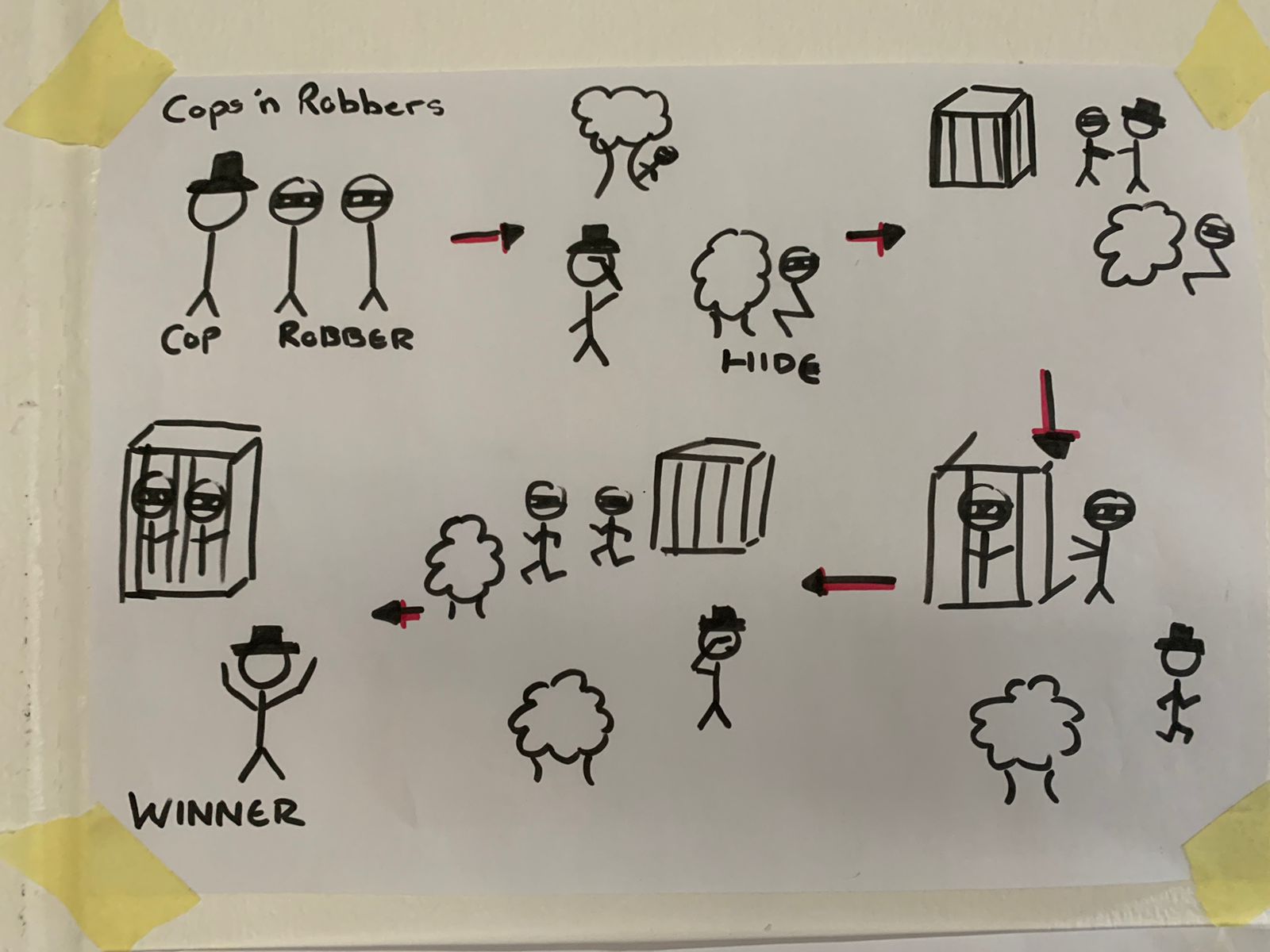
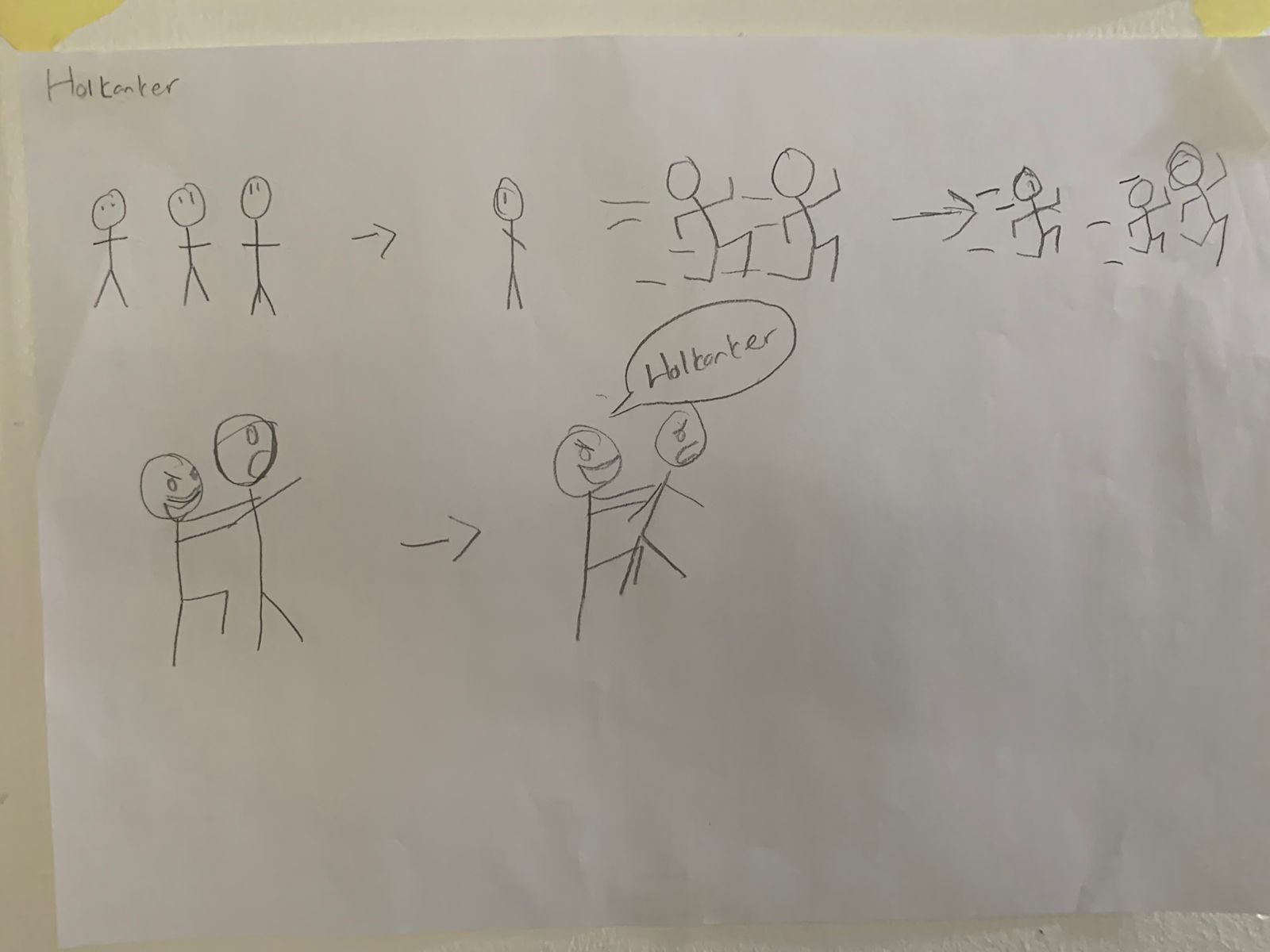
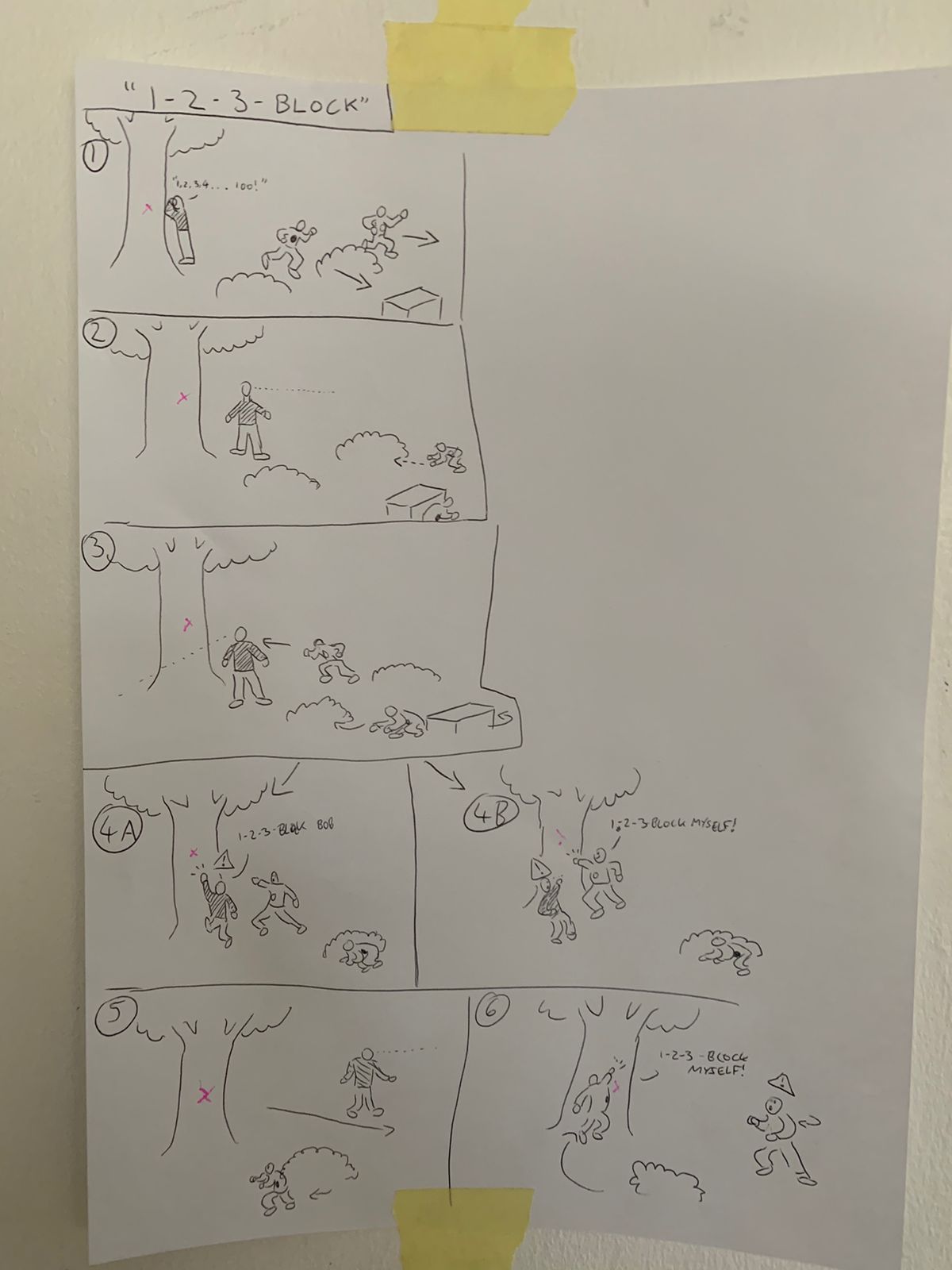
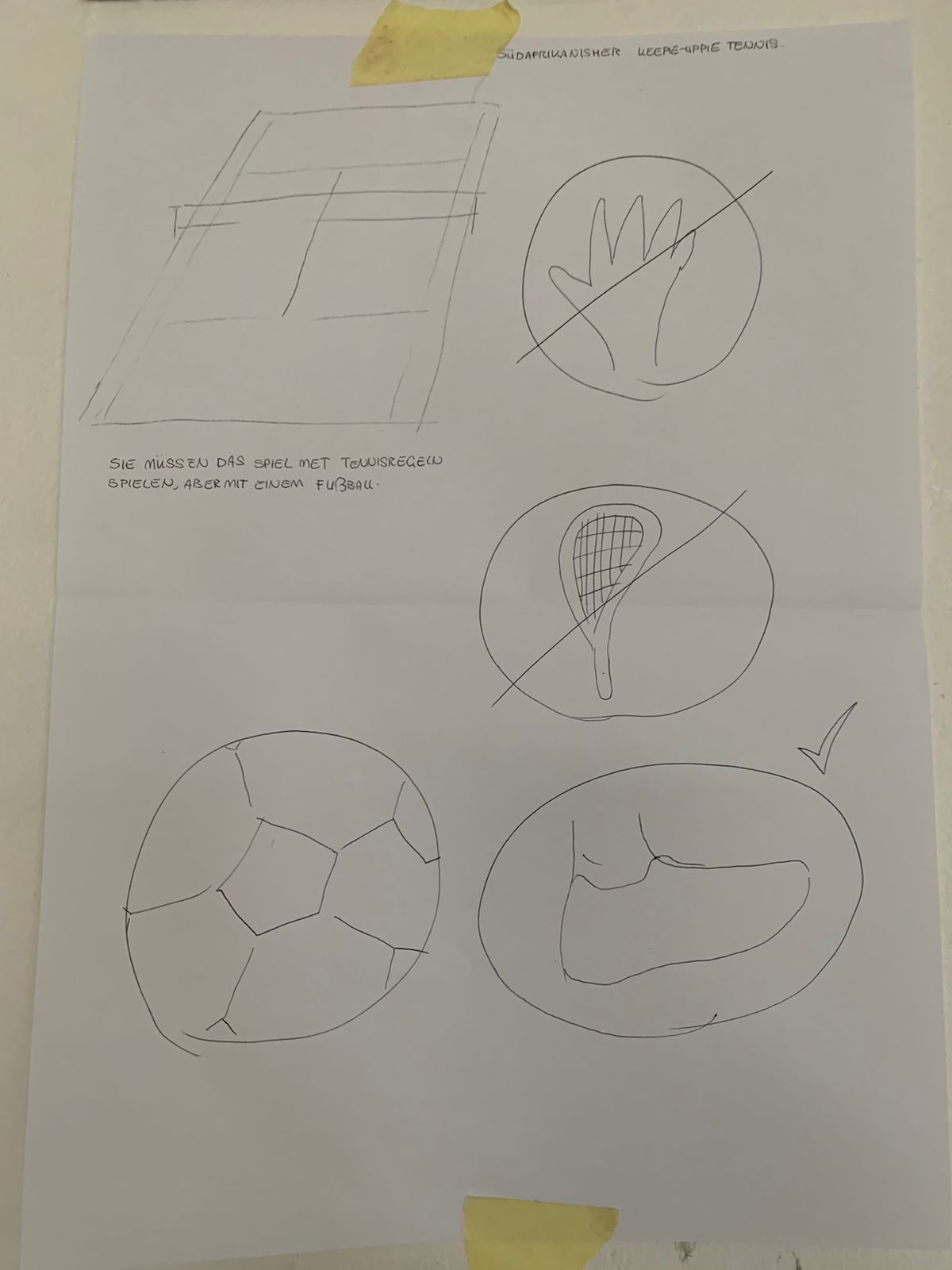
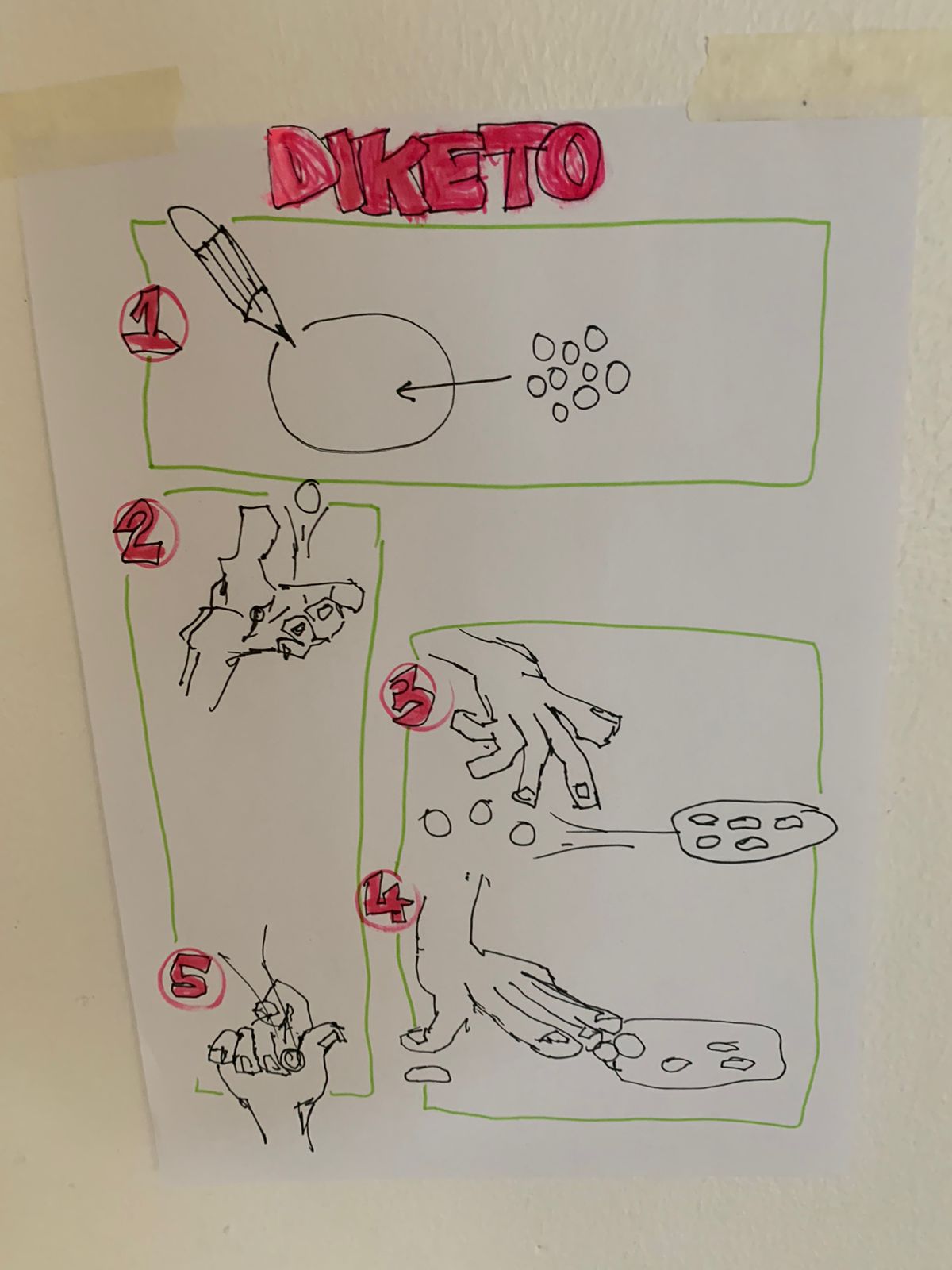
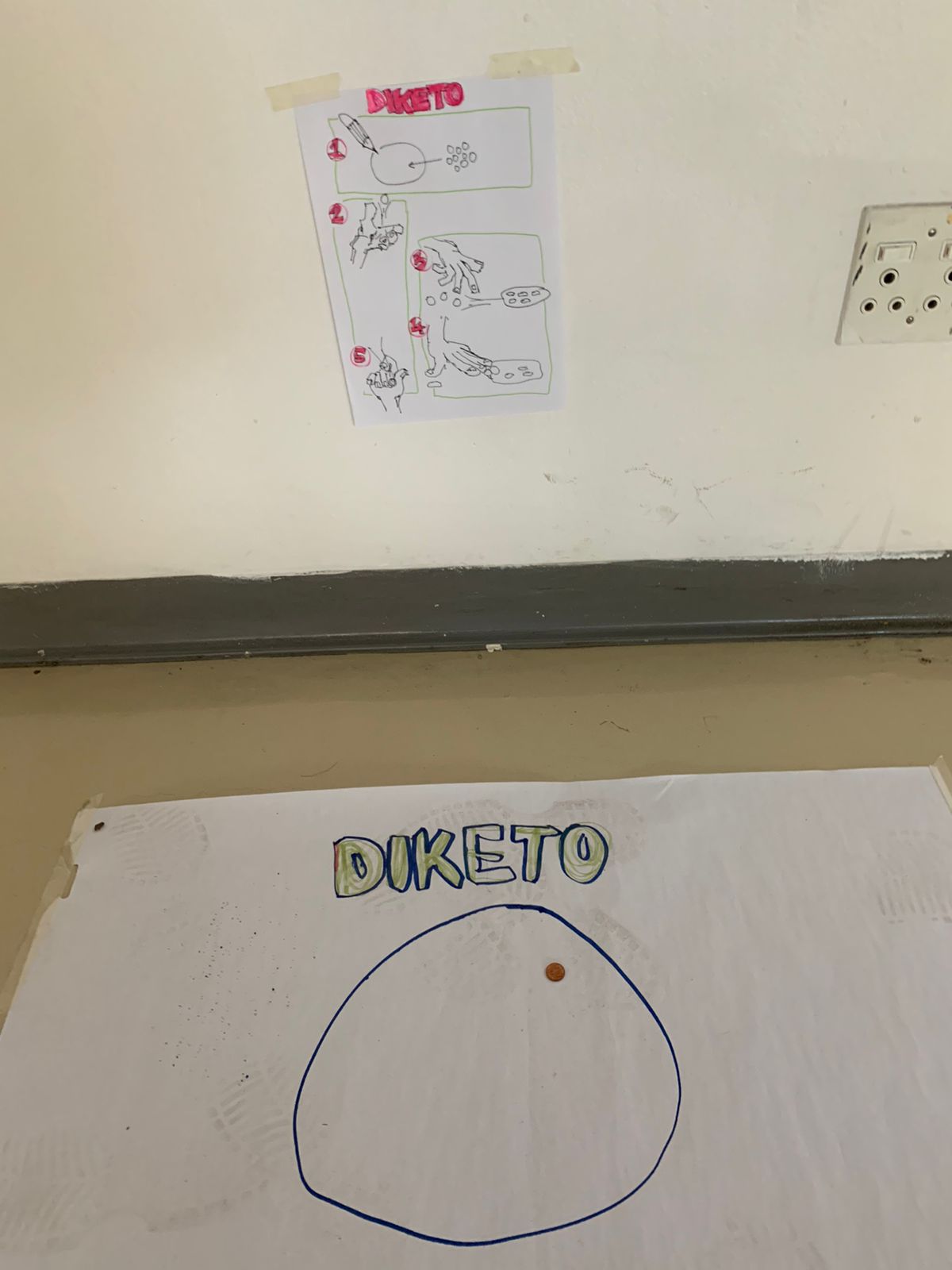
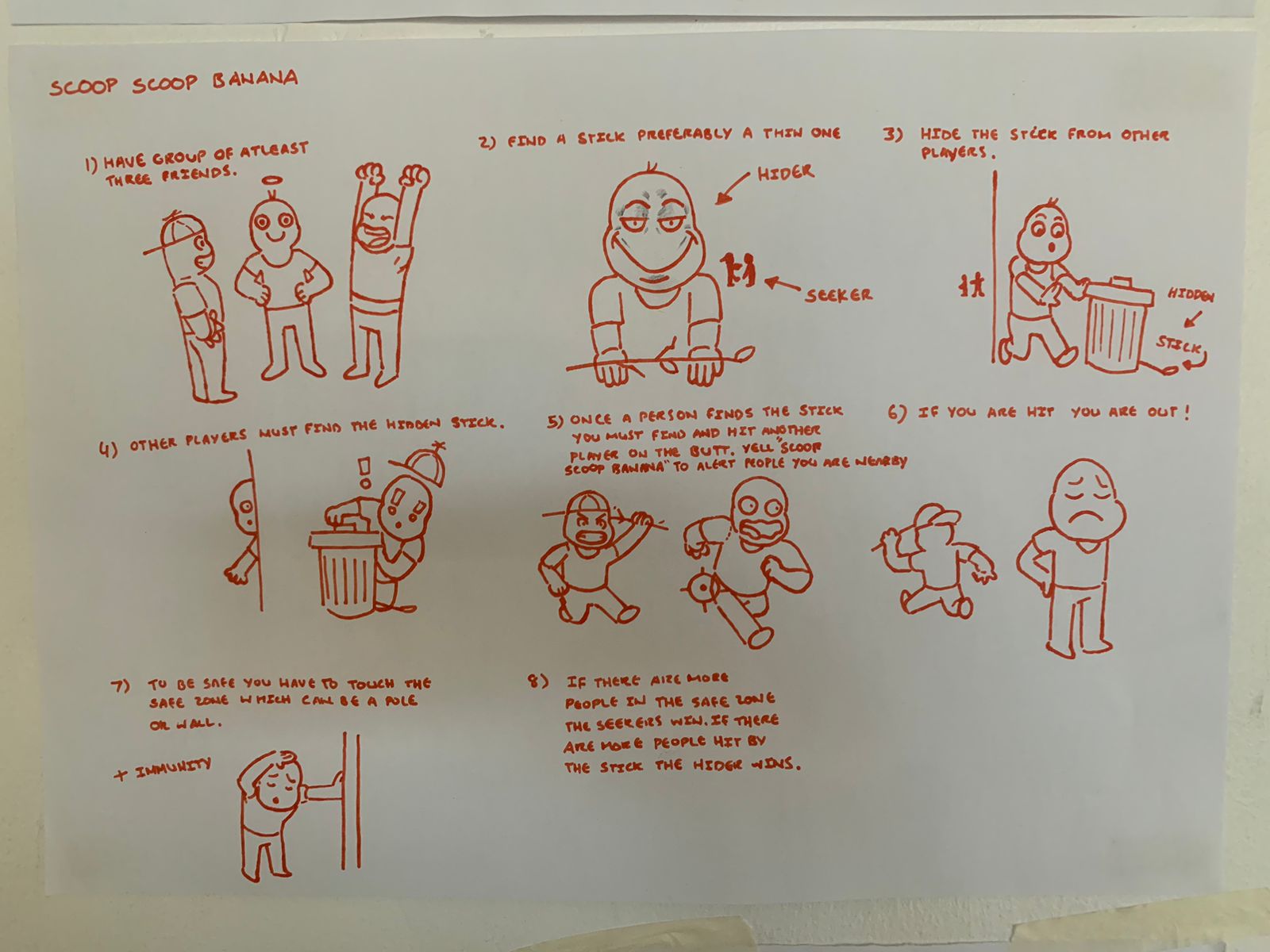
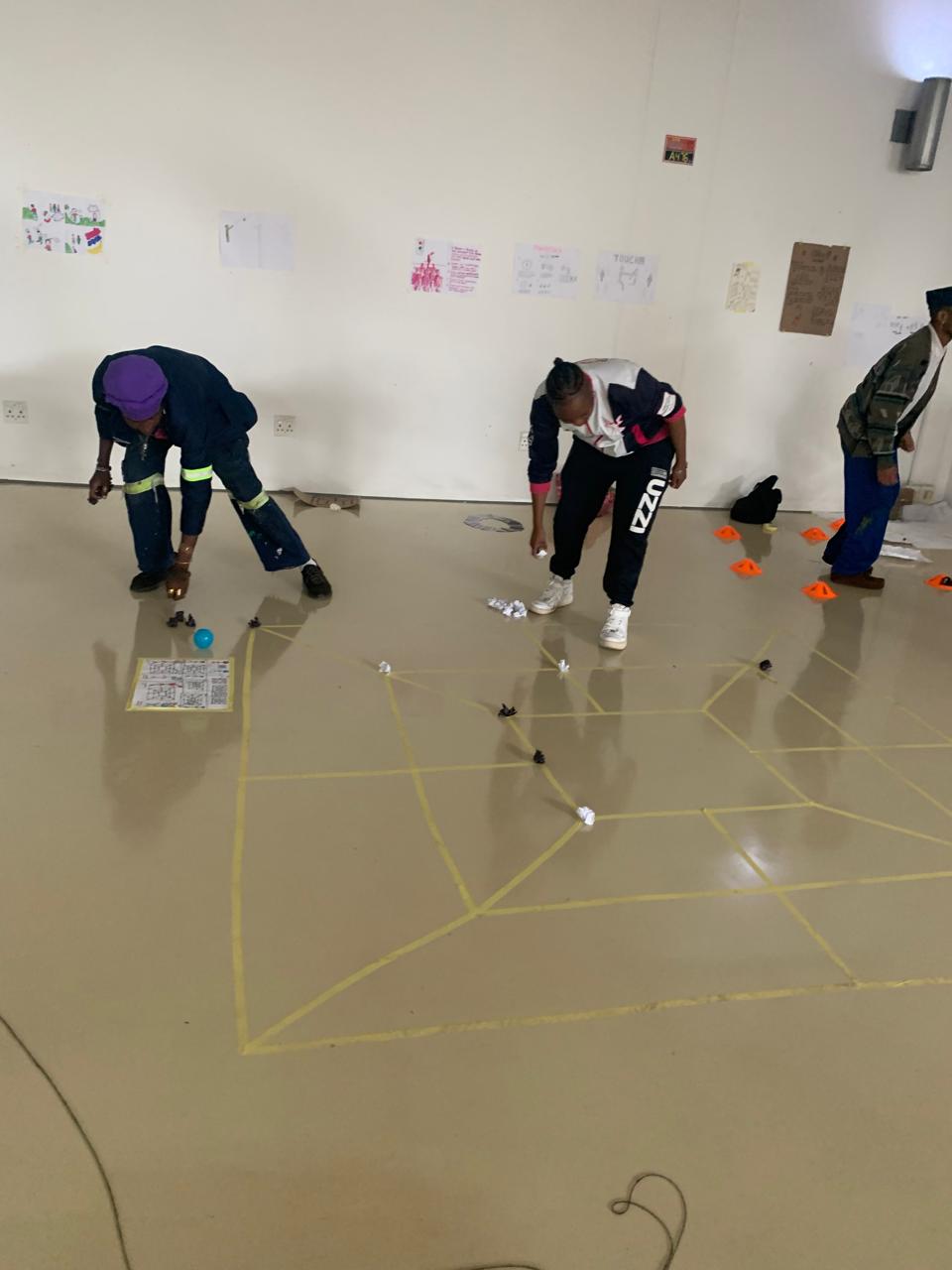
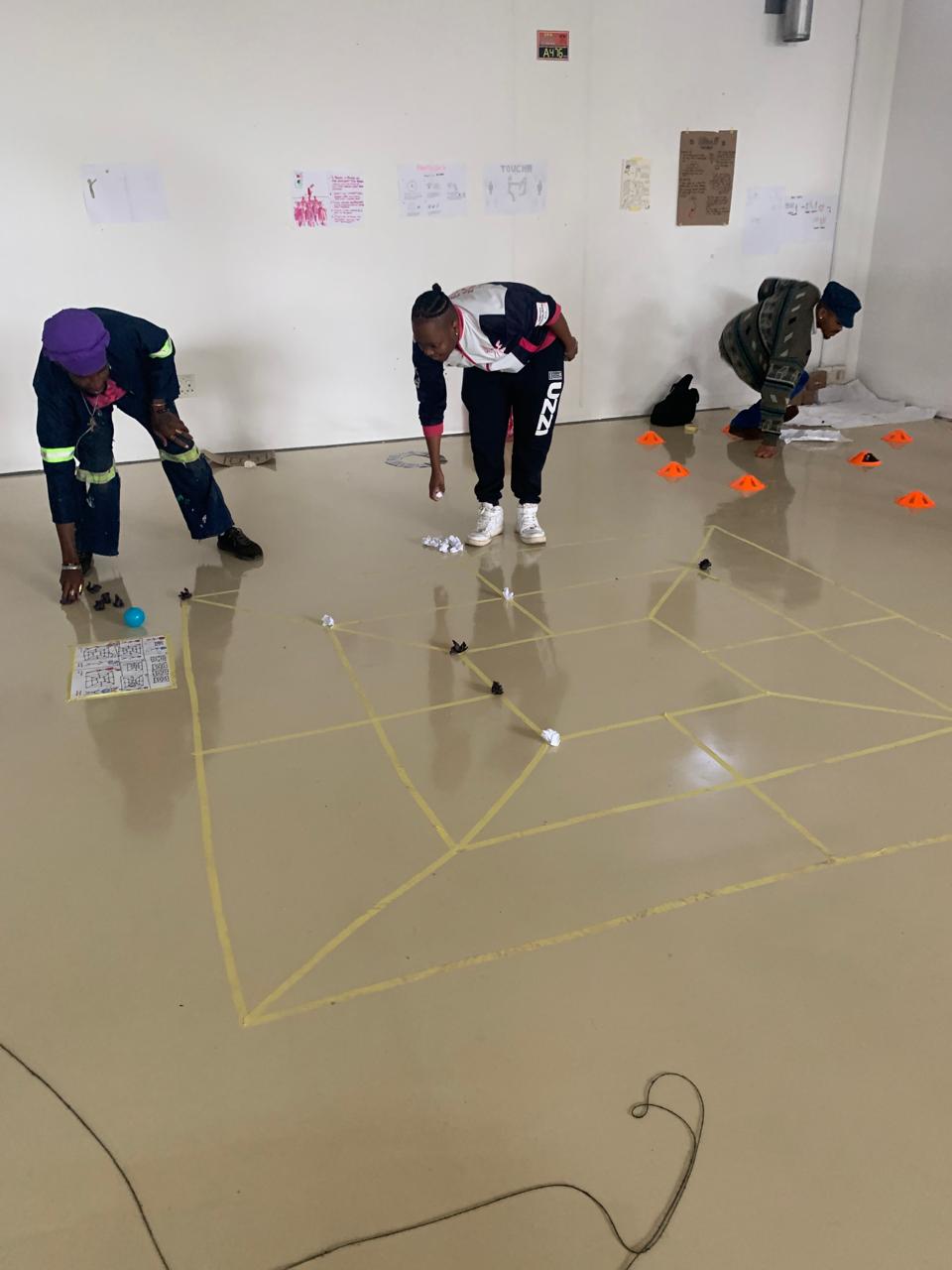
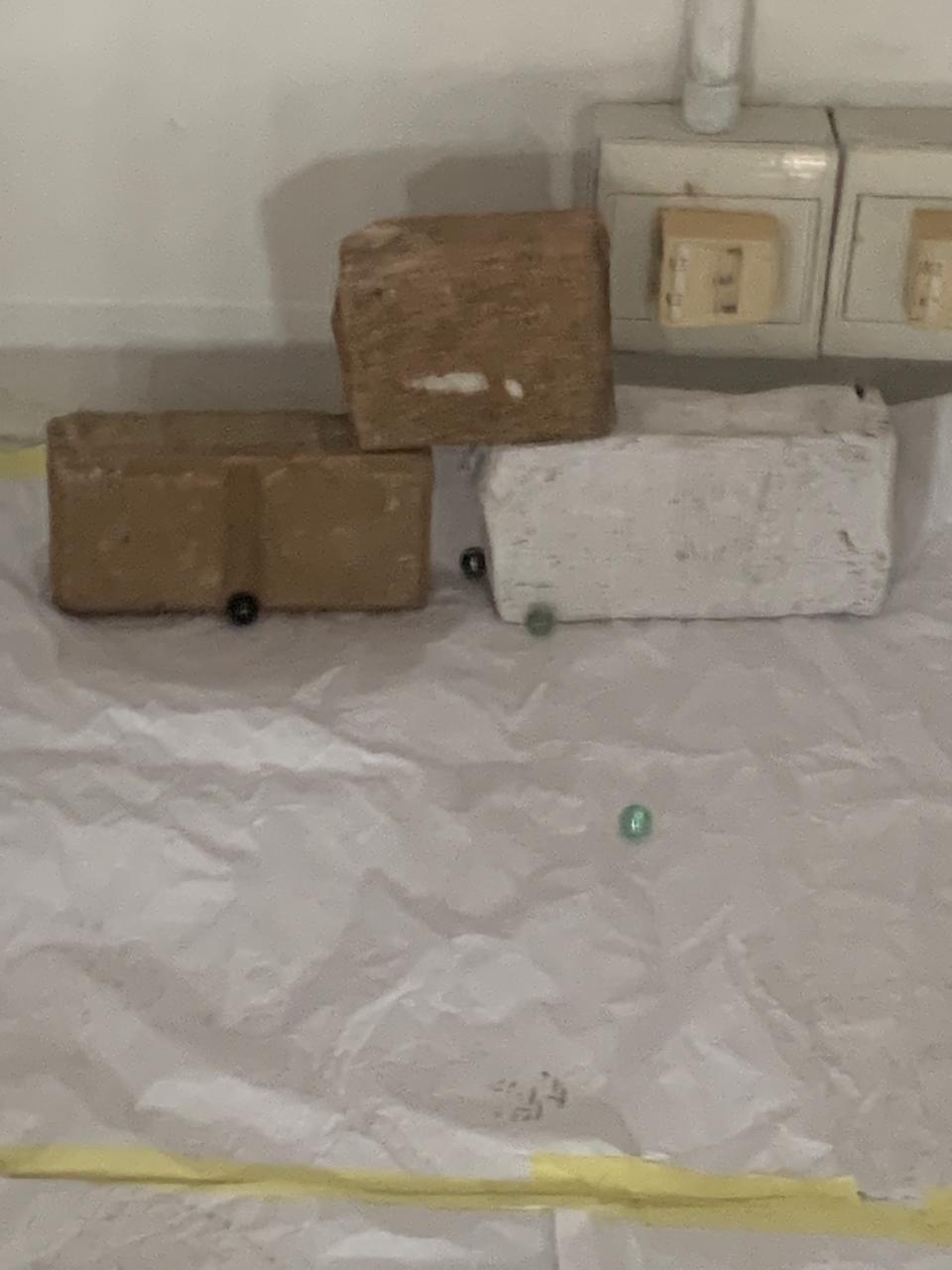
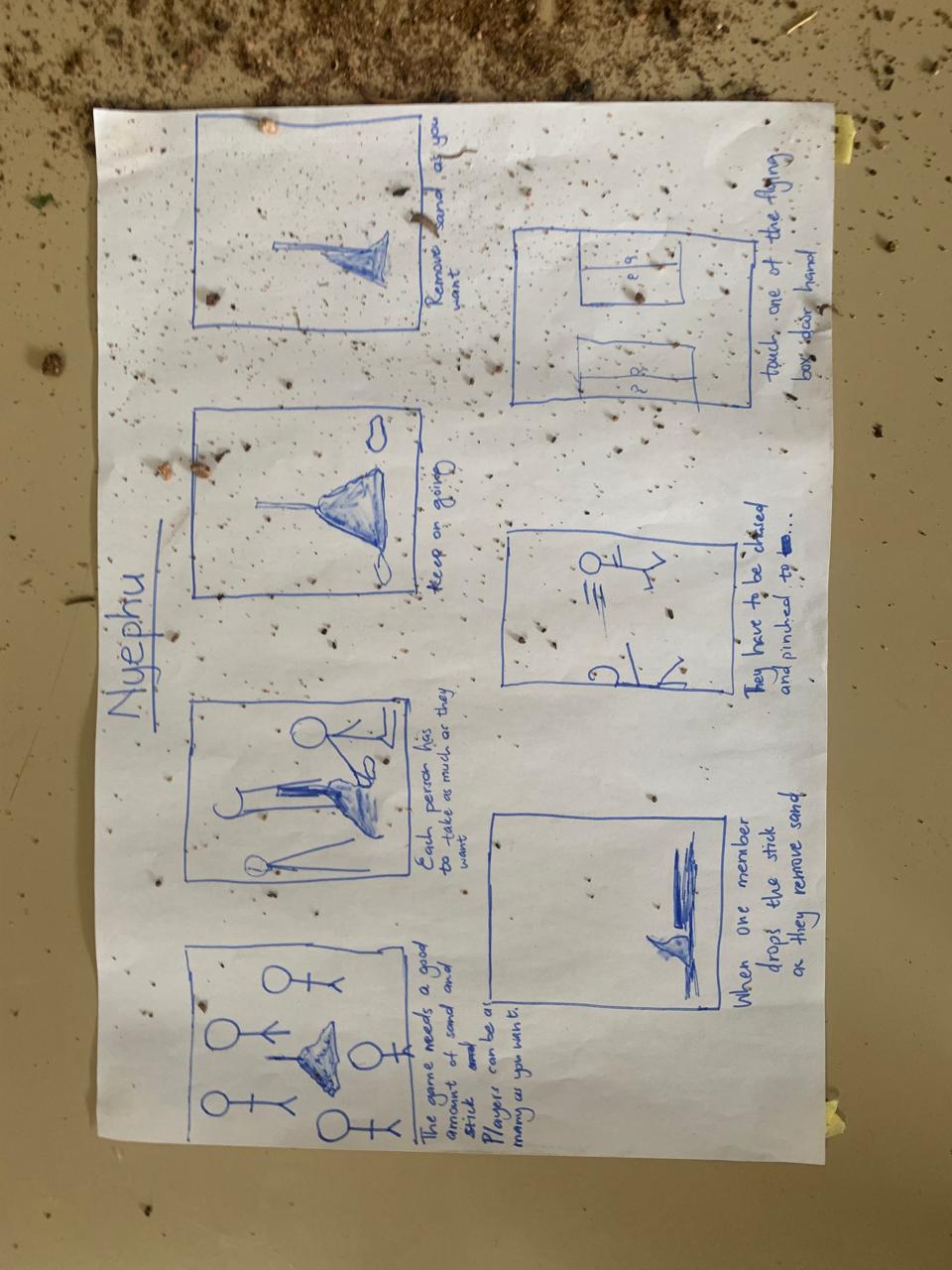
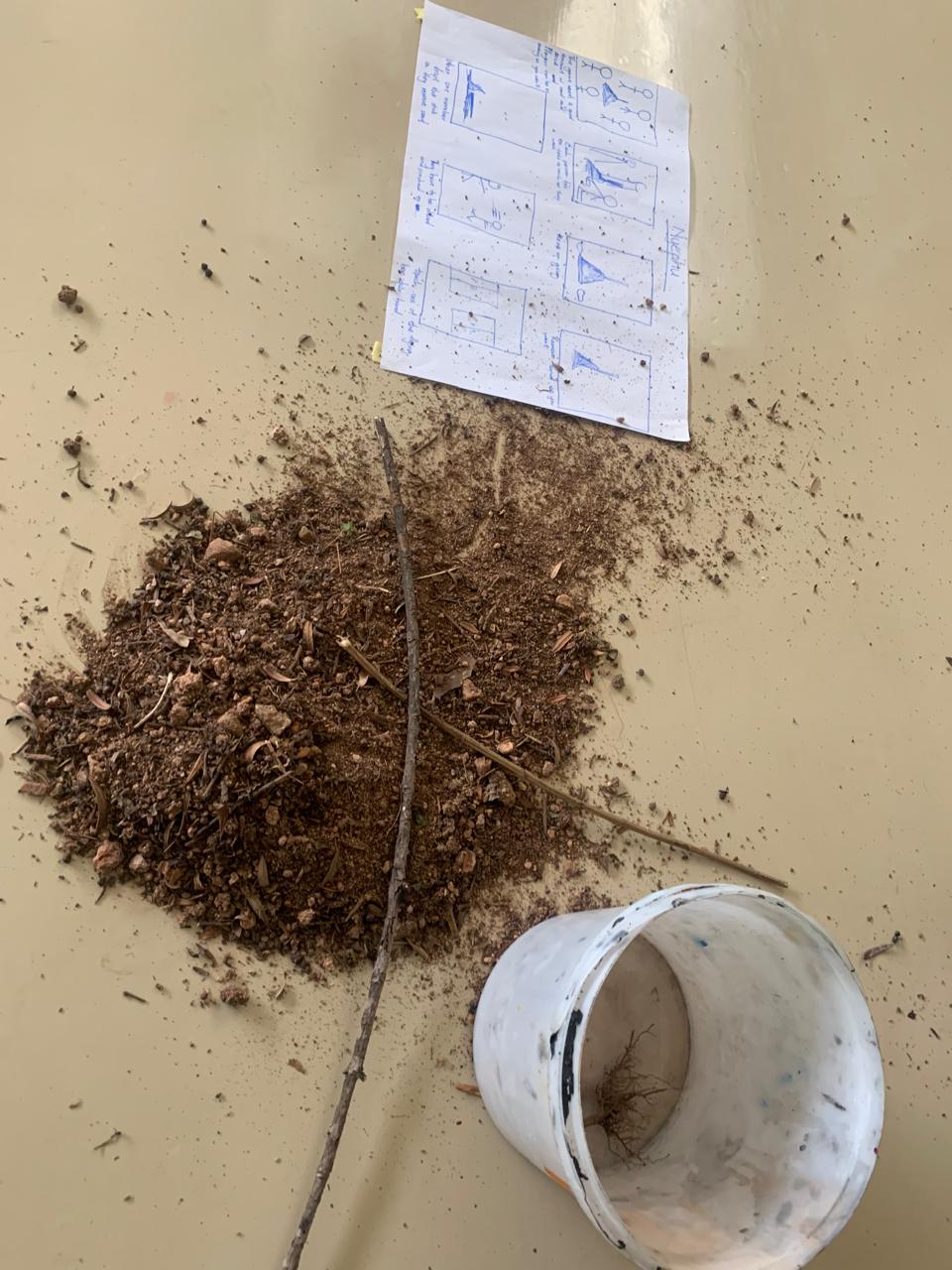
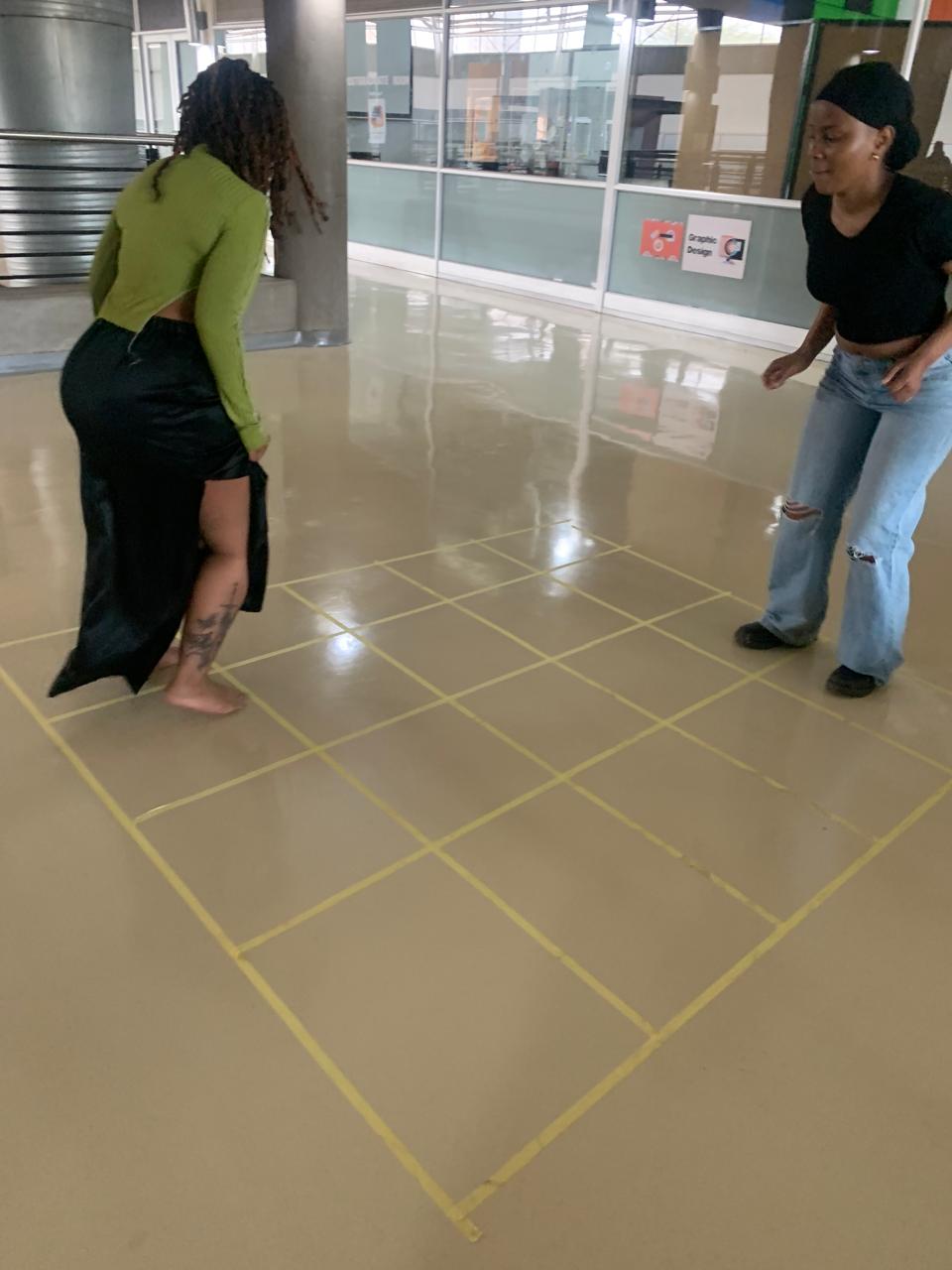
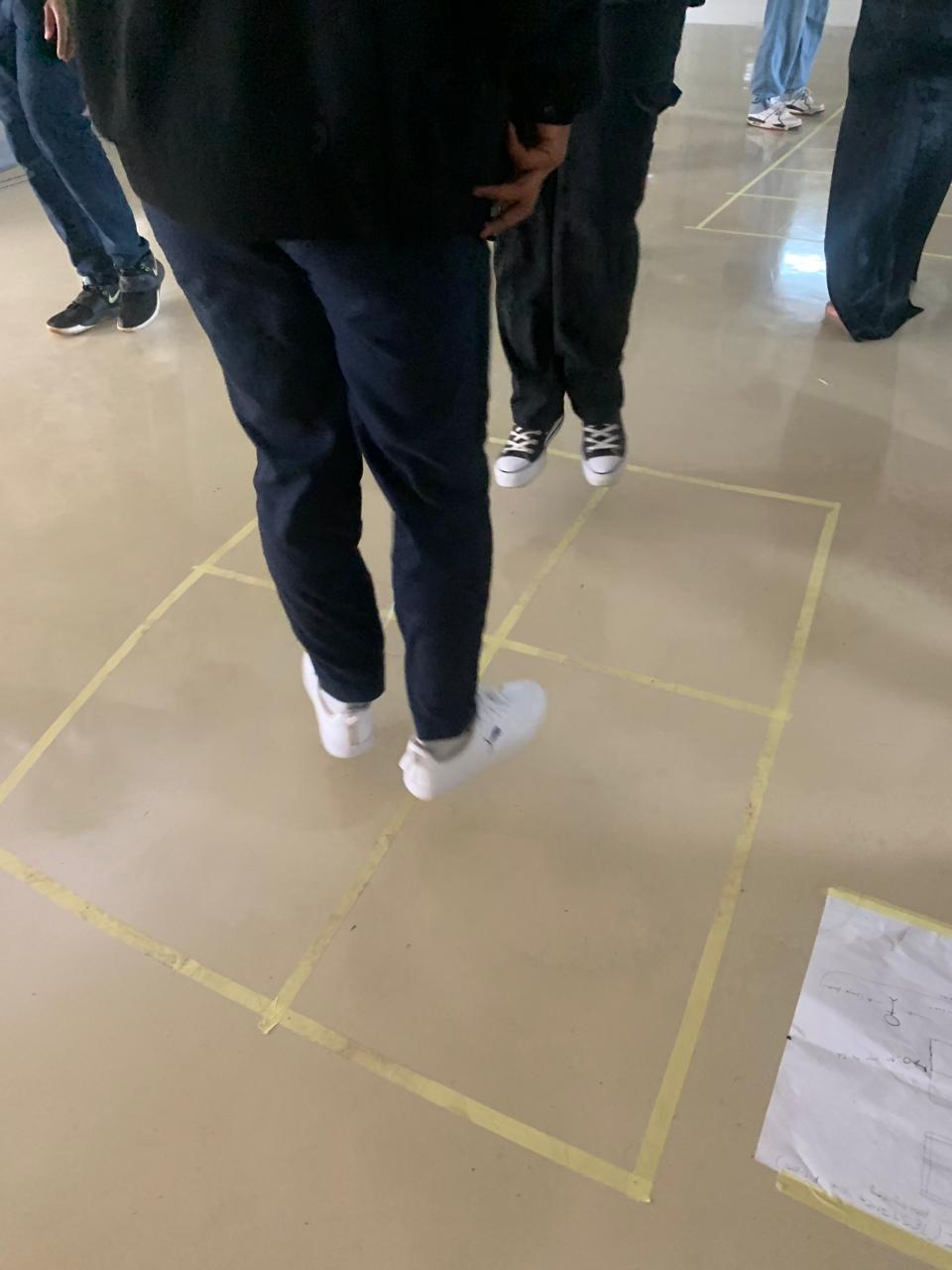
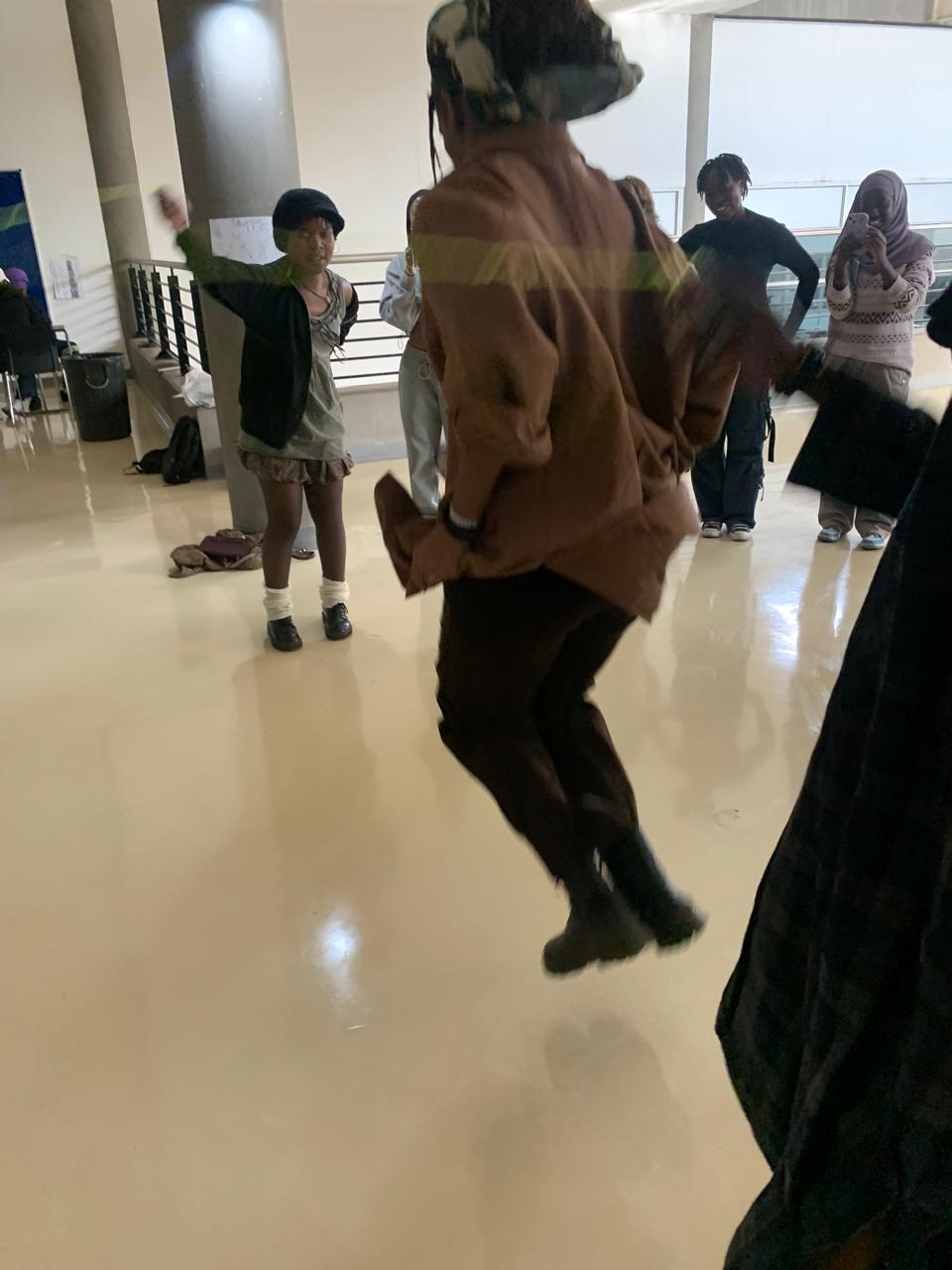
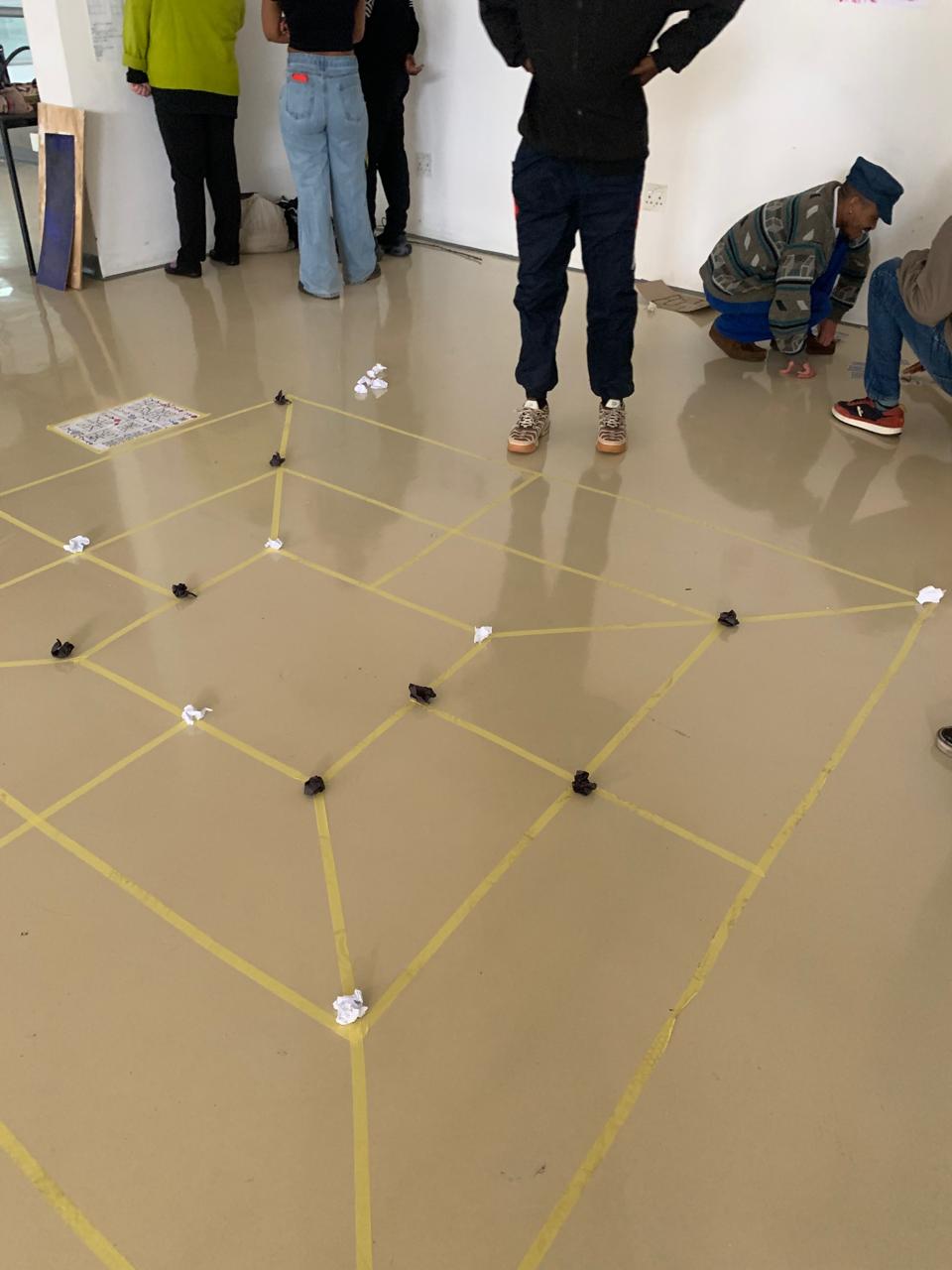
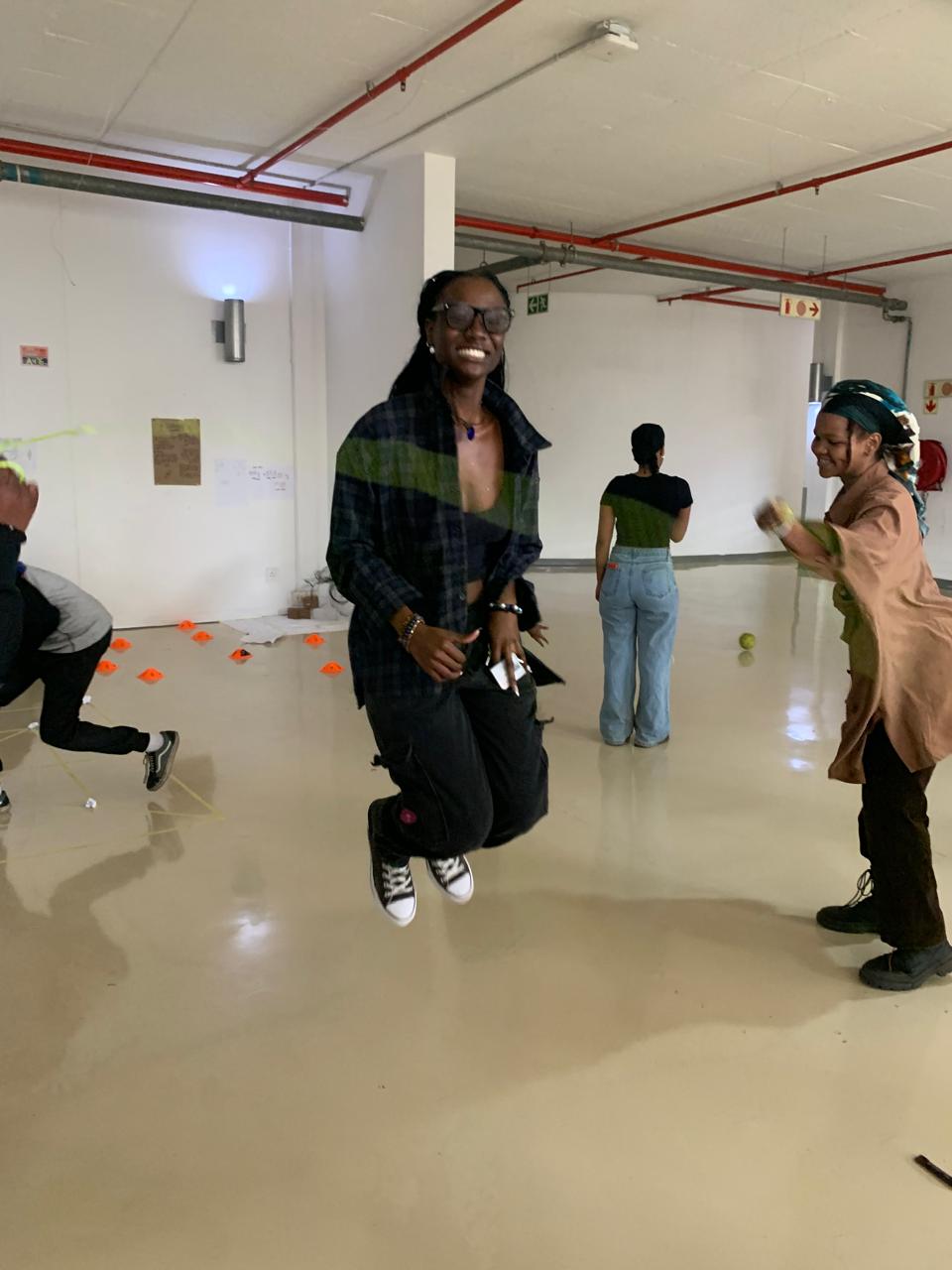
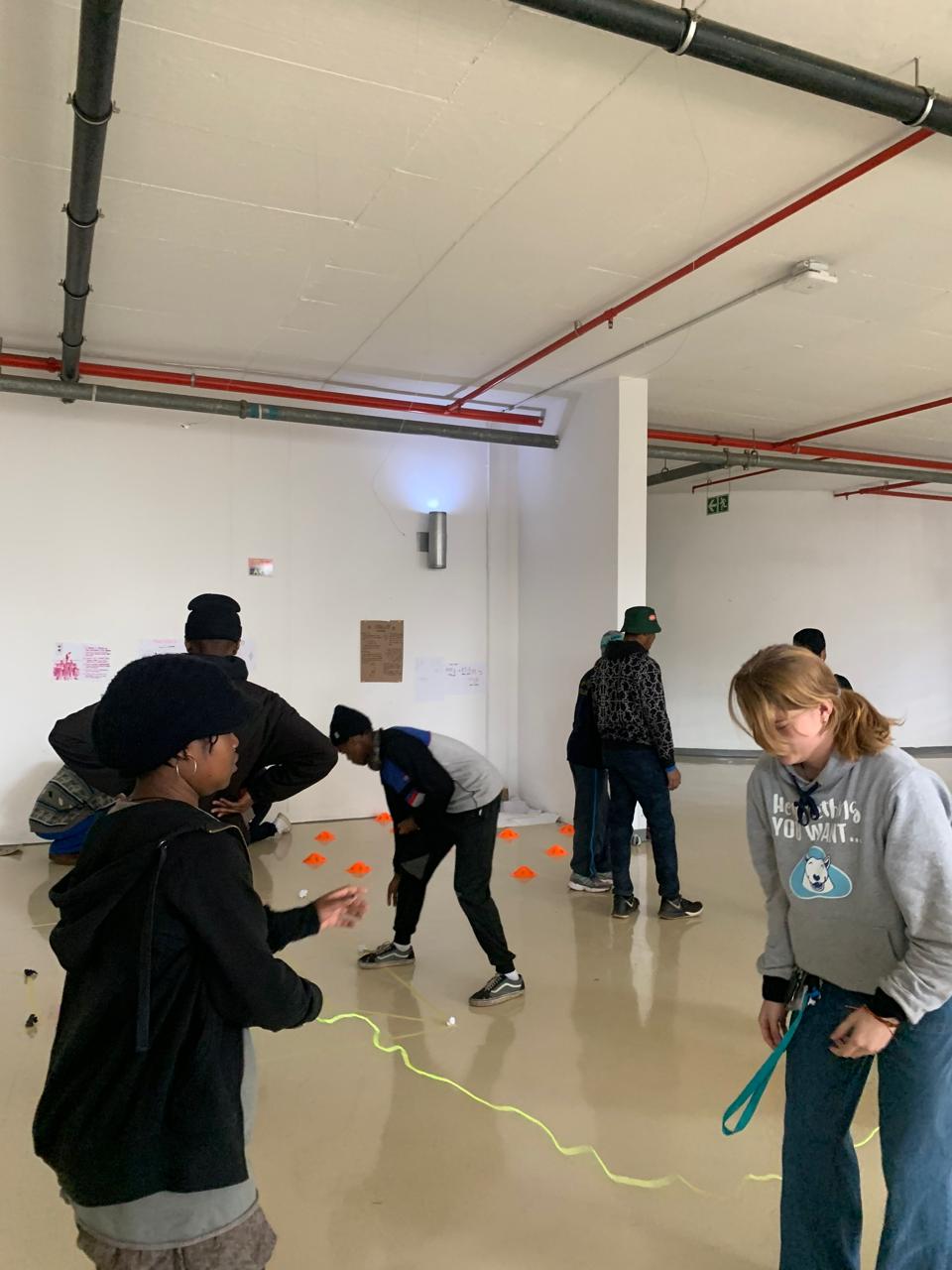
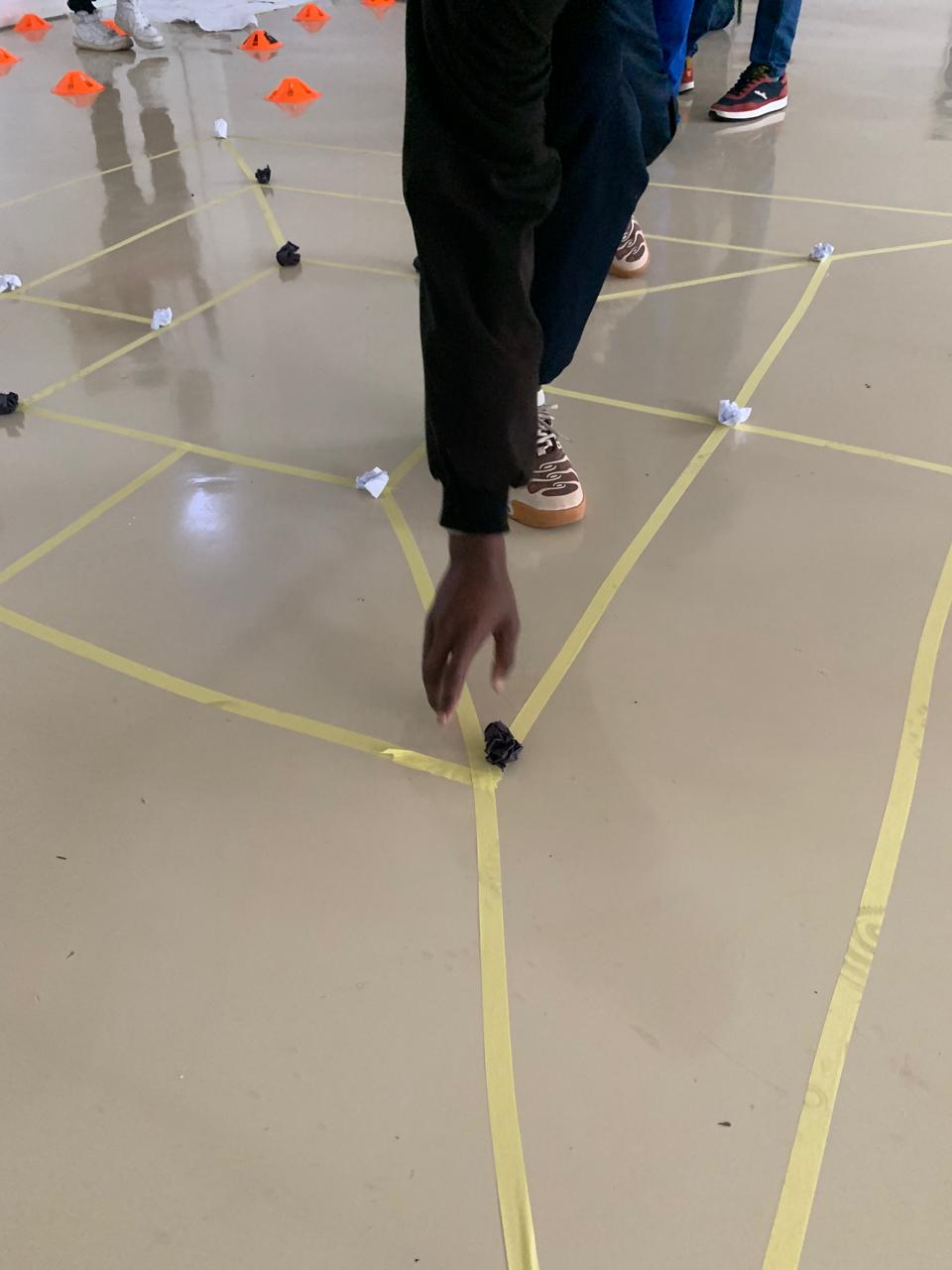
Always looking for novel and generative ways to explore shared and diverse cultural practices, Prof. Alison Kearney (JHB) collaborated with Ms. Tina Keck (Munich) and Dr Michaela Almog (Munich) to initiate an international Game Exchange between our students. Each of us asked our students to reflect on the games they played with other kids when they were young. Participating students were asked to draw the instructions for their games. We then shared all the instructions for the games across institutions. This was followed by a day of playing each other’s’ games. The event was great fun, and an opportunity for students to learn about each other, and shared cultural practices across continents. We learnt that the games we played reveal a lot about the prominent socio-cultural ideas of the time. The materials used to play the games showed how innovative and inventive kids are- even when all they have, to play with, are sticks and stones. We found more connections amongst us then differences, and discovered that culture is lived, and played. These are images of students in Johannesburg playing their games.
Pedagogical Strategies for Fostering Belonging and Social Cohesion
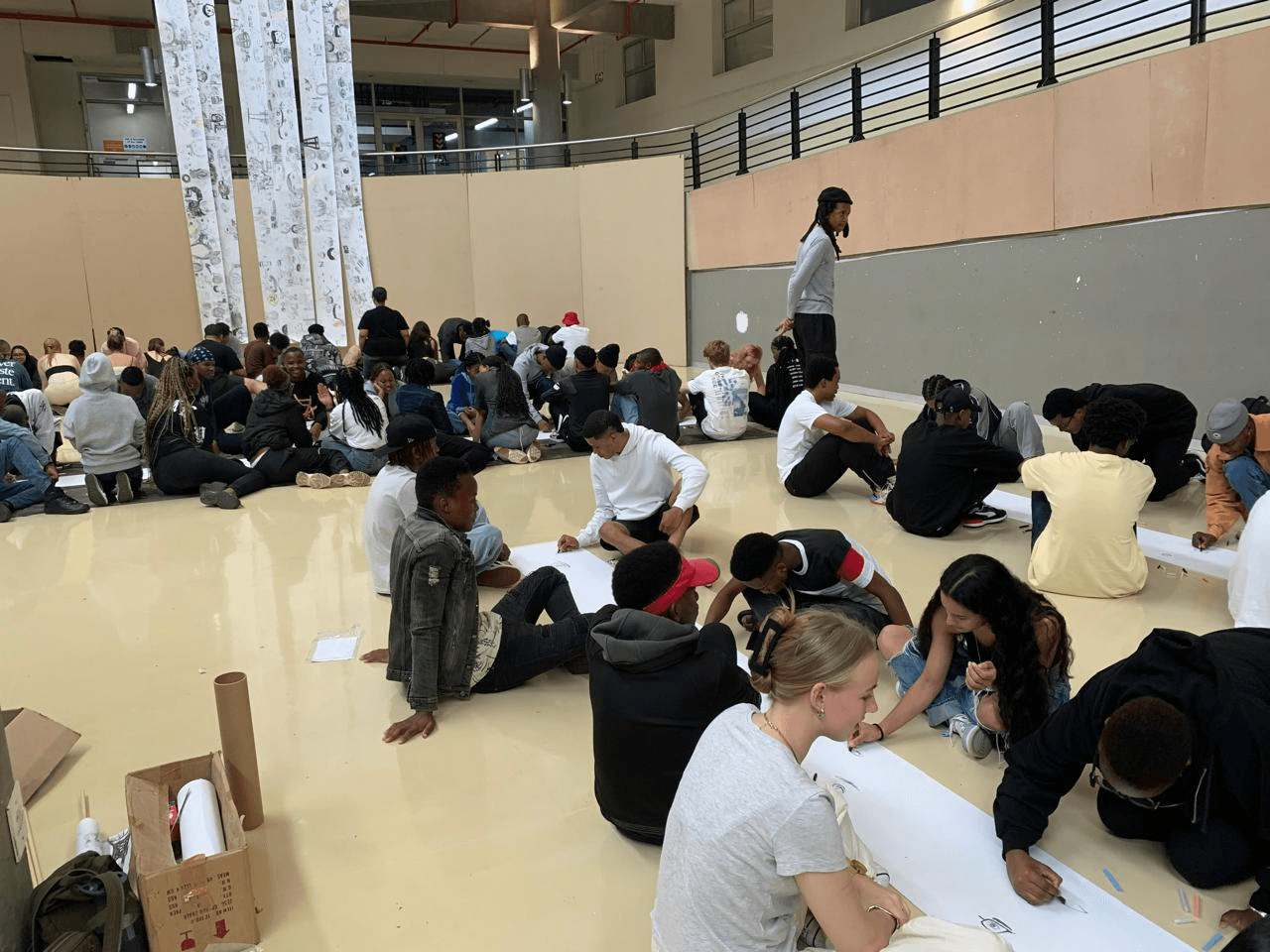
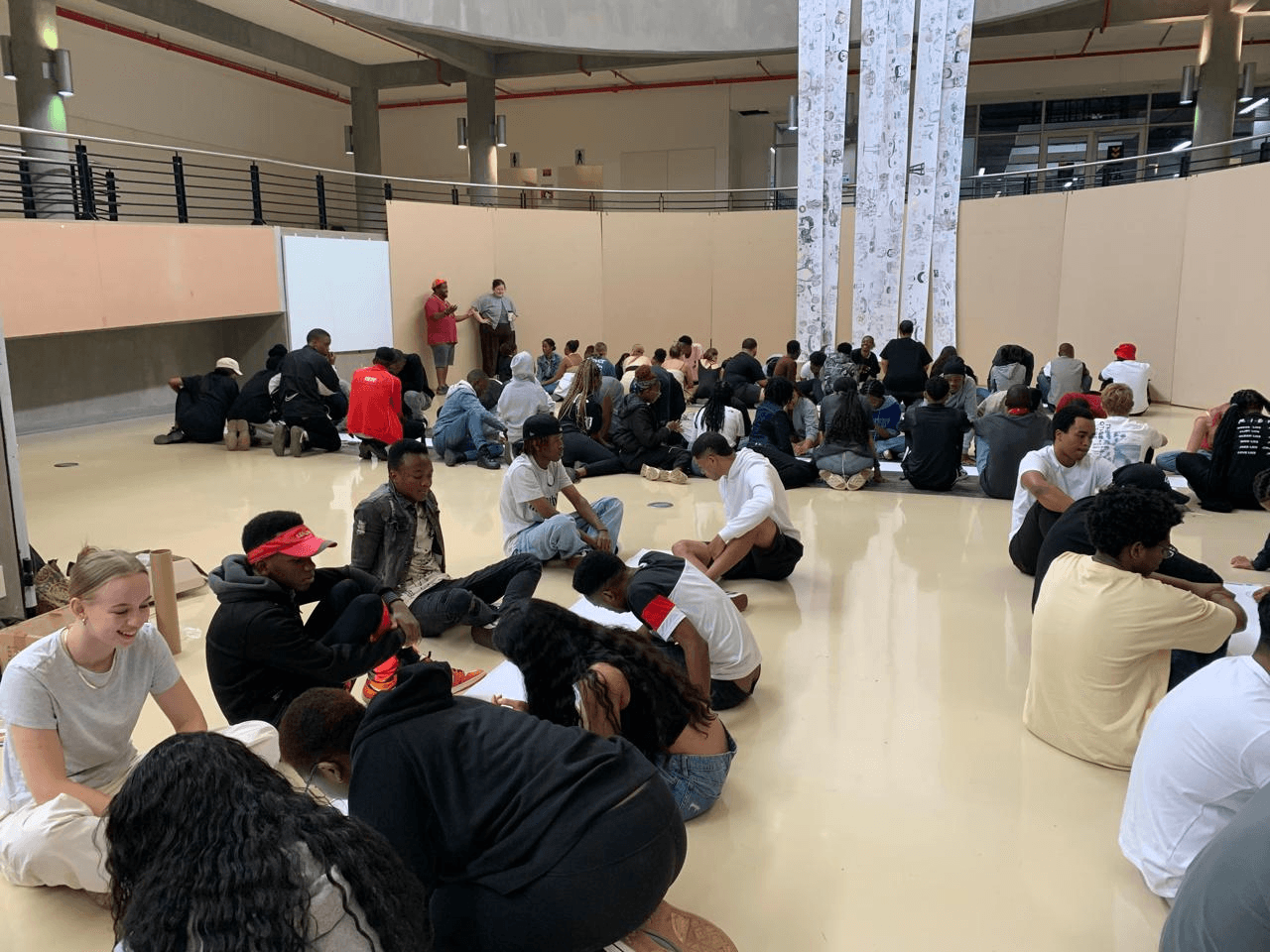
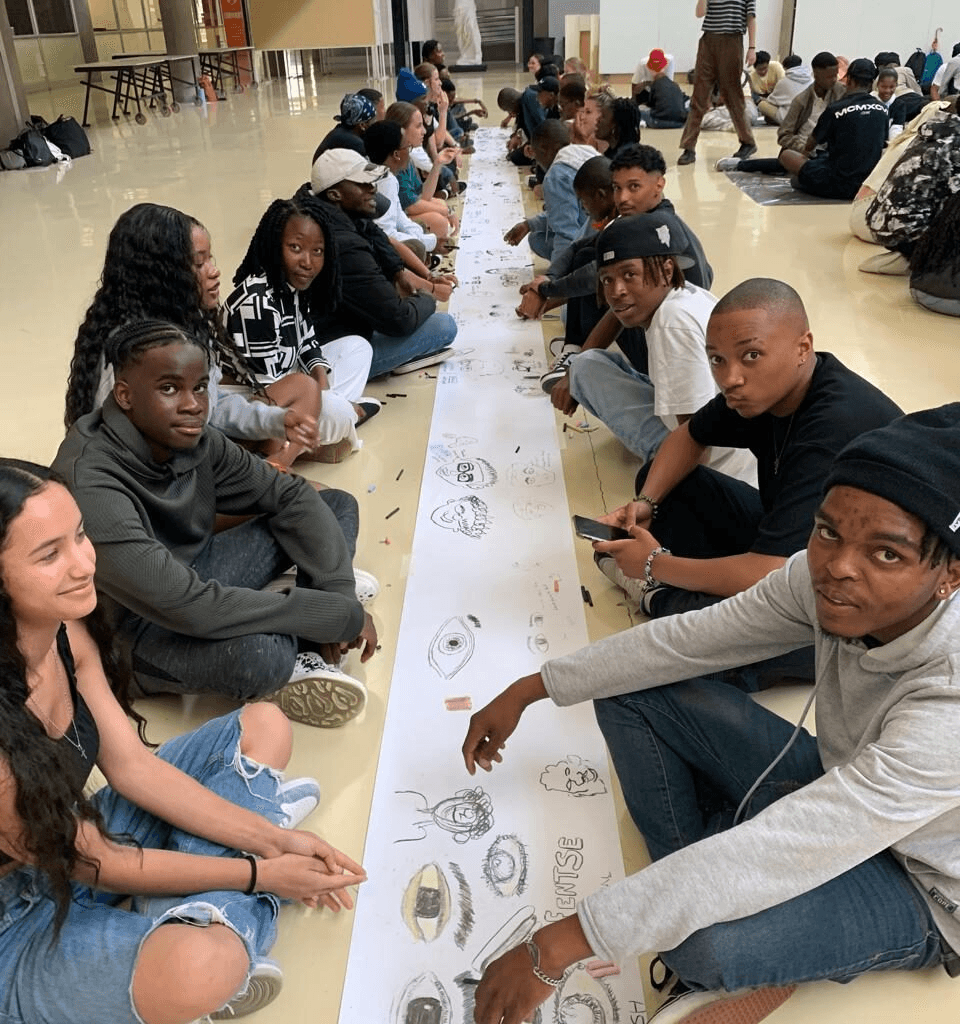
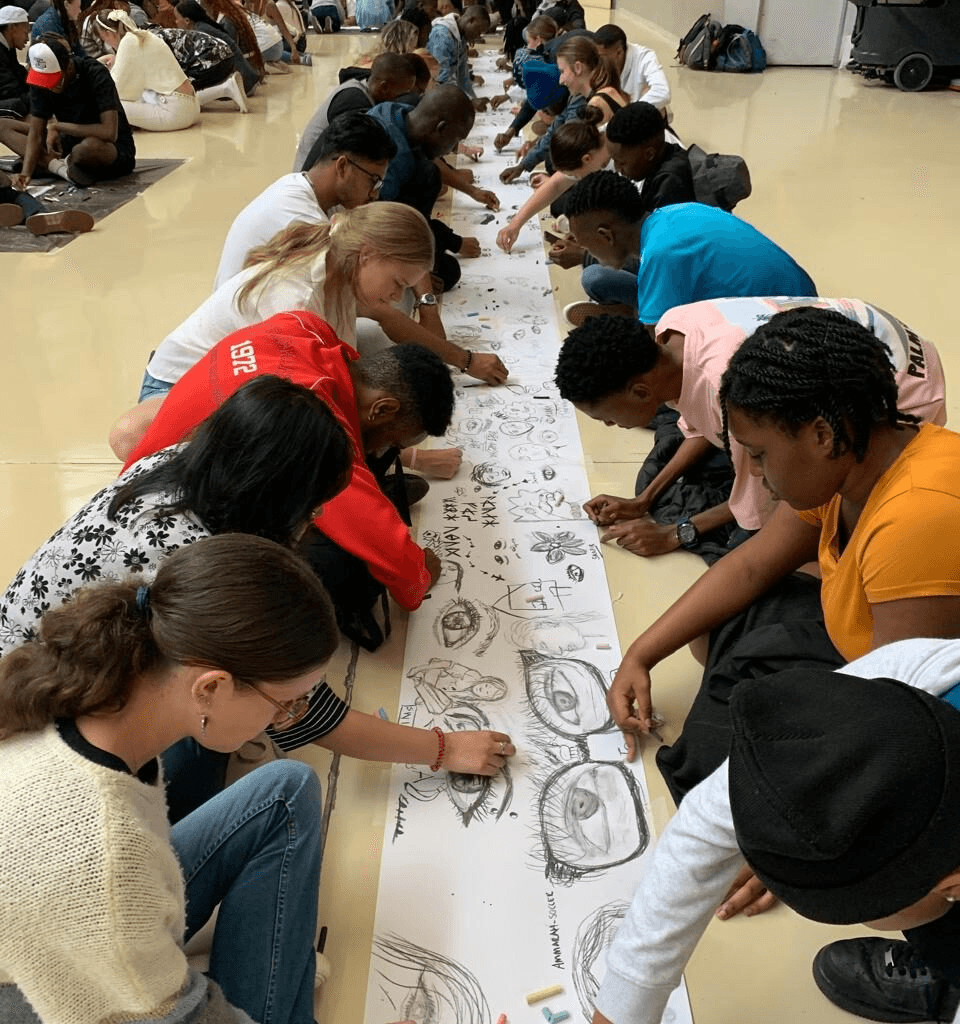
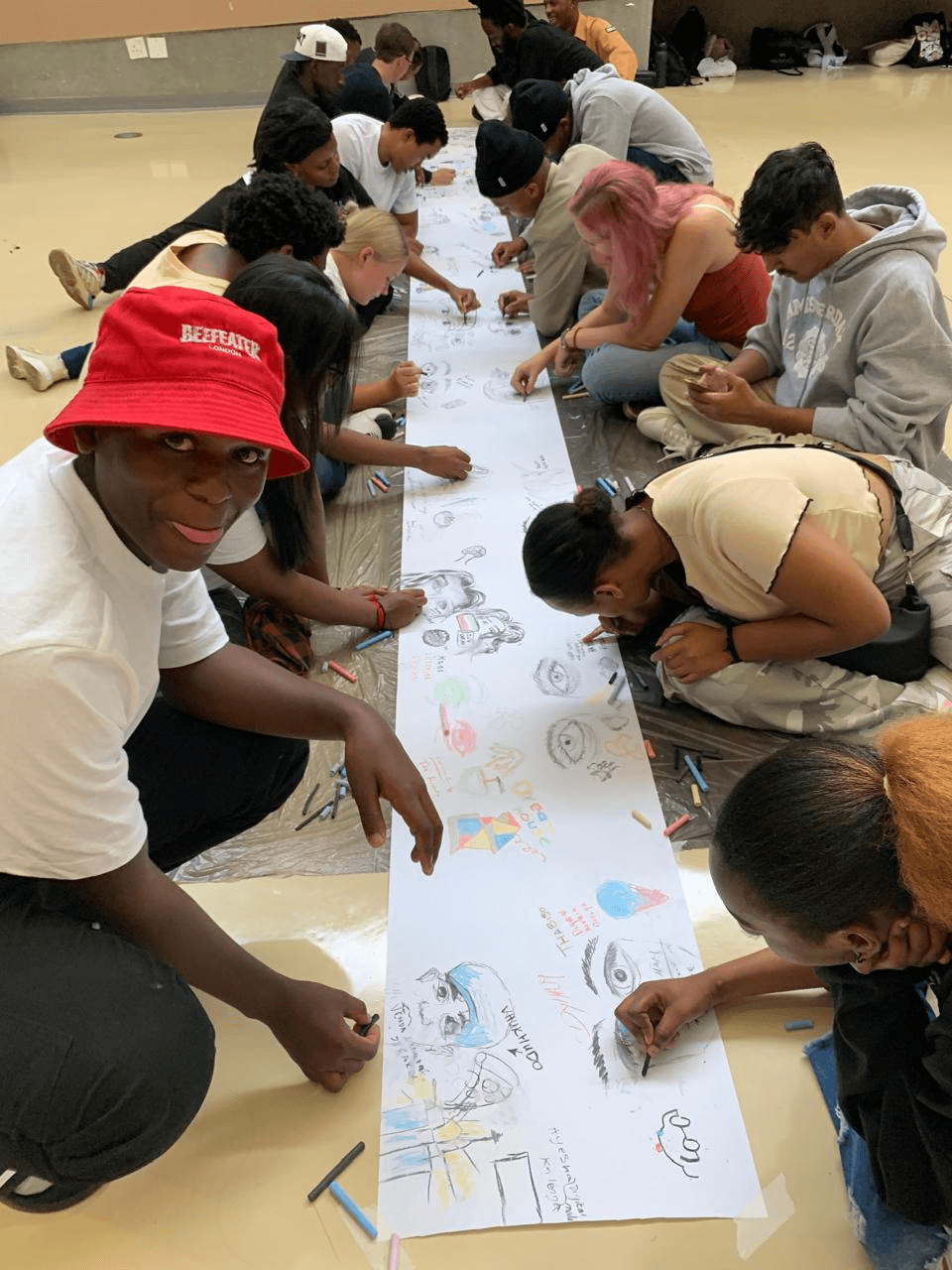
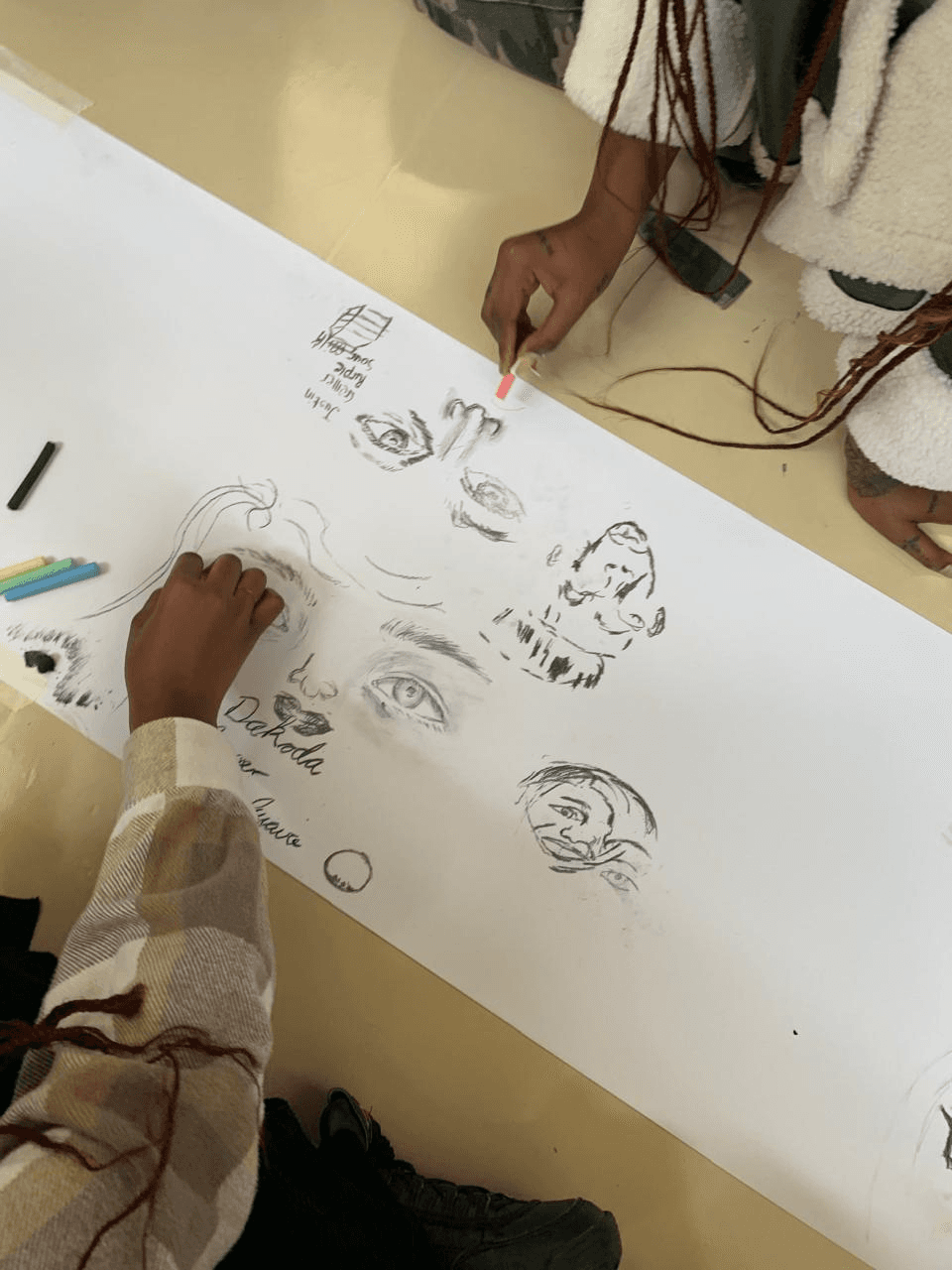
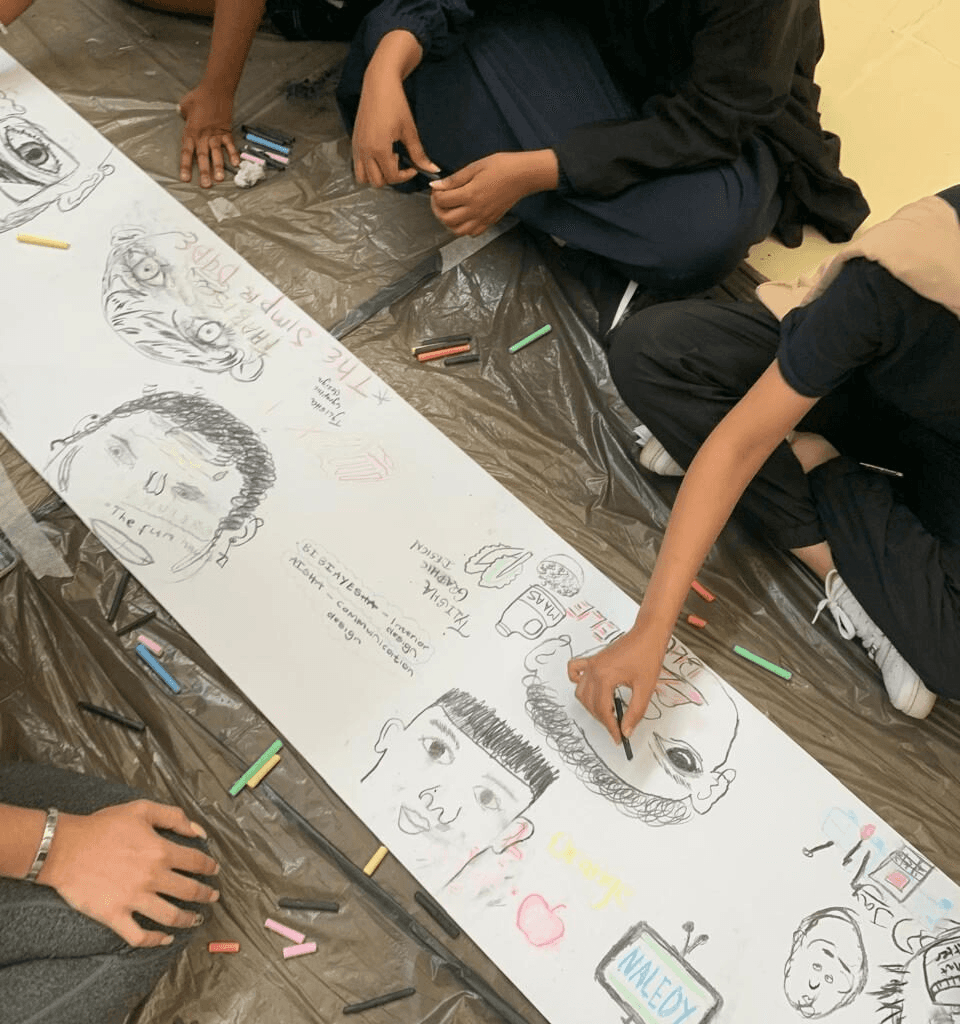
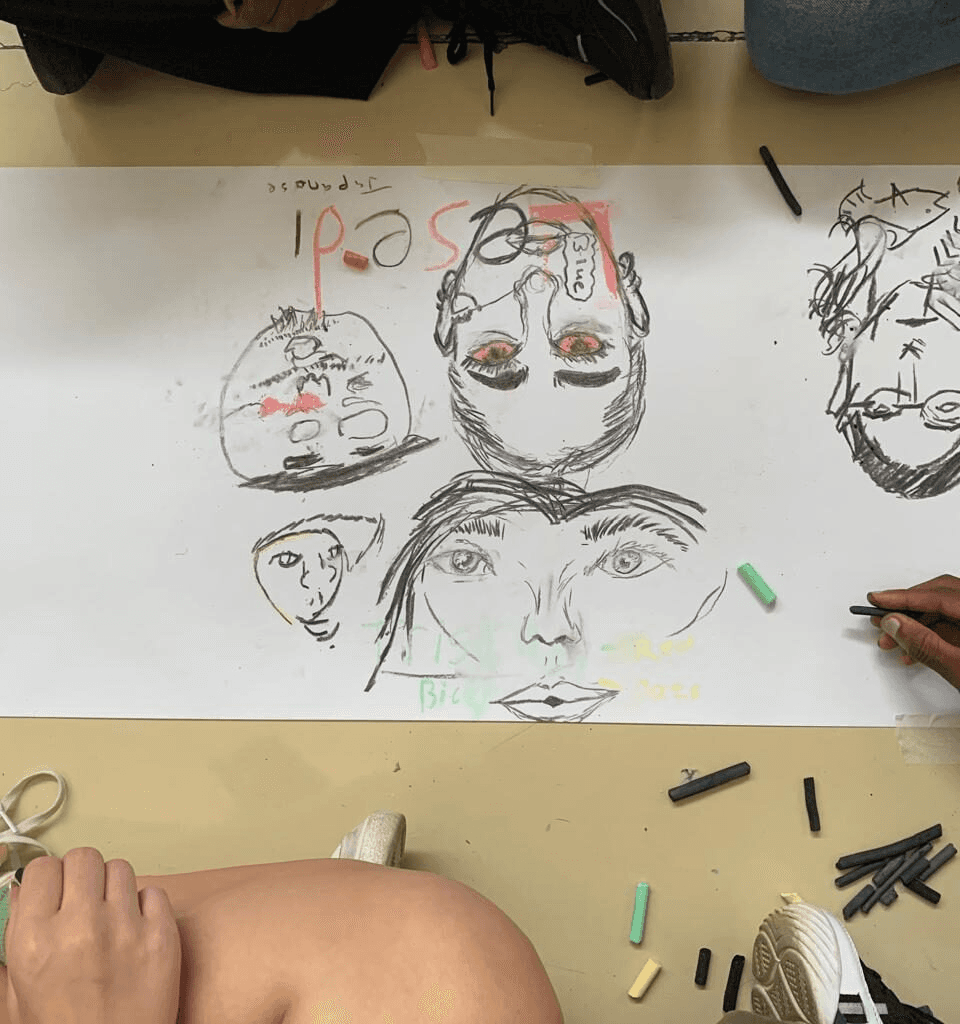
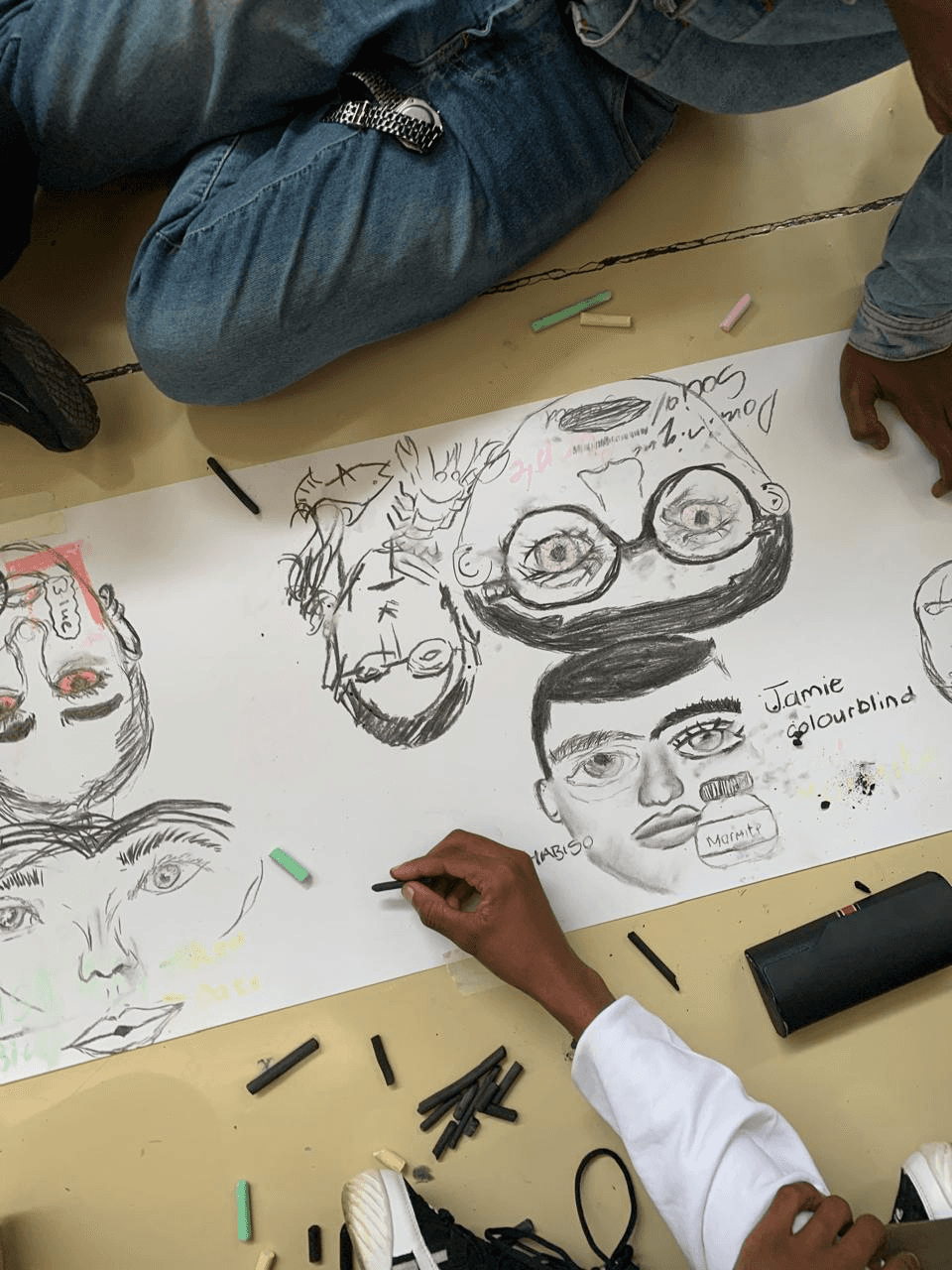
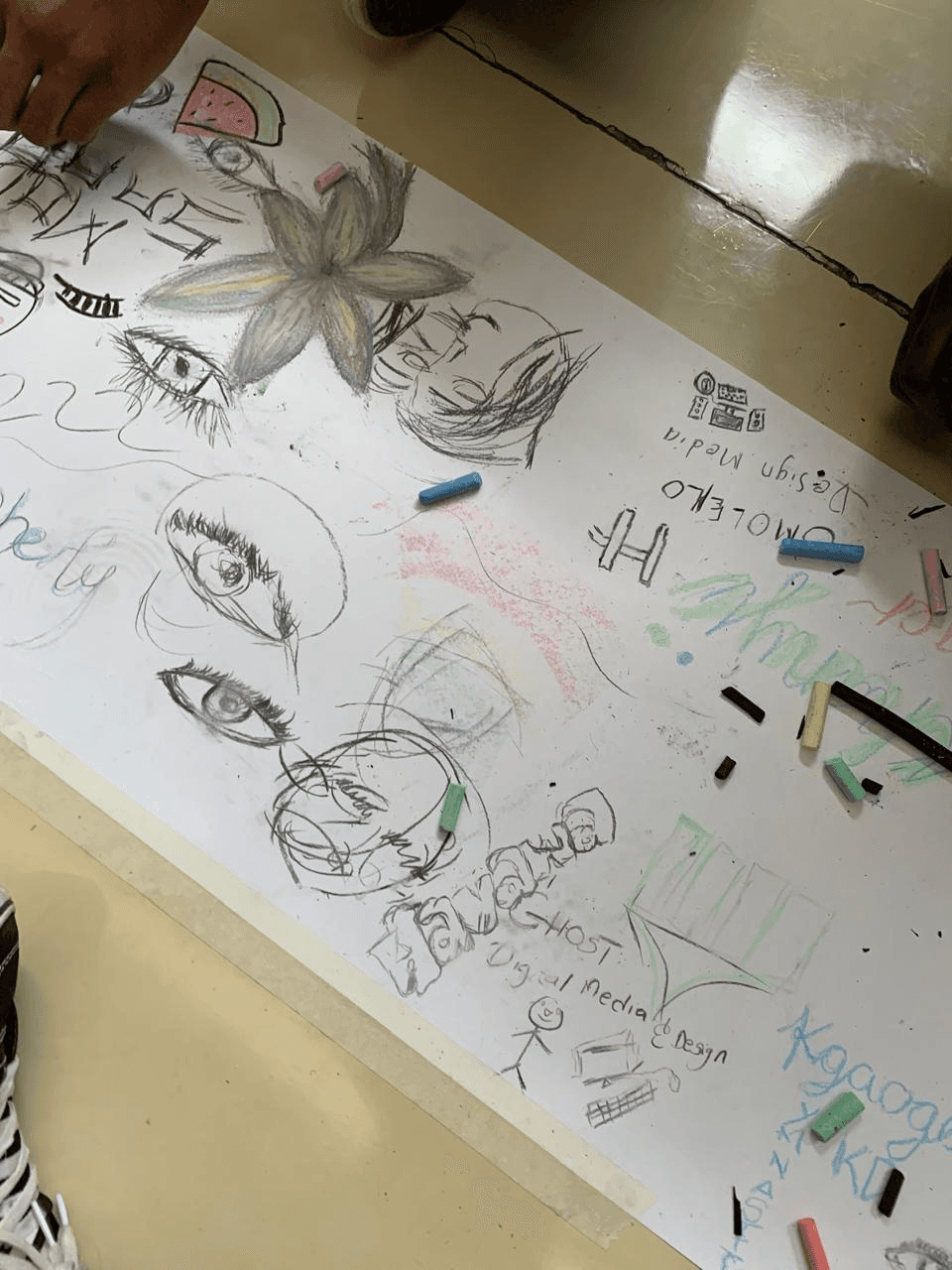
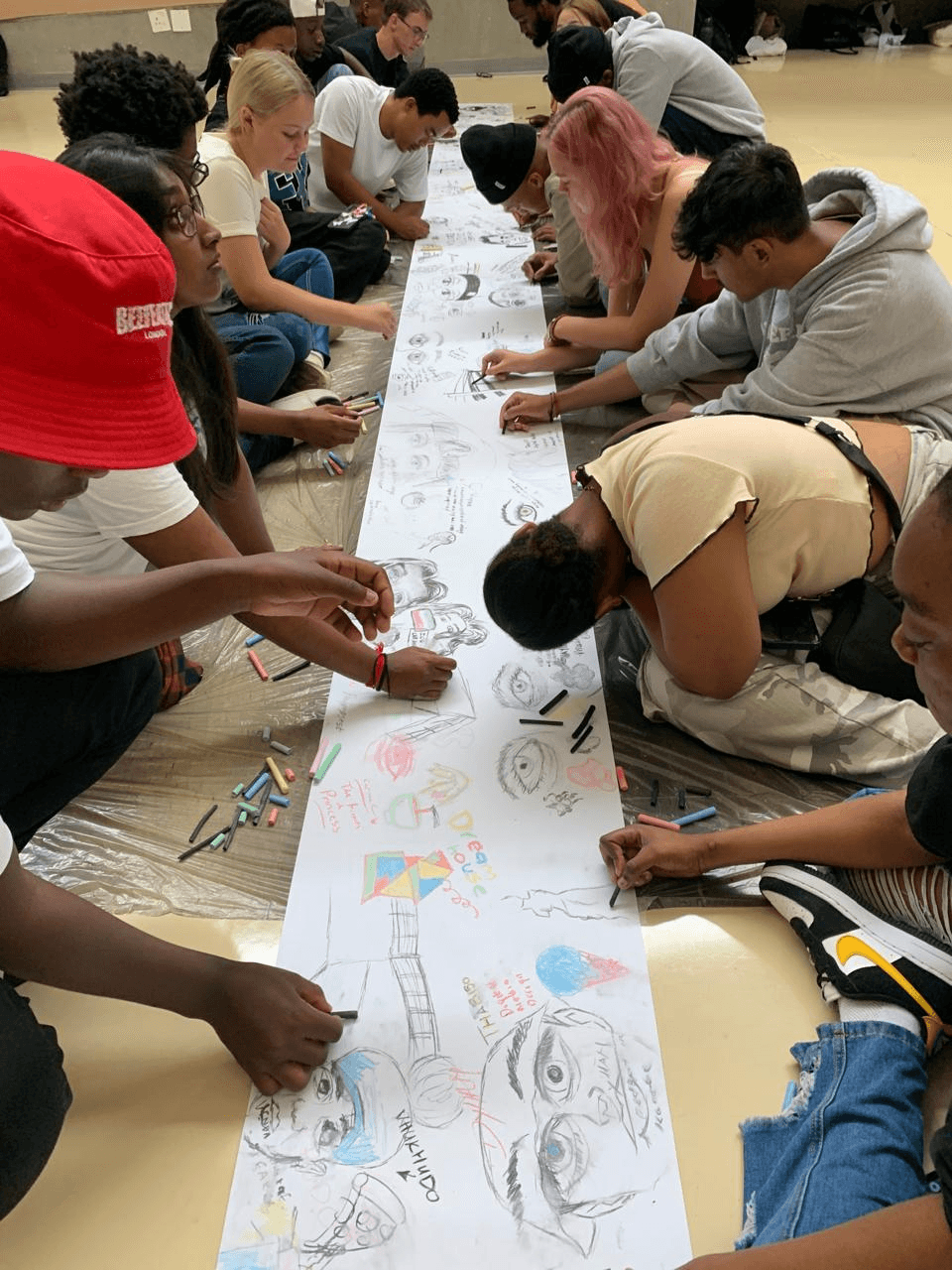
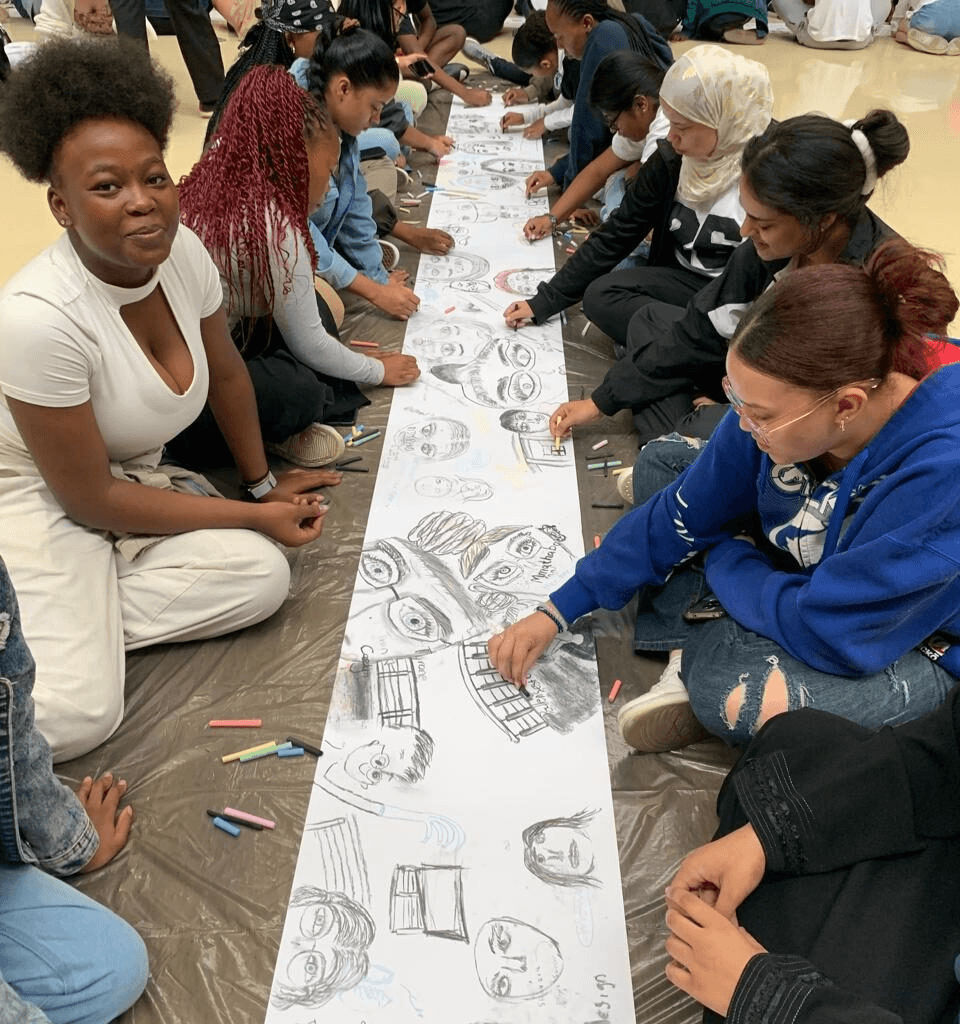
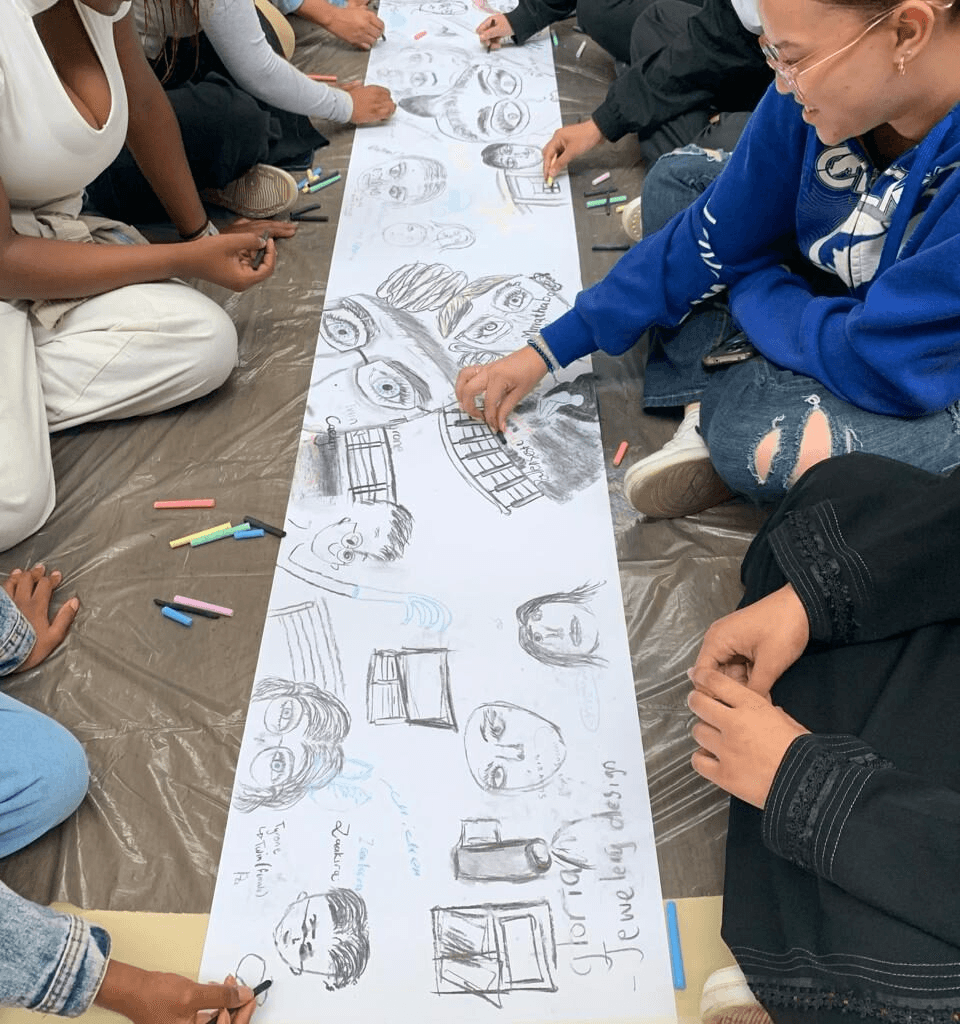
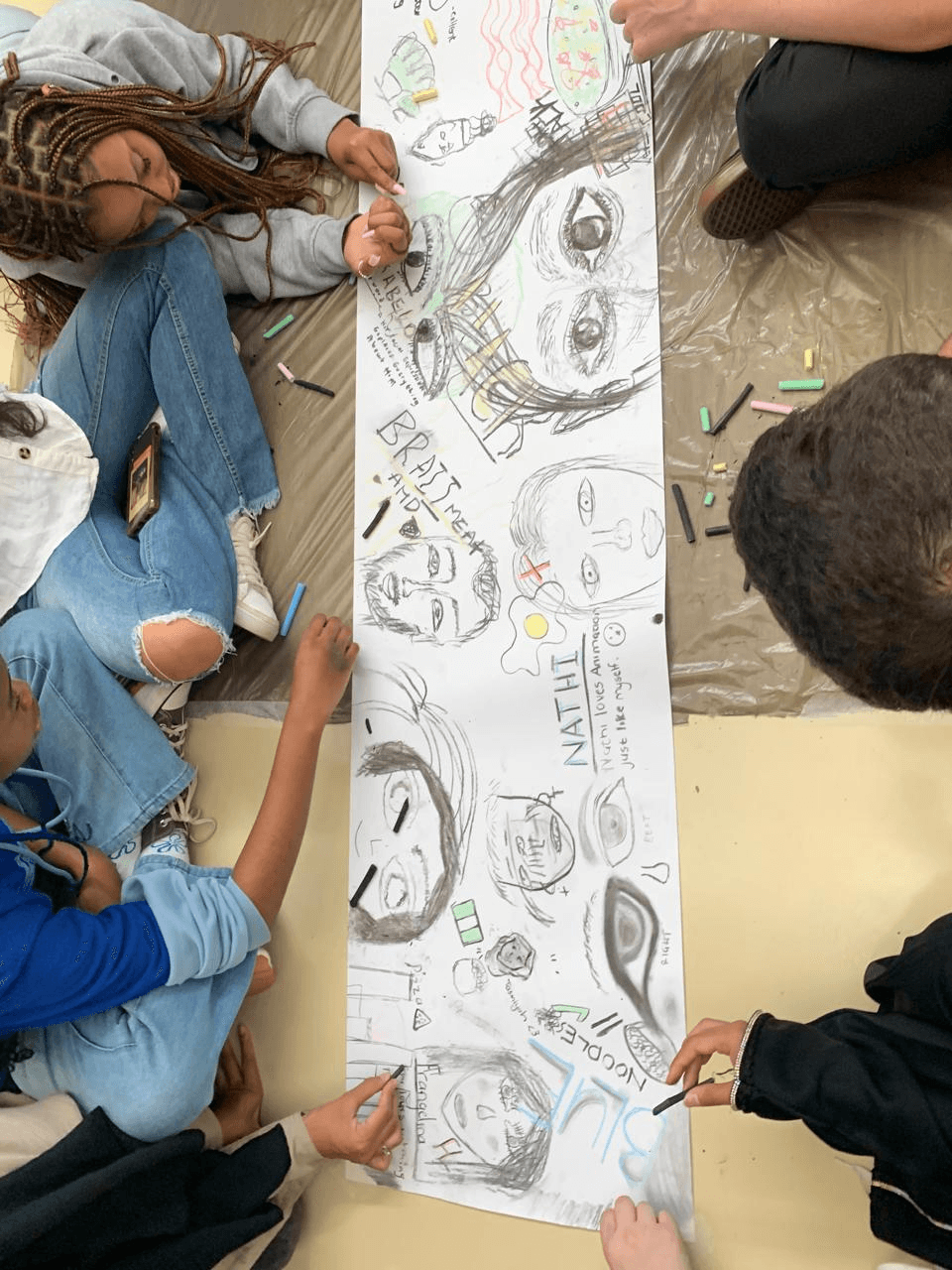
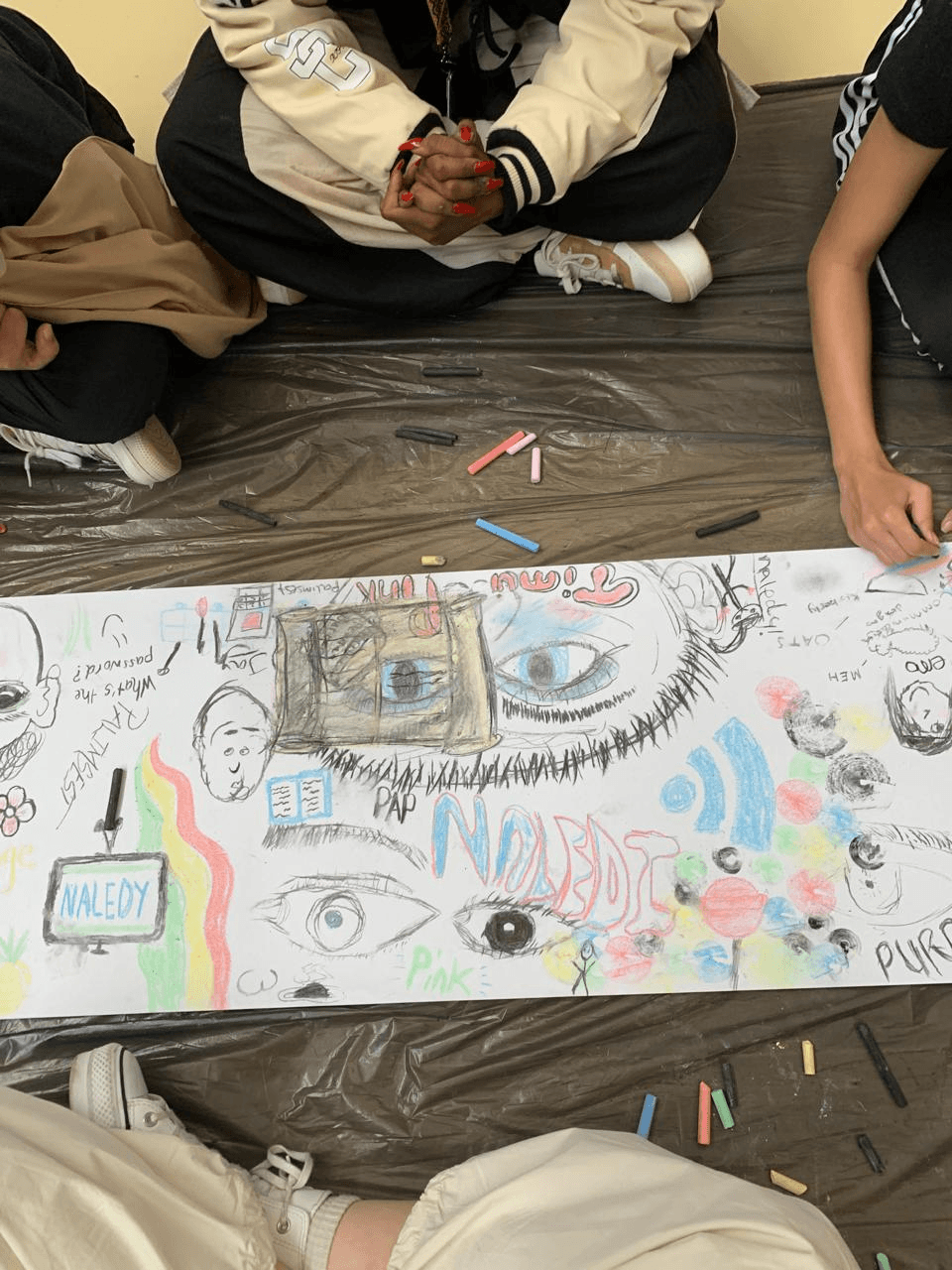
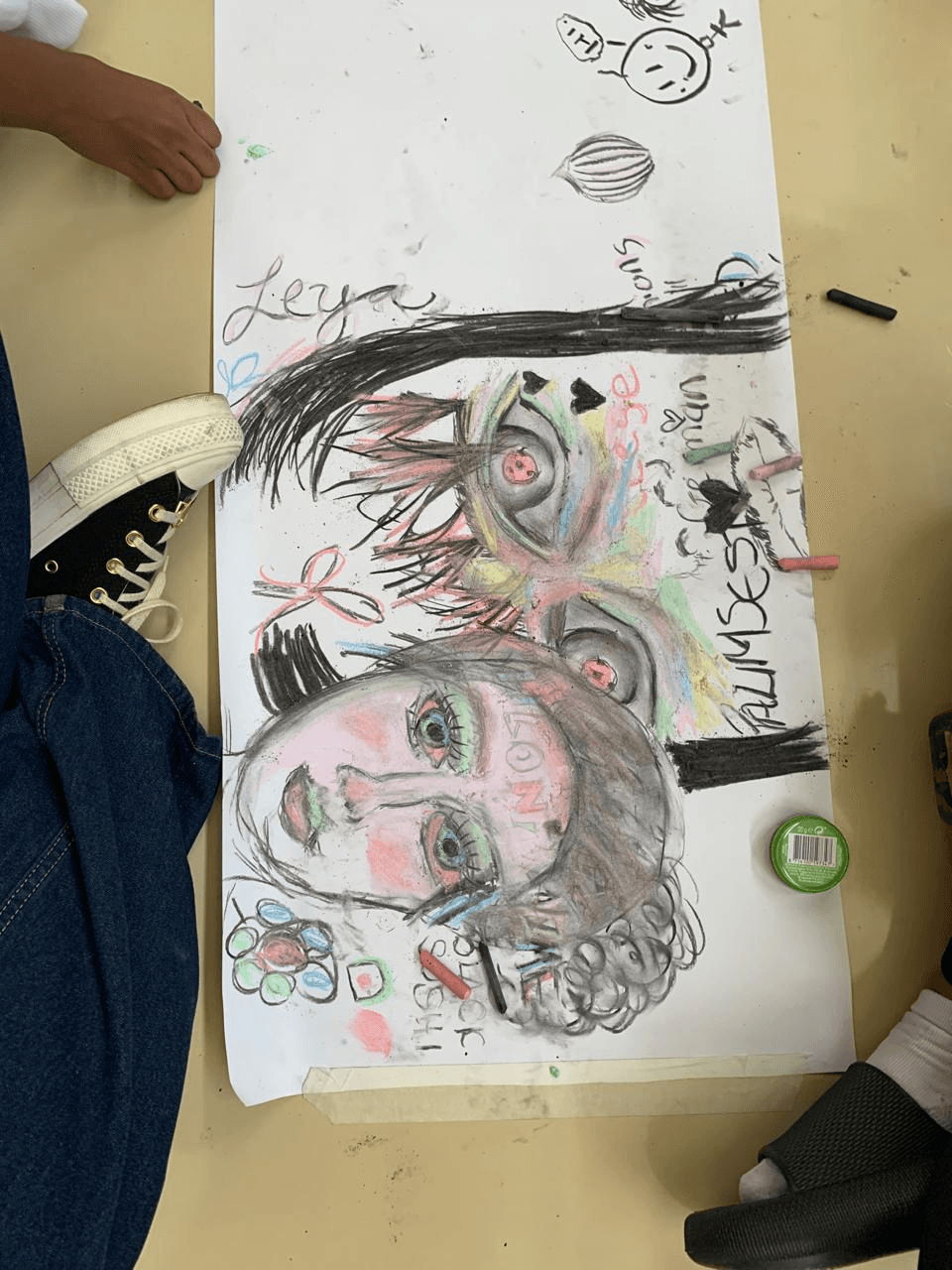
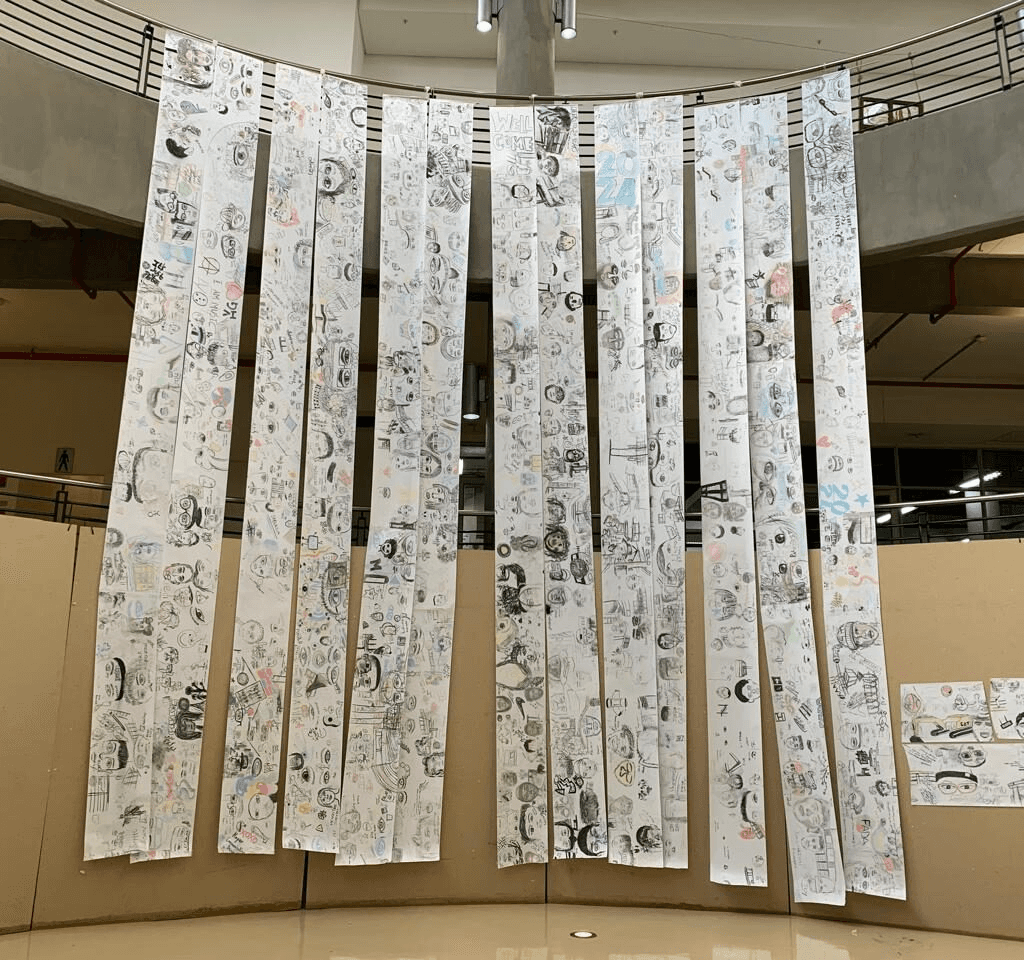
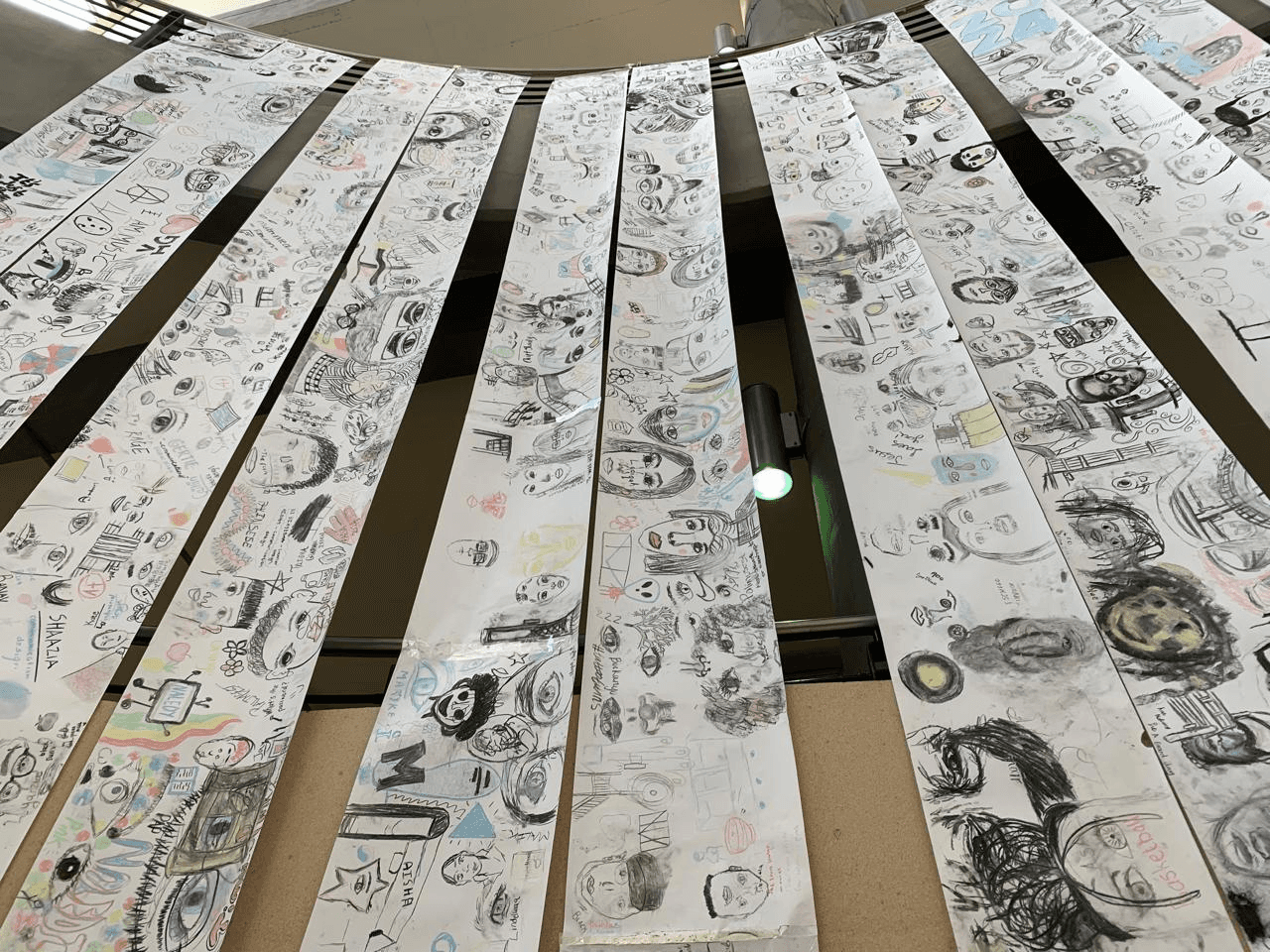
Teaching in an SA HEI brings with it particular challenges for first year students, many of whom are “the first in their families” to come to university, come from impoverished environments where all the resources are spent on getting the registration fees, and may not be equipped with the fiscal and social capital to thrive (or even be) at university (Nkambule, 2014). These socio-cultural and socio-economic constraints may present barriers to ontological and social access, compounding the inevitable challenges with epistemological access (Morrow, 2009) that most students experience especially in the transition from school to university. The majority of first year students thus often feel lonely, anxious, and lack a sense of belonging, often exacerbated by lack of help seeking behaviour and a reluctance to disclose their feelings with mentors or their peers whom they do not yet know. To alleviate some of these stressors, a first-year orientation drawing workshop was developed and facilitated to induct cross disciplinary first year students into a faculty of art and design at a South African university. The intention of the workshop was to create a safe space where first year students could meet and bond with each other and connect through overcoming a relevant challenge together. In this paper we present the conceptualisation and enactment of the workshop as a case study of an arts based pedagogical strategy for fostering belonging.
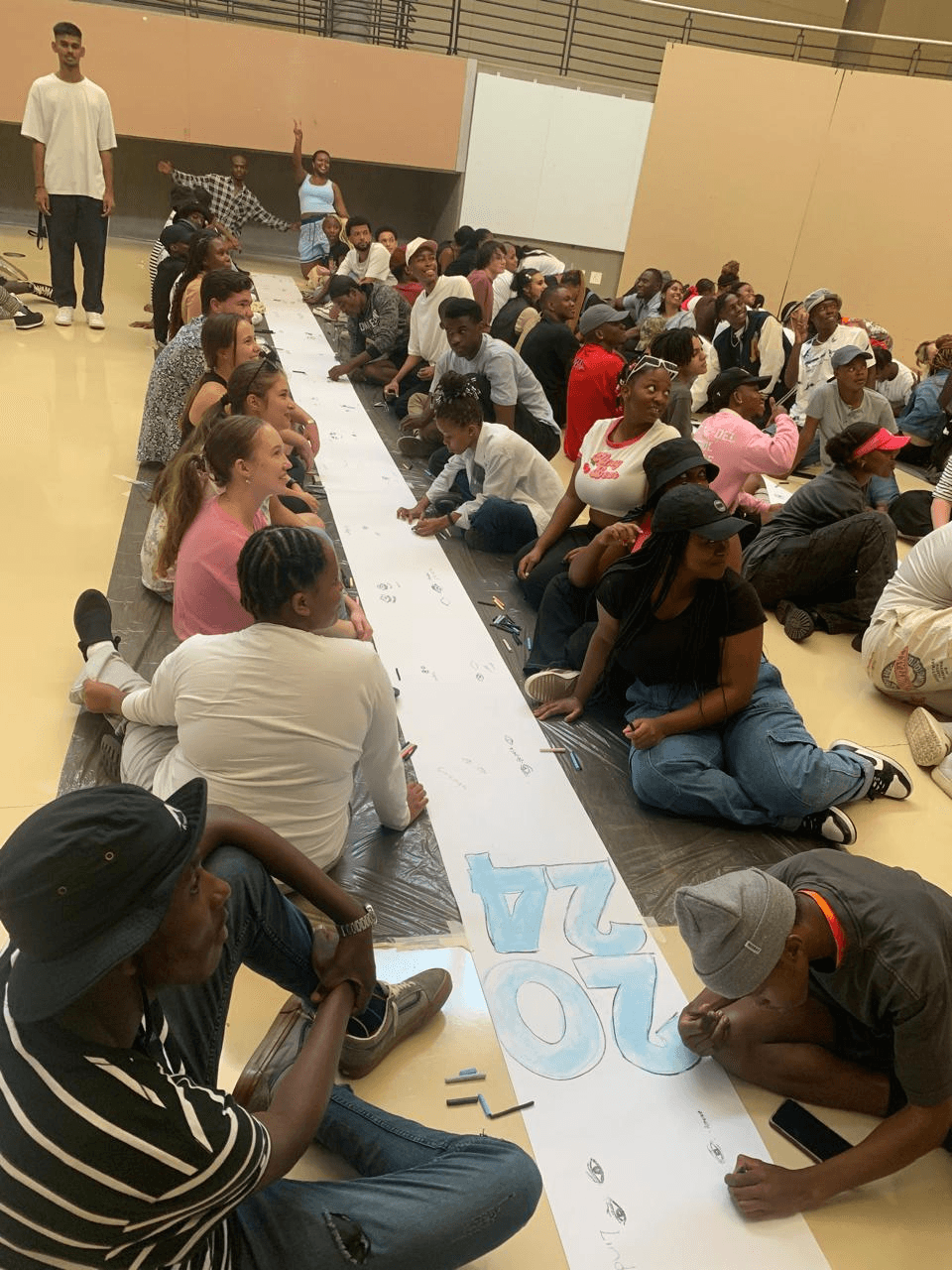
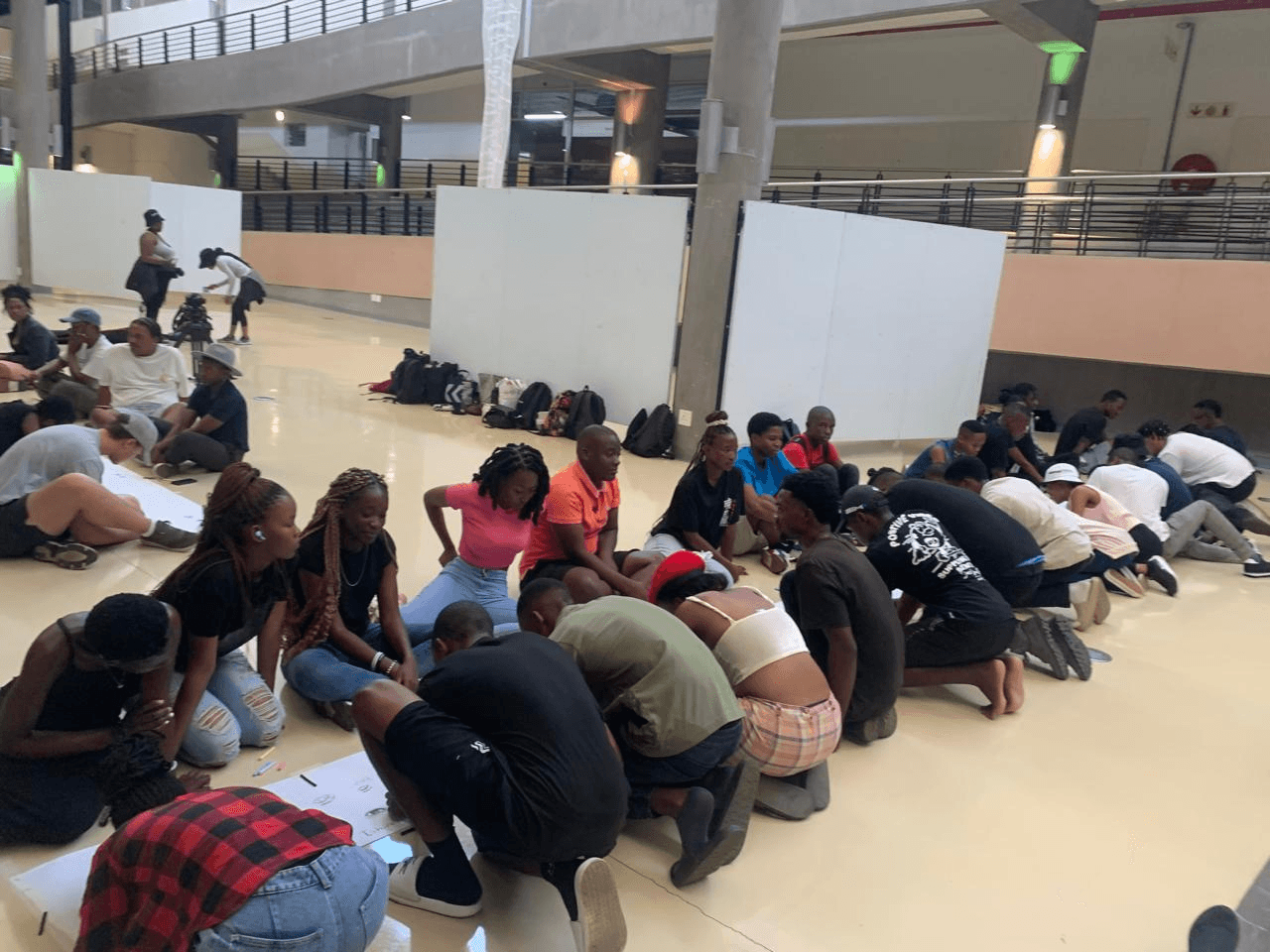
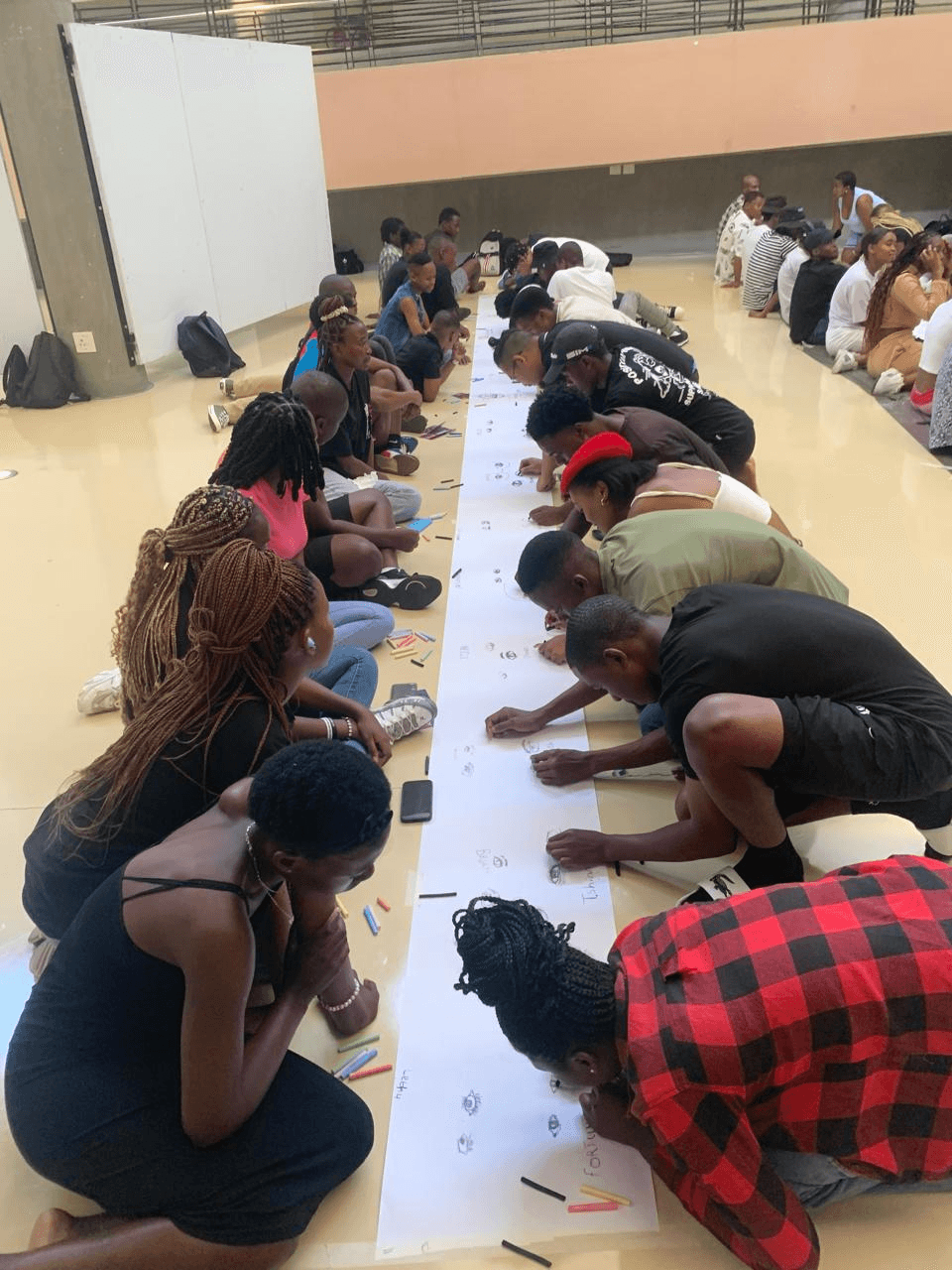
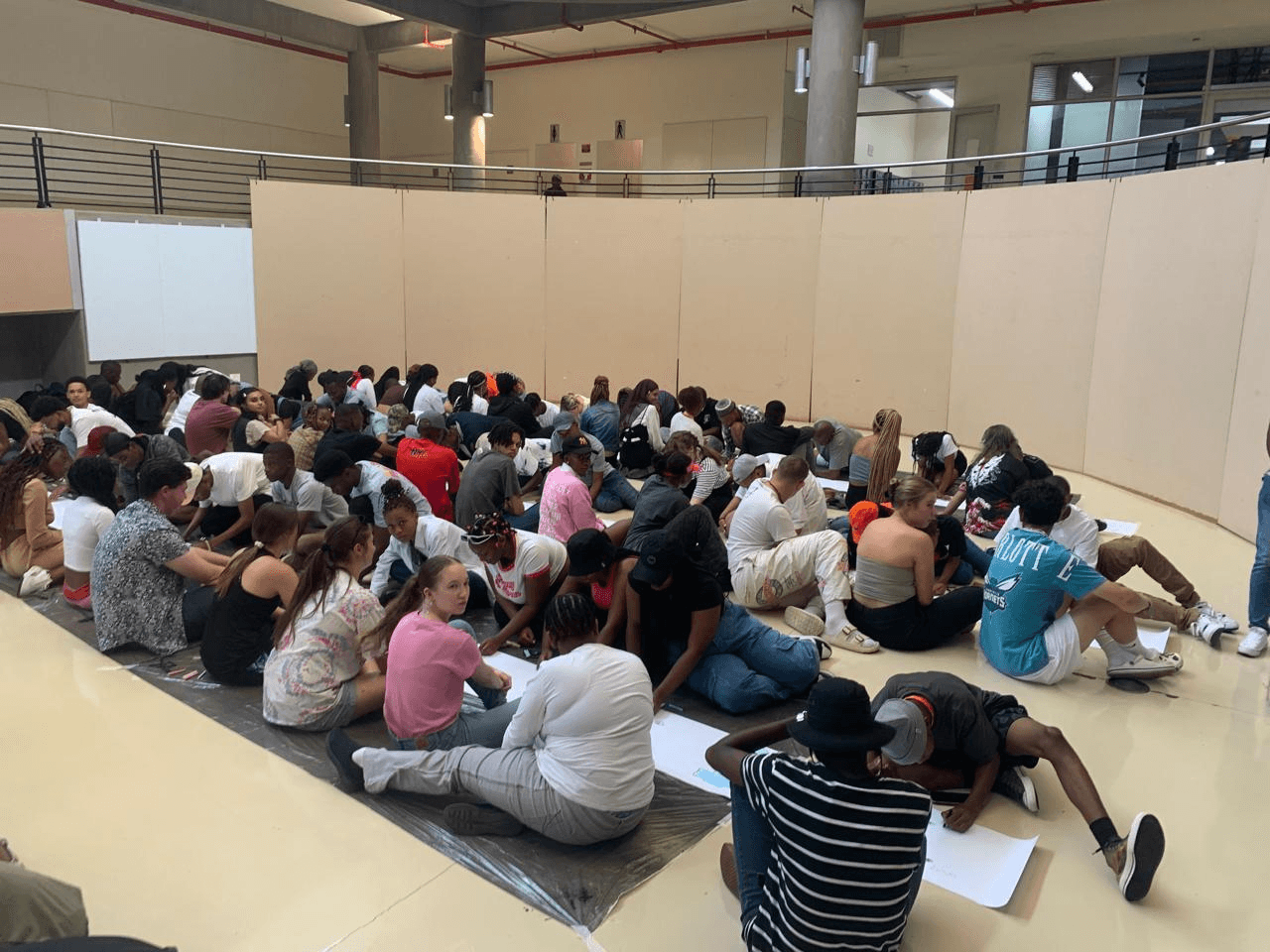
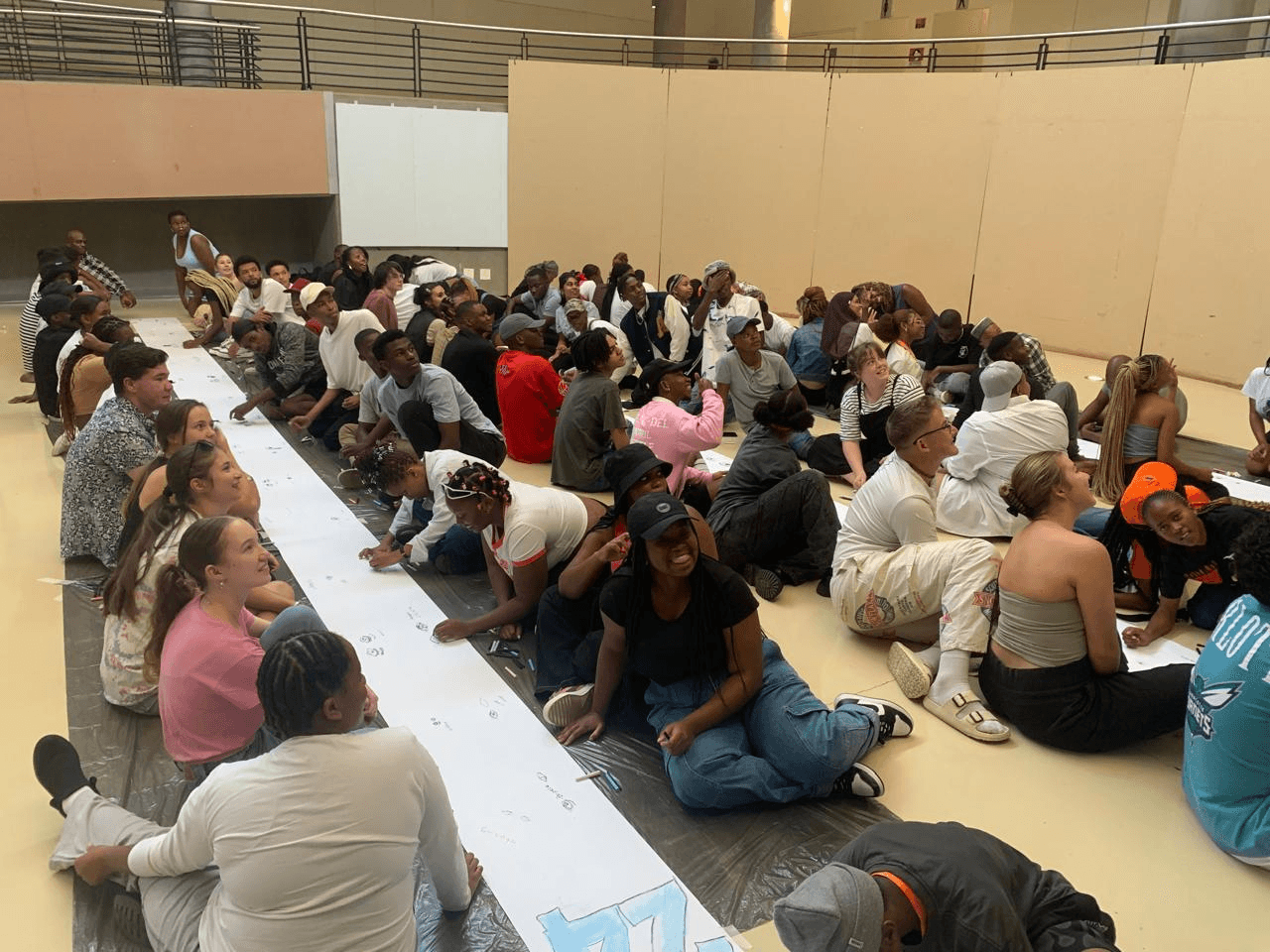
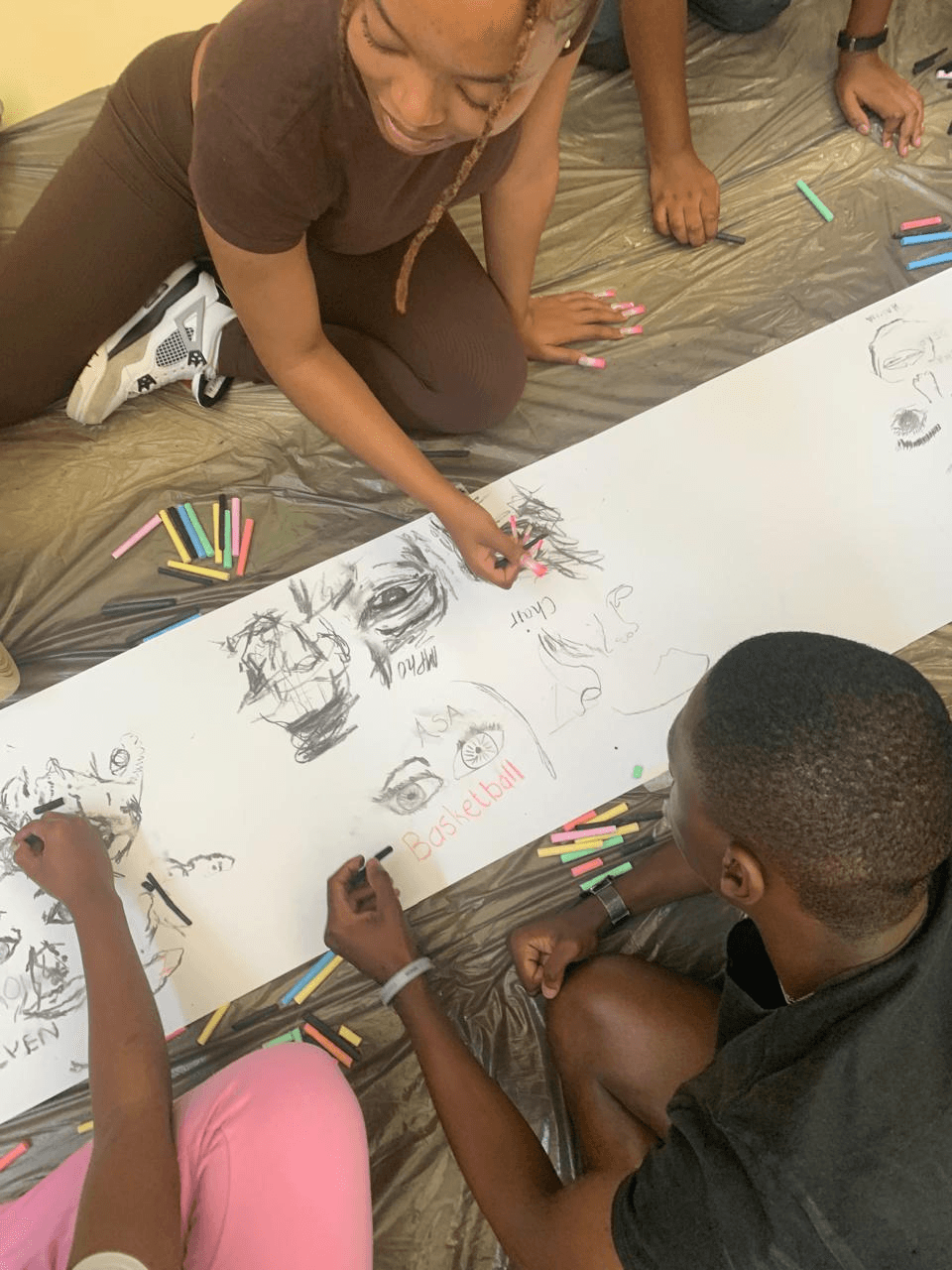
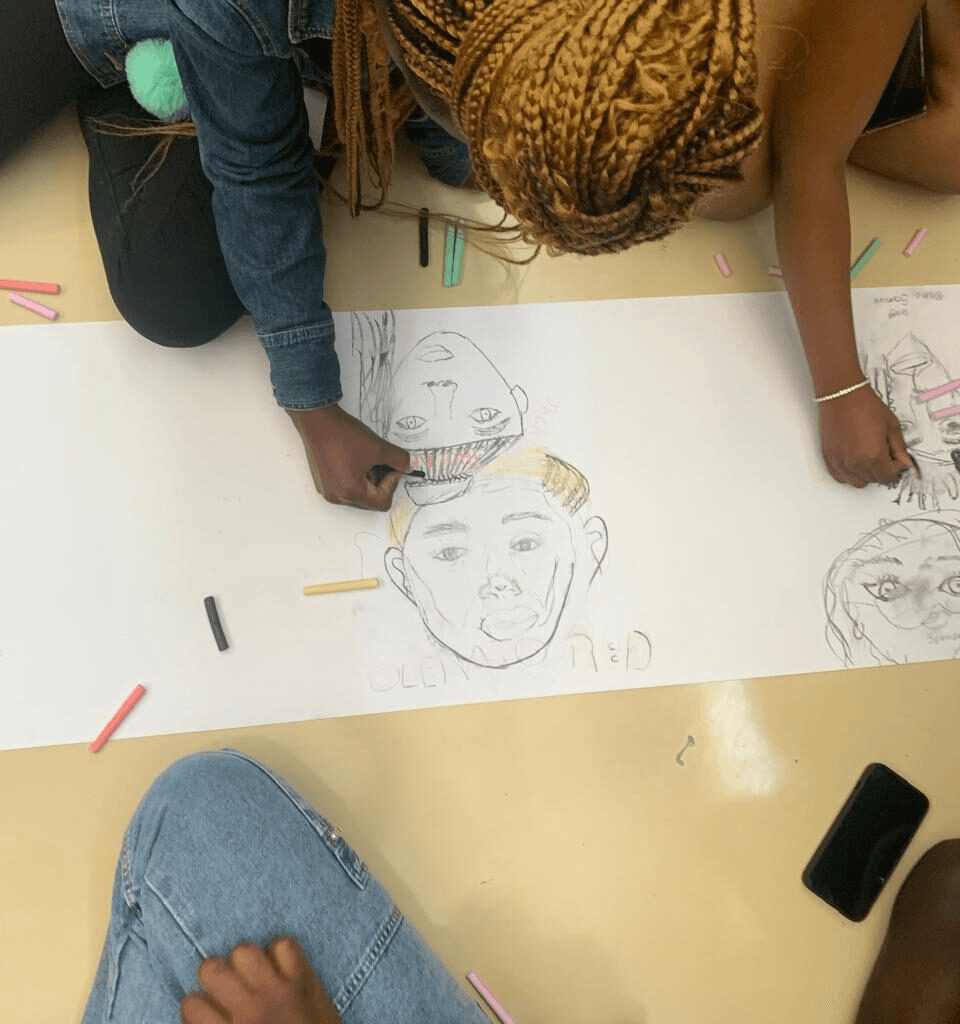
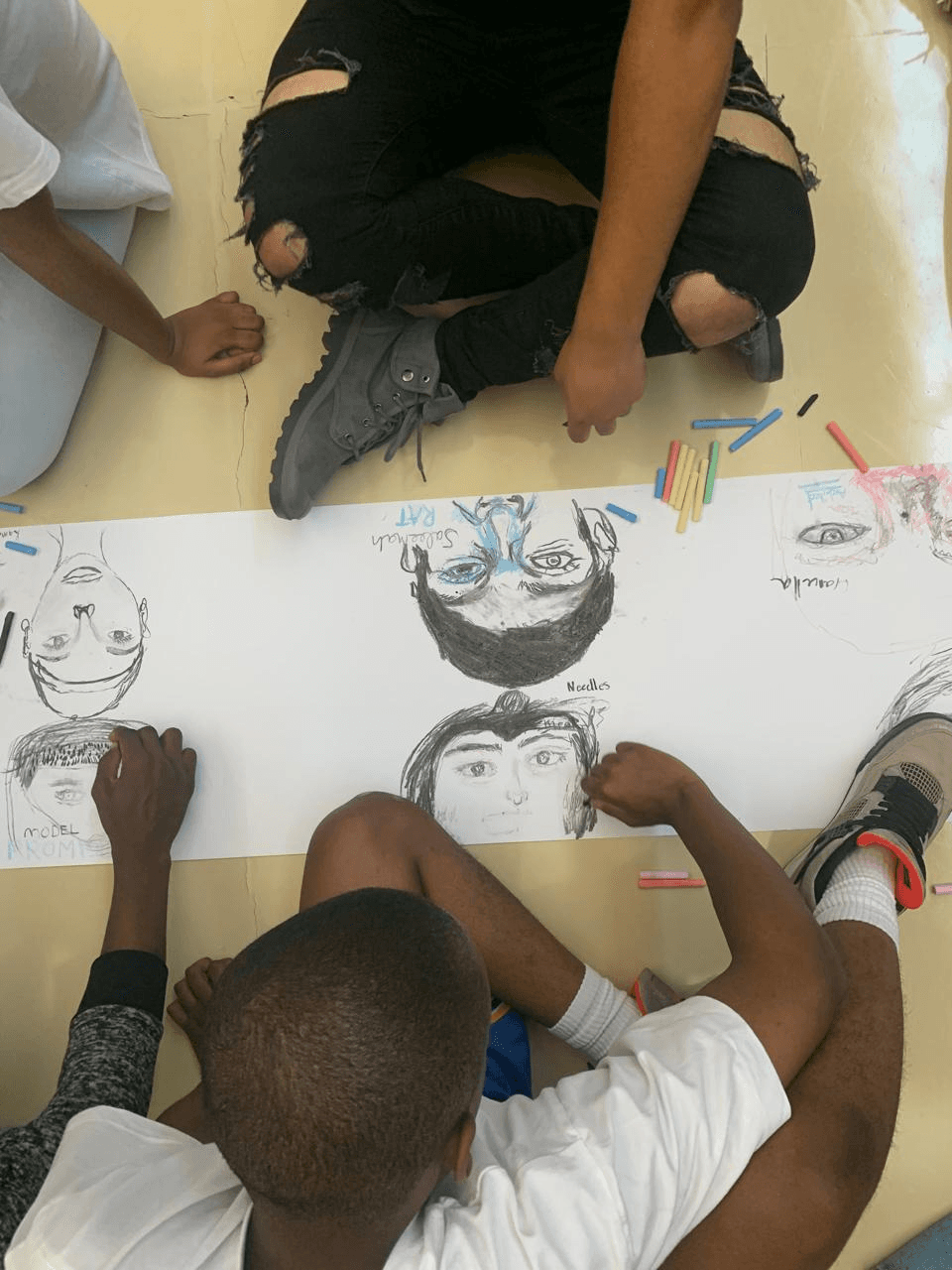
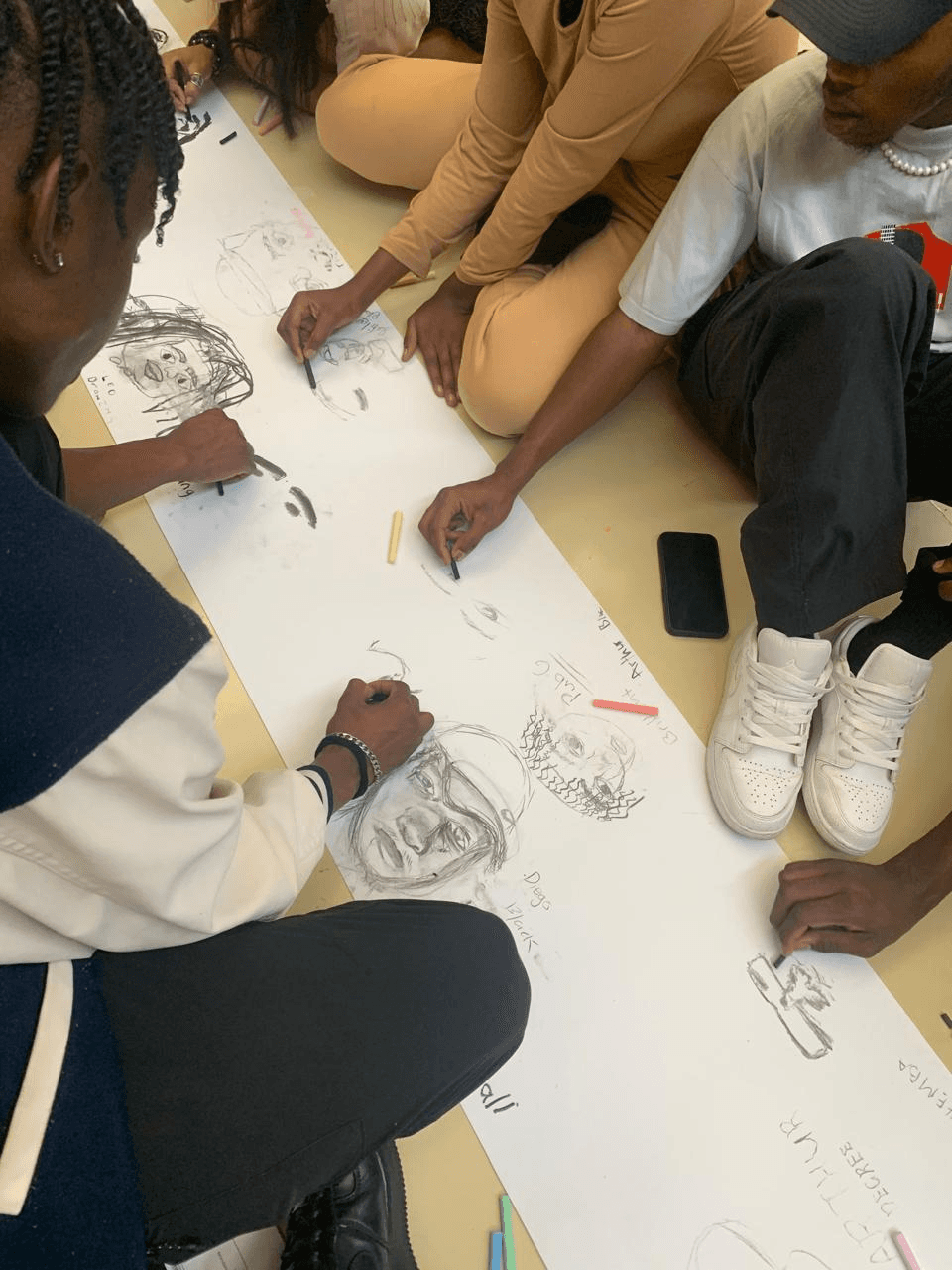
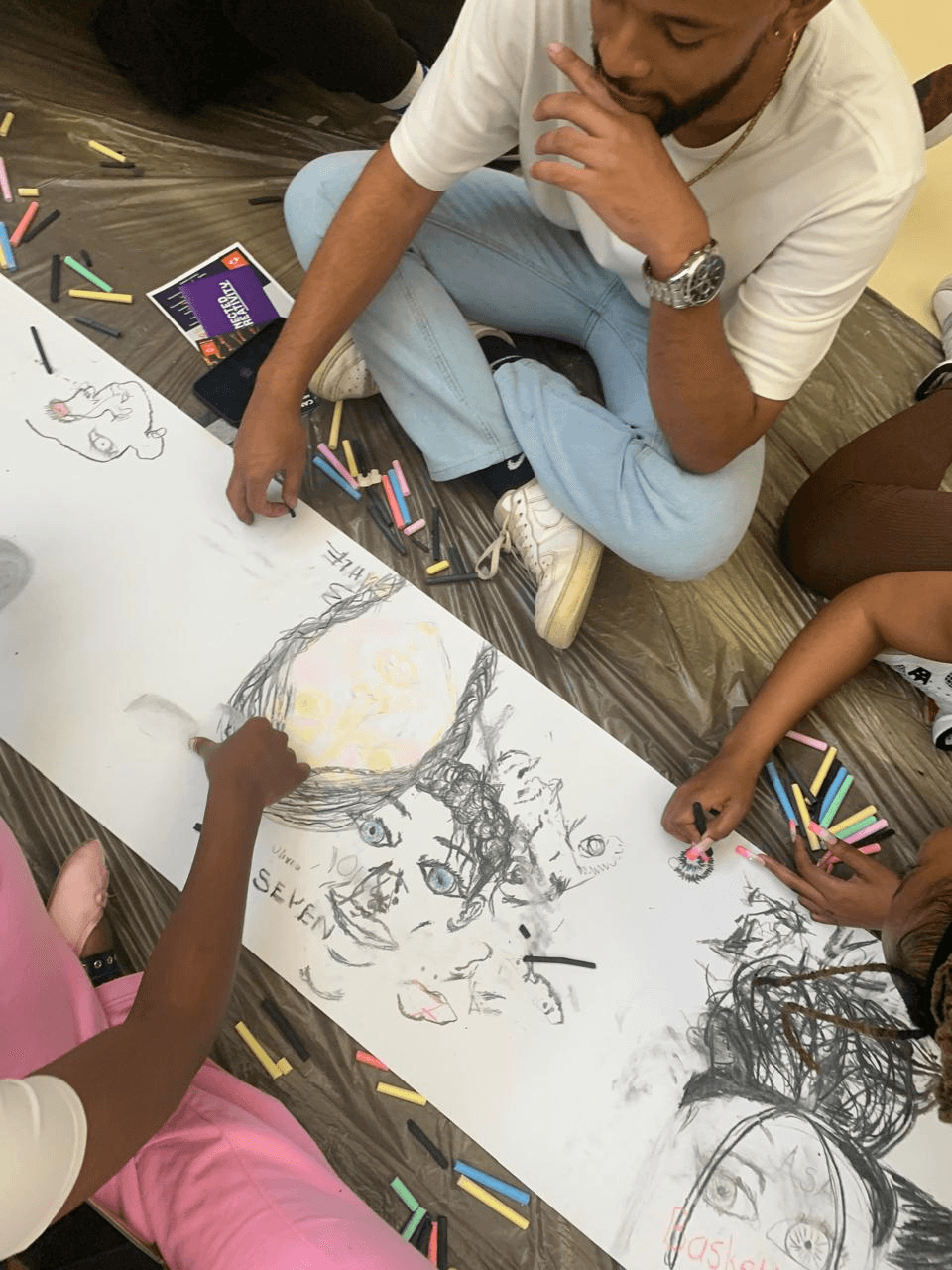
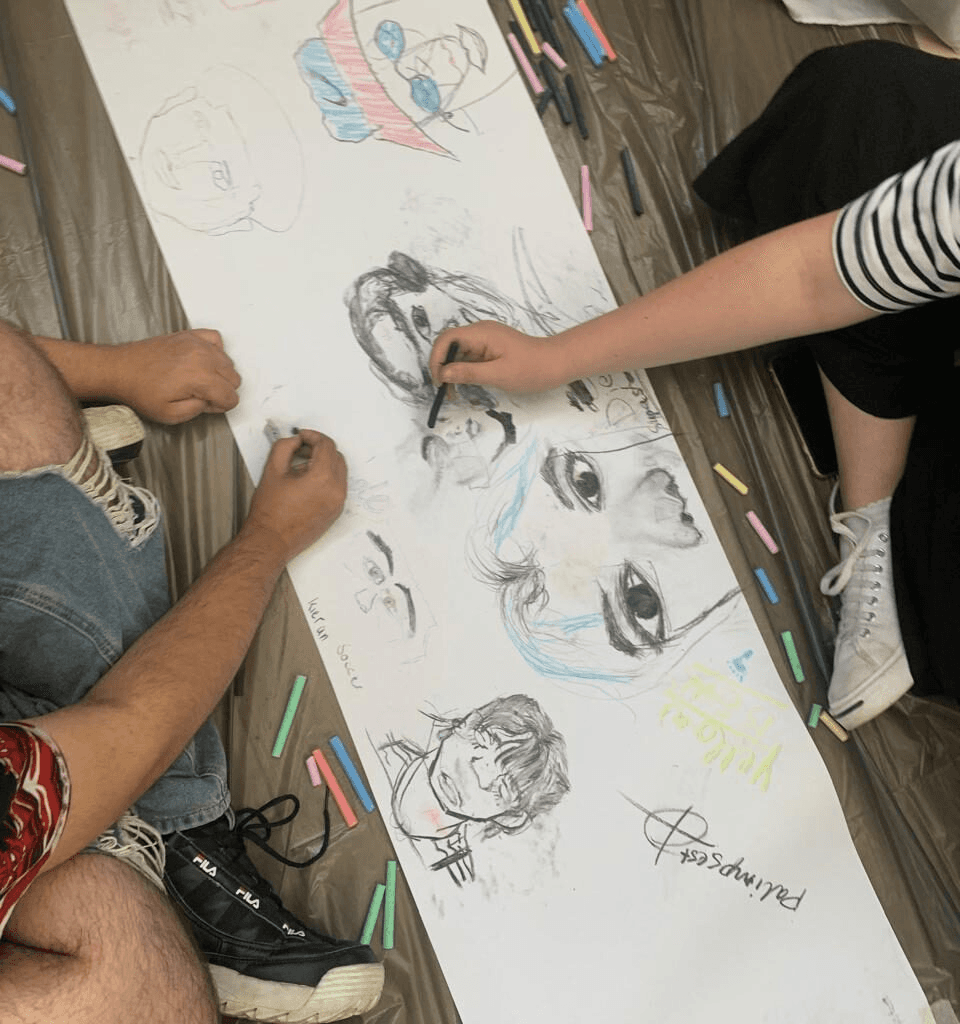
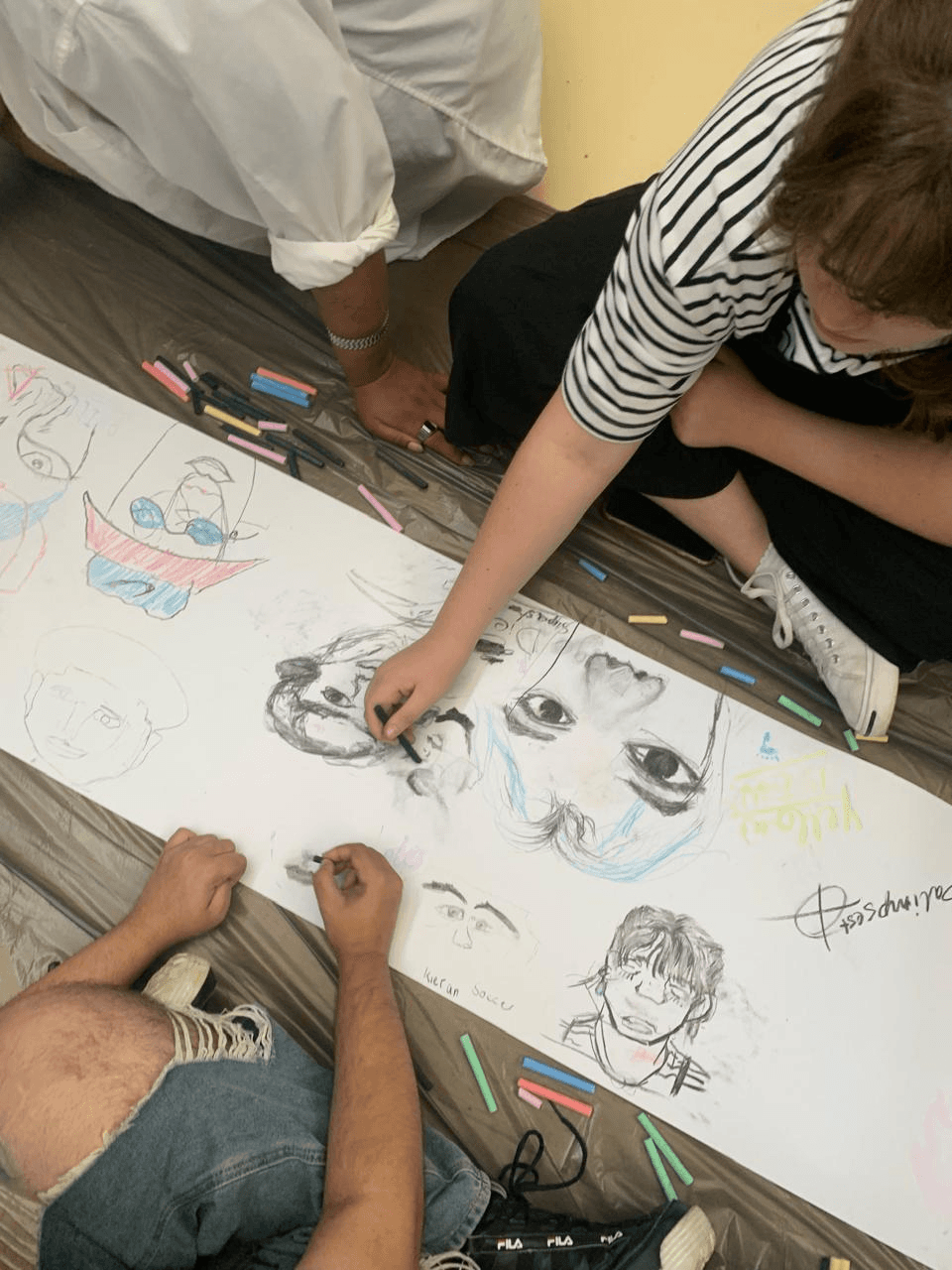
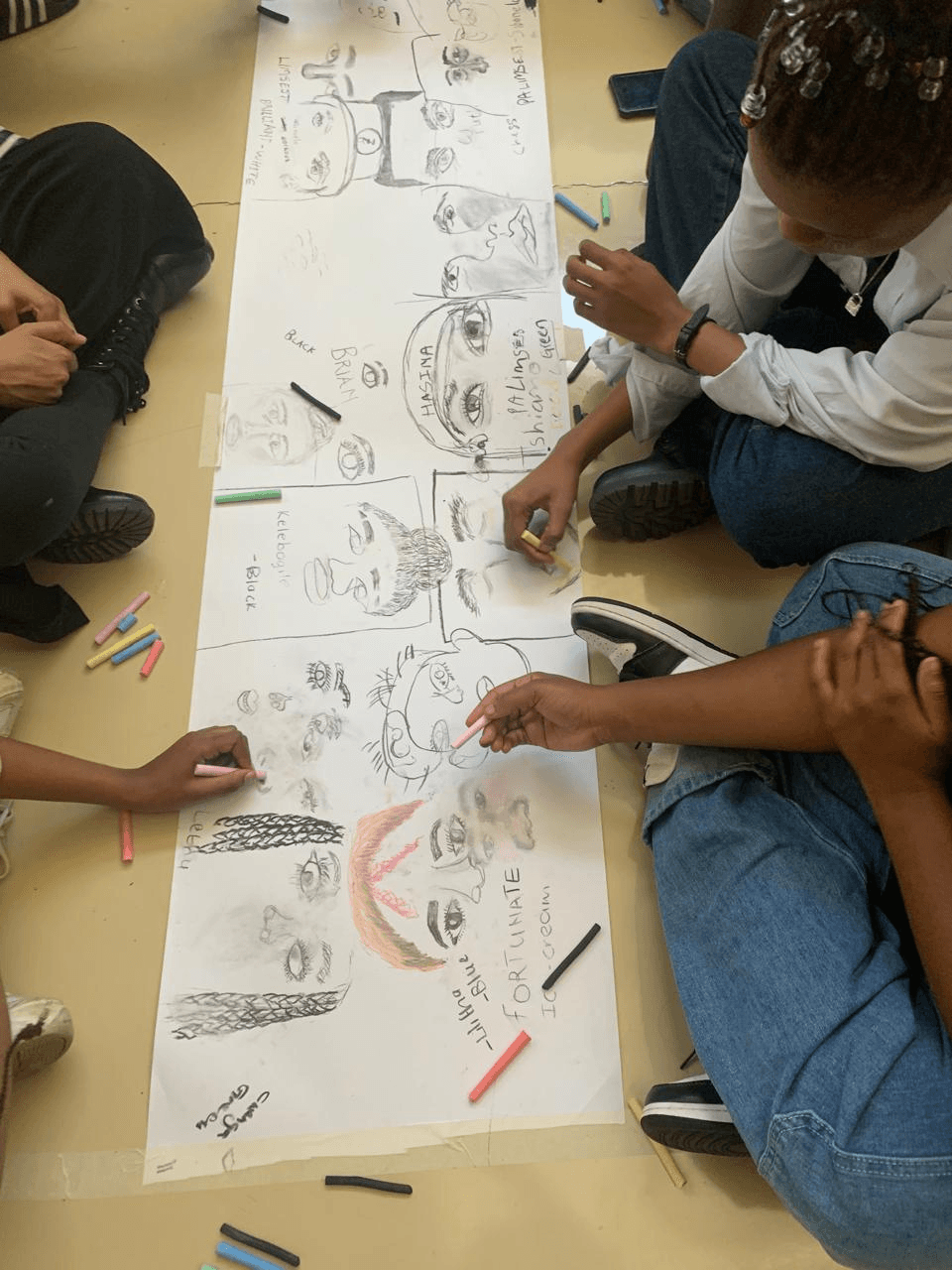
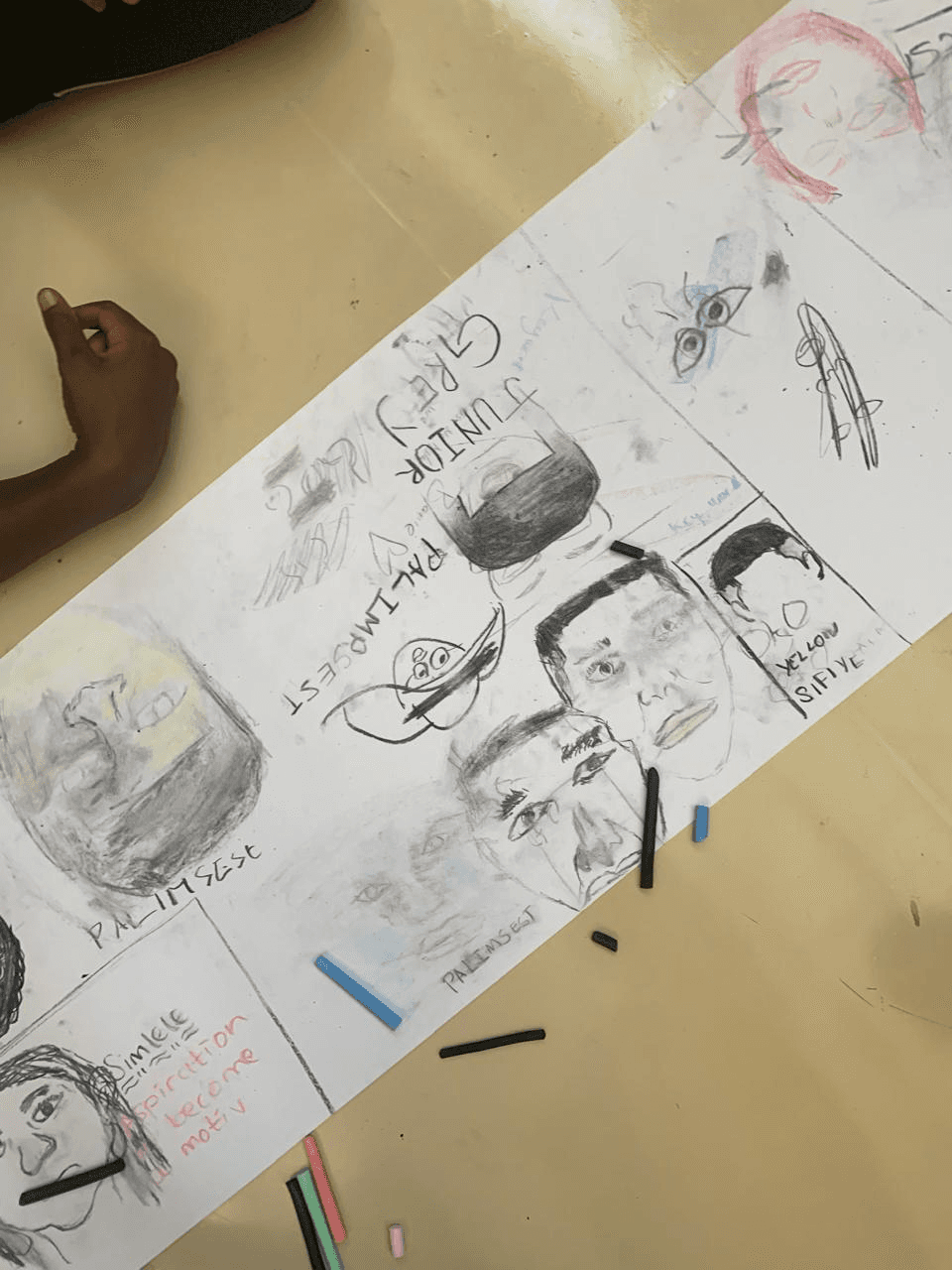
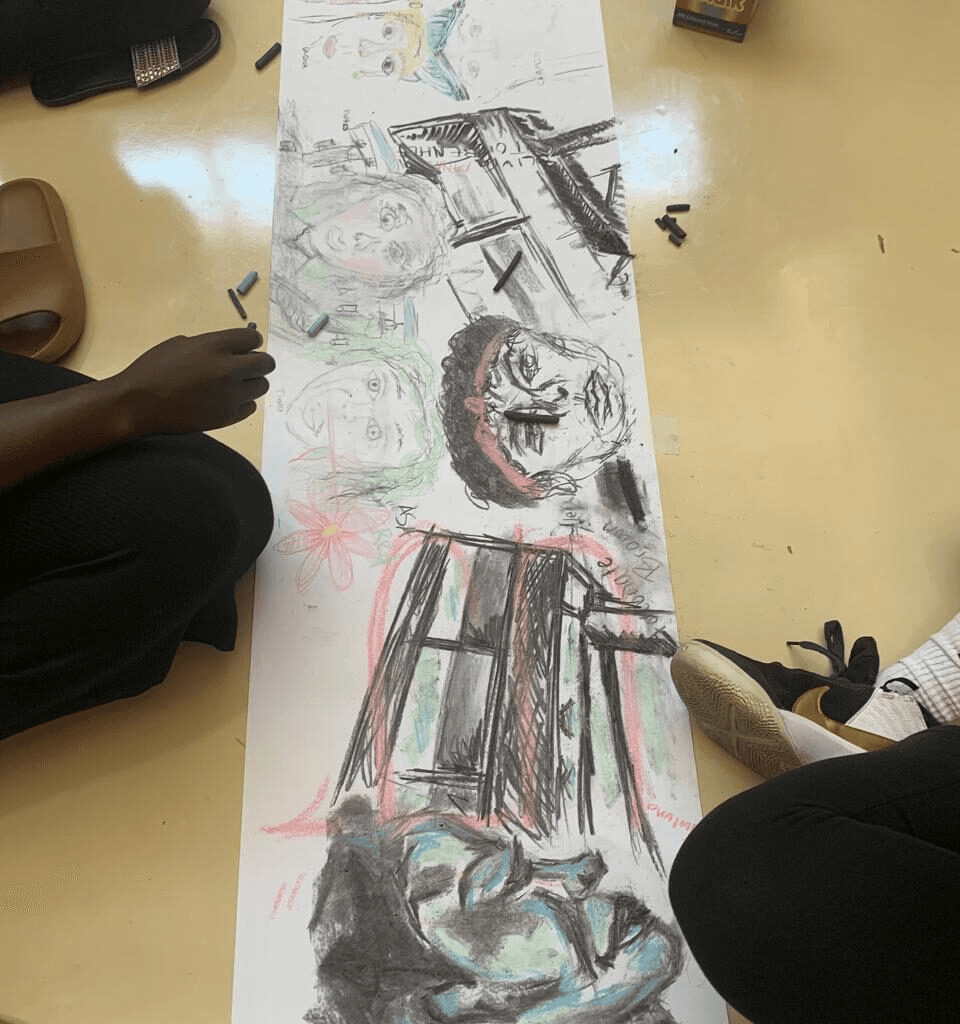
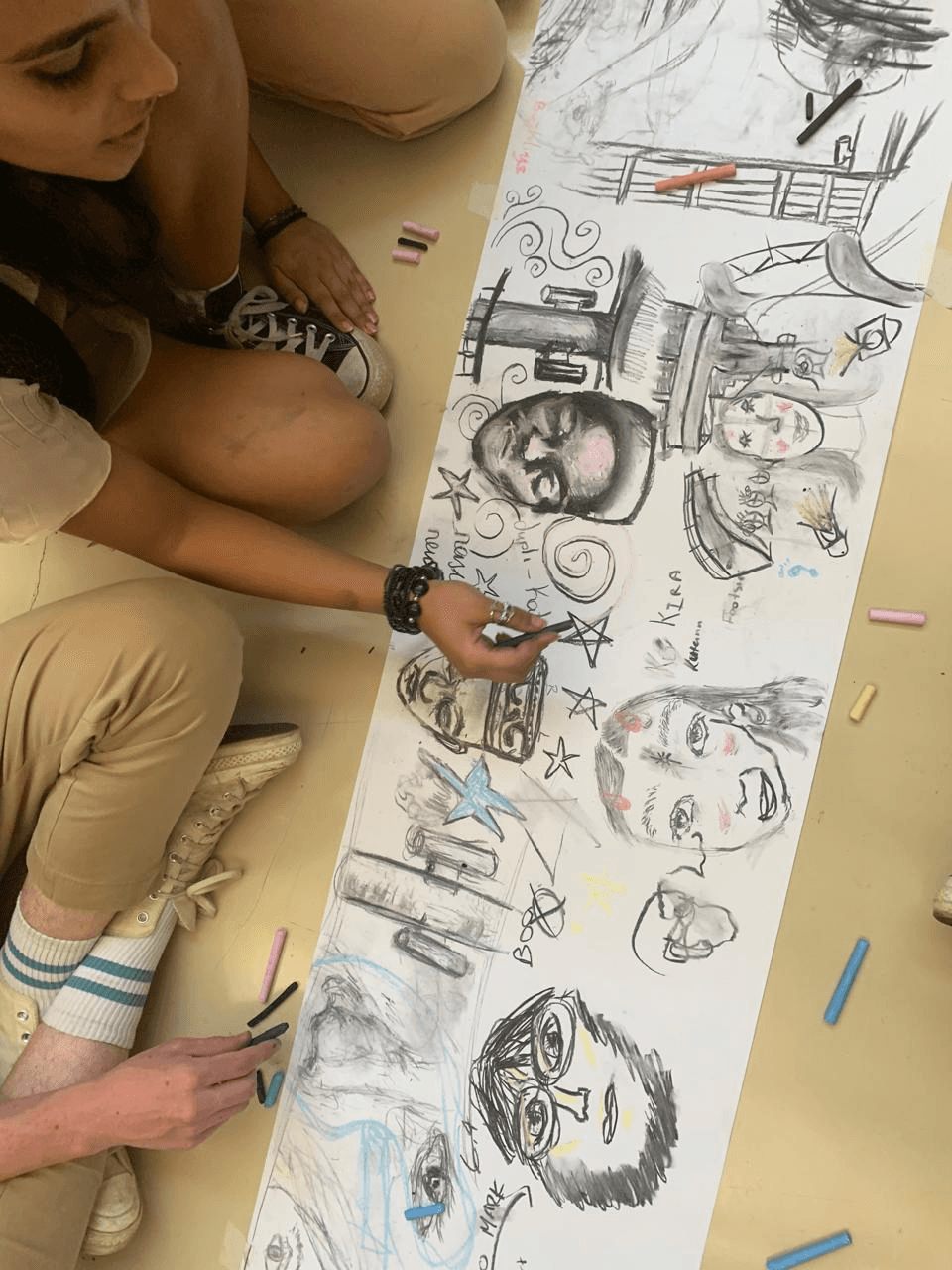
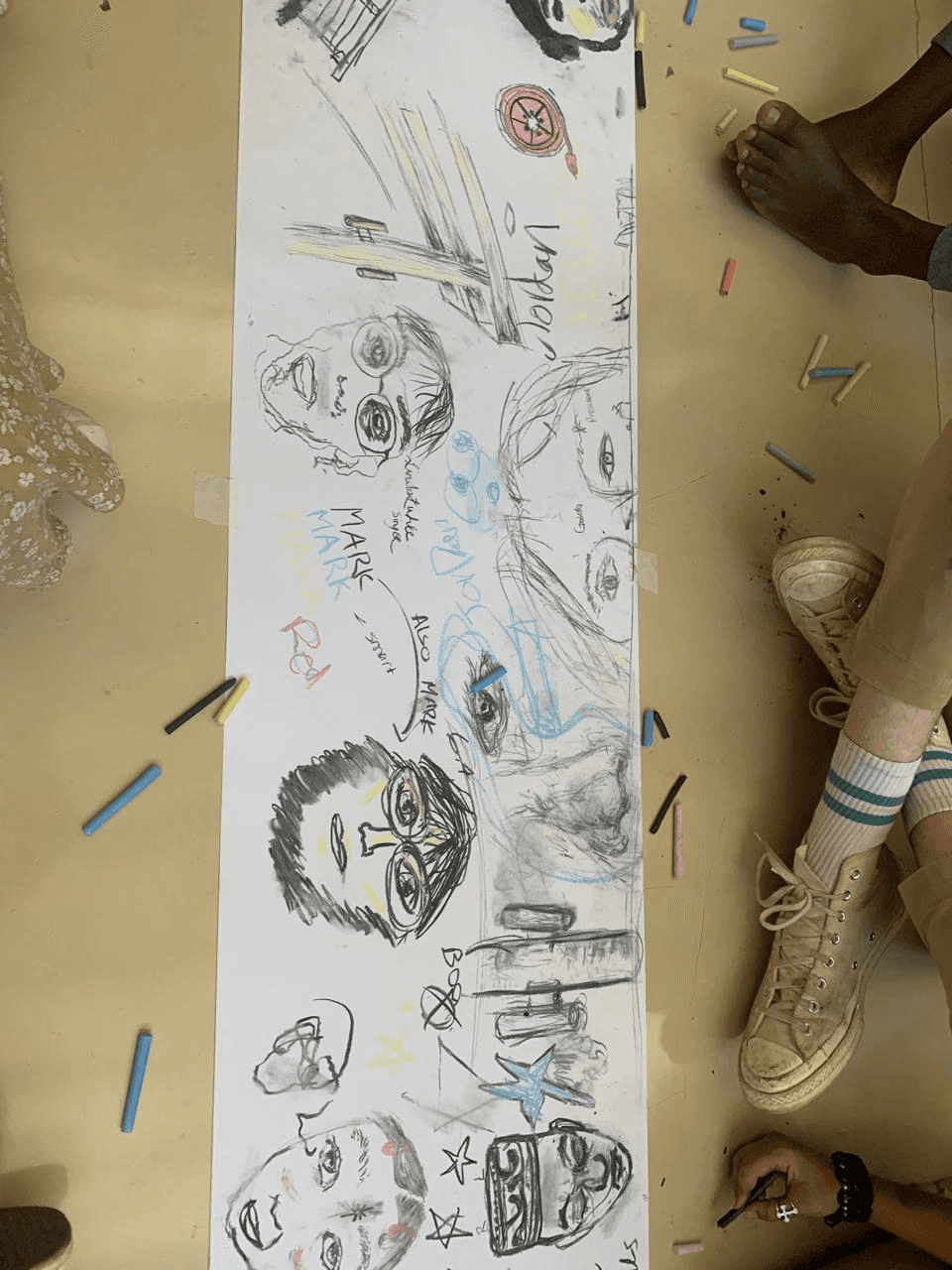
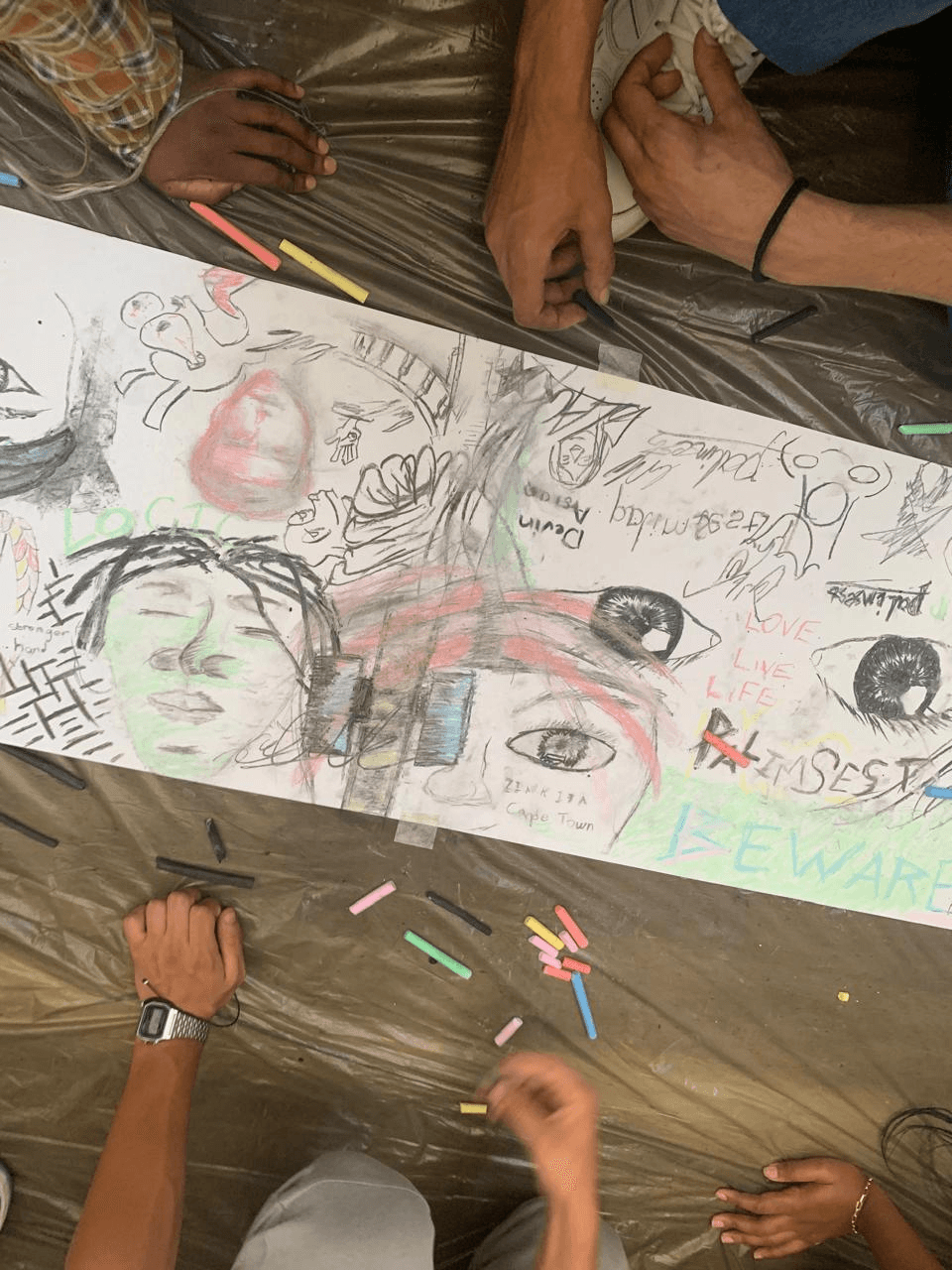
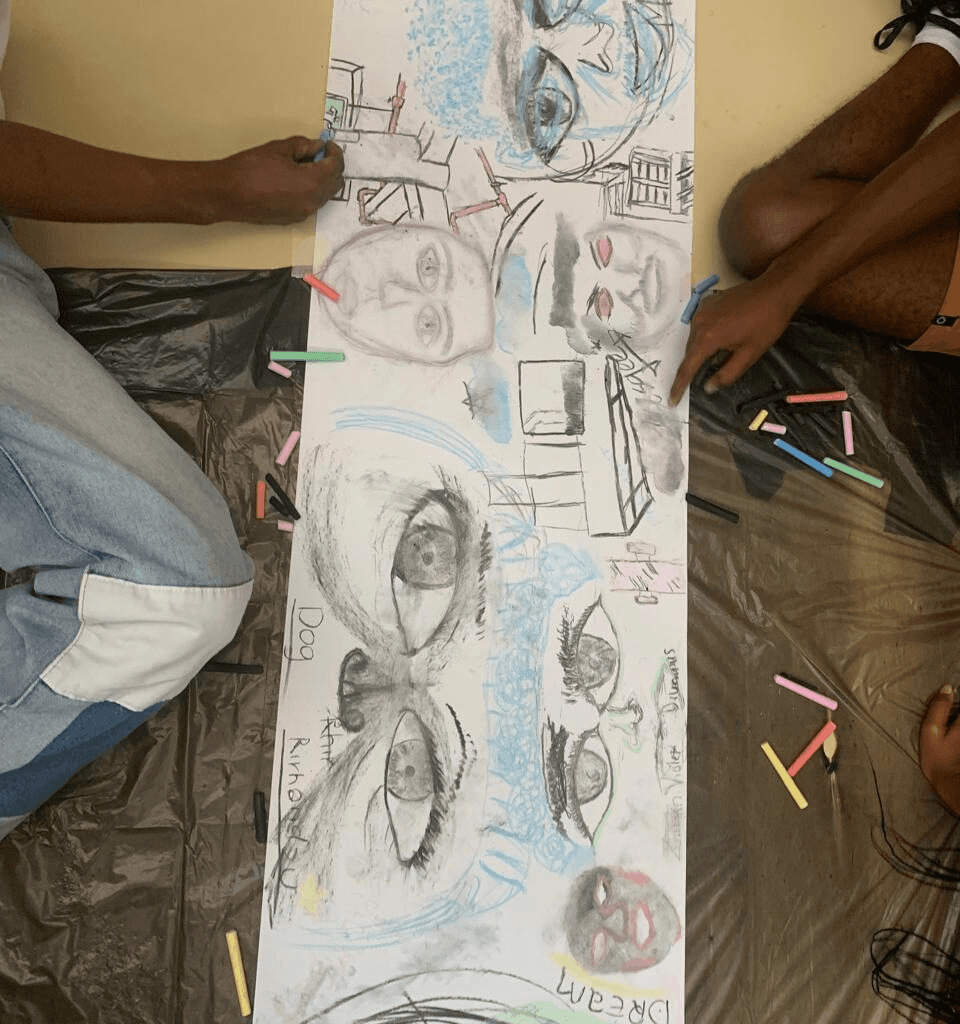
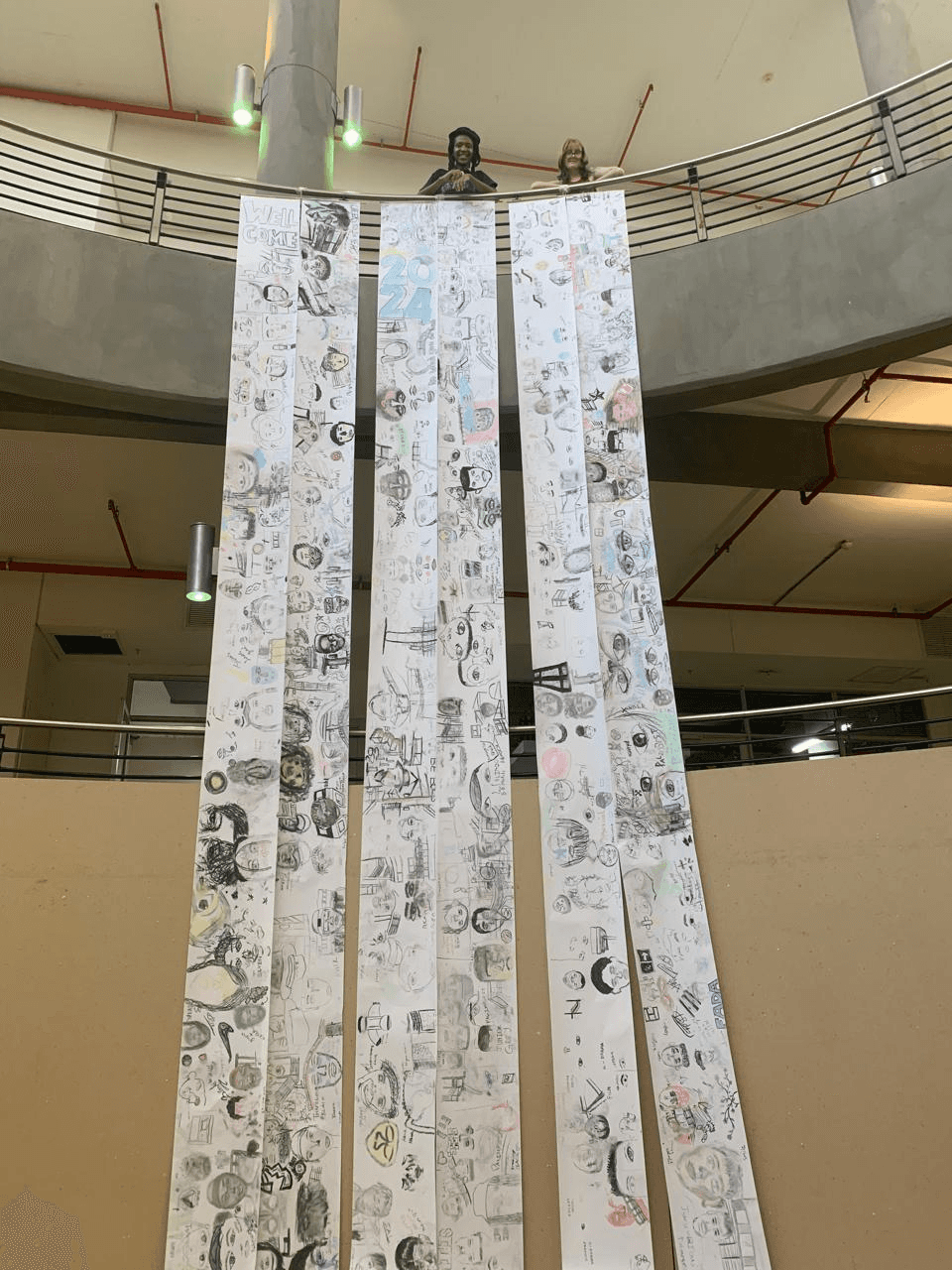
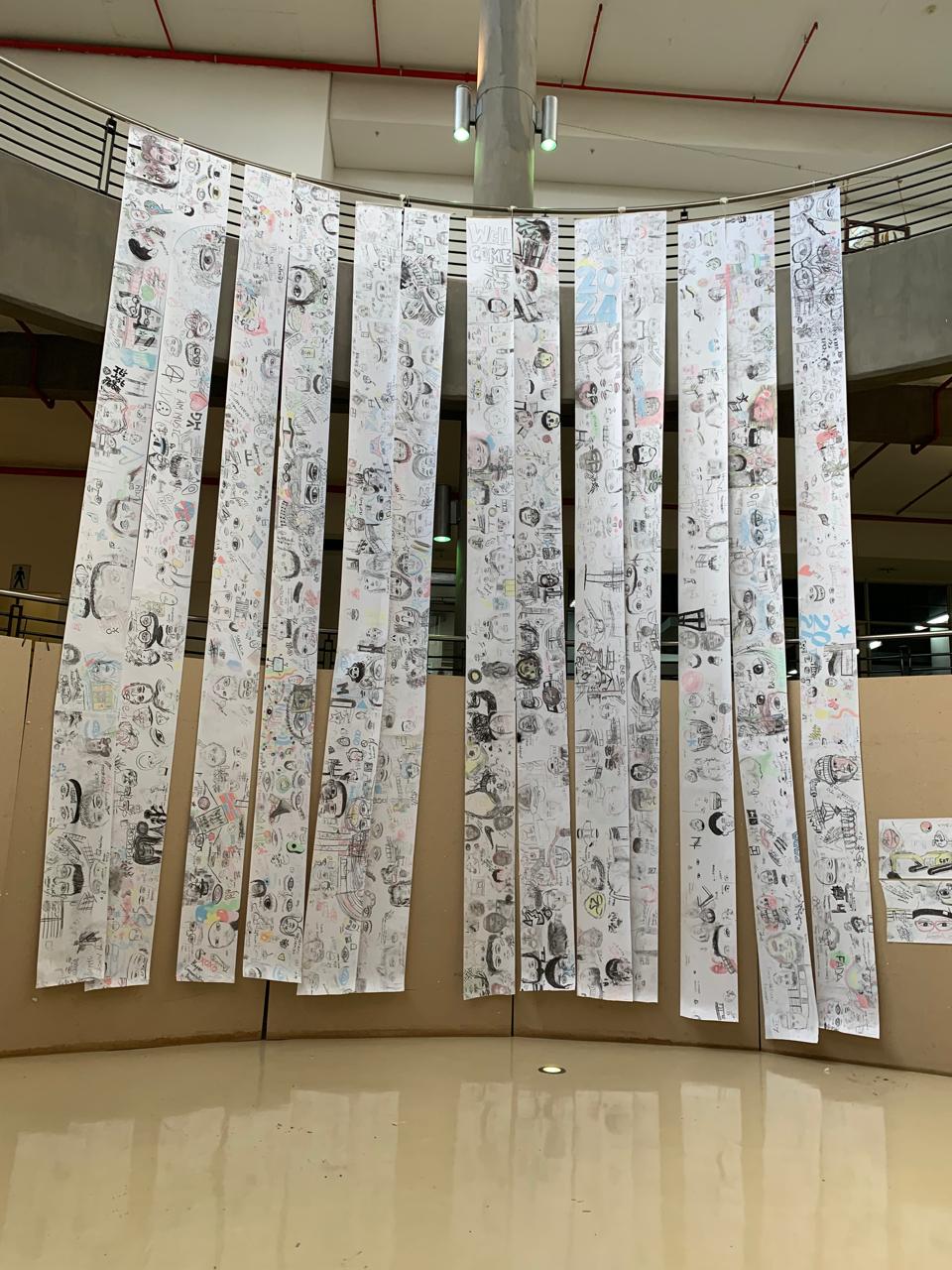
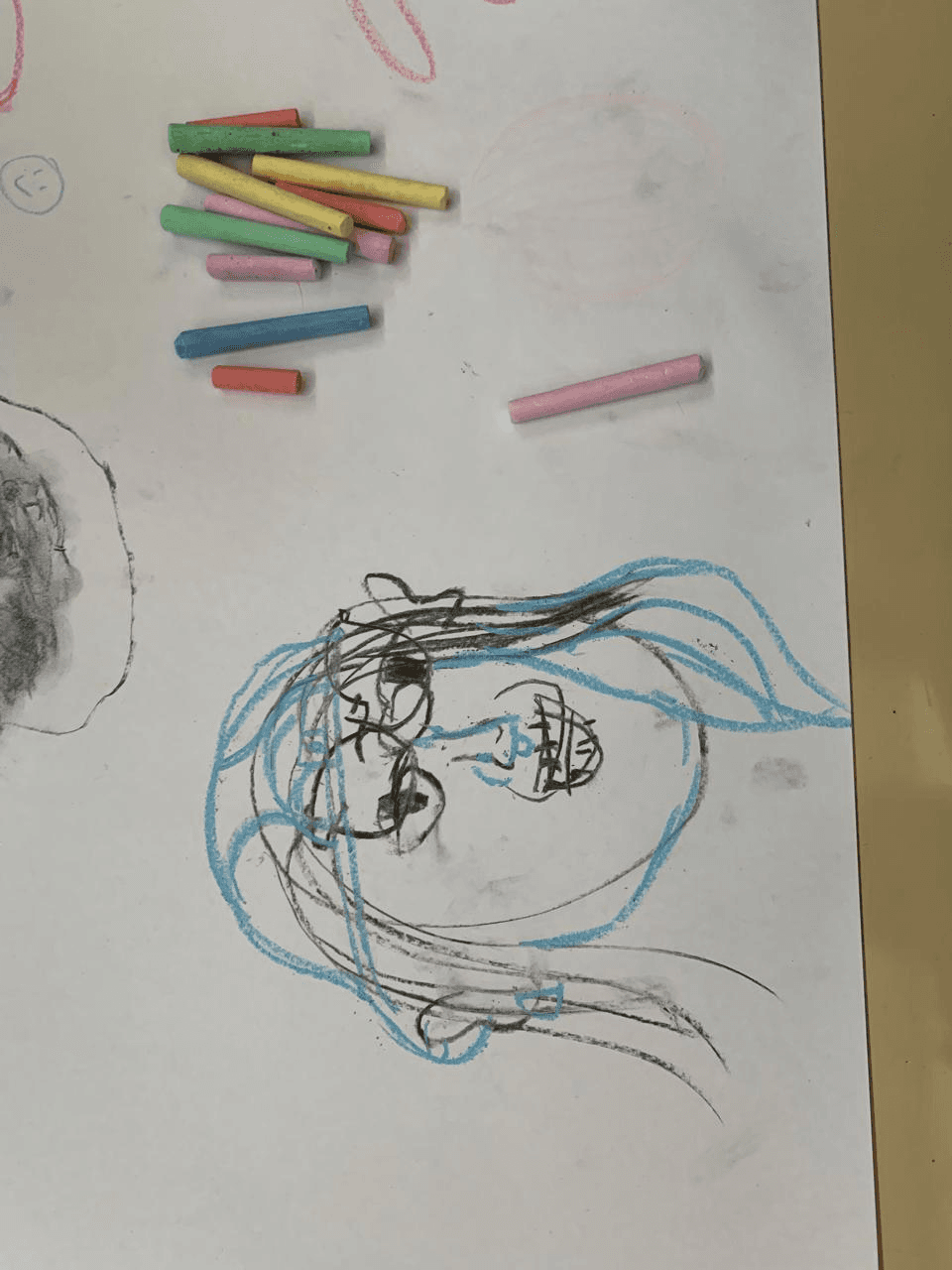
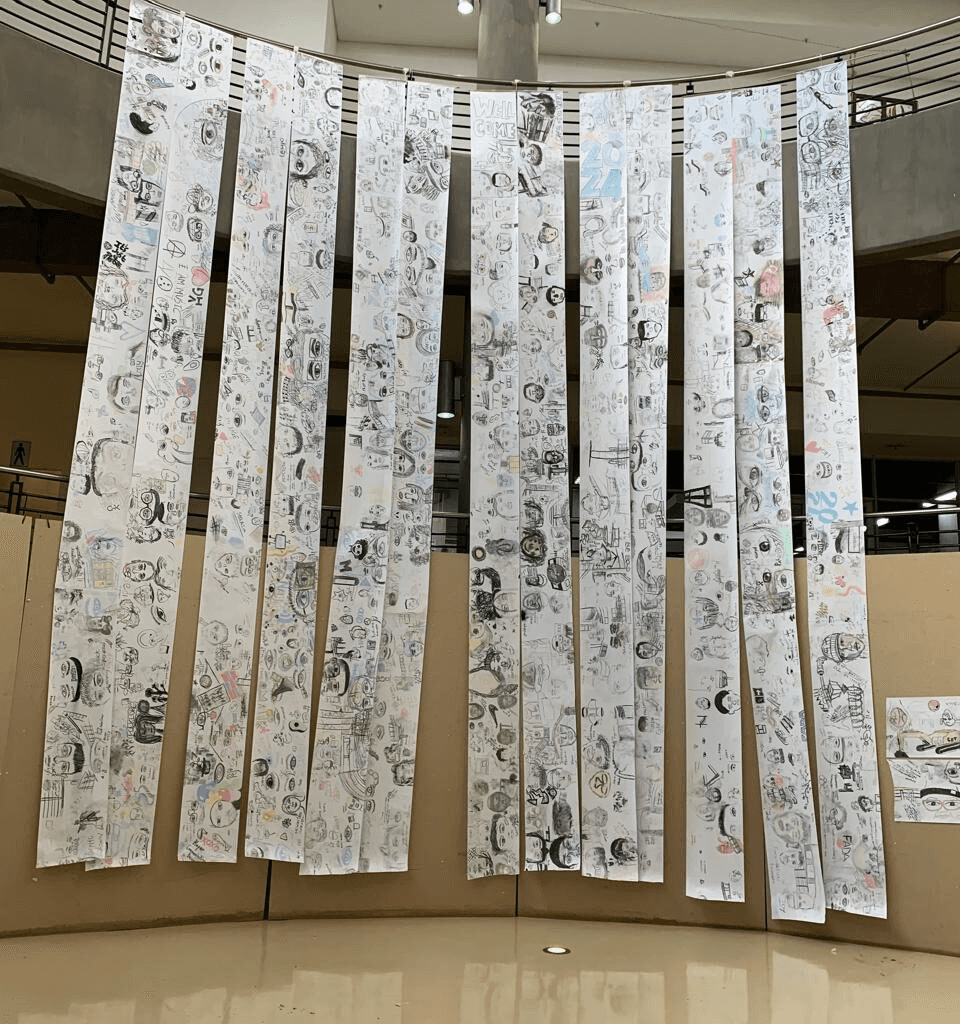
By creating opportunities for experimentation, playfulness, and being open to the unexpected, led to students building trust amongst each other. Further, by asking students to create something challenging together across disciplines, students were made to collaborate outside of the (uncomfortable) comfort zones, which helped students develop a sense of place and new possibilities of working outside disciplinary frames (Perold et al, 2015). This newfound sense of belonging was cemented by sharing their work with the rest of the faculty through placing the 130 metres of drawings in a prominent space in the faculty building for the first few weeks of term. Through exhibiting the drawings, the first years’ presence was visually, and physically reinforced, making use of the power of the visual to transform and create inclusive spaces (Costandius, 2021). The paper concludes with a critical discussion on the lessons learnt from this orientation workshop that could be transposed/ applied in various other teaching contexts. We reflect on the ways in which the activities in the workshop and the process of sharing the students’ work with the broader faculty community contributed to the students’ sense of belonging.
References
Costandius, E. (2021) Visual Redress at Stellenbosch University: A reflection on Practice from 2010 to 2021, in Aslam Fataar and Elmarie Costandius (eds.) Evoking Transformation: Visual Redress at Stellenbosch University. Stellenbosch: African SUN Media.
Perold, E. and Costandius, E. (2015) “Exploring the transformative potential of collaborative art projects in South African Higher Education.” South African Journal of Higher Education, 29(6), 206–225.
Morrow, W. E. (2009). Bounds of democracy: Epistemological access in higher education. Cape Town: HSRC Press.
Nkambule, T. (2014). “Against all odds: the role of ‘community cultural wealth’ in overcoming challenges as a black African woman: part 2: being and belonging in South African higher education: the voices of black women academics”. South African Journal of Higher Education, 28(6), 199-212.
Where Are You Going and Where Have You Come From?
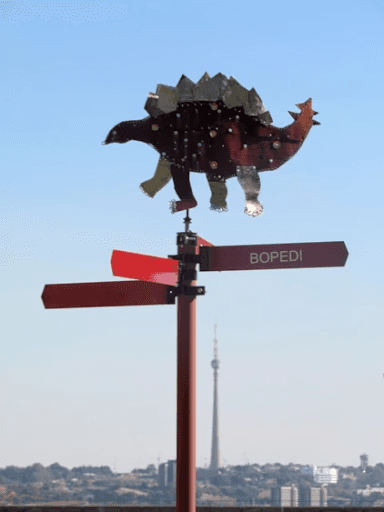
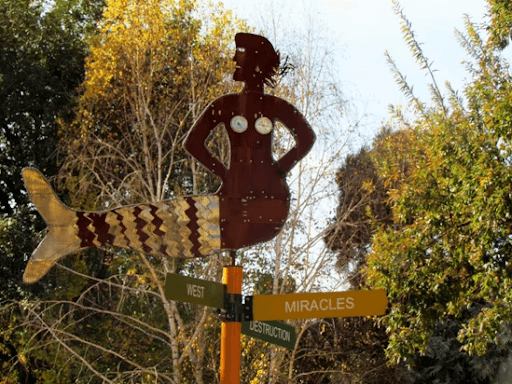
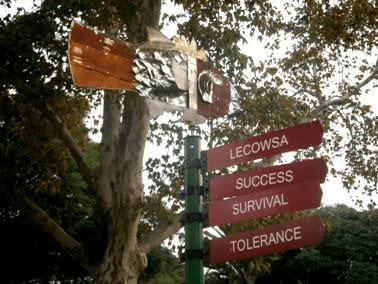
This was the title of an 8 week undergraduate pre-service arts teacher course modelled on a collaborative public art project. The course was team taught by Theresa Giorza and Alison Kearney. The title of the course was a reference to the wind action and the weather vanes which tell us from which direction the wind is blowing, and also an oblique reference to the students who have come a long way, but whose journeys are as yet unfinished.
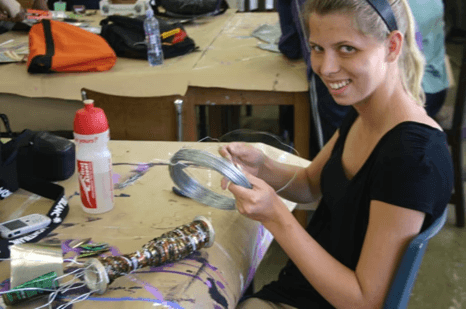
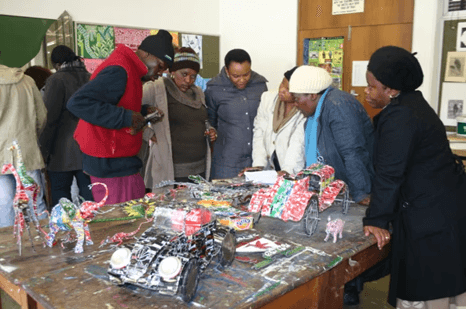
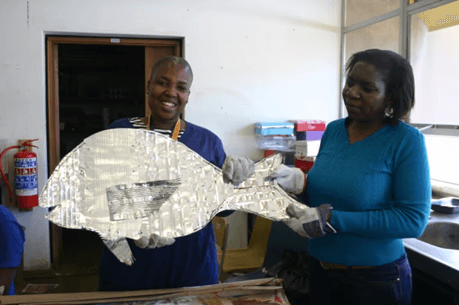
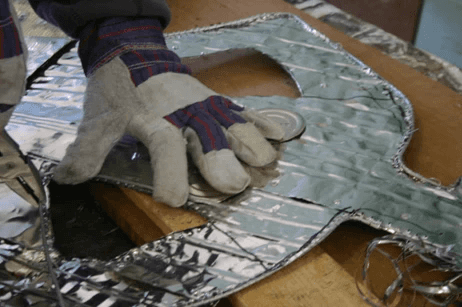
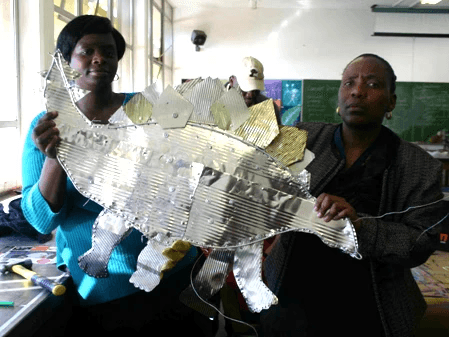
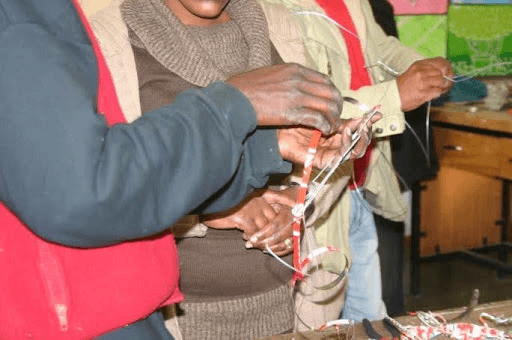
Students were required to work in groups to design and construct a site specific working weathervane from recycled metals for installation around the Wits School of Education campus in Johannesburg. Their designs had to be personally meaningful motif’s that were inspired by a story, and whose importance might resonate with the students and staff on the campus. Some students chose stories and symbol about learning, about knowledge and about overcoming difficulties, and perseverance- all things that associated with being at Wits. The use of multiple languages was an important aspect of the project. Students had to use visual language with visual design. They began with stories, made visual texts, and then added signs in different languages to the poles. They were communicating with different audiences. Students were encouraged to choose a direction, and make a sign to point to a place on campus, far away and also a metaphorical place. This is one of the levels in which their works were connected to local context and also extended beyond the local to connect to students own complex contexts. It was also a way for students to assert their own personal identities and languages in a space in which they often feel alienated, despite that the campus is for them- academic discourse is not anyone’s’ mother tongue.
That students had to plan, negotiate, and present their ideas to each other provided an opportunity for students to engage in dialogue- to use the oral modes which they don’t always have an opportunity to do in their academic courses. In this their voice came through rather than was lost in the mire of academic discourse which many of them struggle with.
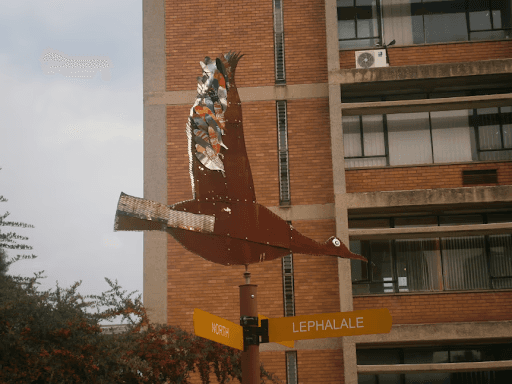
This course employed principles of situated learning, in which students learn by doing and authentic problems emerge in the doing. Situated learning is rooted in constructivist theories of learning which acknowledge that learning abstract concepts cannot be separated from the situations in which they occur, but rather that learning is most effective when contextualised in authentic situations (Brown, Collins, & Duguid, 1989; Davis, 2004; Pitri, 2004). Applied to our project, the social and physical contexts that co-produced knowledge included the relationships and life experiences of our participants; the contexts of the school campus, the studio/workshop and the places from which the participants came.
The project allowed us to explore the relation between the world of the classroom and the world of ‘real’ art making (asking questions about the relation between art practice and art pedagogies). There was also a symbolic relationship between the campus and the world out there because the signs pointed to places on campus and places beyond the campus. We also collaborated with several professionals at different stages of the project. We found that through the multiple collaborations in this project that working in a collaborative manner in the art classroom disrupts notions of the art teacher as pedagogue. We extended this by designing a project in which we were not expert makers- but drew on expertise around us. Drawing on local art practices. In doing this we modelled practice as art teachers- art as collaborative project in which you can work with range of experts.
References
Brown, J. S., Collins, A., & Duguid, P. (1989). Situated Cognition and the Culture of Learning. Educational Researcher, 18(1).
Davis, B. (2004). Inventions of Teaching. A Genealogy. Mawah, New Jersey and London: Lawrence Erlbaum Associates.
Pitri, E. (2004). Situated Learning in a Classroom Community. Art Education, November, 2004, 6-12.