Prof. Alison Kearney
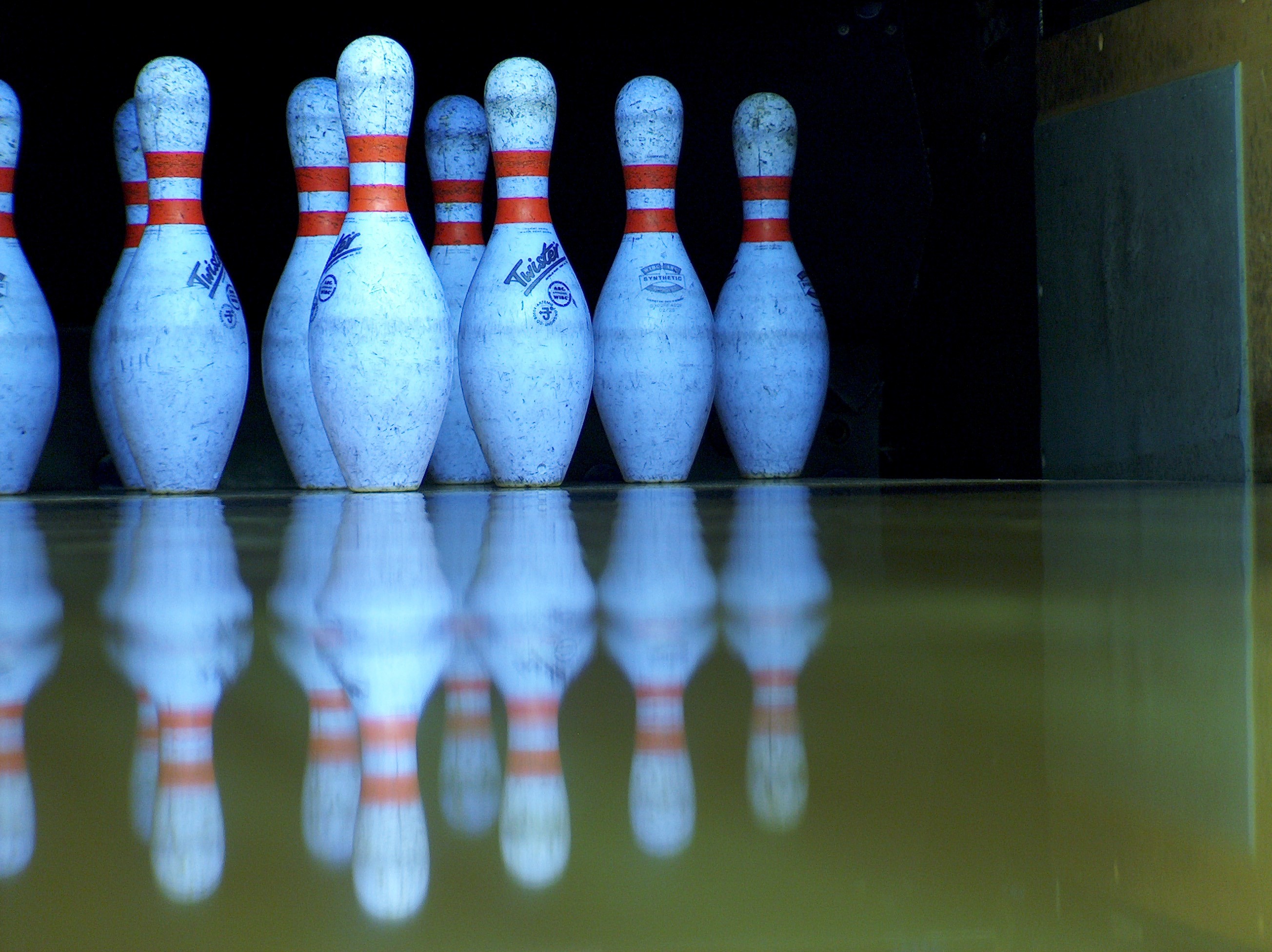
Ten-pin Bowling as Ideological Apparatus
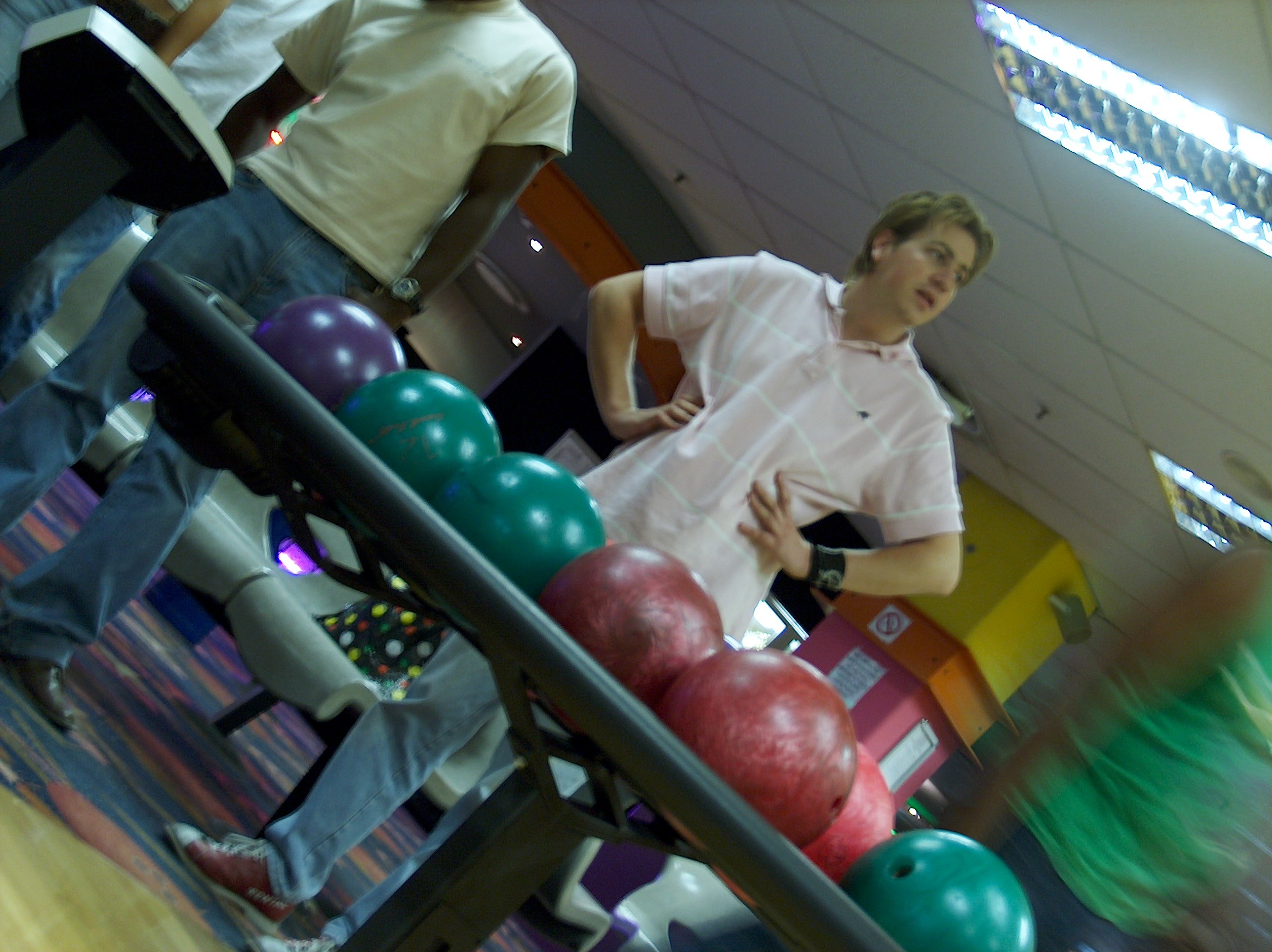
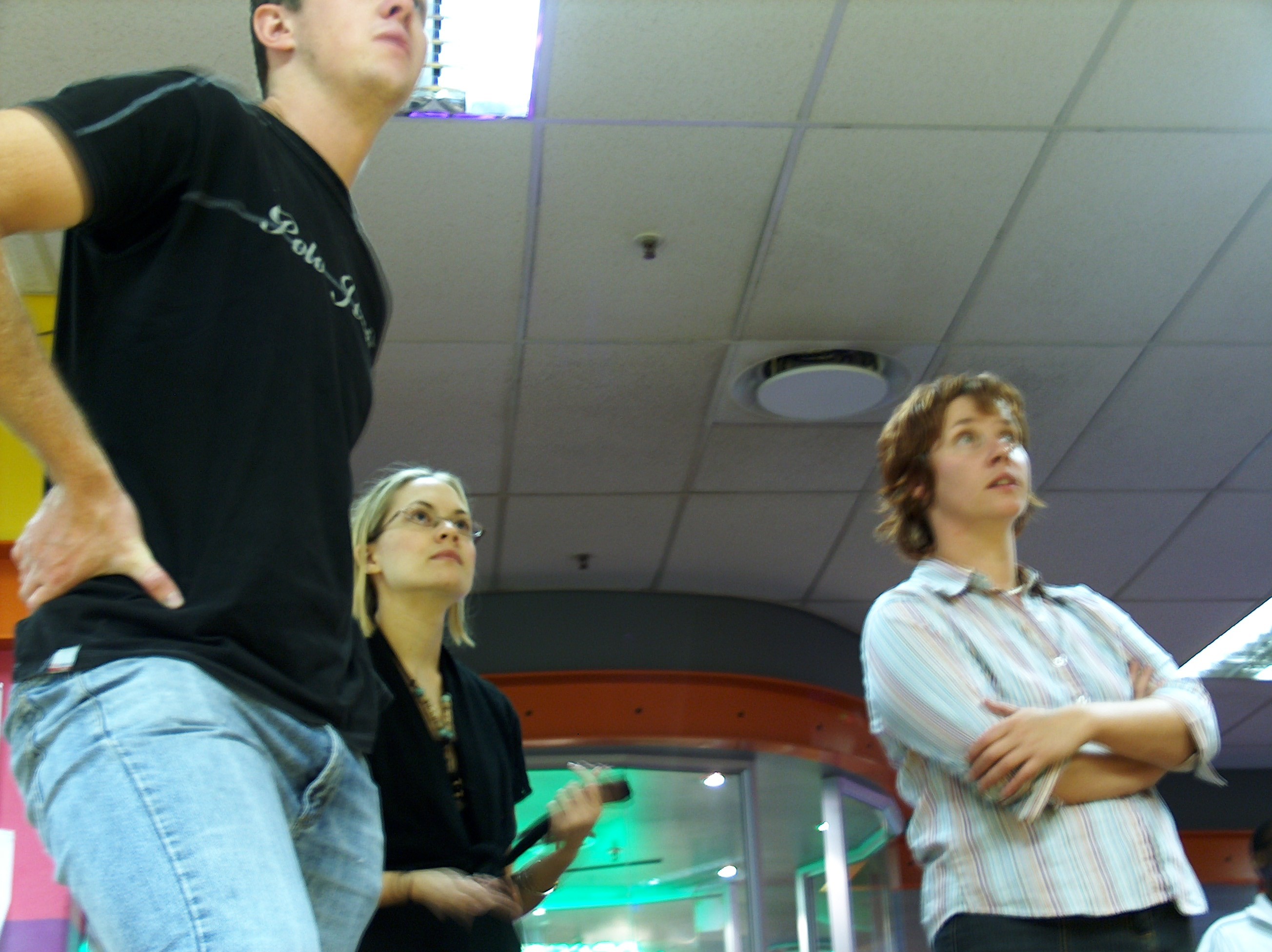
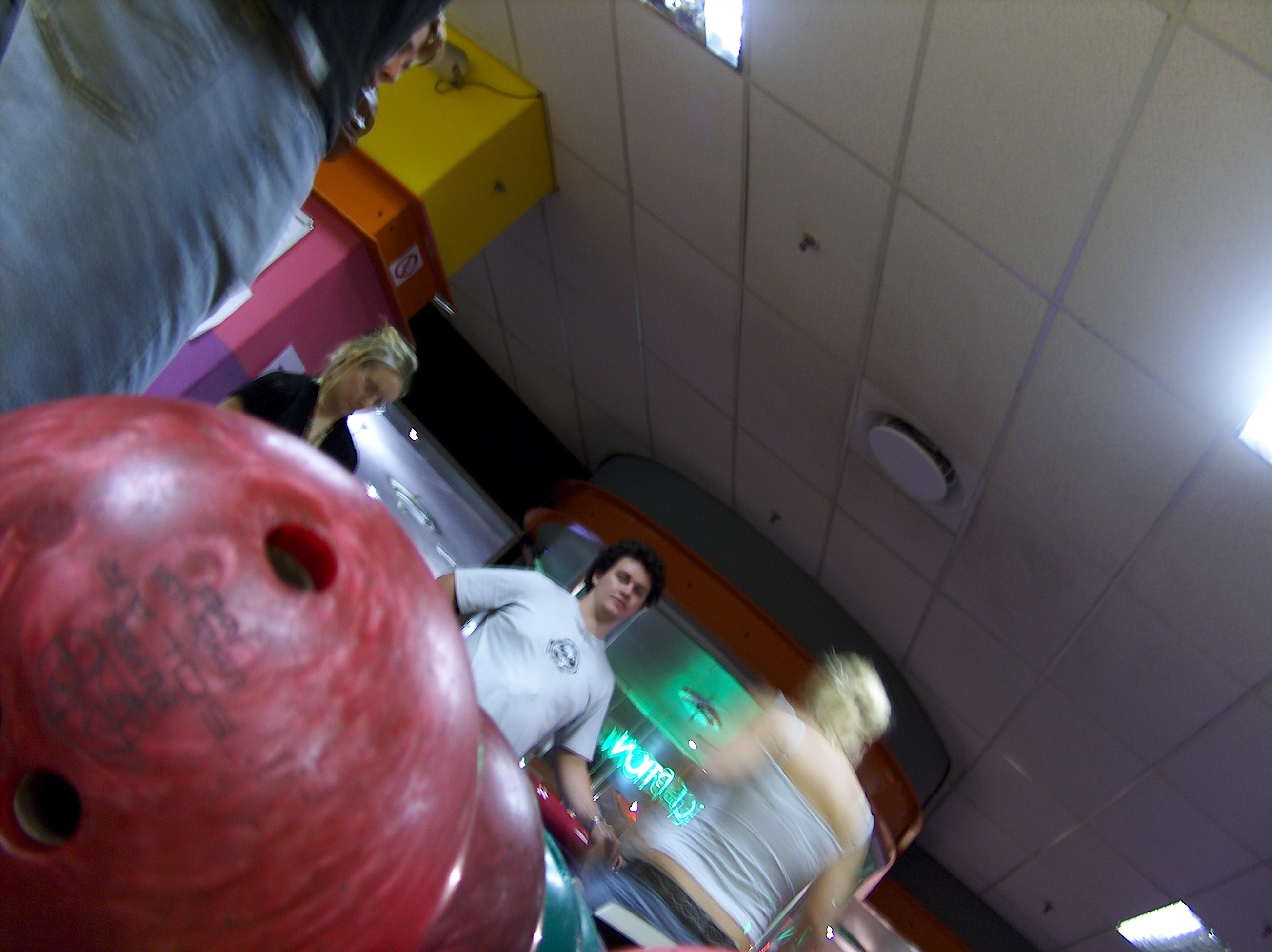
Prof. Alison Kearney has been committed to transformative, situated, experiential learning since her first tertiary teaching job in 2005. Among her first appointments was to teach Research Methodologies to Graphic Design Honours students. A lecture focussed on Althusser’s concepts of ideology, was conducted in a ten-pin bowling alley, in a popular mall. The idea was that through engaging in an everyday activity we would conduct an empirical investigation of Althusser’s theory that one cannot escape ideological formation which operates invisibly to maintain the social order. The space of the ten-pin bowling alley in the mall was decided upon because it is a space in which groups of people congregate, to engage in a conventionalised, social activity, in a shopping Mall- a space with a particular social function that is also ubiquitous, and familiar. Before embarking, we discussed Althusser’s theories, and compiled a research hypothesis. Our task was to see if we could identify what ideologies underpinned the activities of ten pin bowling, and what ideologies were present within the shopping mall, if any.
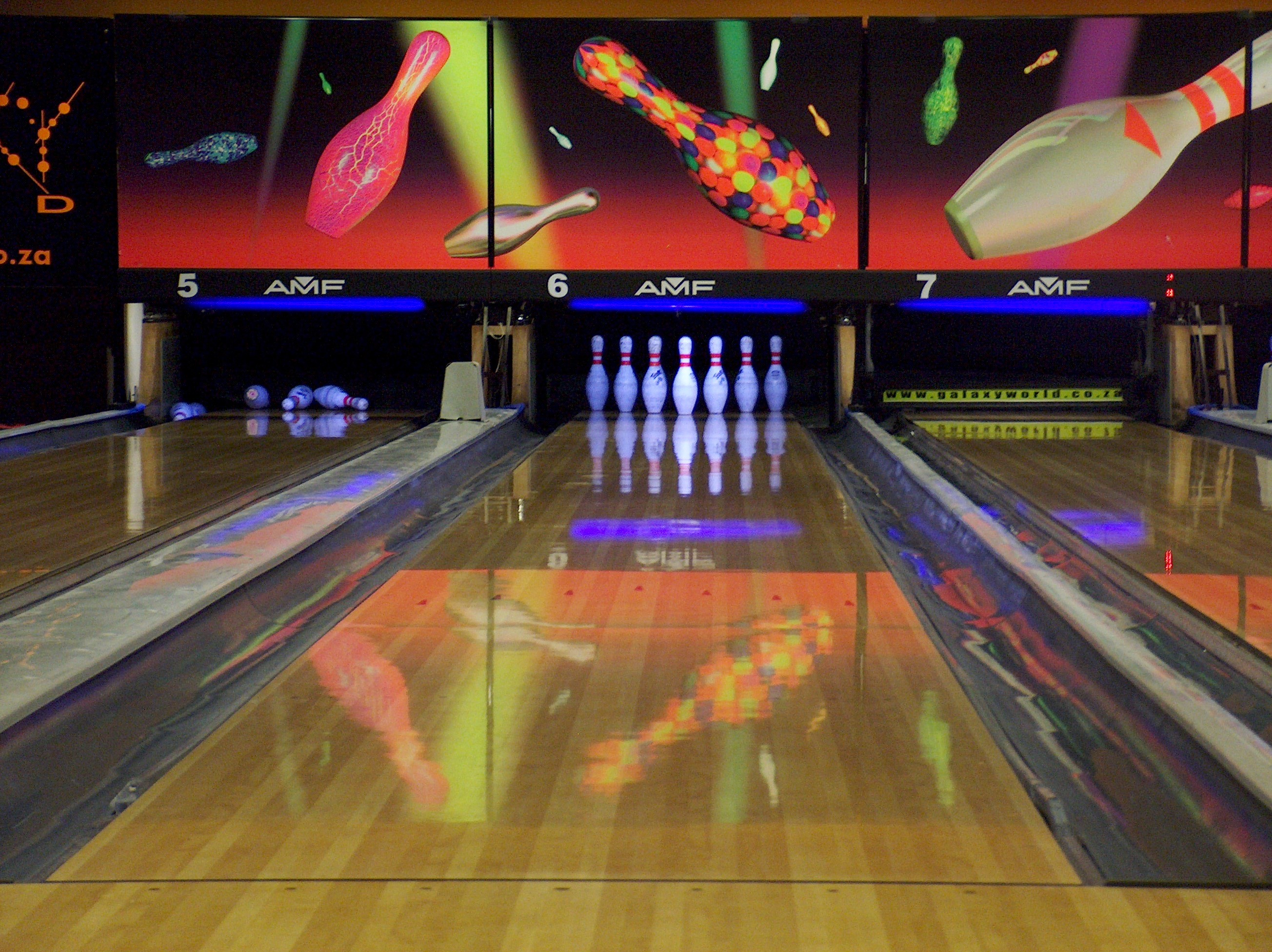
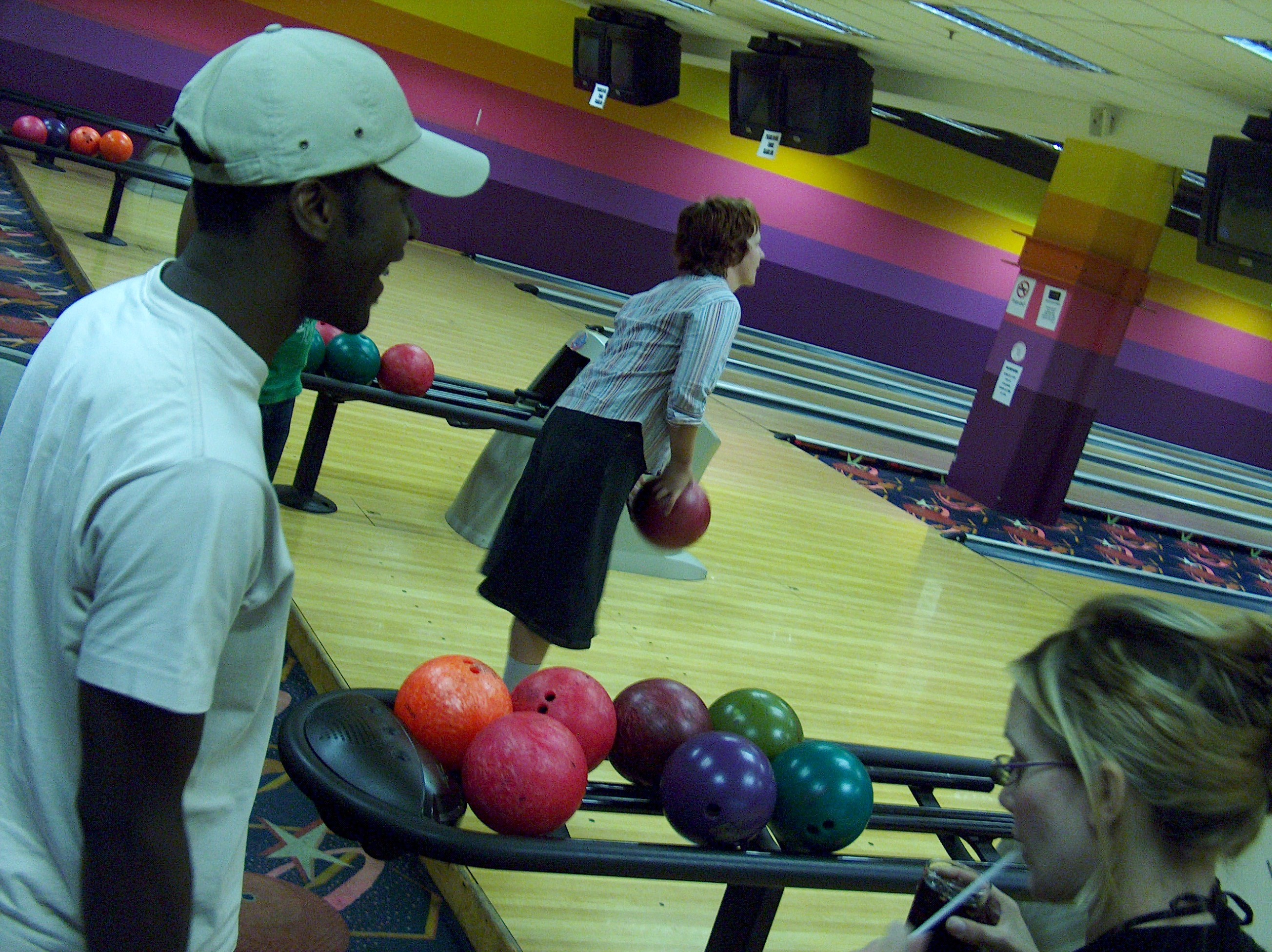
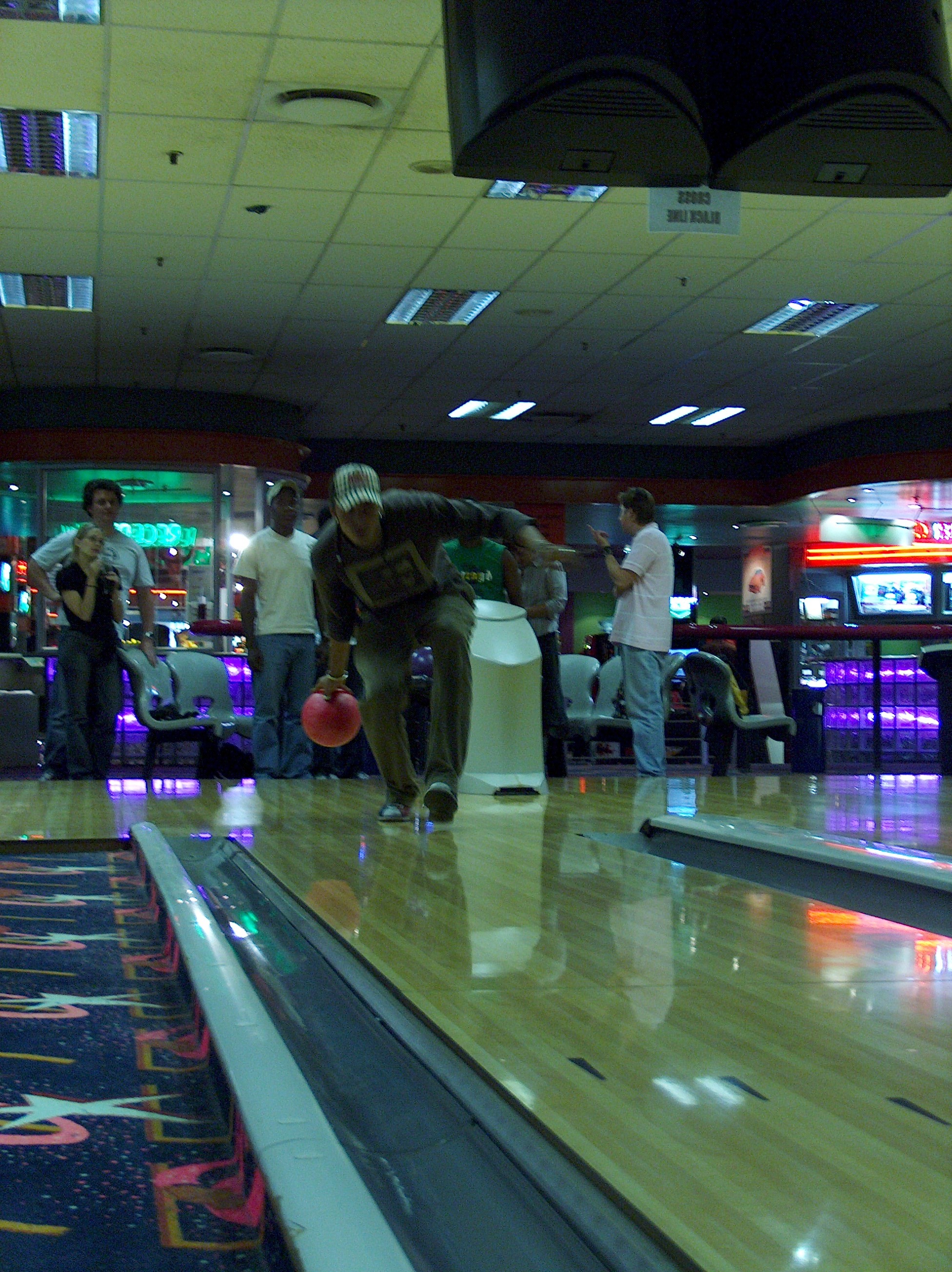
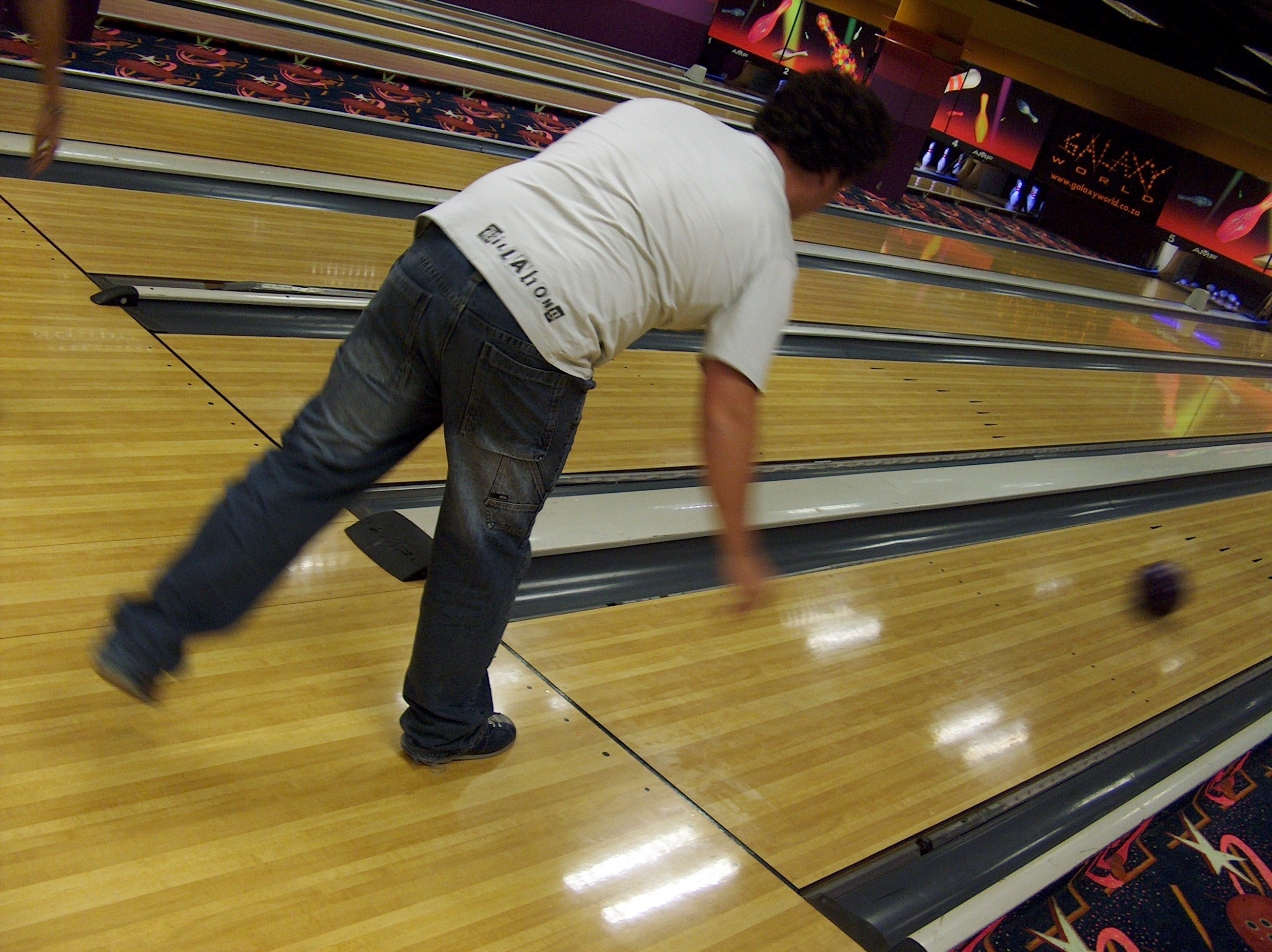
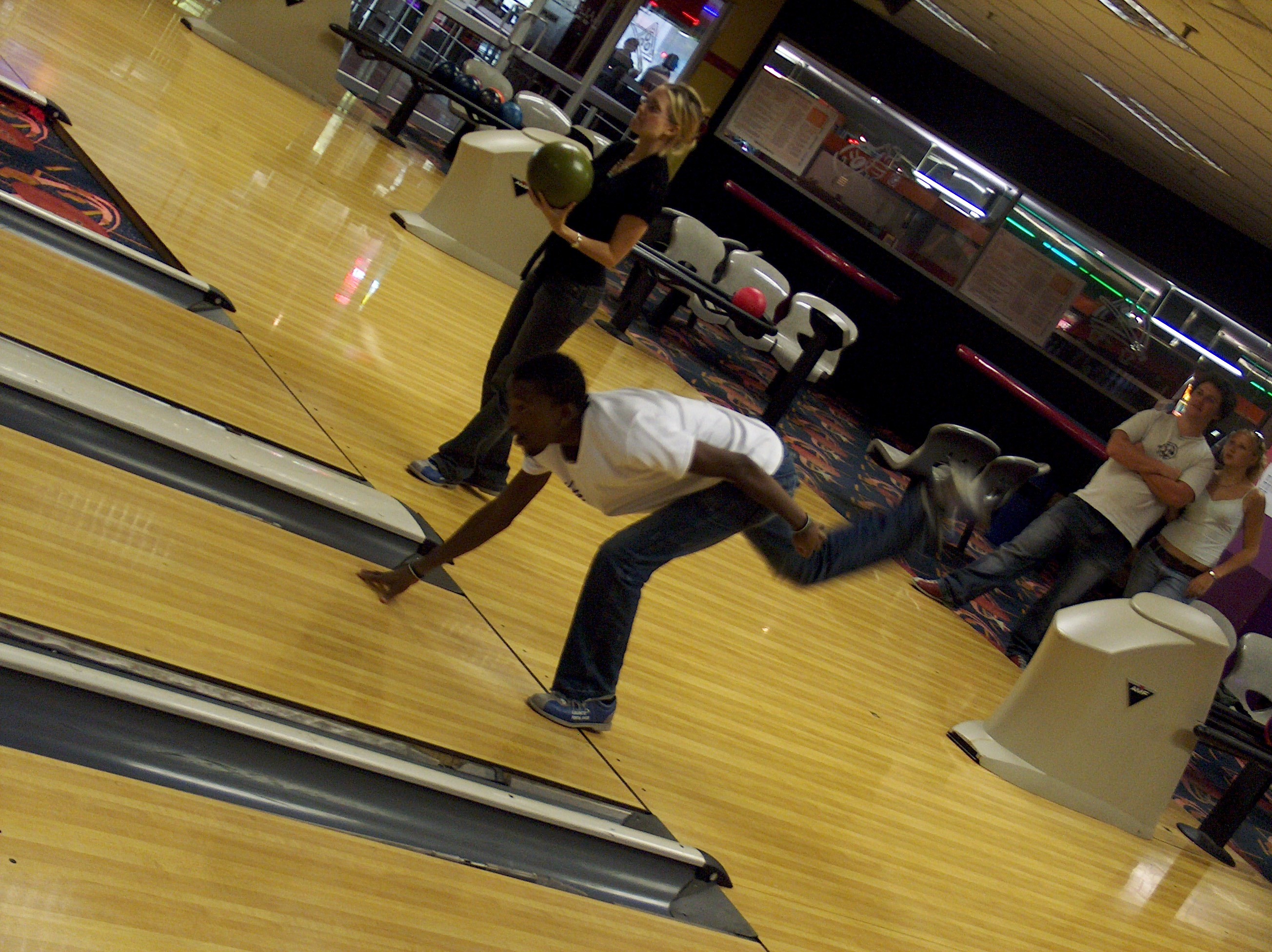
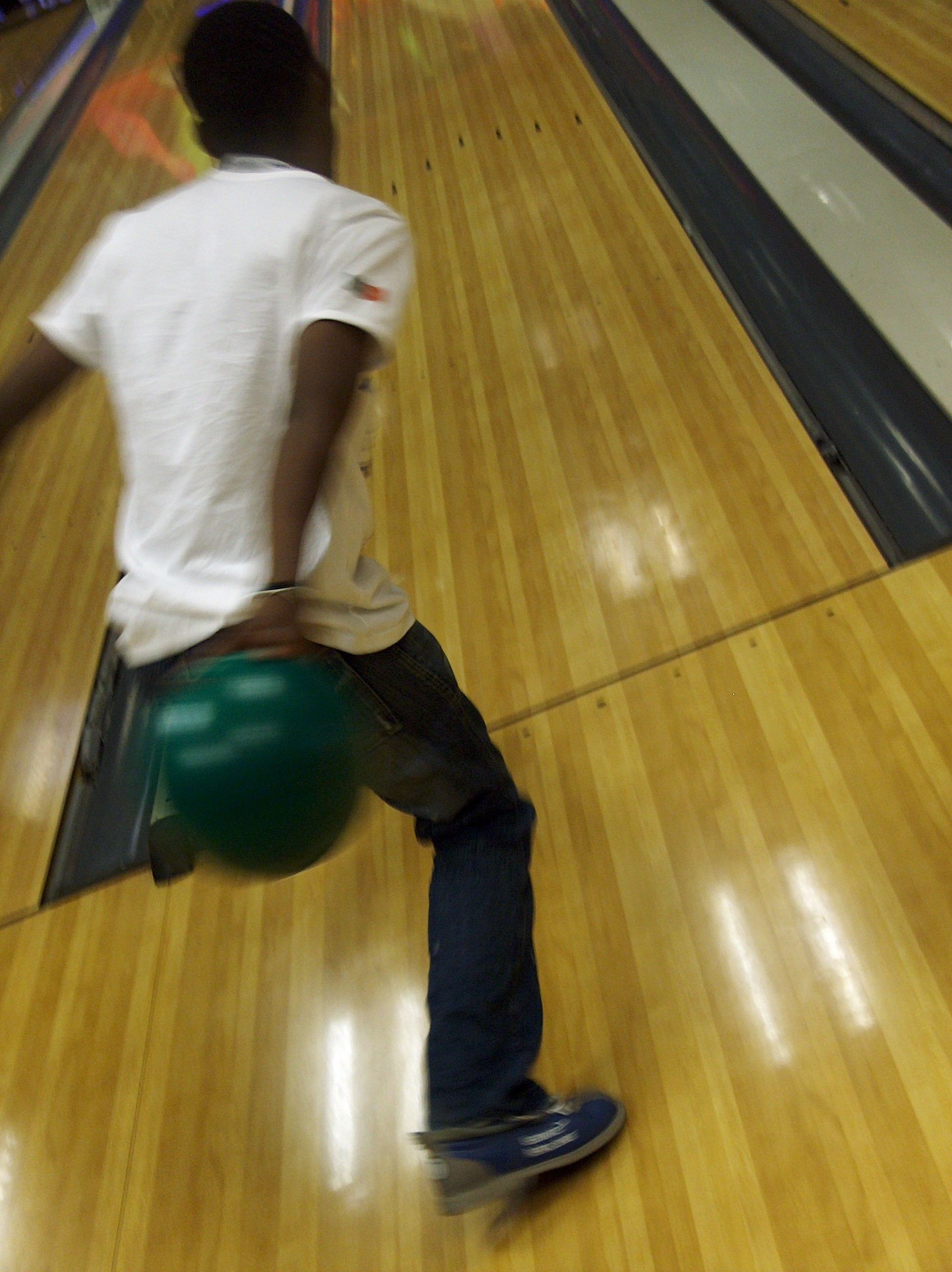
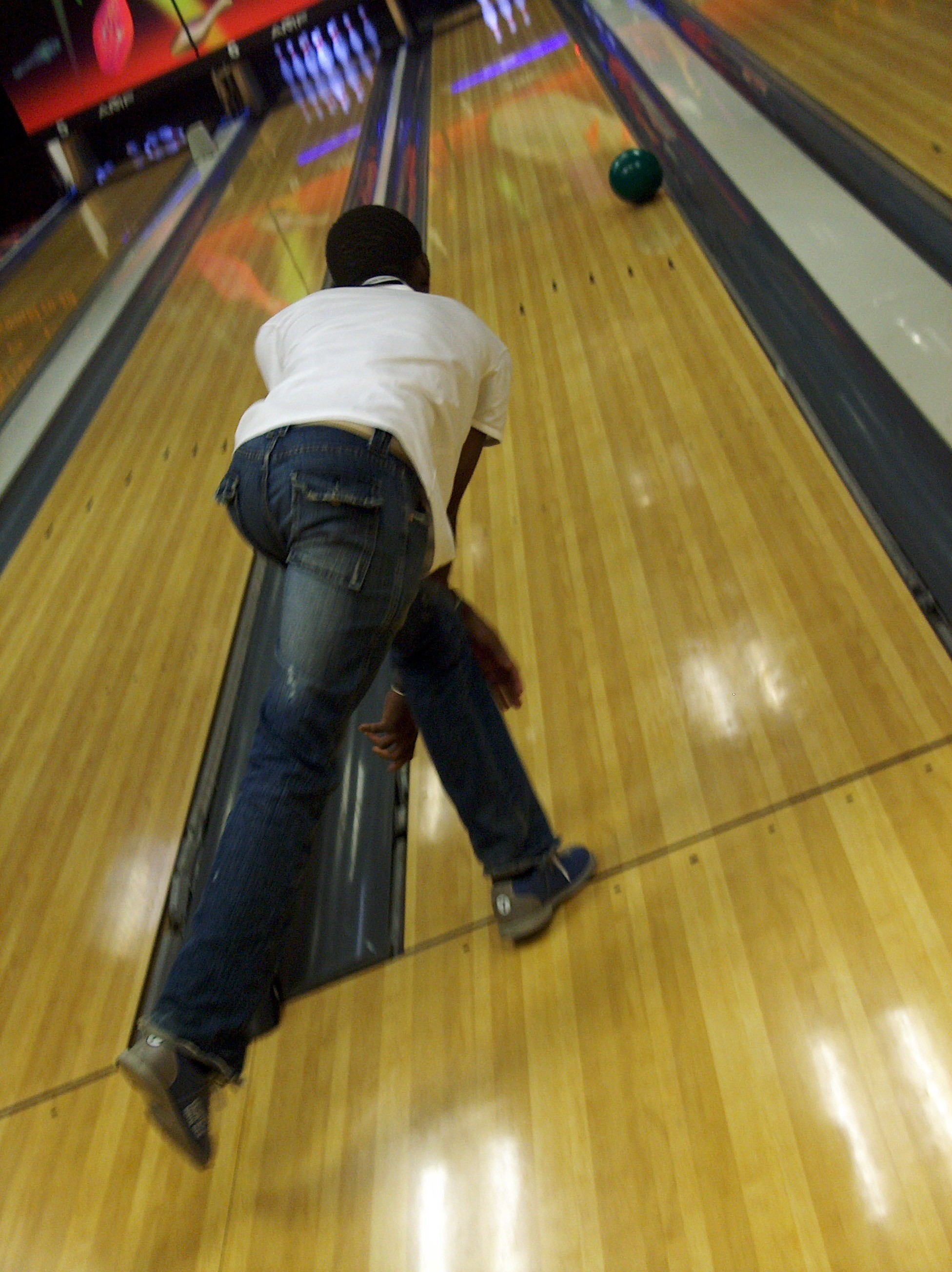
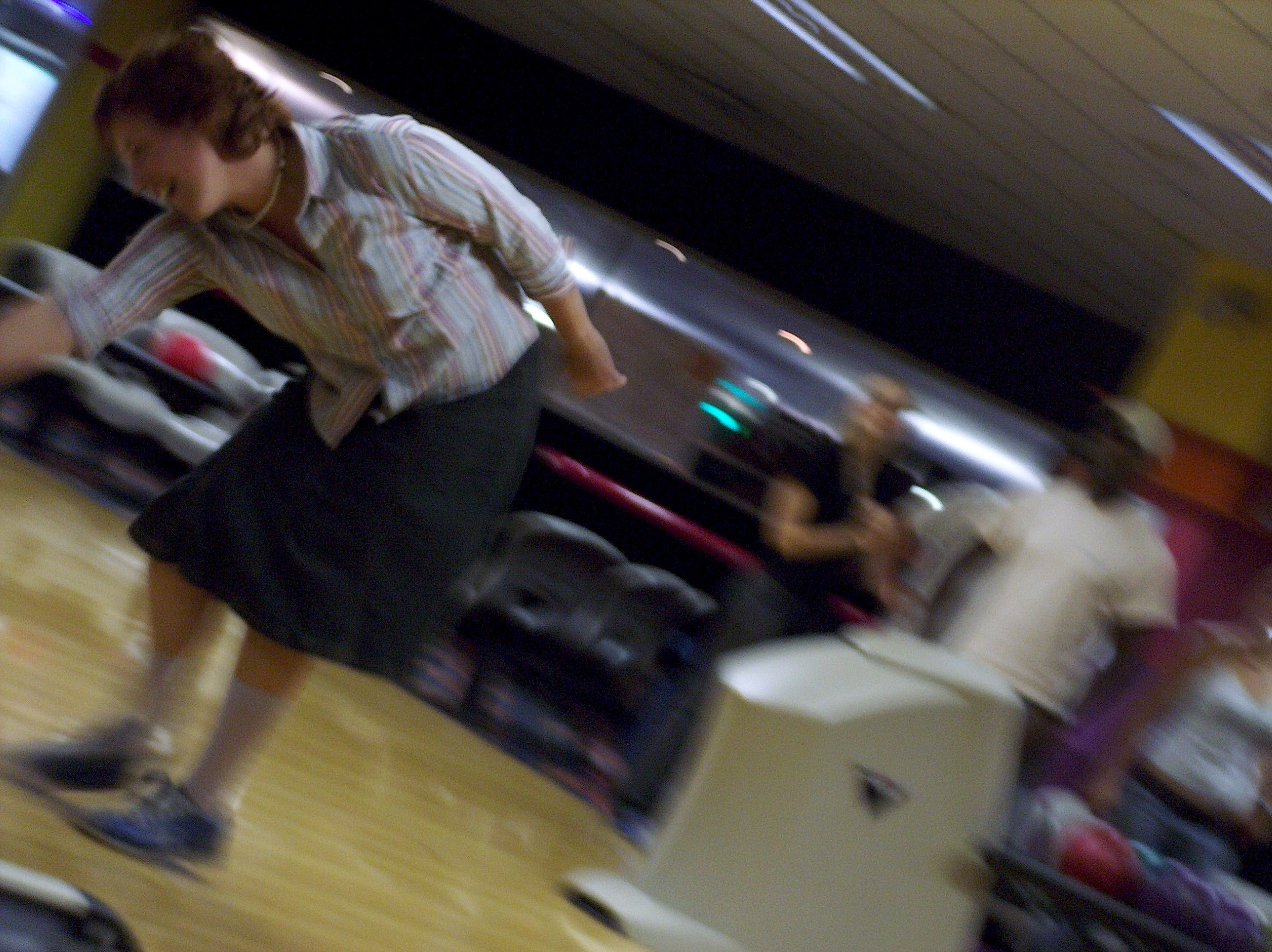
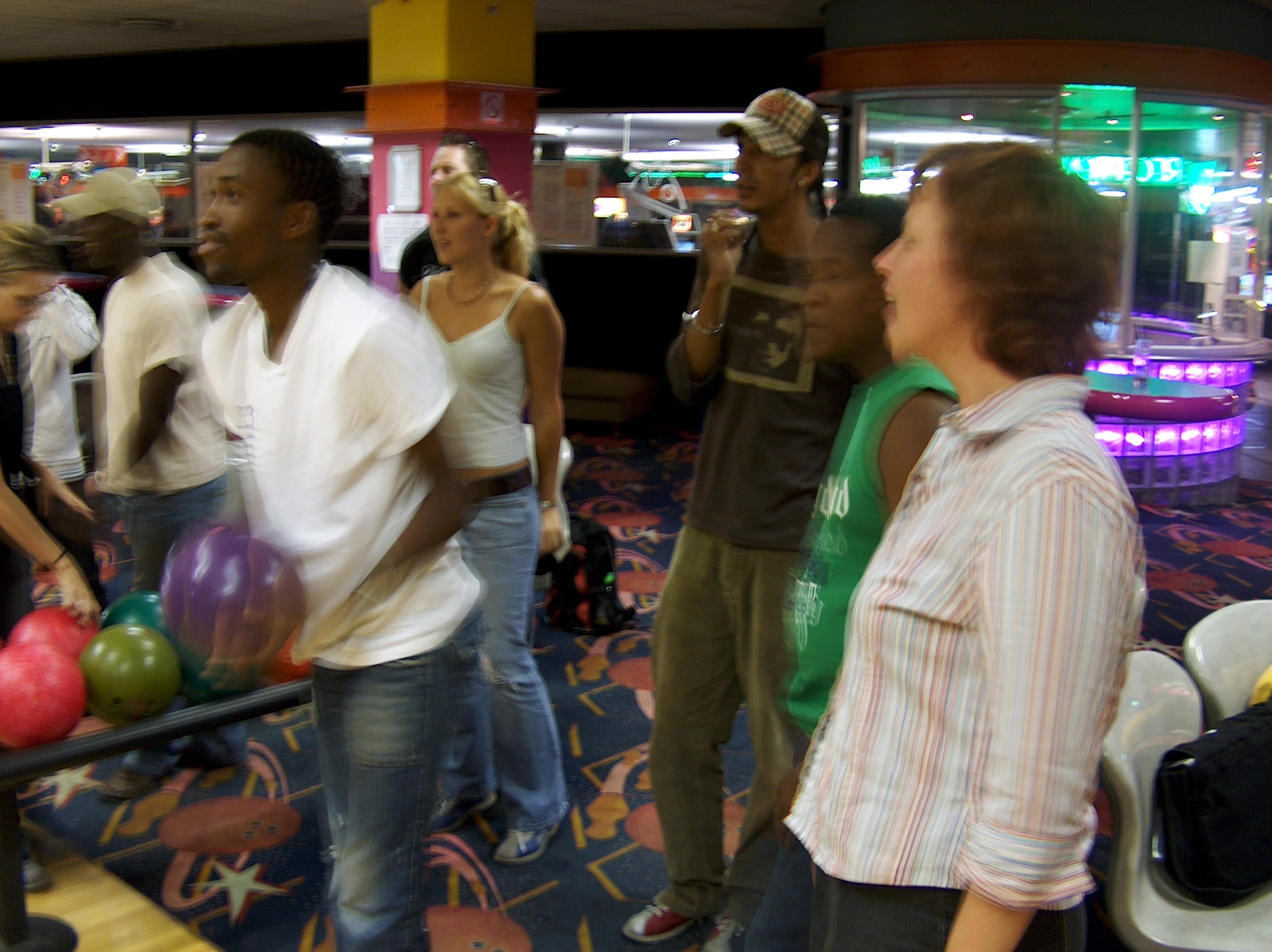
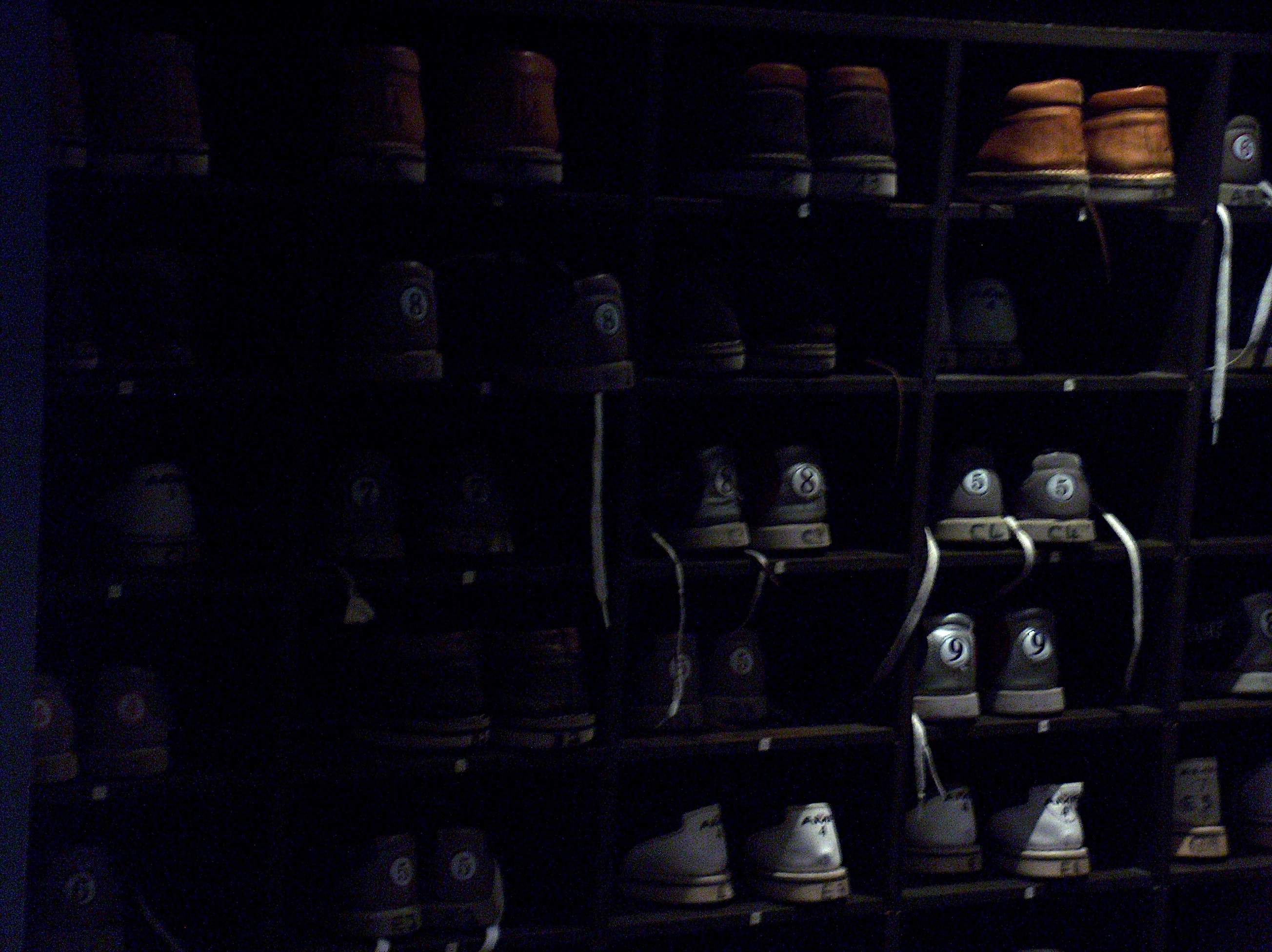
The bowling alley is inside an arcade in the Mall. The lighting is dim, and the environment is noisy, with the ambient sounds of pin’s falling and shooting games, and sudden bells ringing. There is a constant background hum of ‘musac’ to try softening the din created by all those arcade games. Upon arrival at the bowling alley, we were asked to perform several tasks, including purchase tickets at one counter and then receive “bowling shoes” from another counter, with the tickets we had just purchased. The receptionist divided the group into two, because there were too many of us to use just one alley. Interestingly, these two groups [created arbitrarily by the receptionist] at once behaved in competition with each other, even though we were not engaging in competitive sports.
Throughout the session those not bowling conducted a discussion of the ideological formations present around us. Interesting points that were raised included noticing that we had disrupted the ideology of the class room through conducting our lesson in a bowling alley; that there were various devices employed to keep us in our group, and also homogenise the group; that much of the activities and procedures had to do with controlling our behaviour; that there are designated spaces in which certain kinds of behaviour are appropriate [for example that it is OK to run over pedestrians in a computer game but not in real life]. Some students had never been to the bowling alley before and said that they found it interesting that people go bowling at all. One student also said that he would never look at anything in the same way ever again having engaged in unpacking such a seemingly neutral space in terms of ideology and power.
Sustainable Arcade
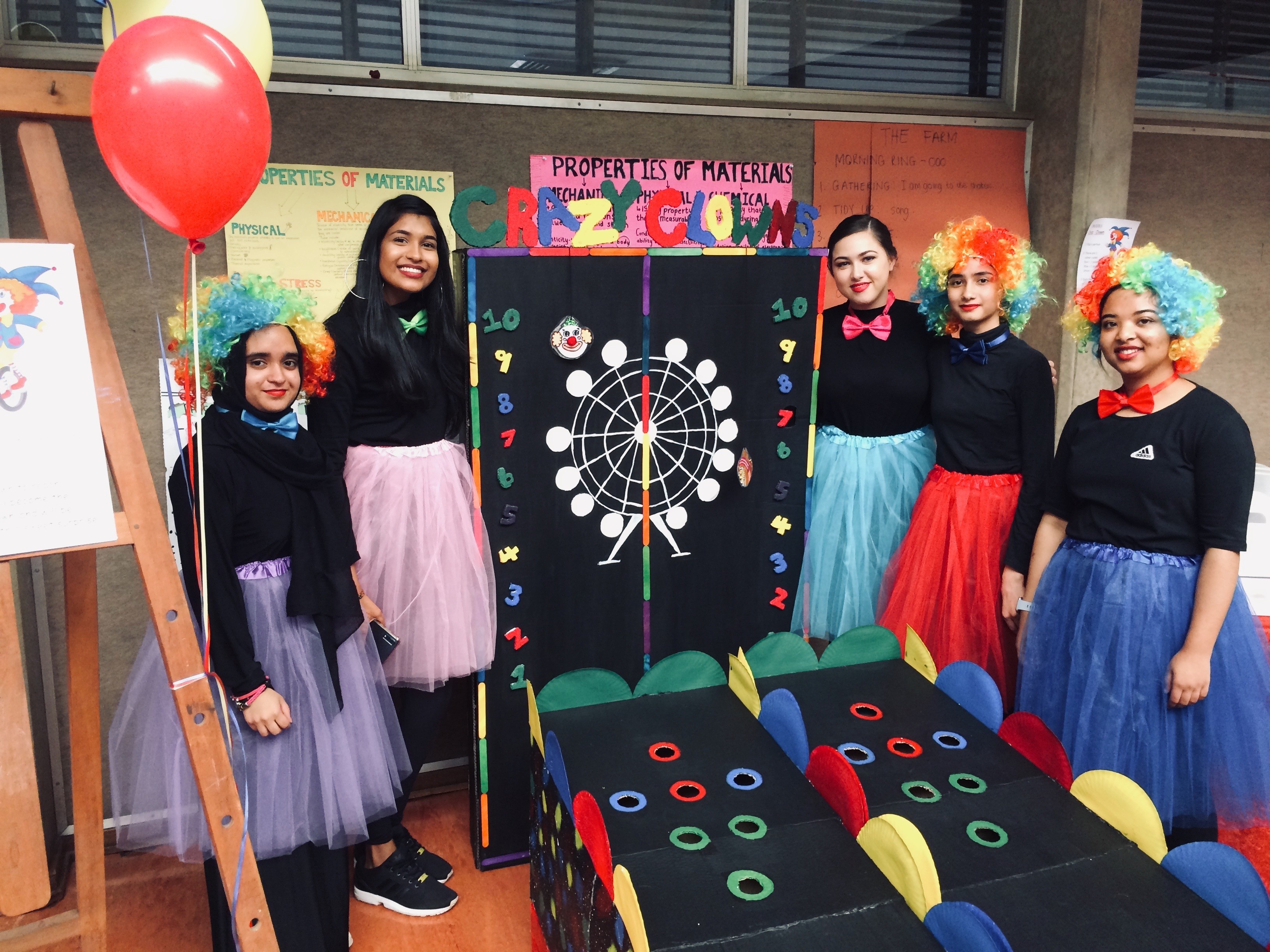
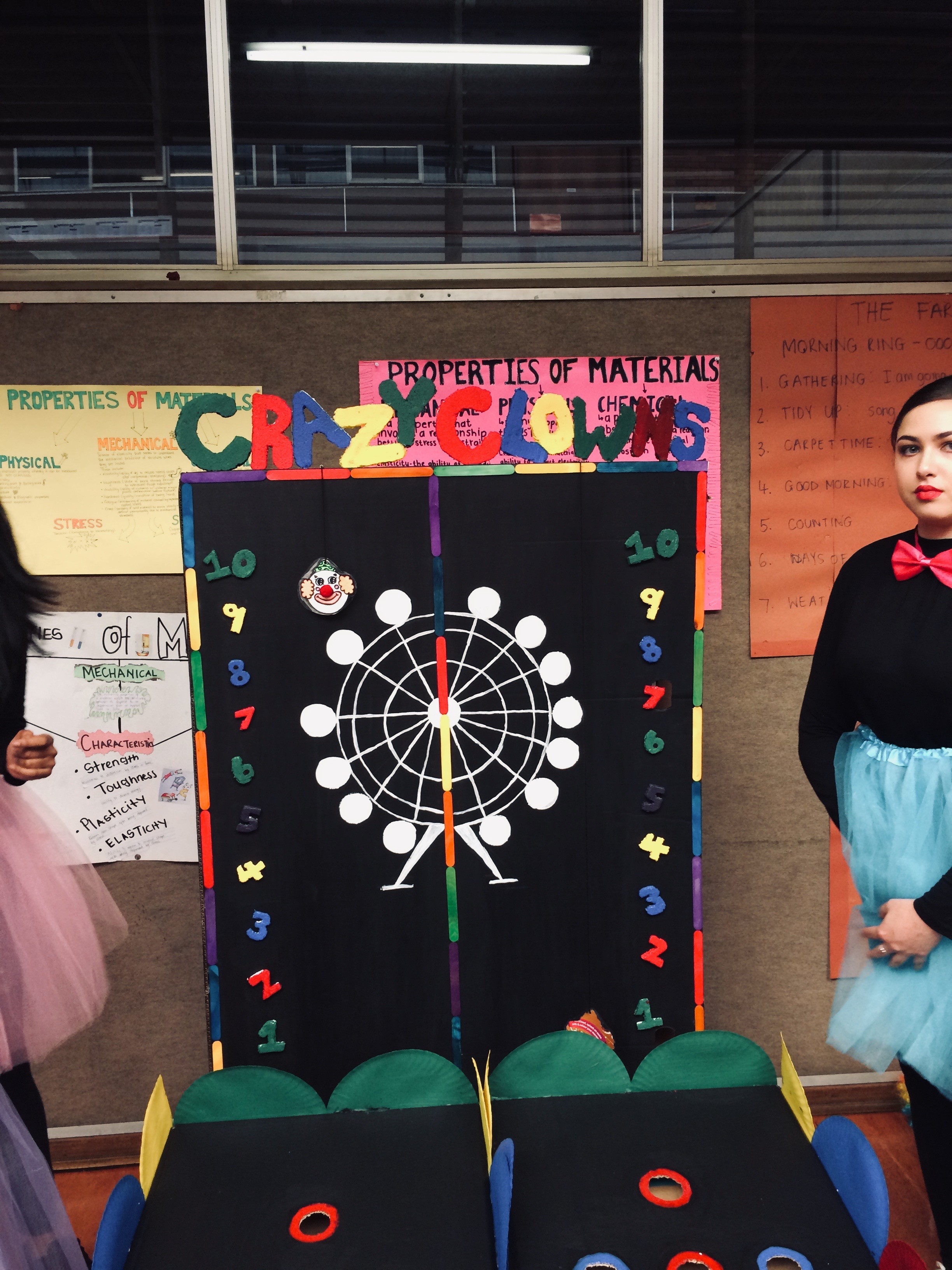
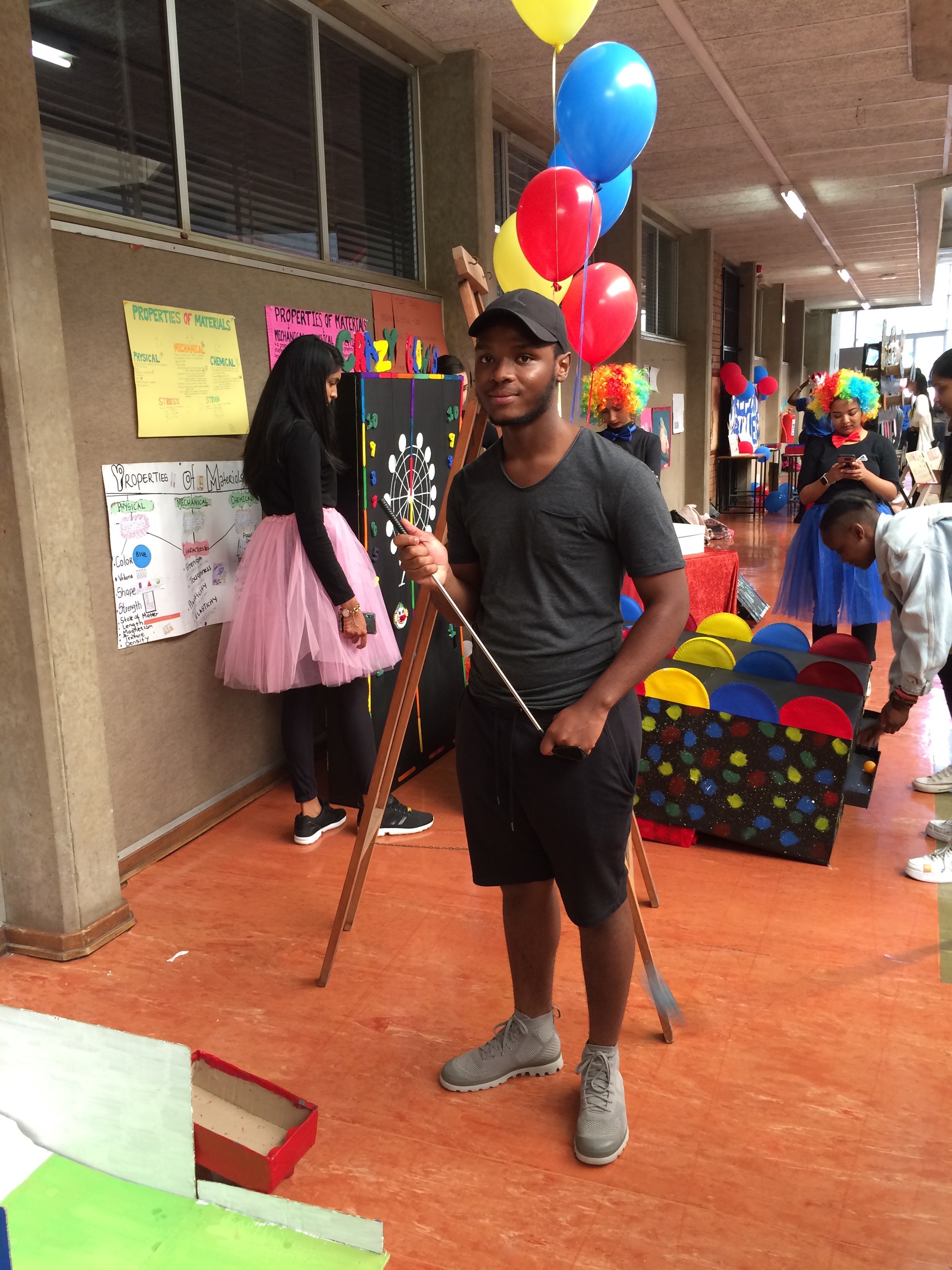
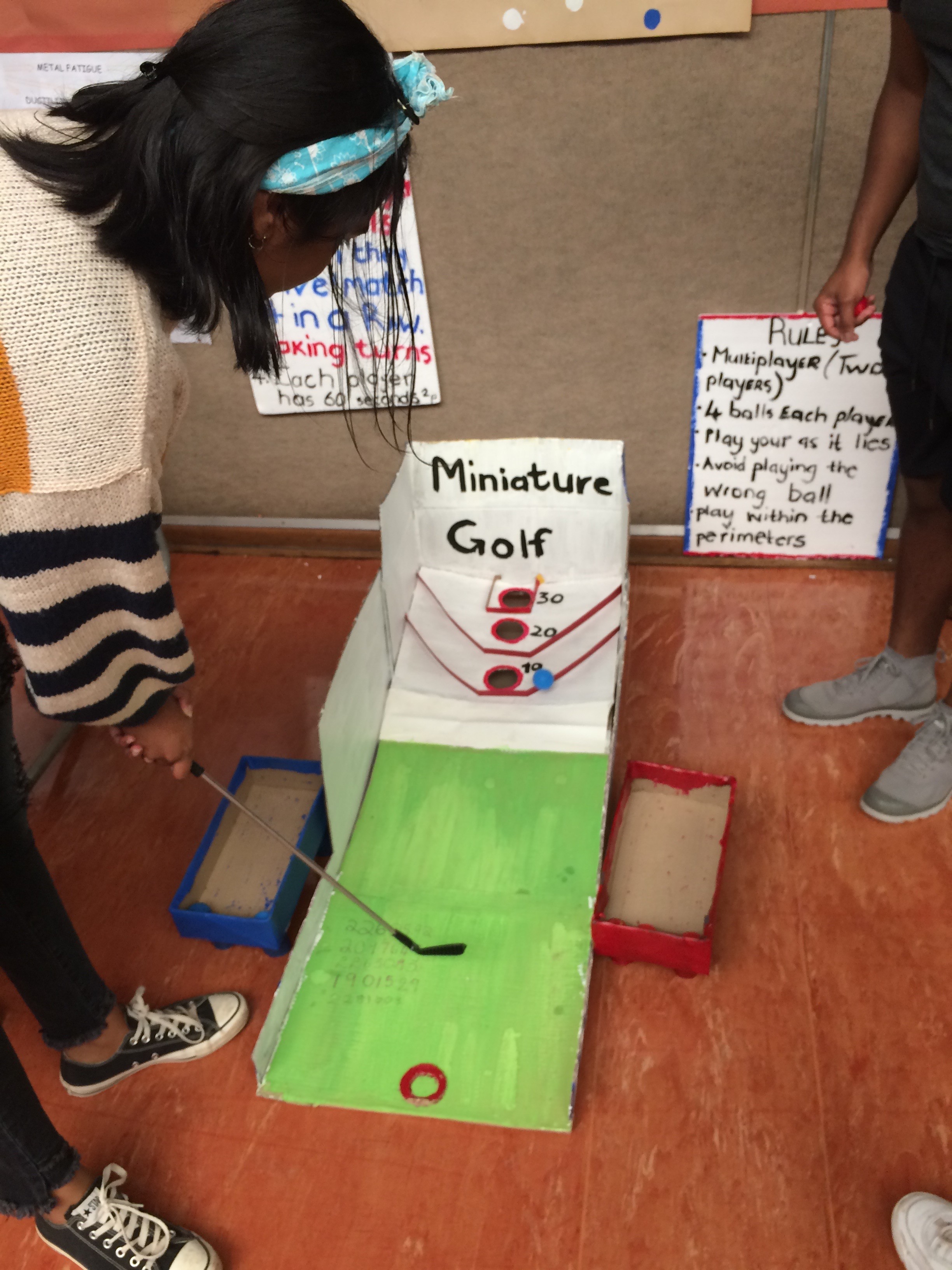
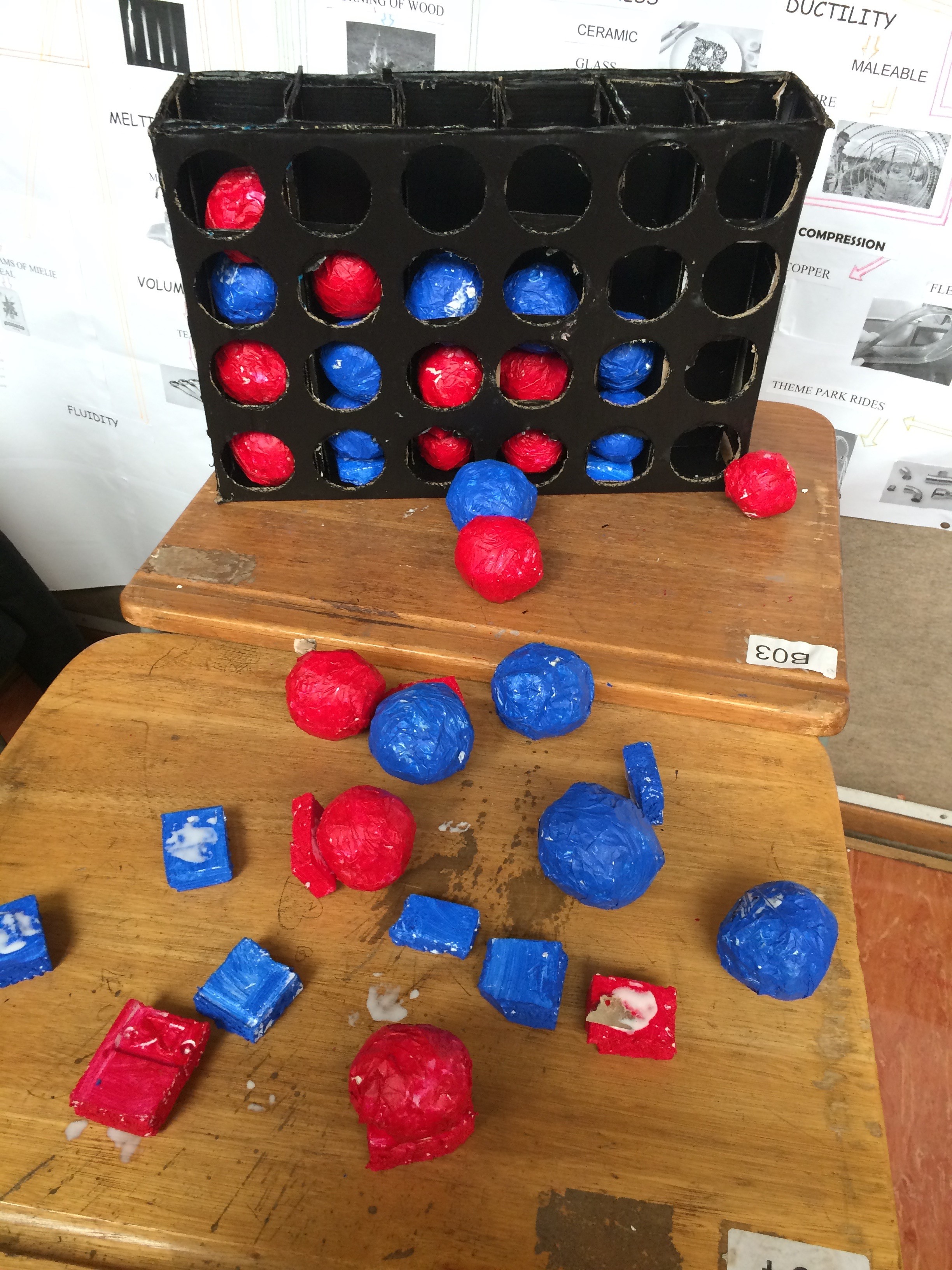
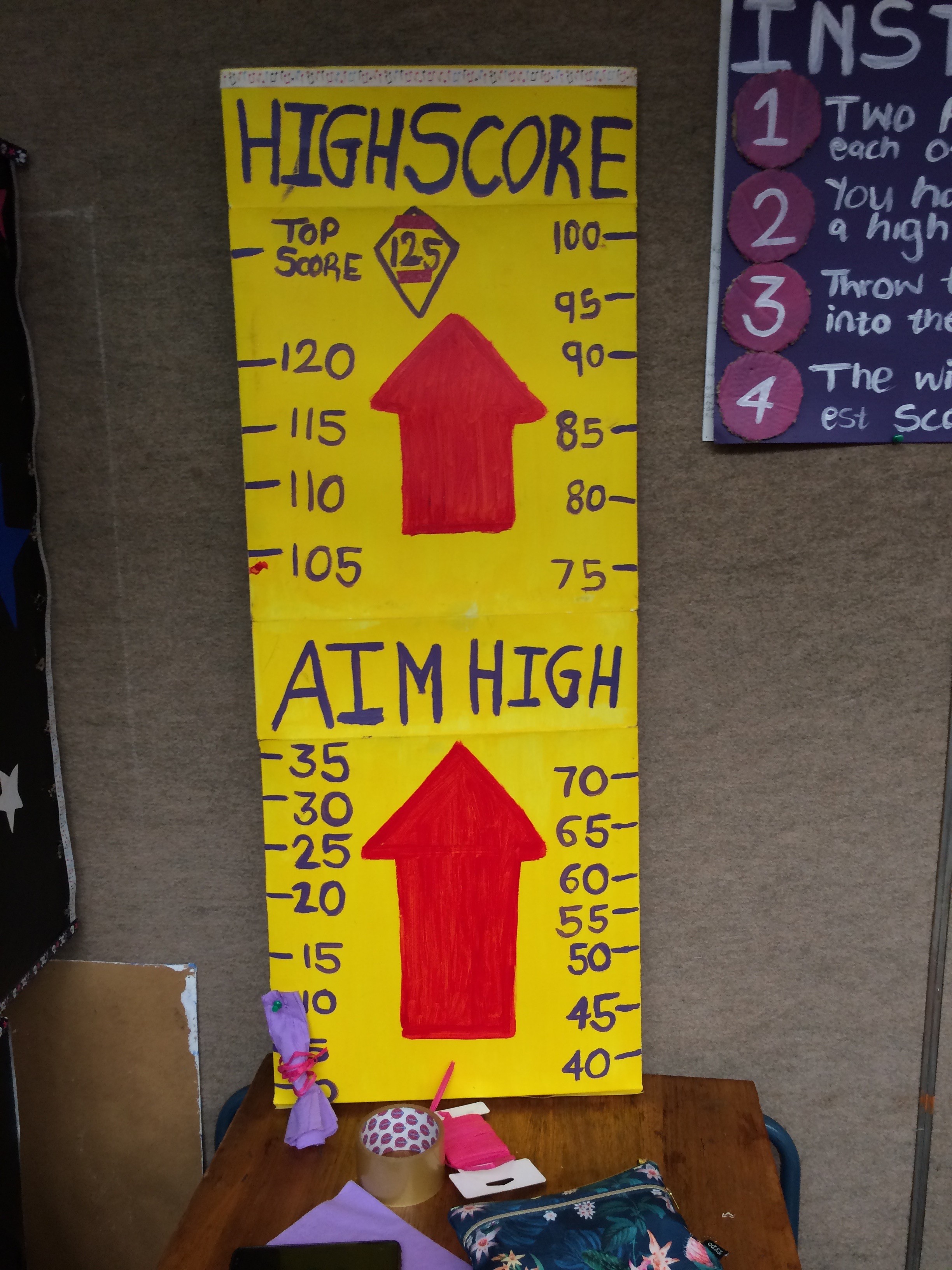
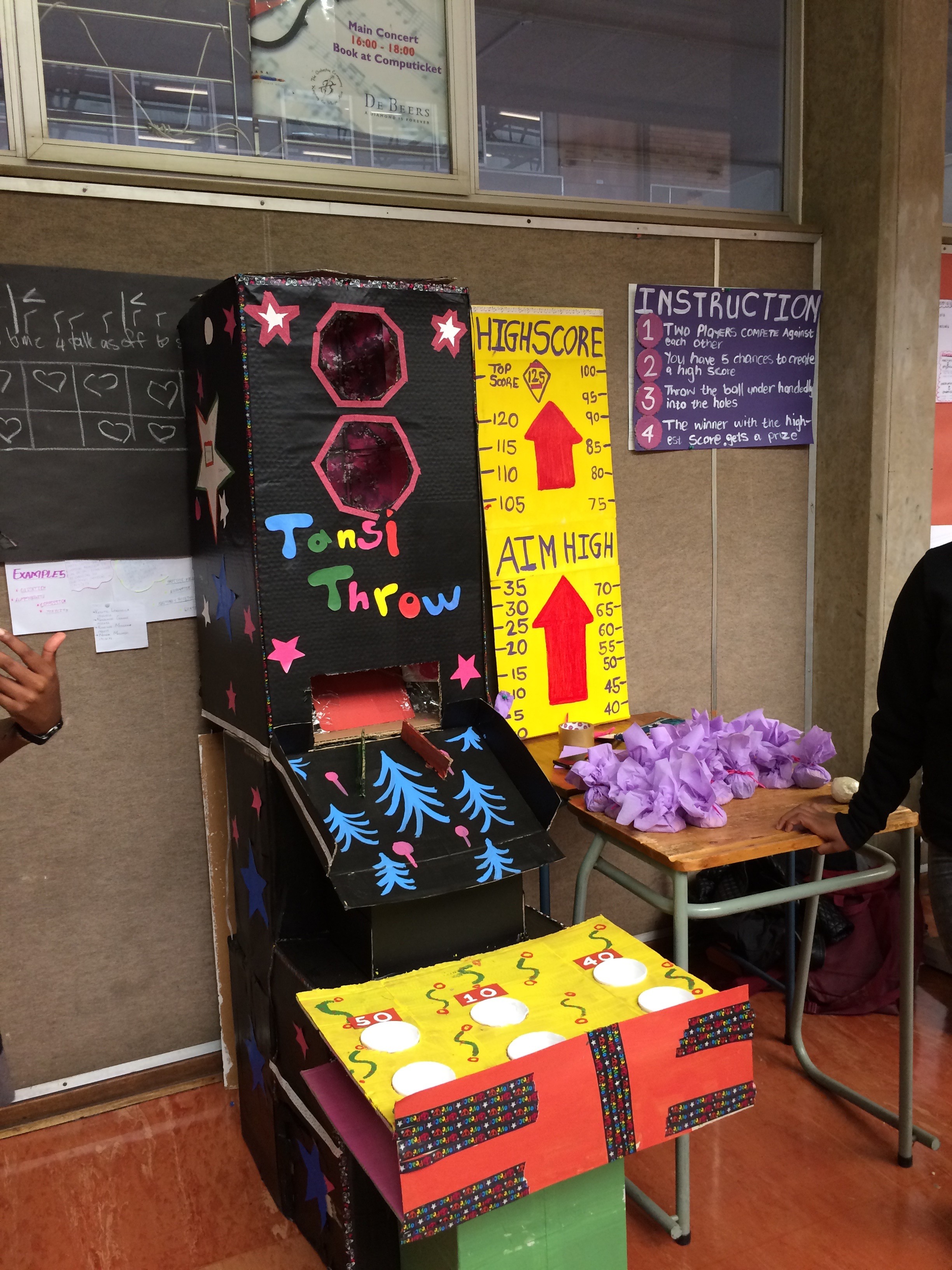
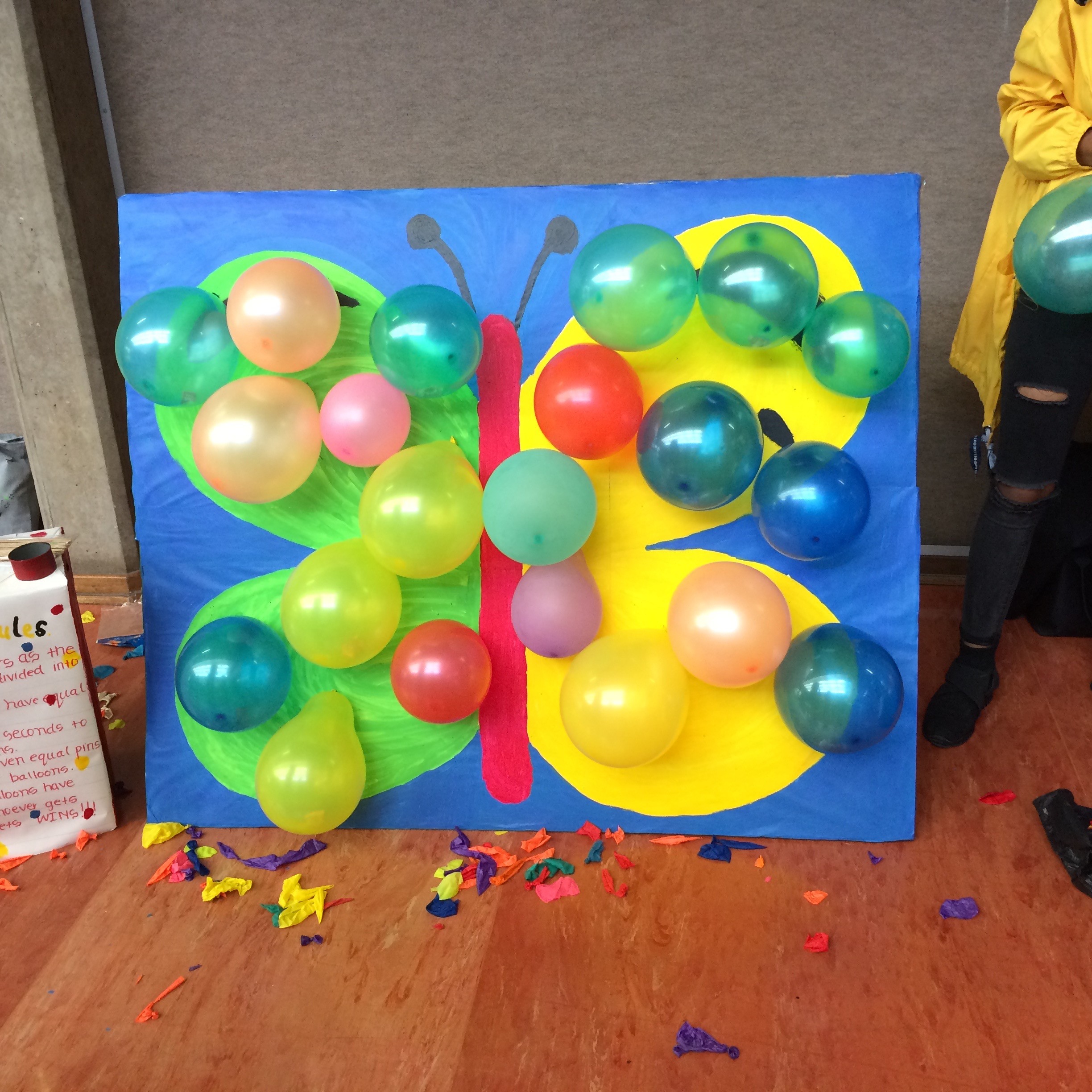
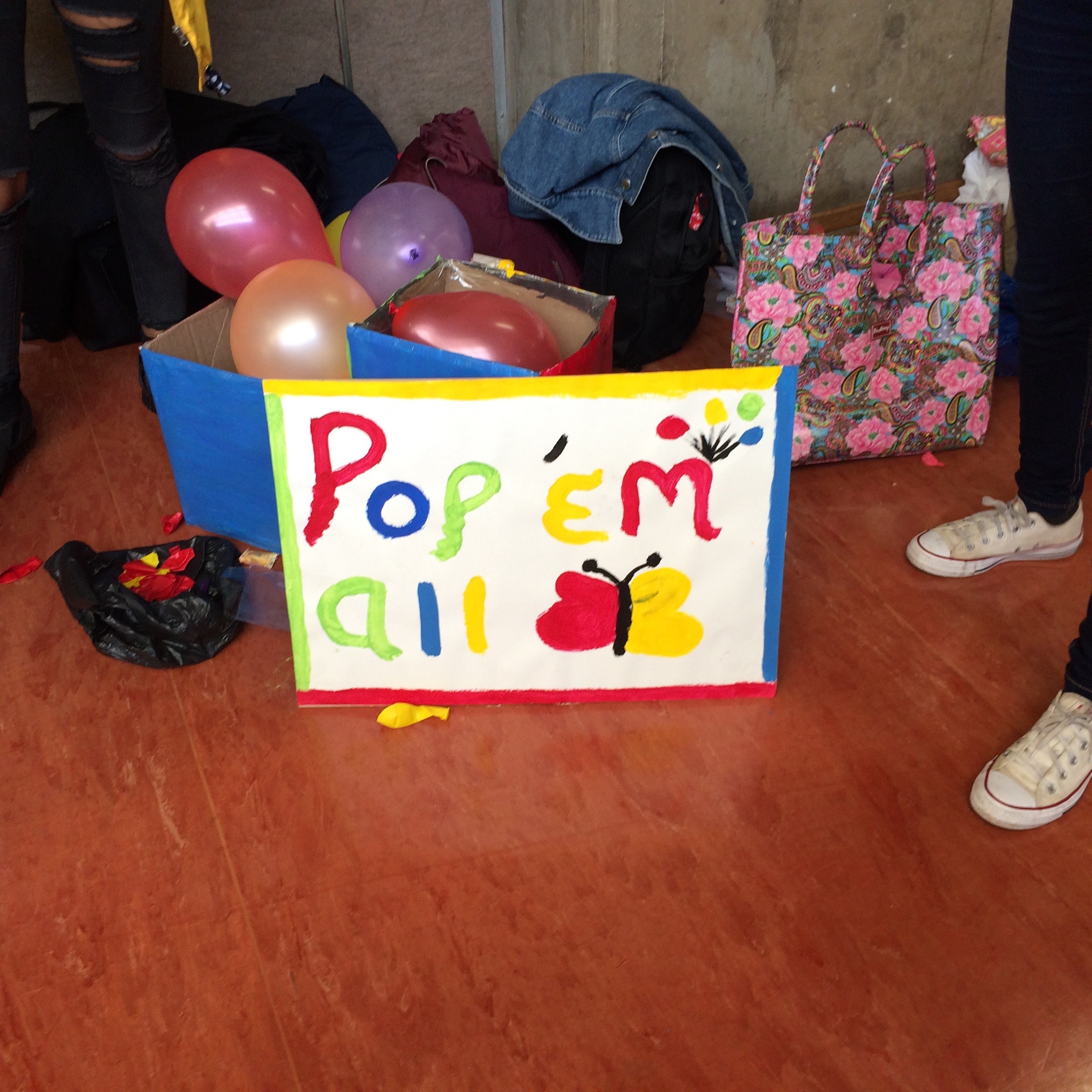
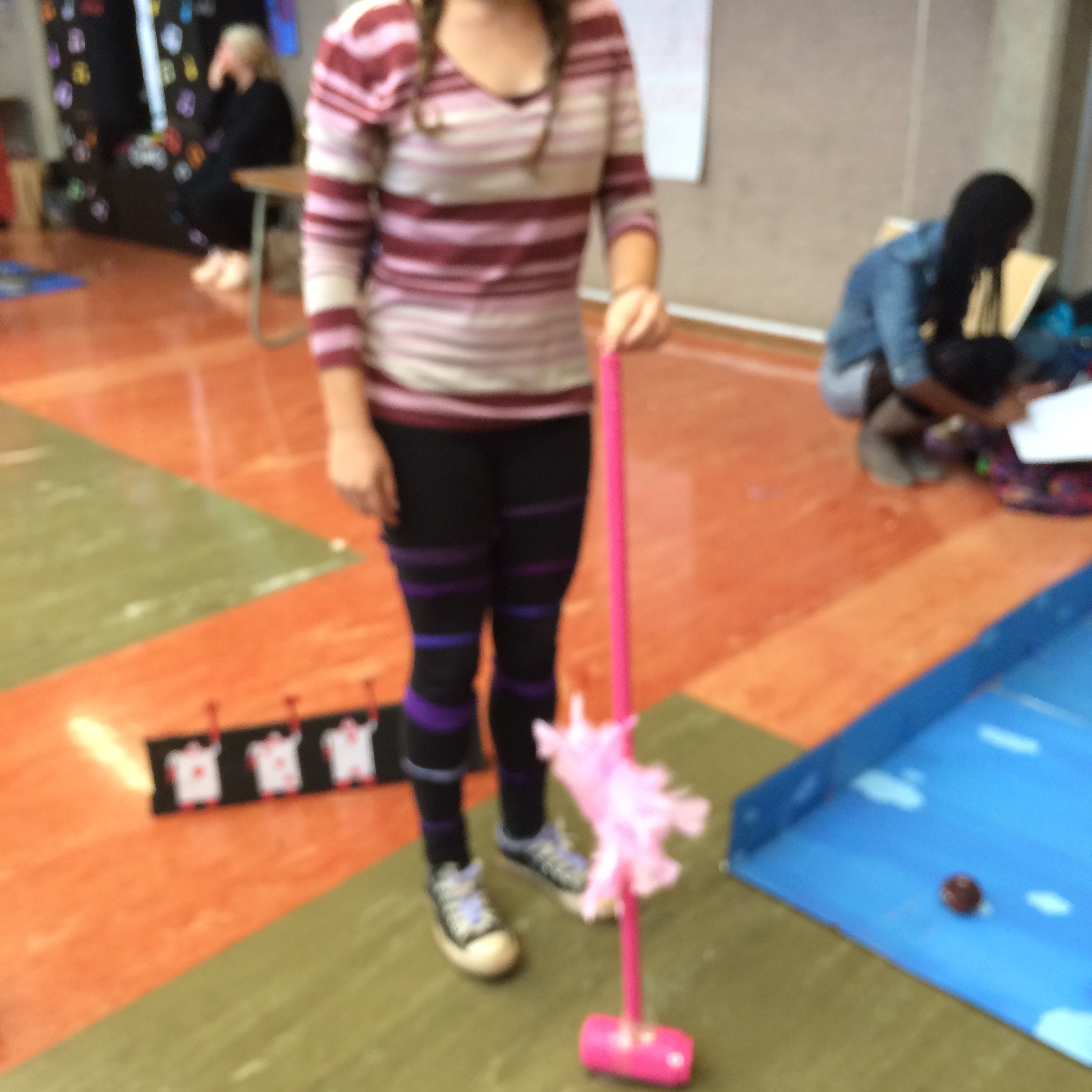
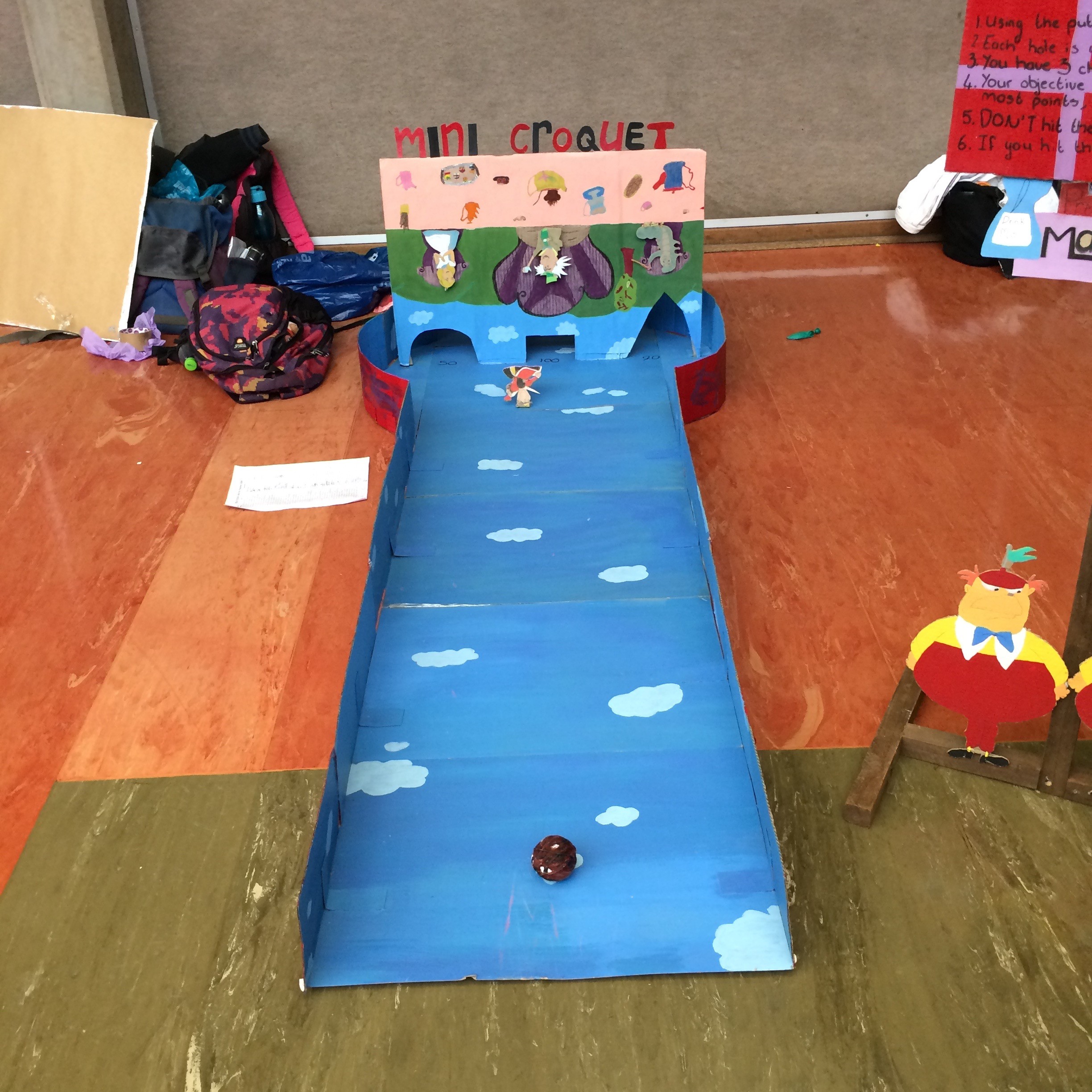
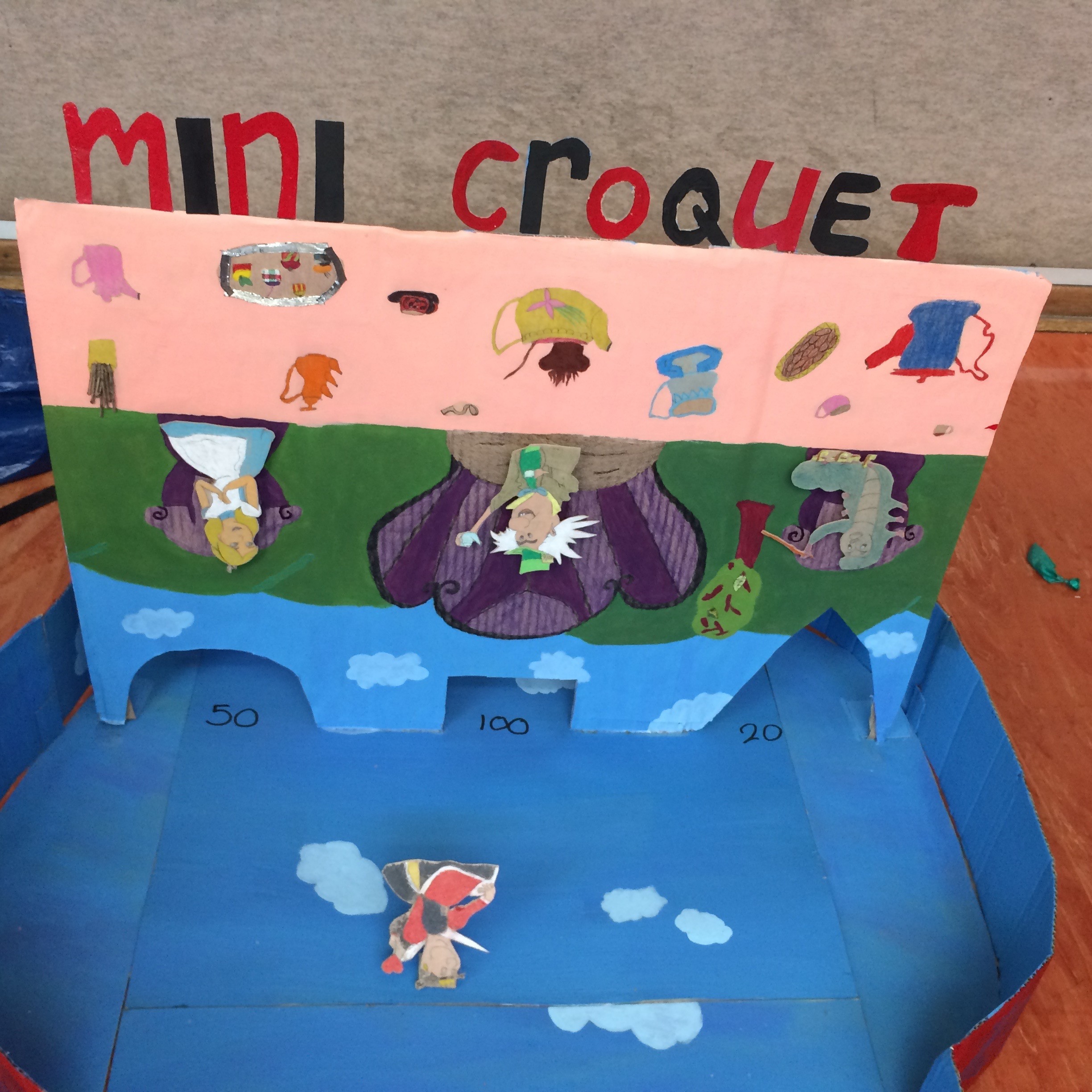
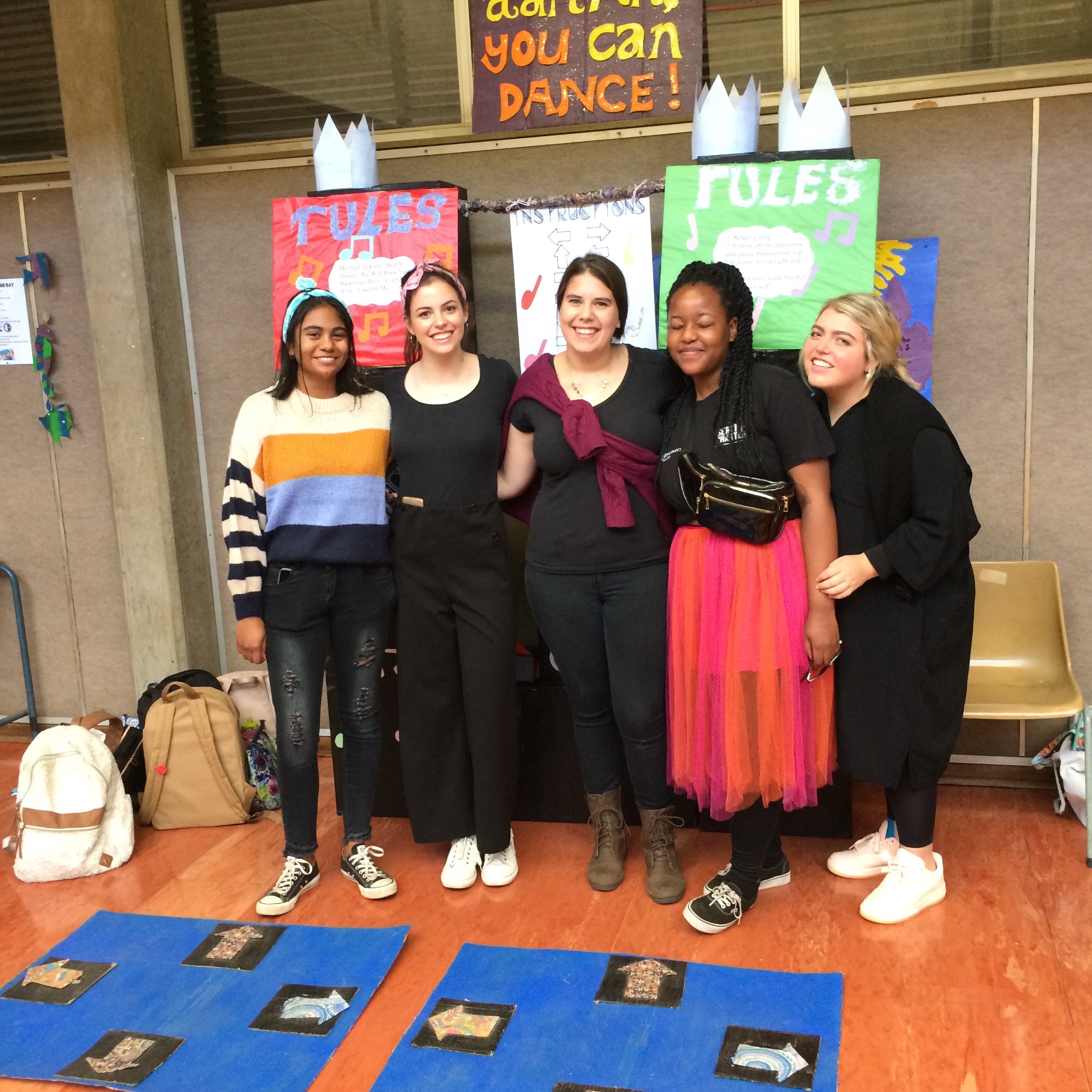
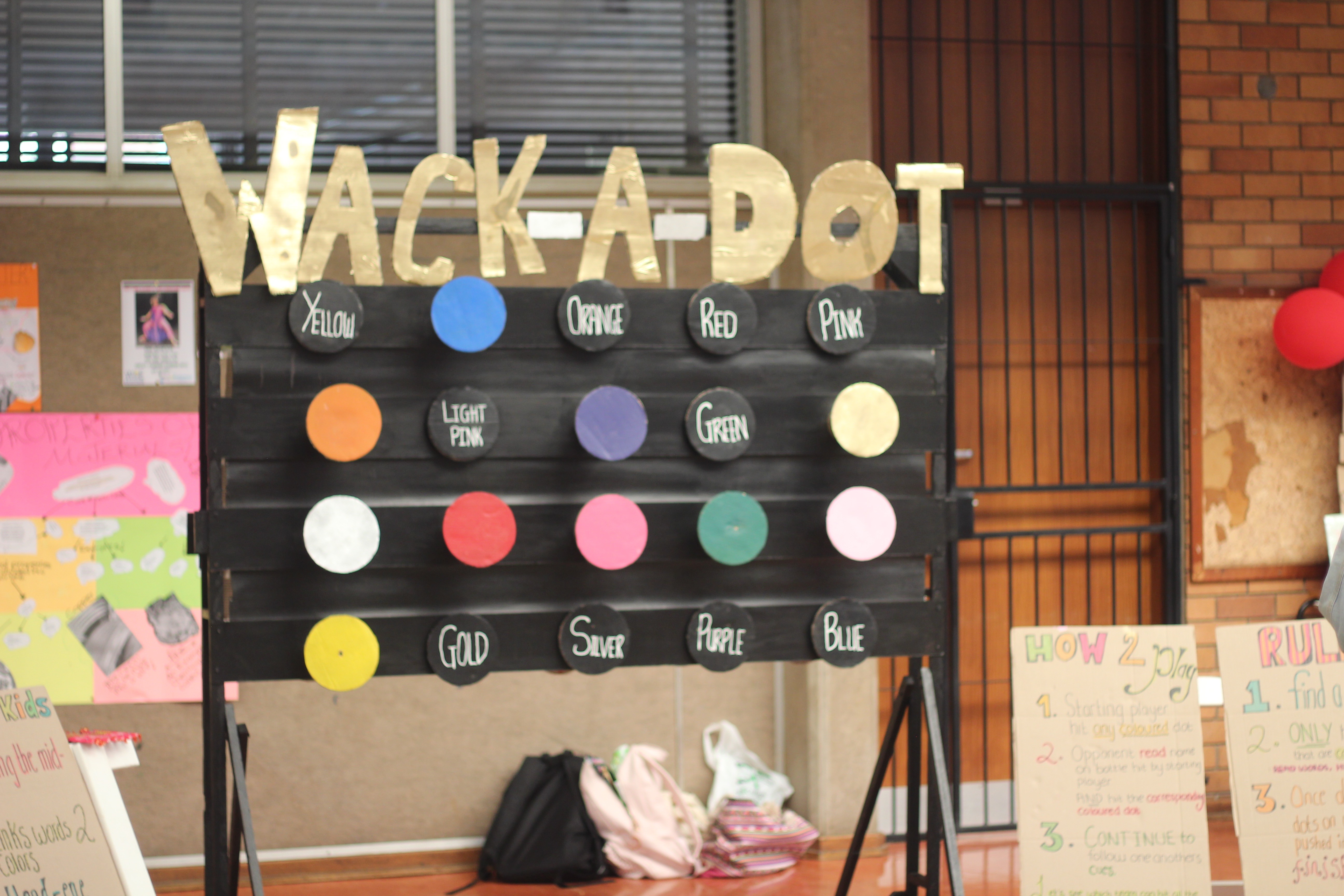
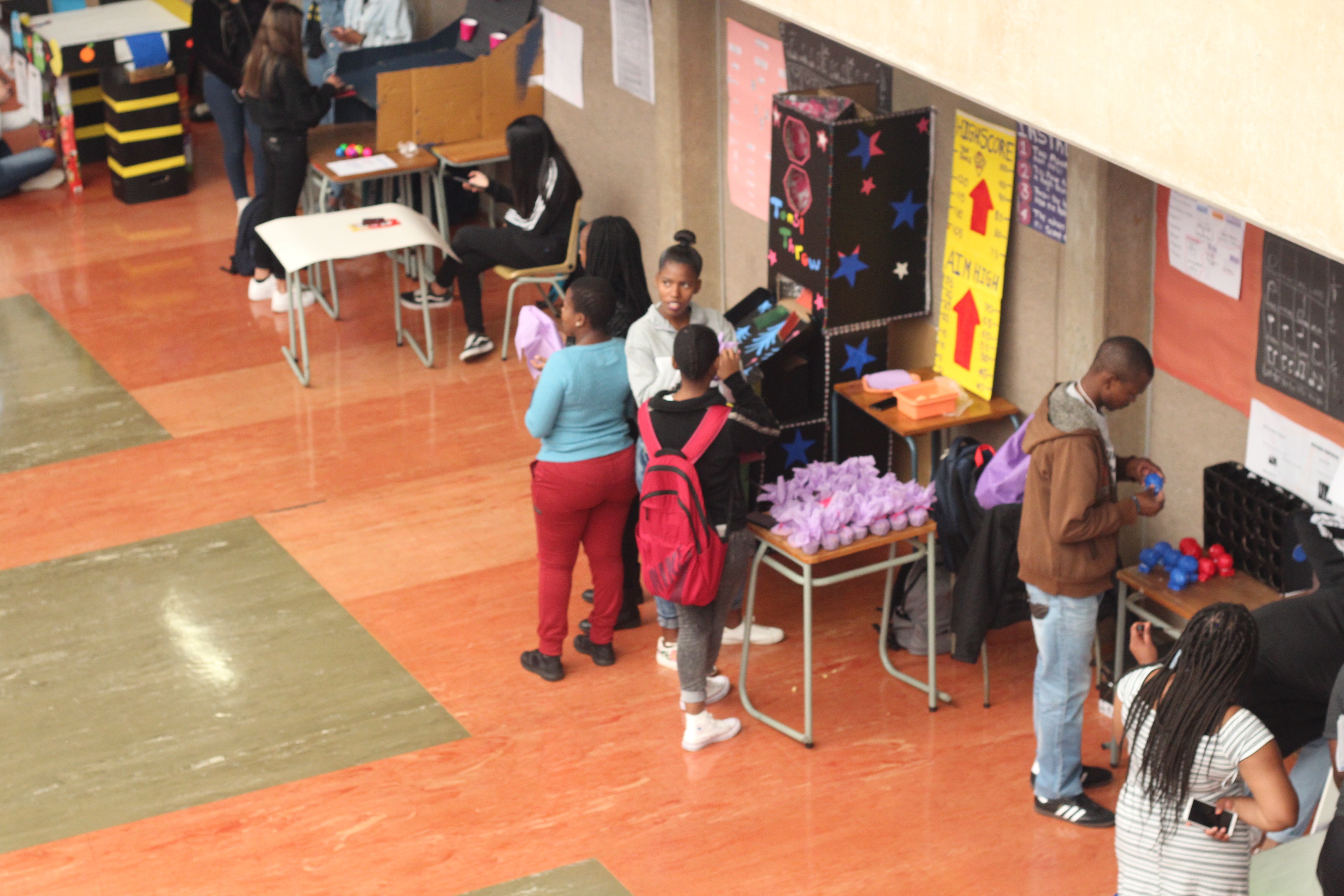
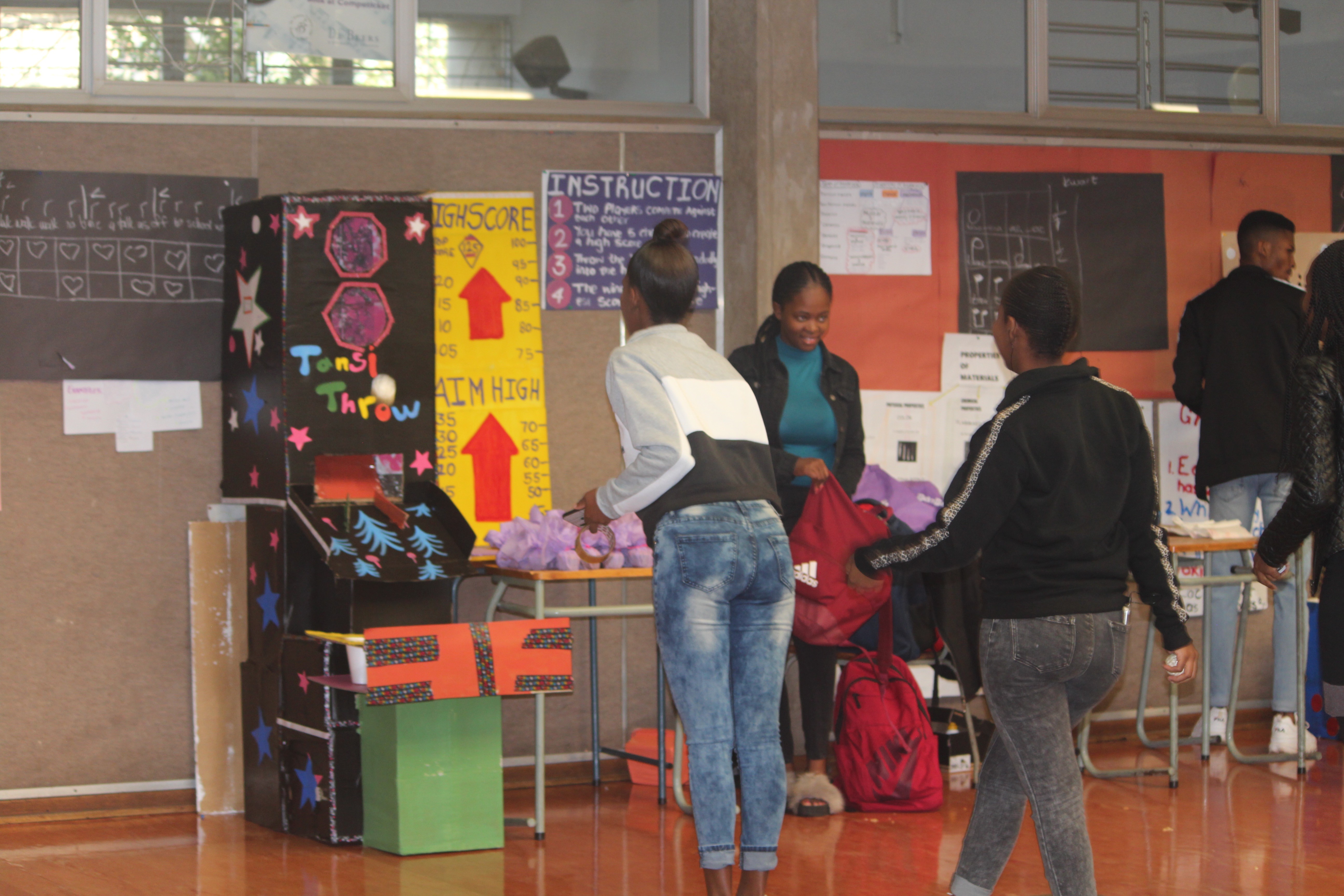
One of the challenges art teachers in South African schools face is a lack of arts materials. To inspire pre-service, arts-teachers-in-training to find creative solutions to keep their school learners making art, Prof. Alison Kearney developed a project wherein students worked in groups, to make working arcade games from waste materials. The project titled “Let the games begin!” was inspired by Caine’s Arcade. Among the assessment criteria were that the games had to have clear instructions for play, had to work (ie. be playable) and had to be aesthetically pleasing. The latter criterion required students to transform the materials through painting, sticking, and assemblage. At the end of the learning unit, we held a public games day, wherein all students, faculty and friends were invited to come play the arcade games. In requiring the arcade games to be aesthetically pleasing, they were considered as artworks, not only functional items: a good example of learning with and through artmaking.
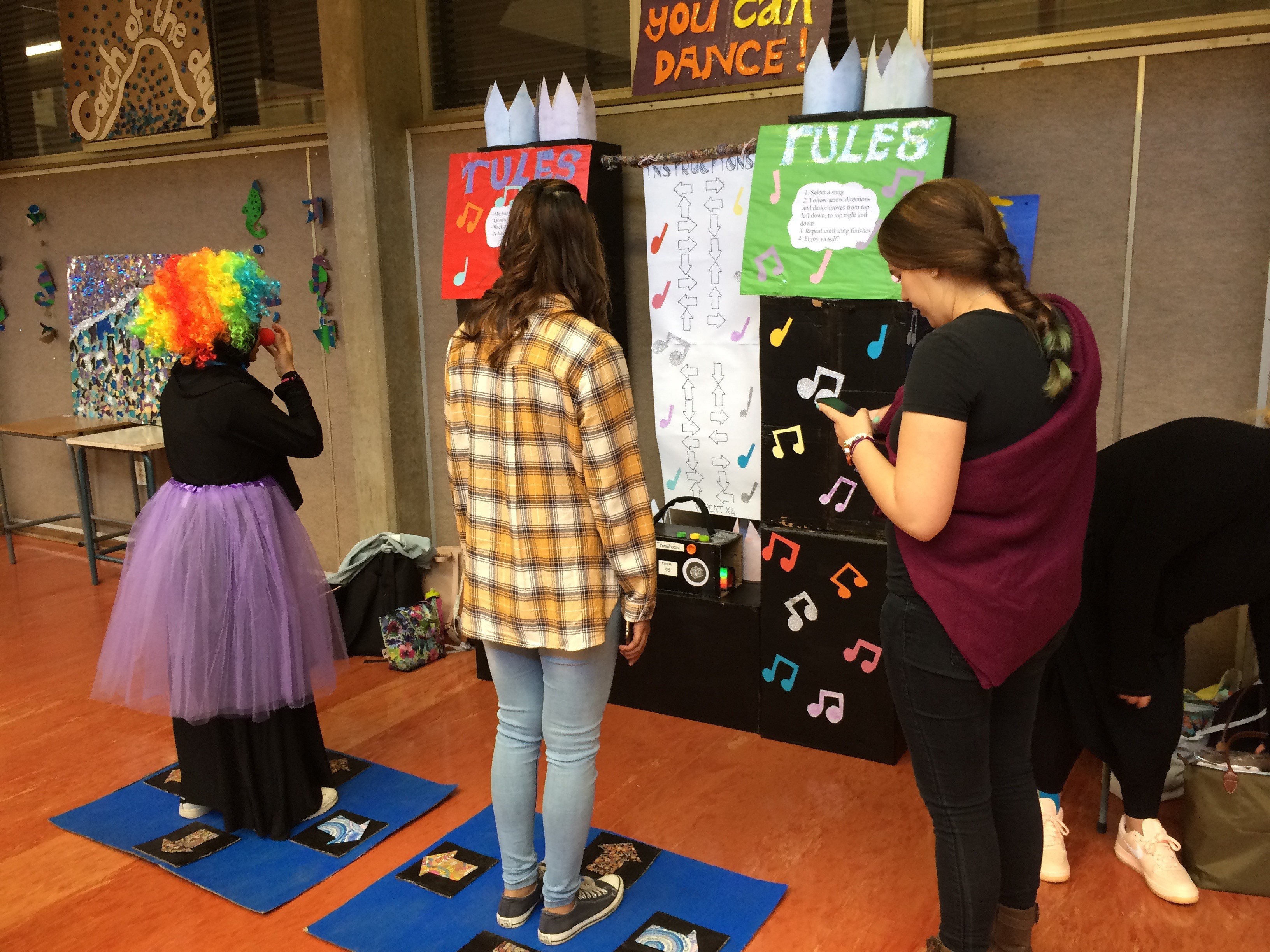
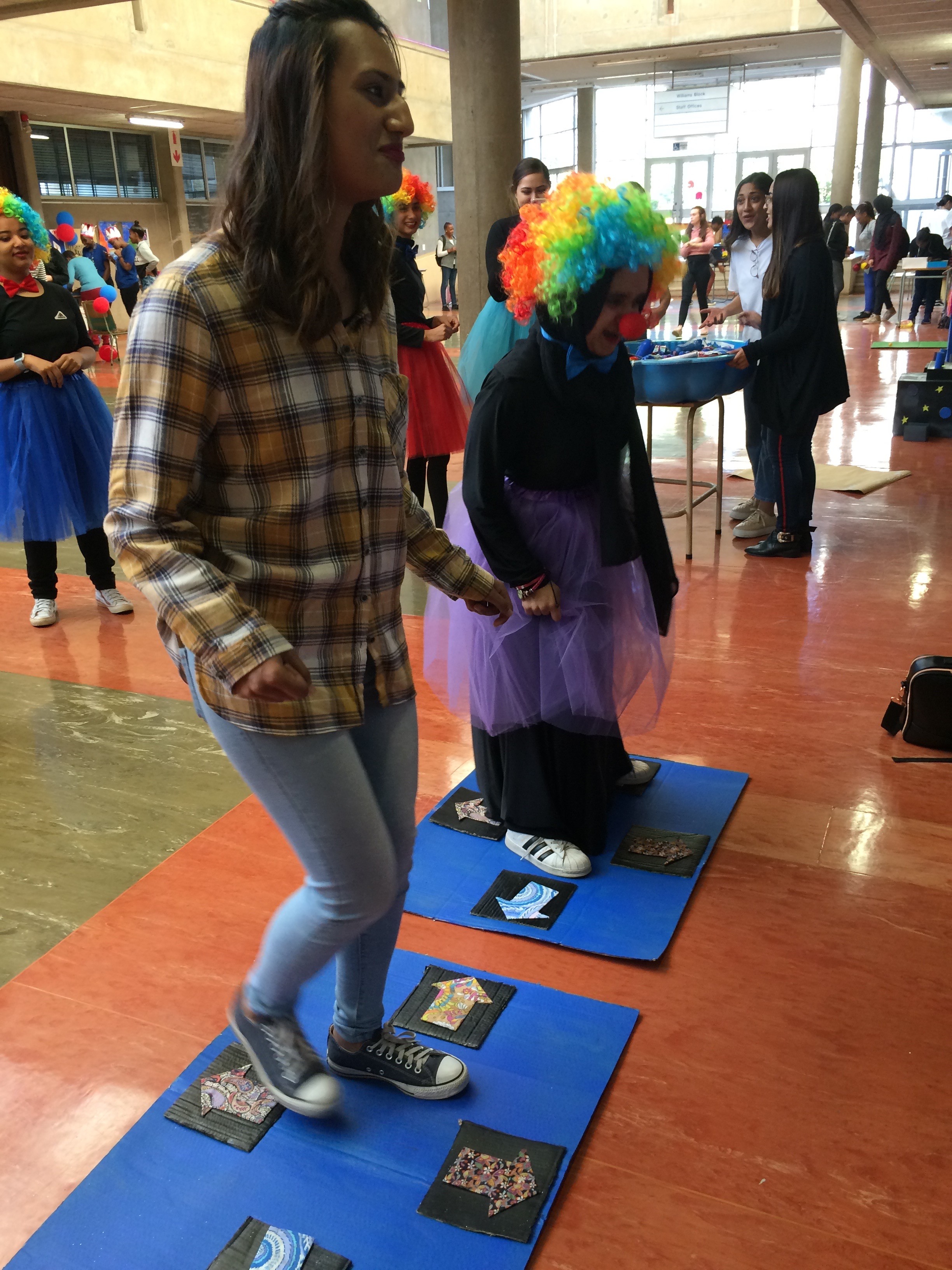
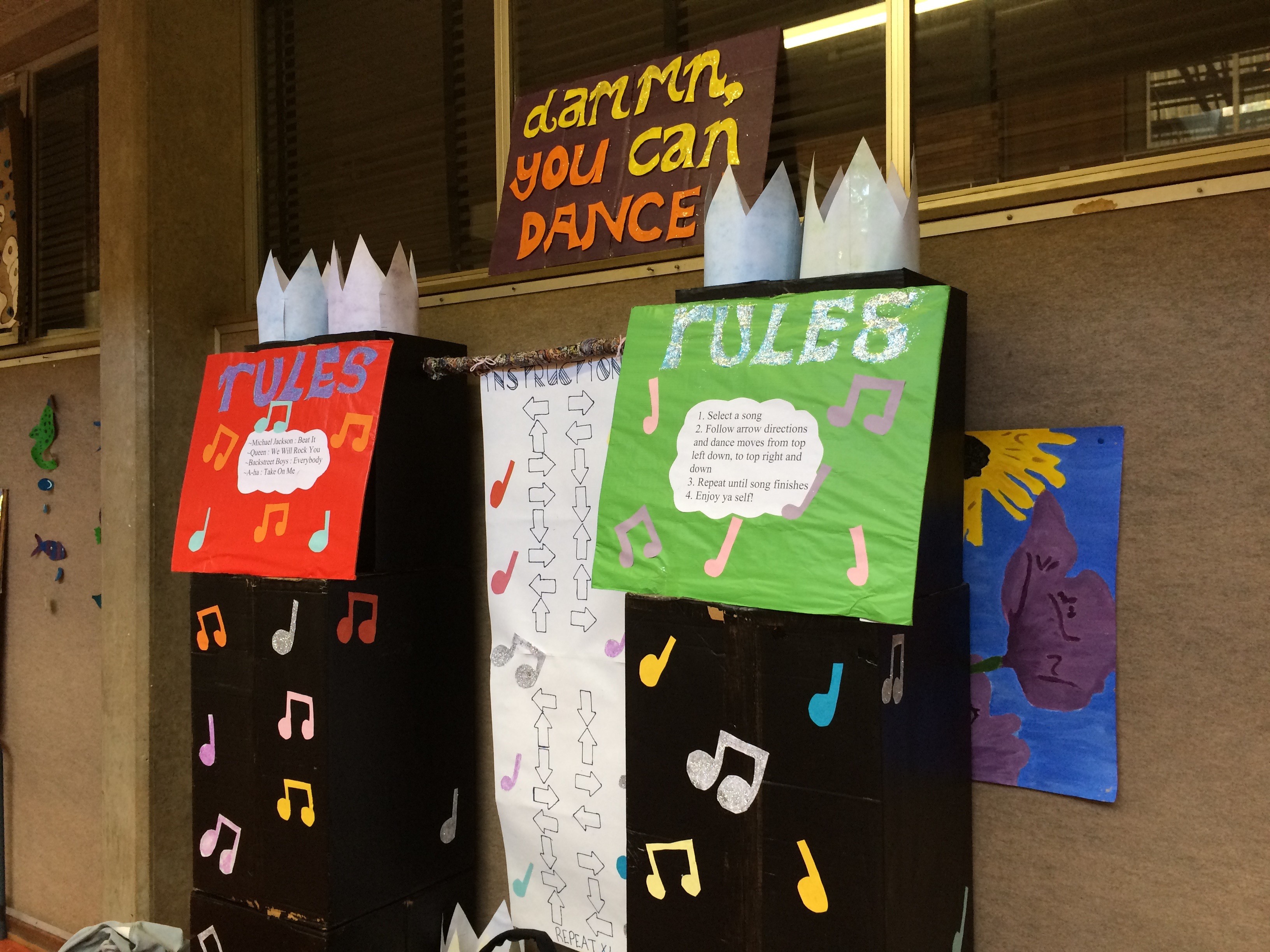
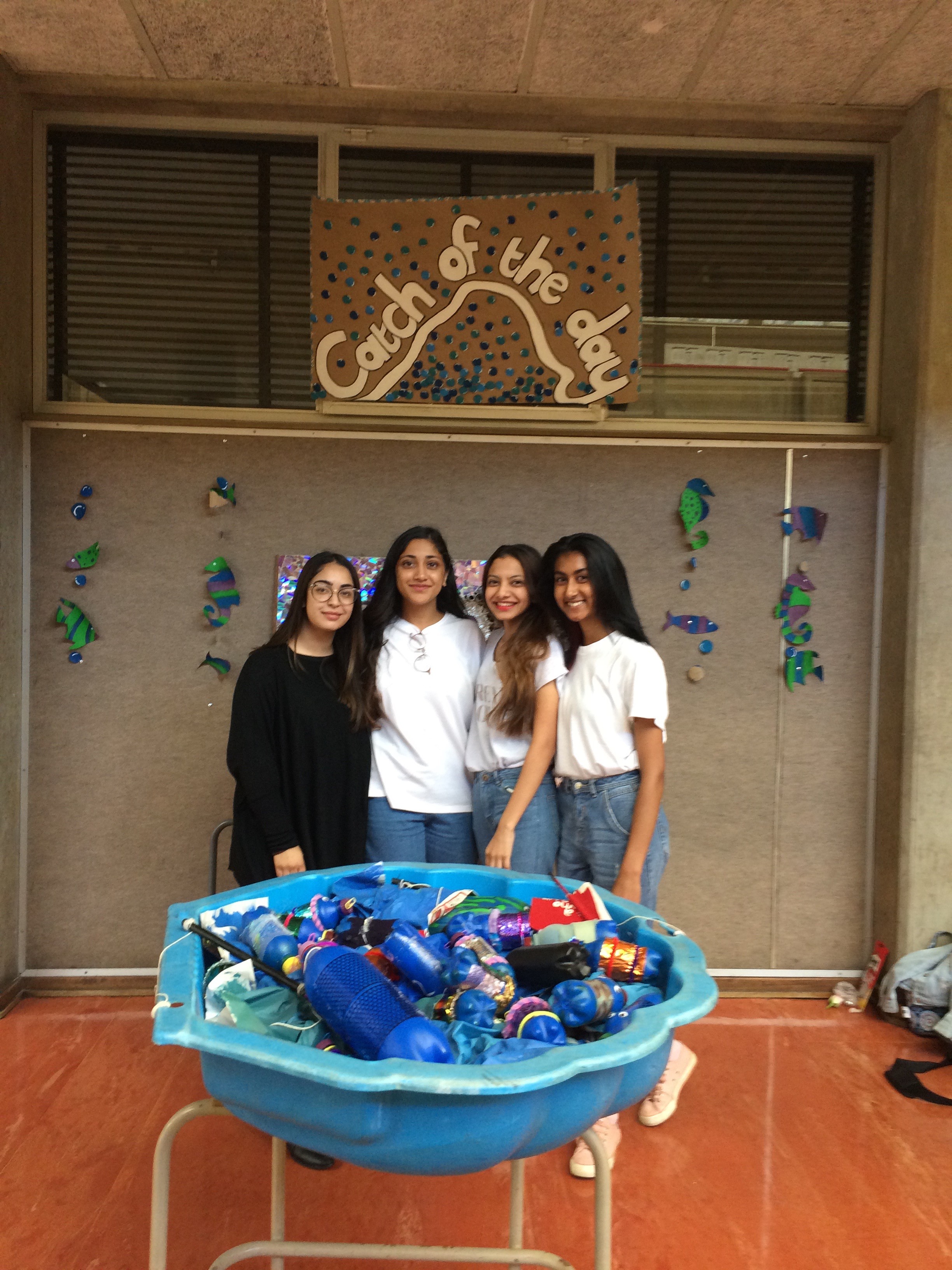
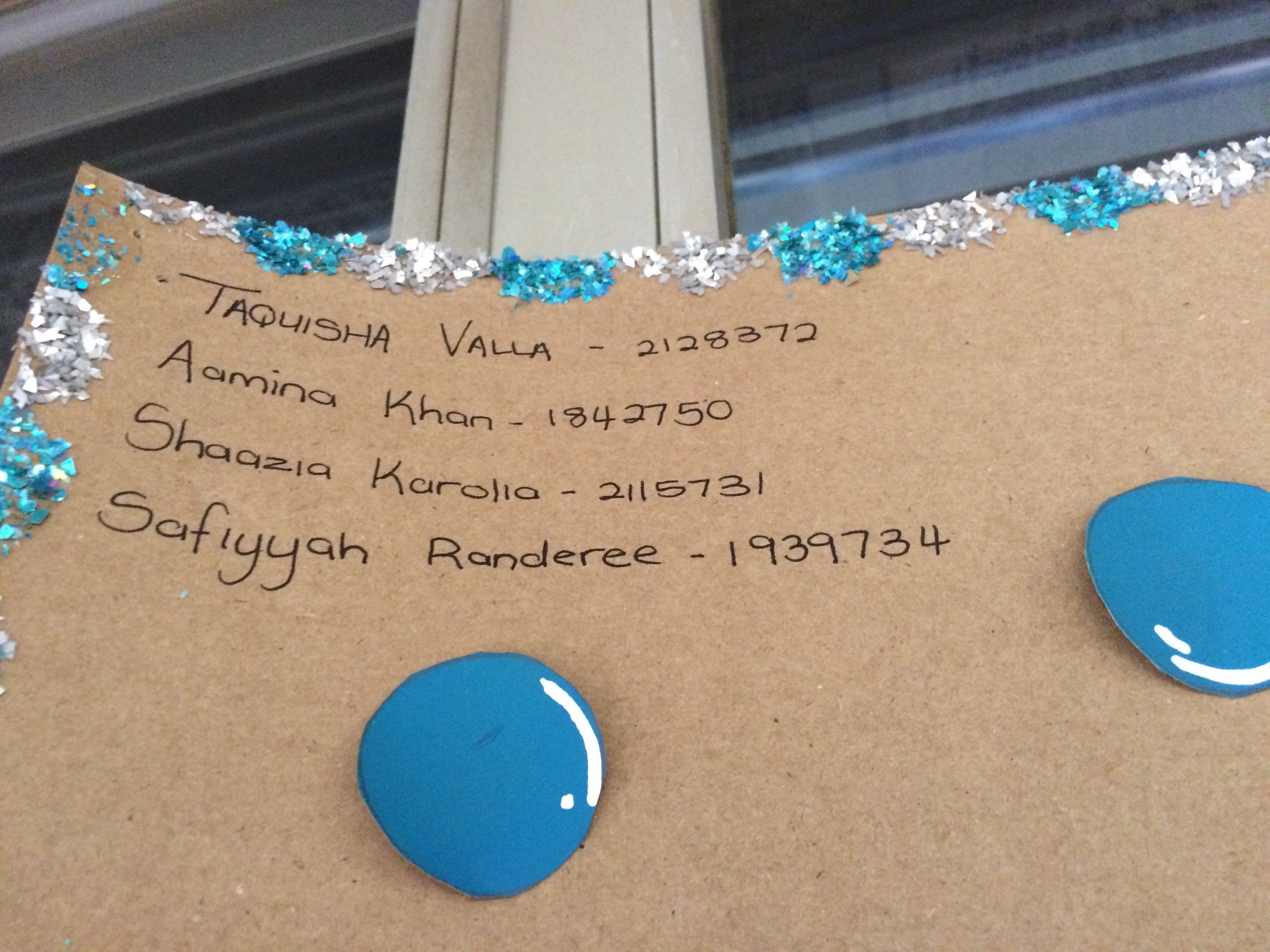
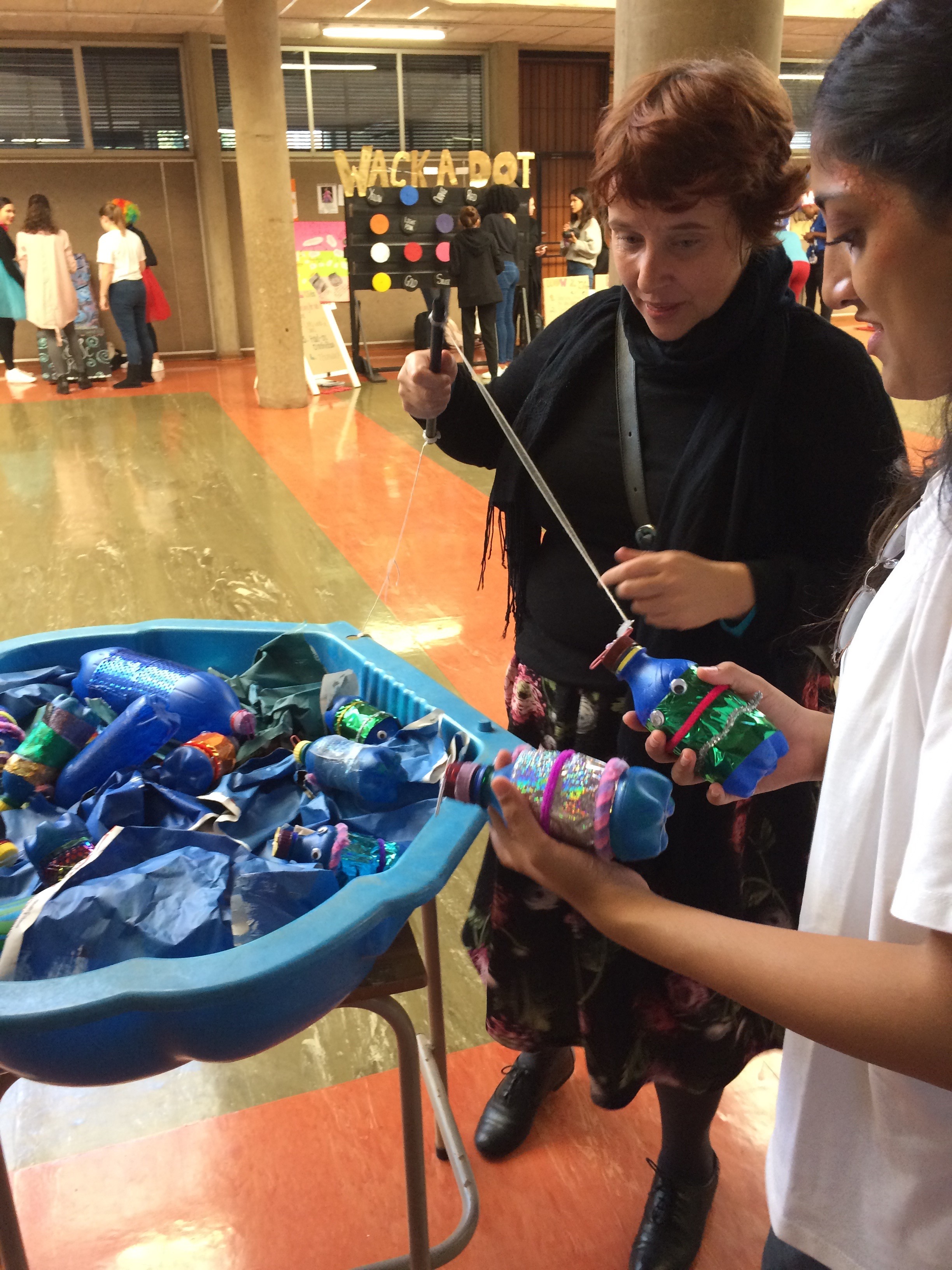
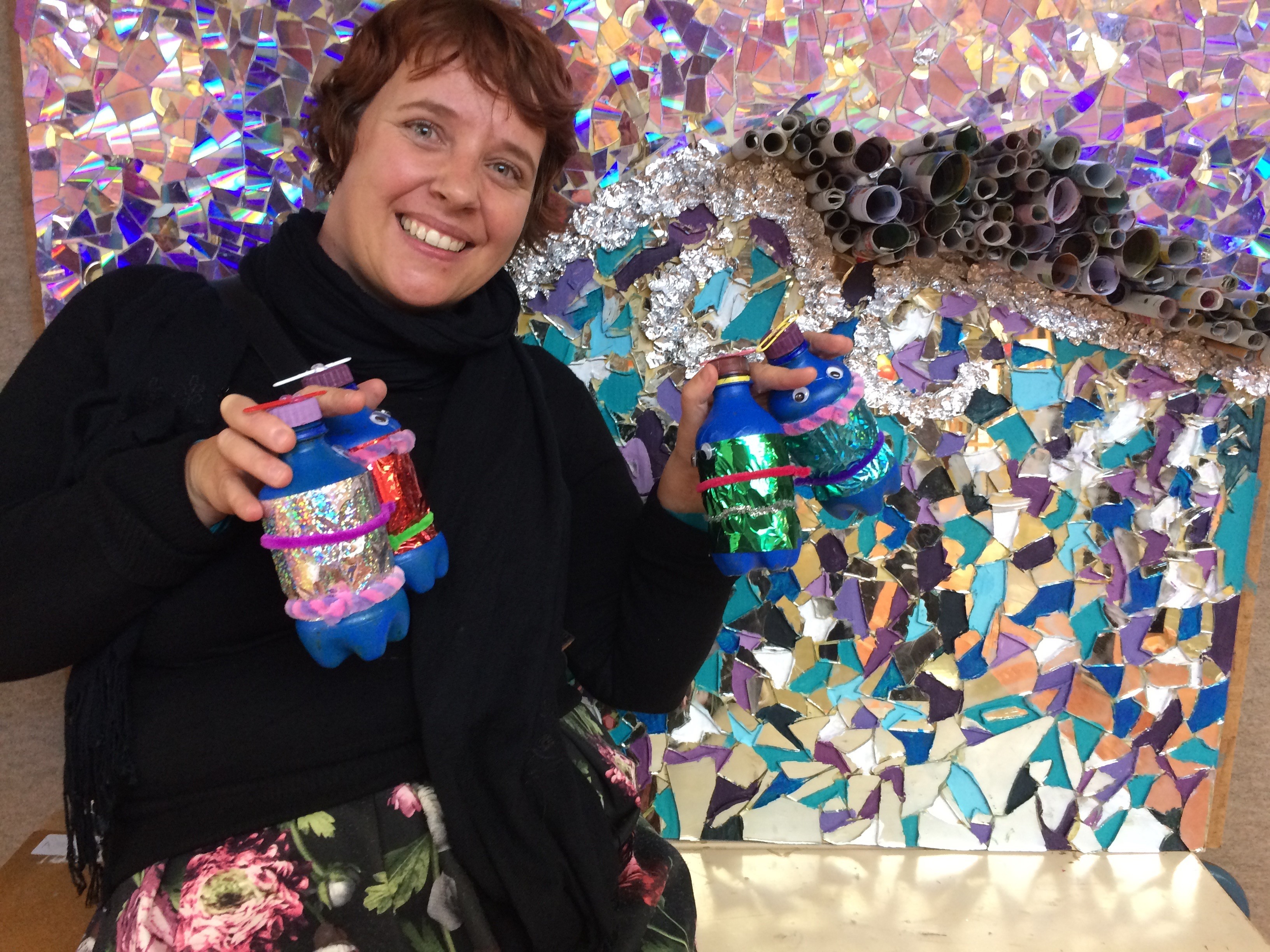
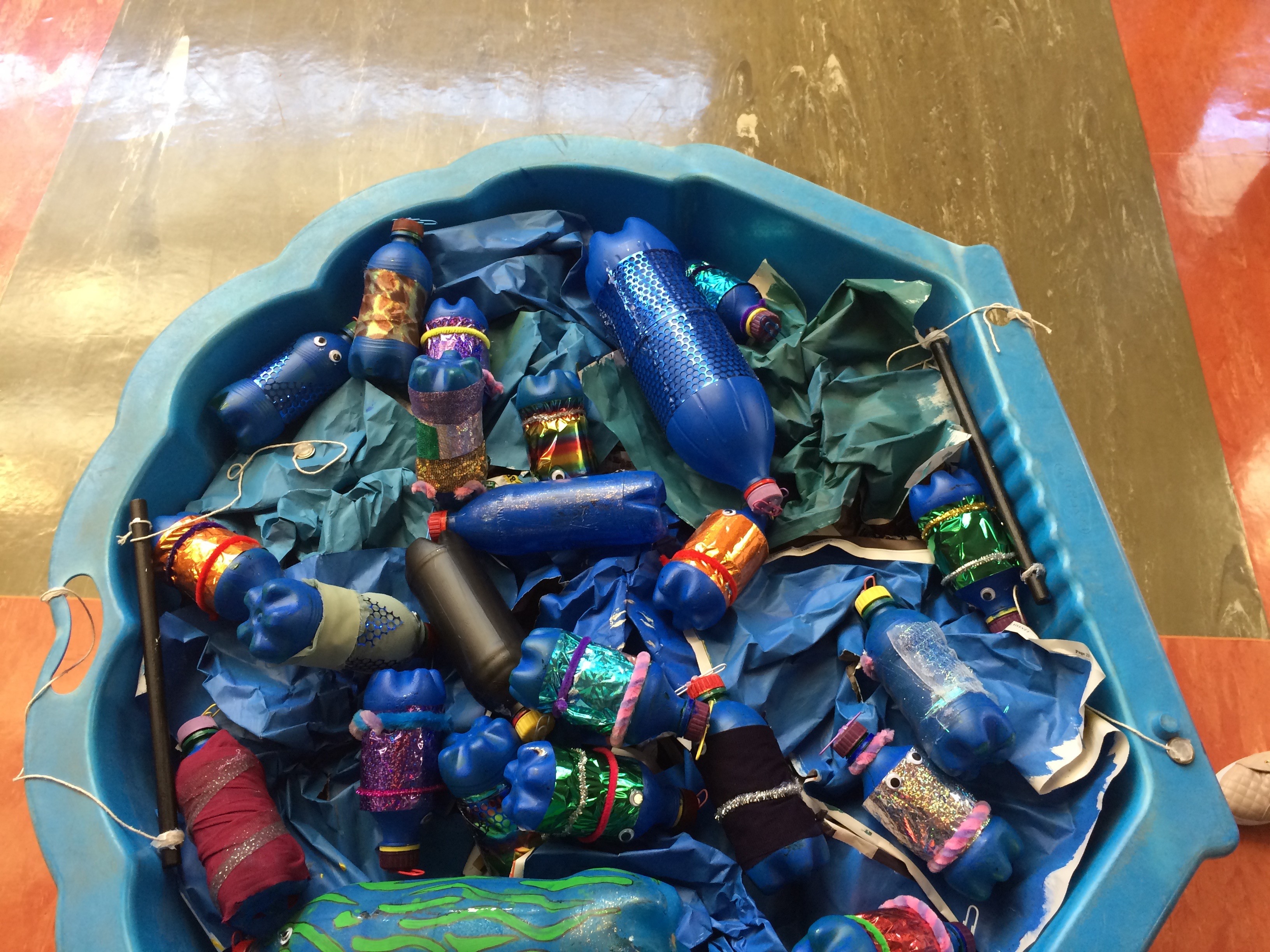
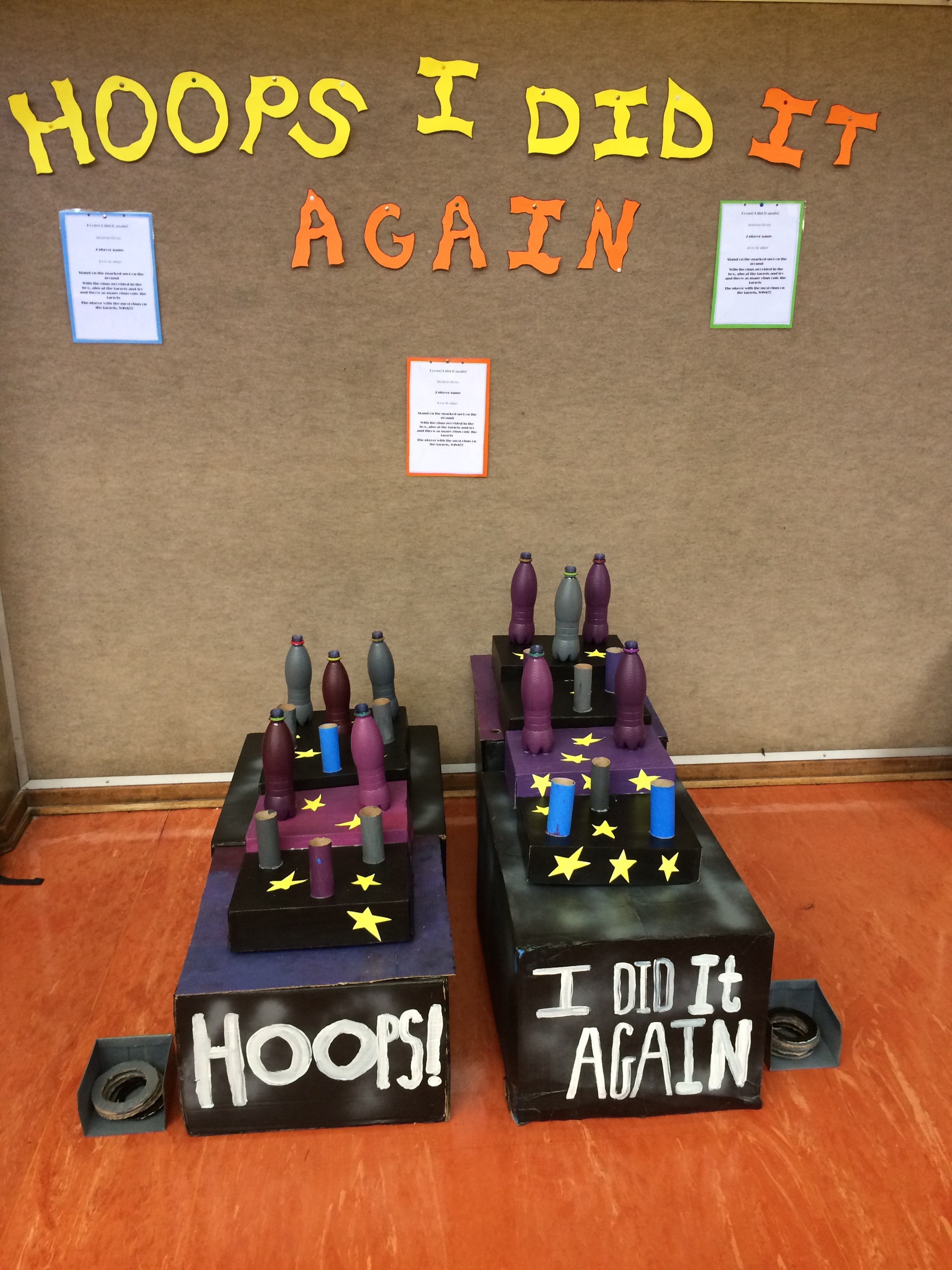
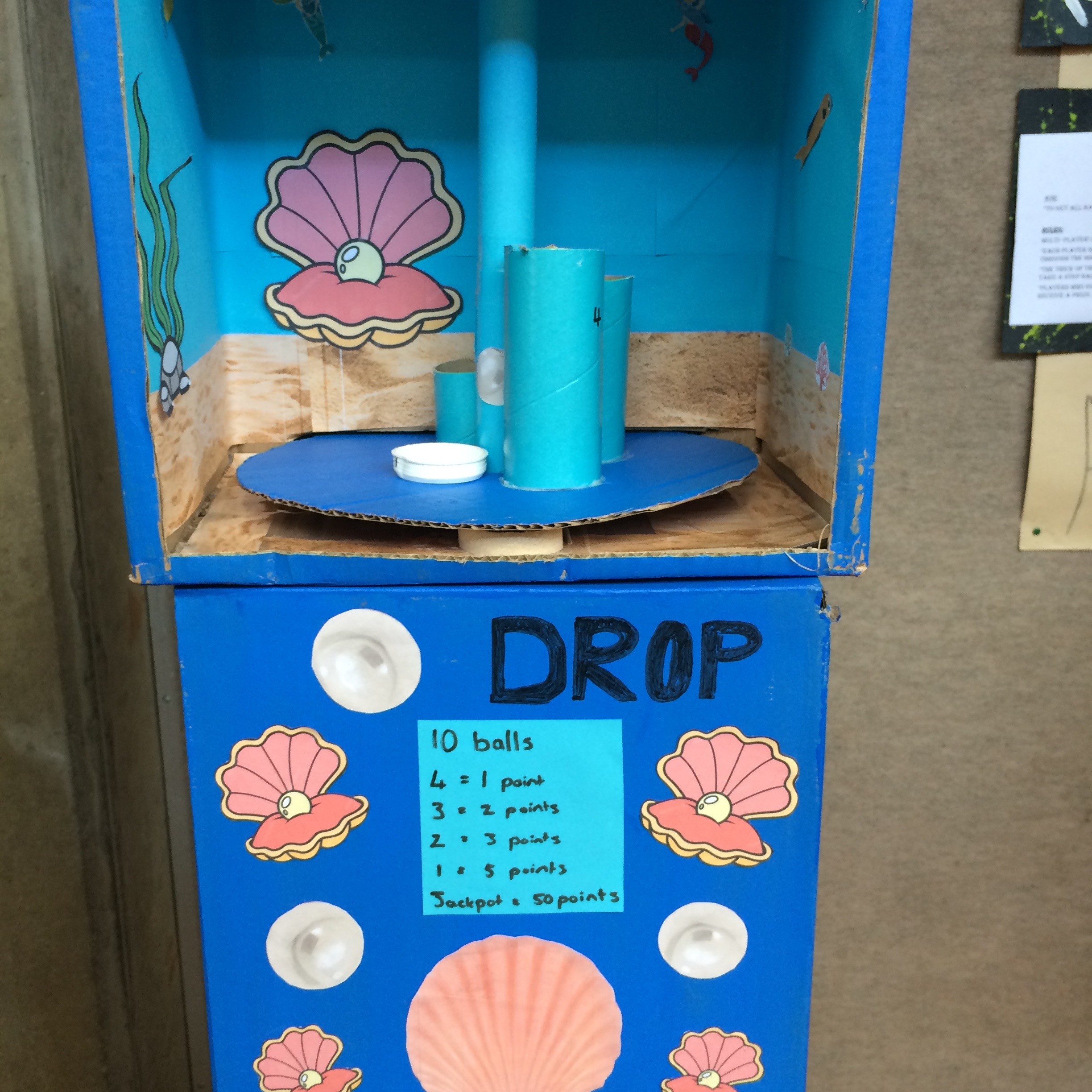
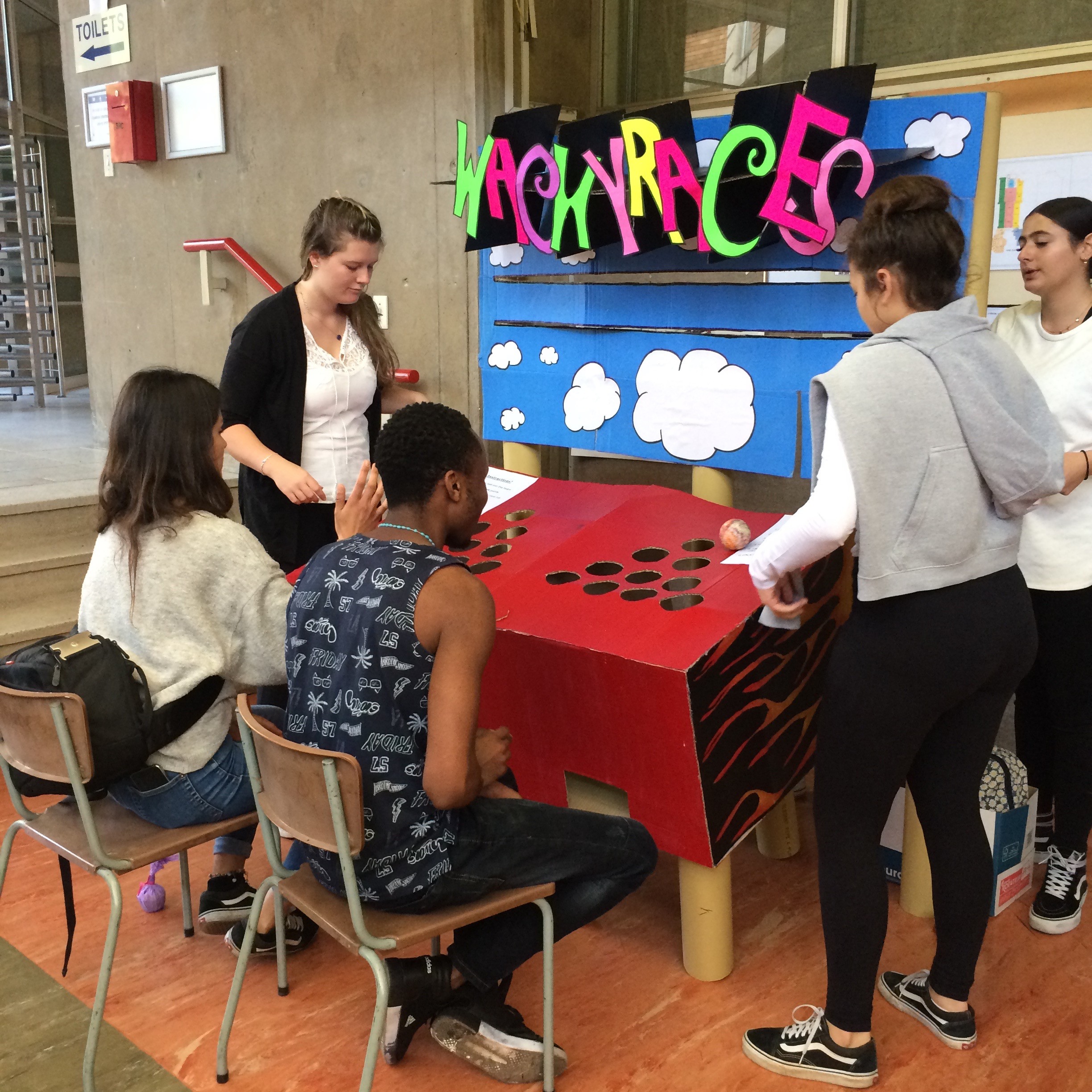
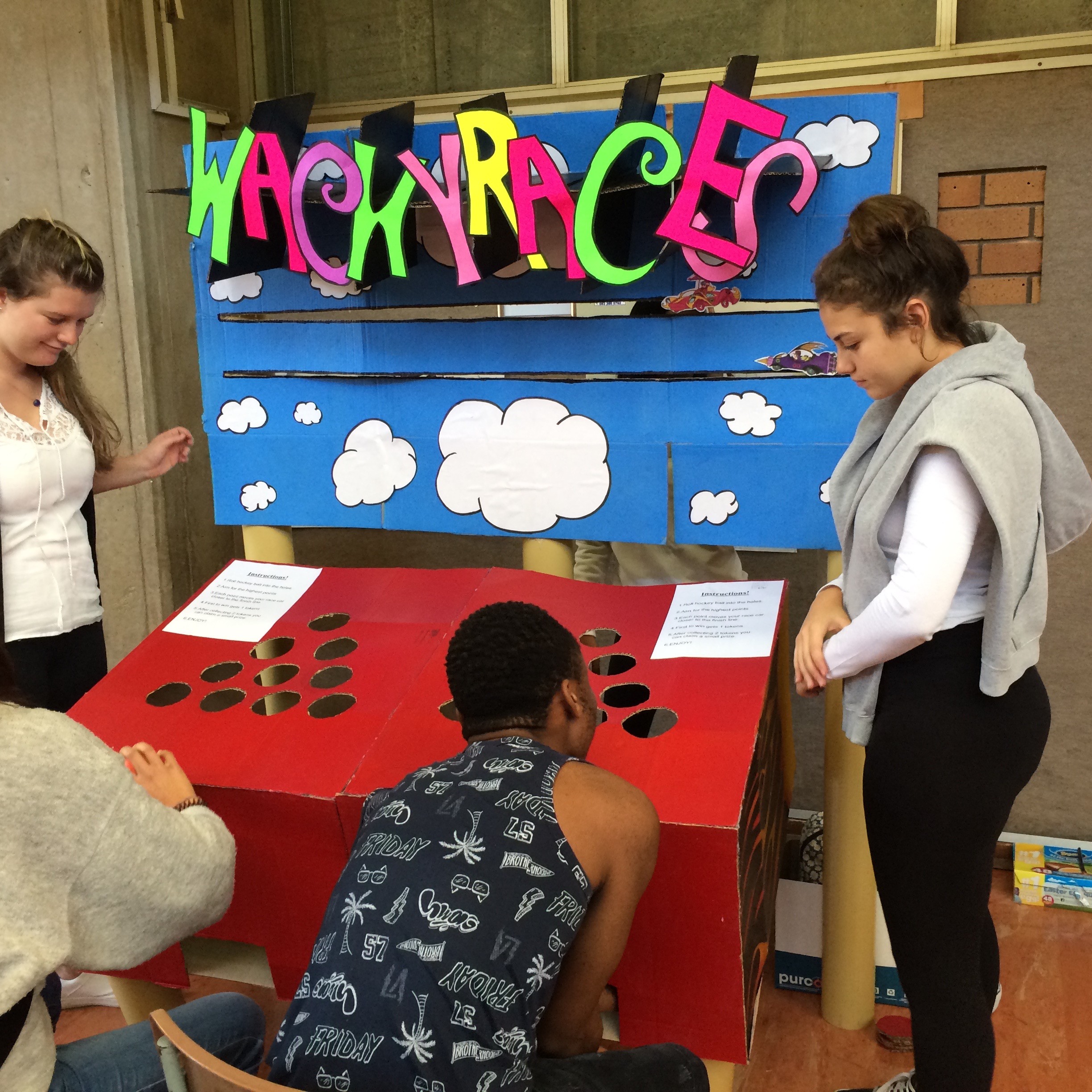
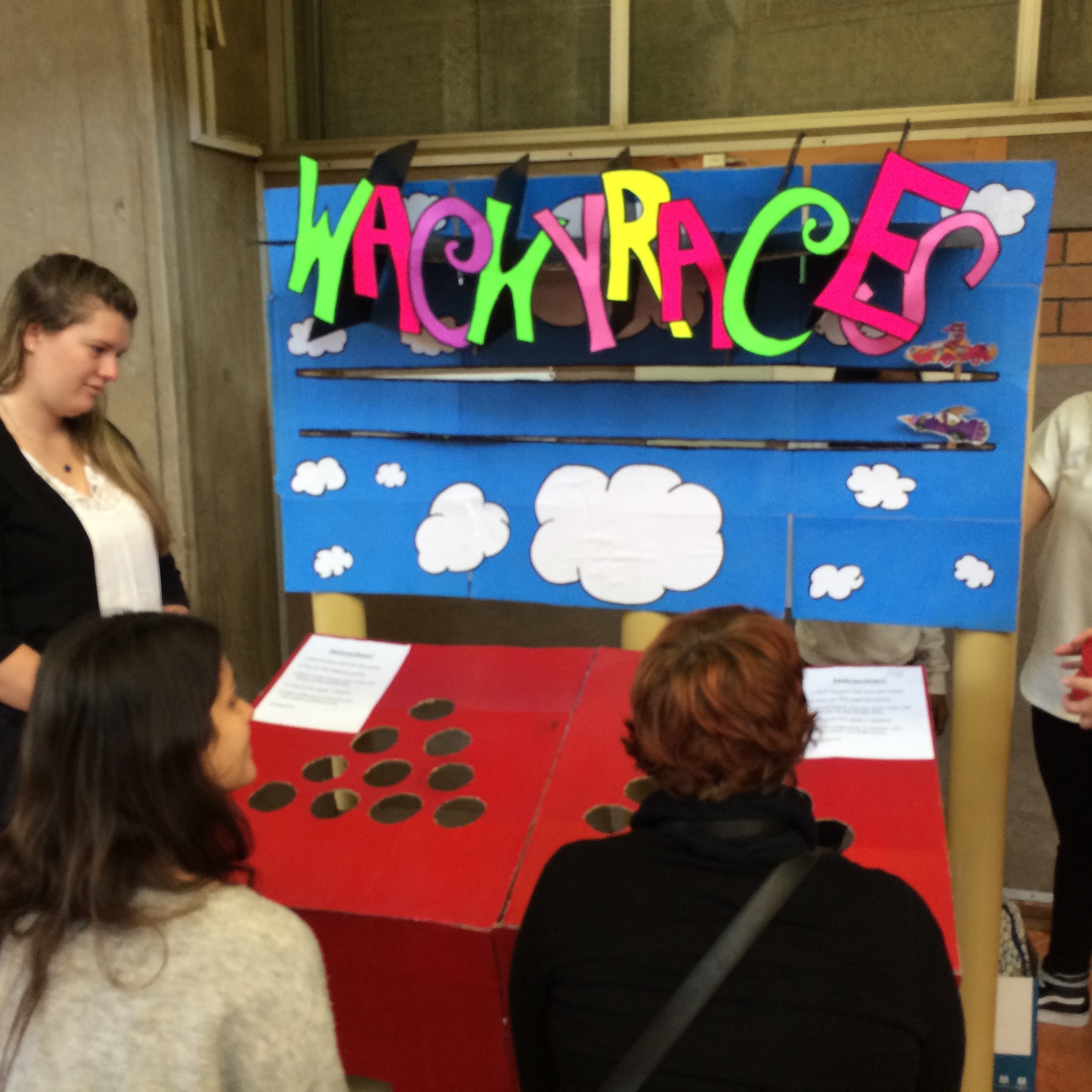
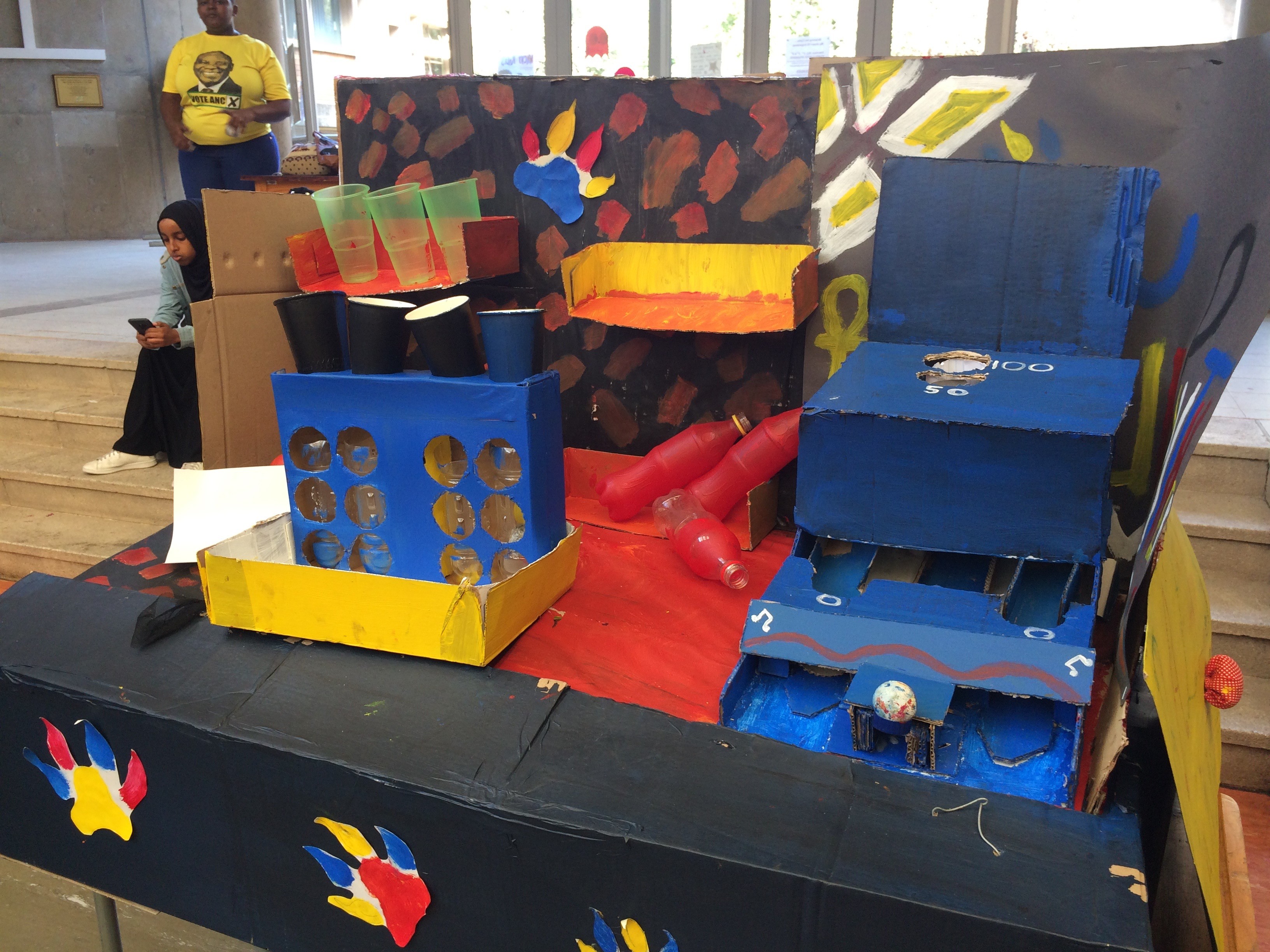
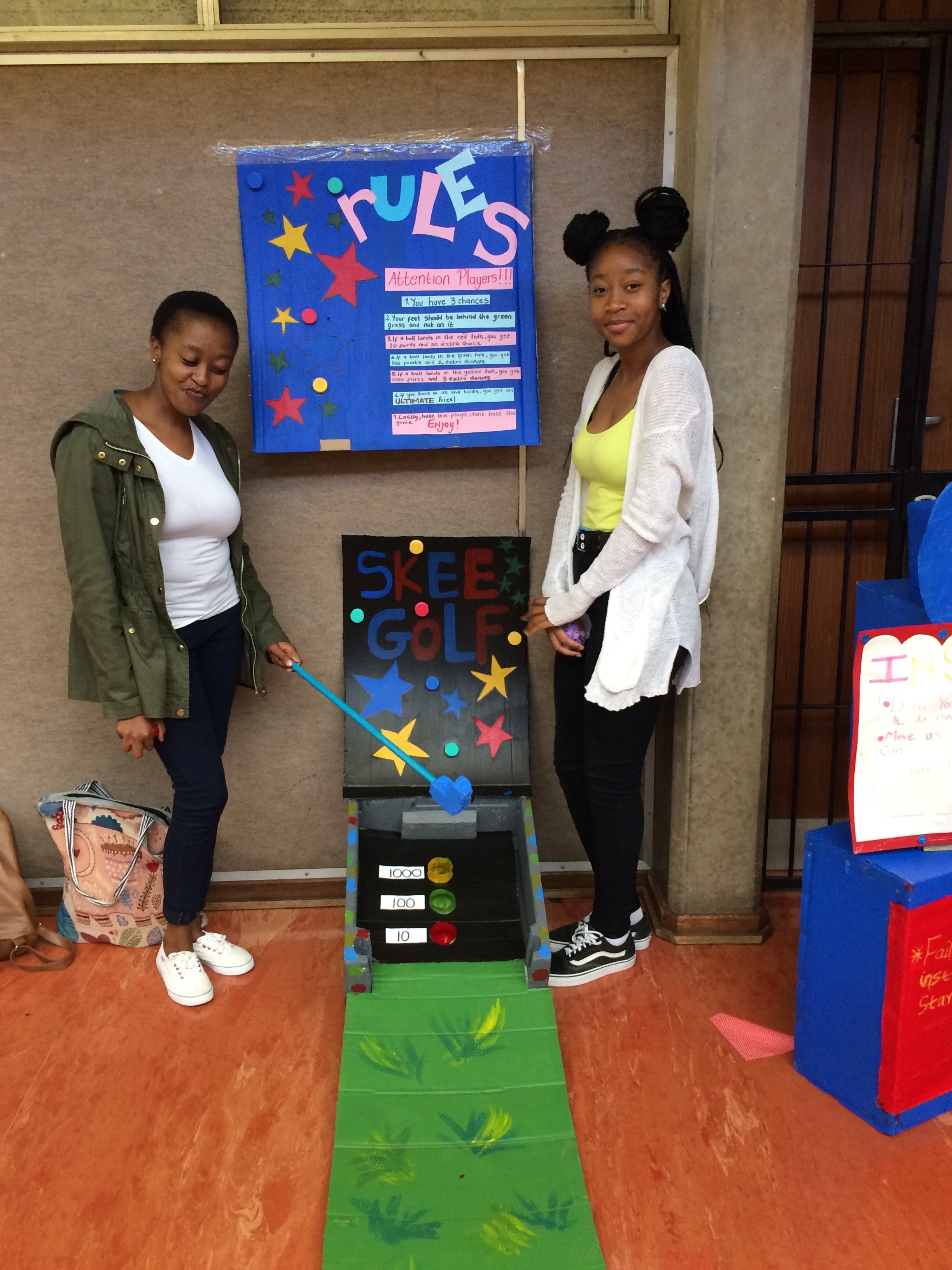
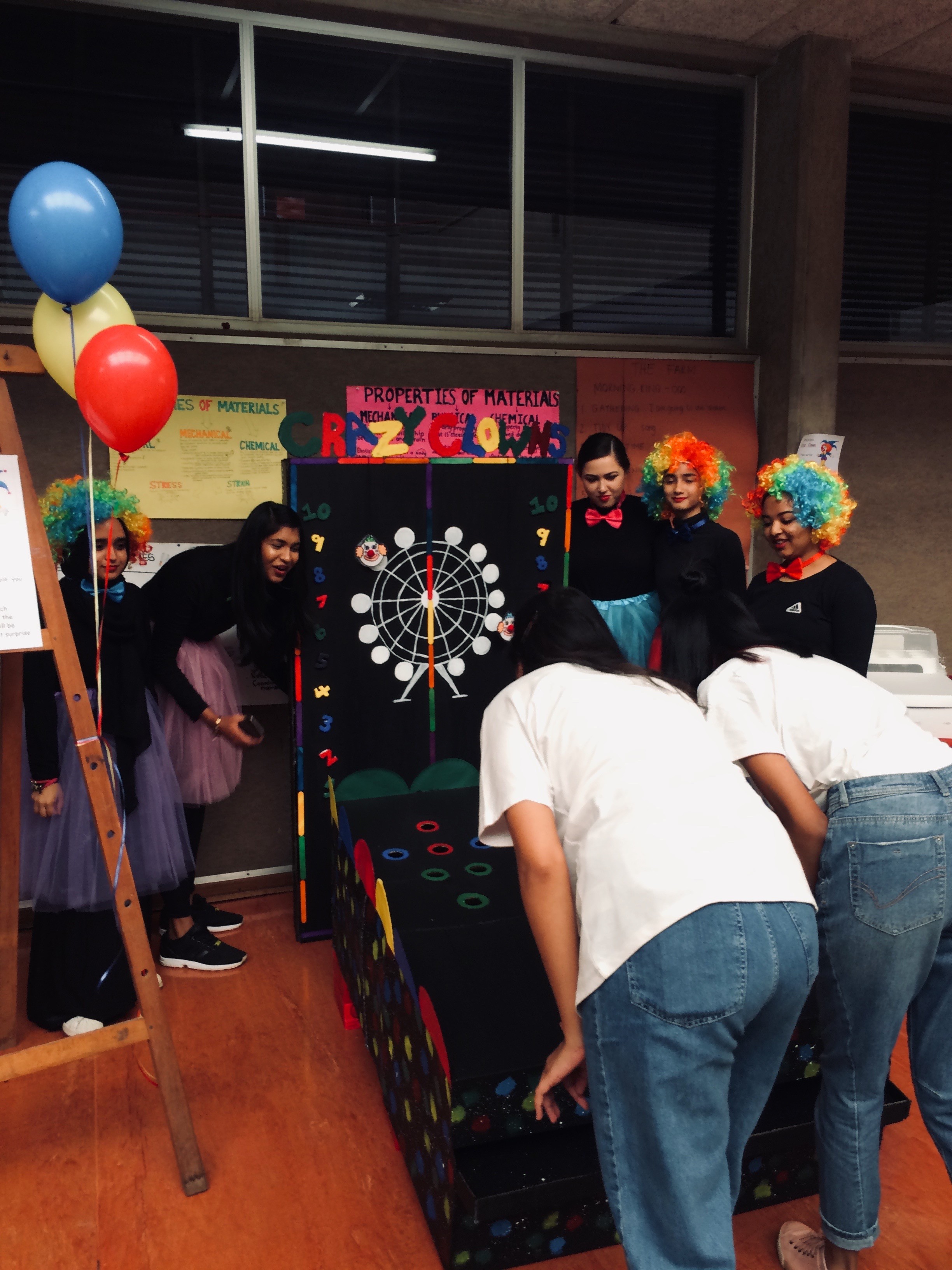
This project incorporated many of the transformative teaching and learning principles upheld by TRIP: there was collaboration, up-cycling of waste materials, sustainability, eco-critical teaching, creative problem solving, public interactive art-making, experiential learning, and well as practice-based and project-based learning.
Chess Match (after Alice in Wonderland)
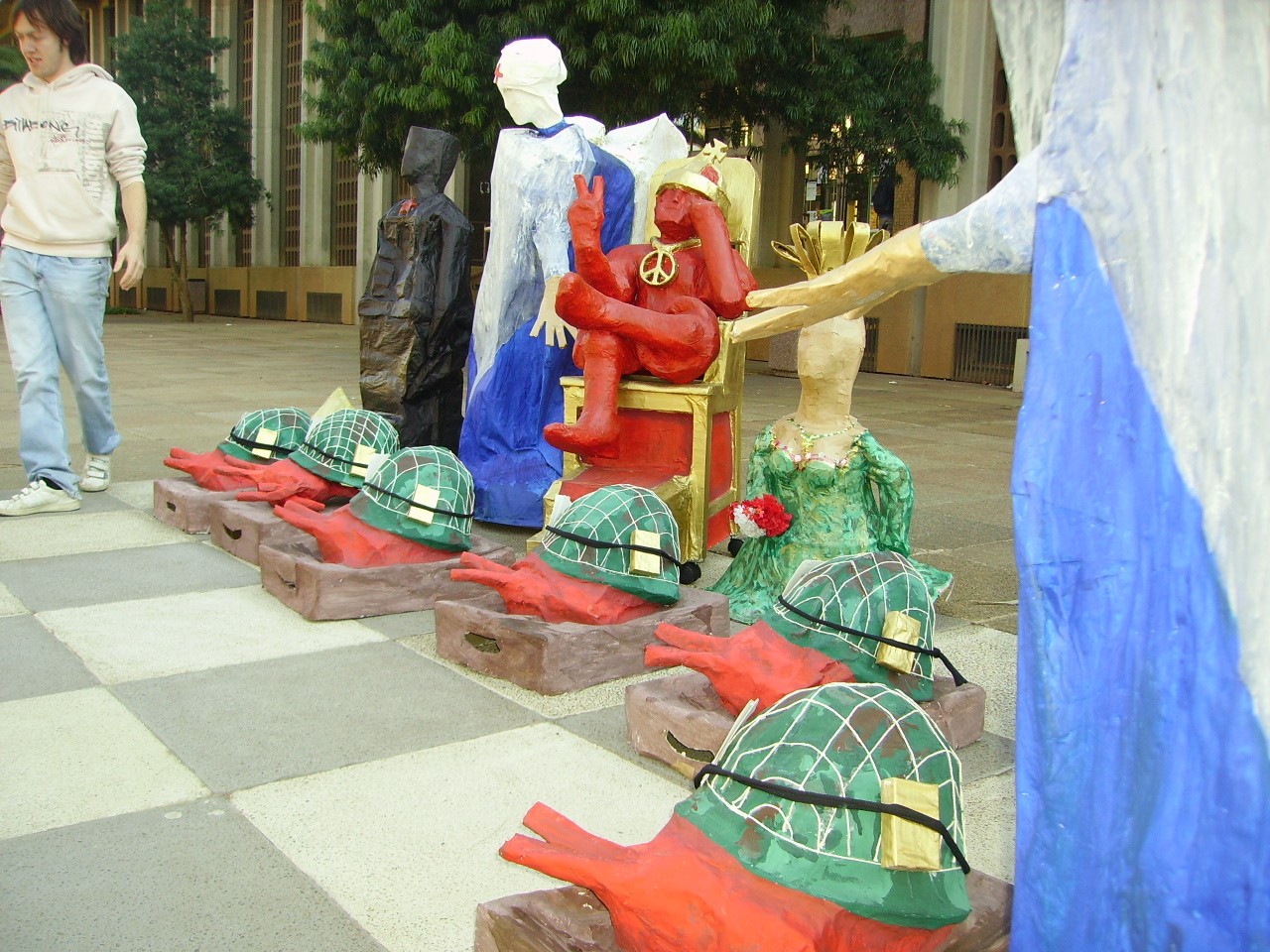
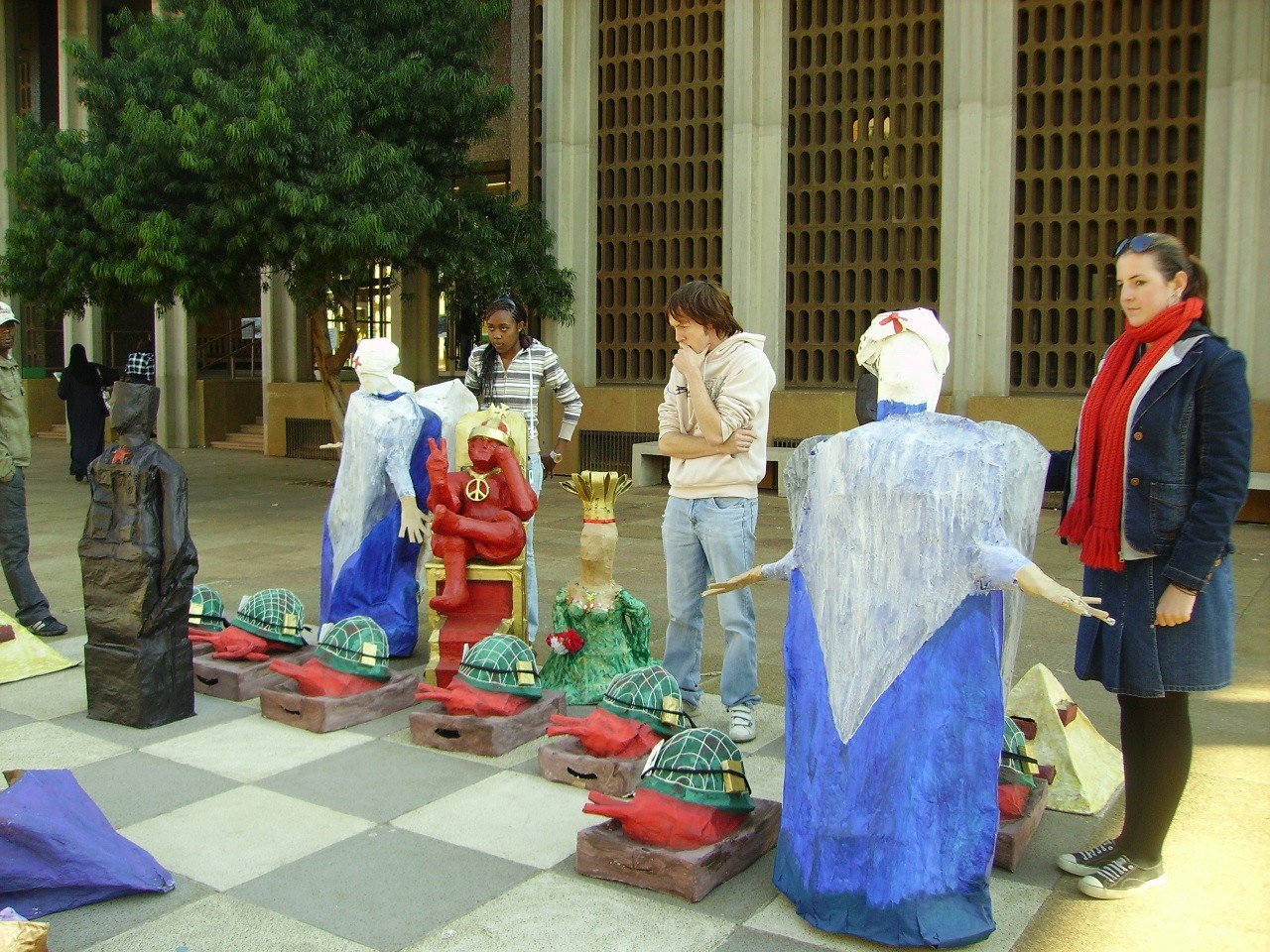
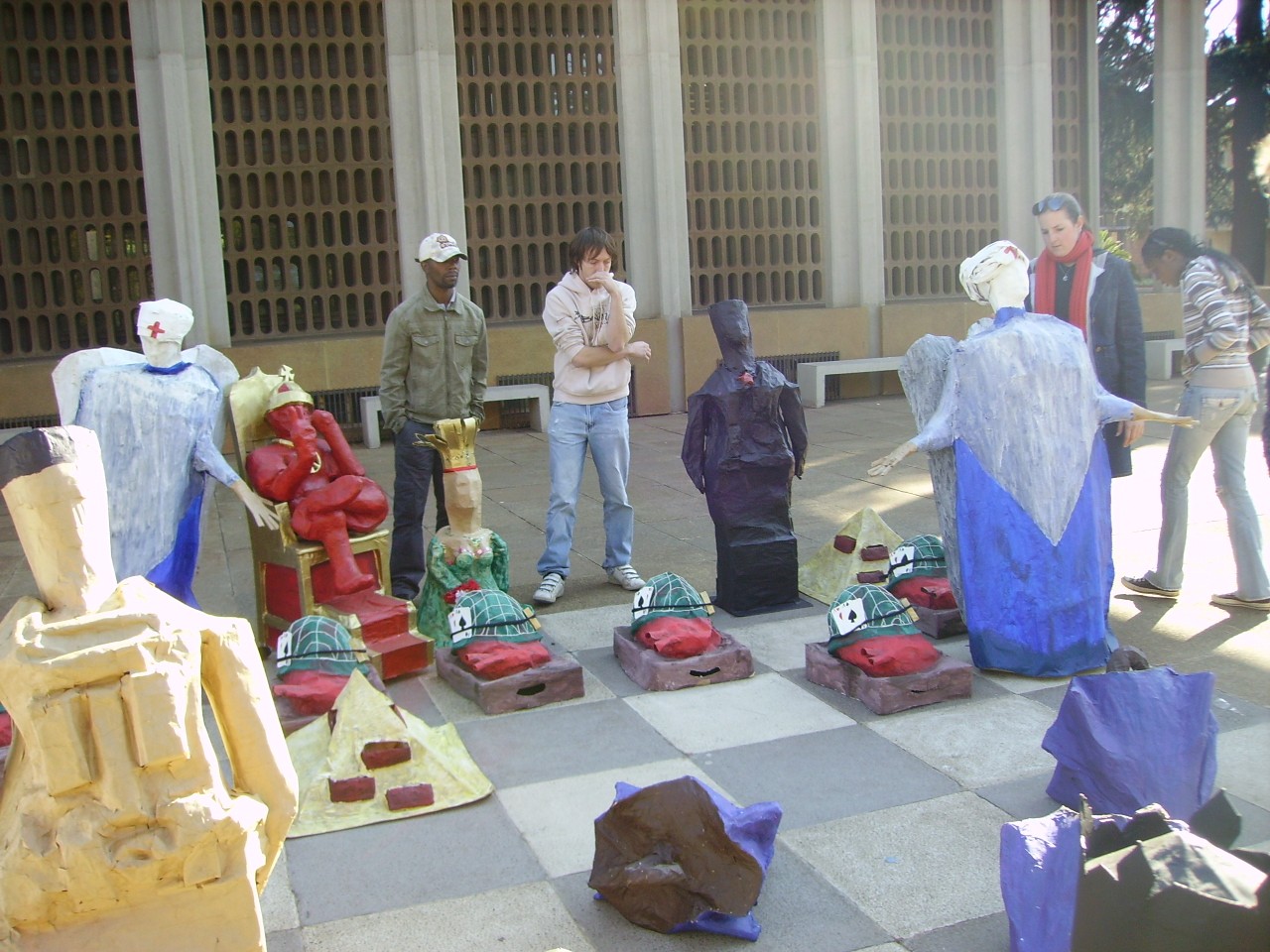
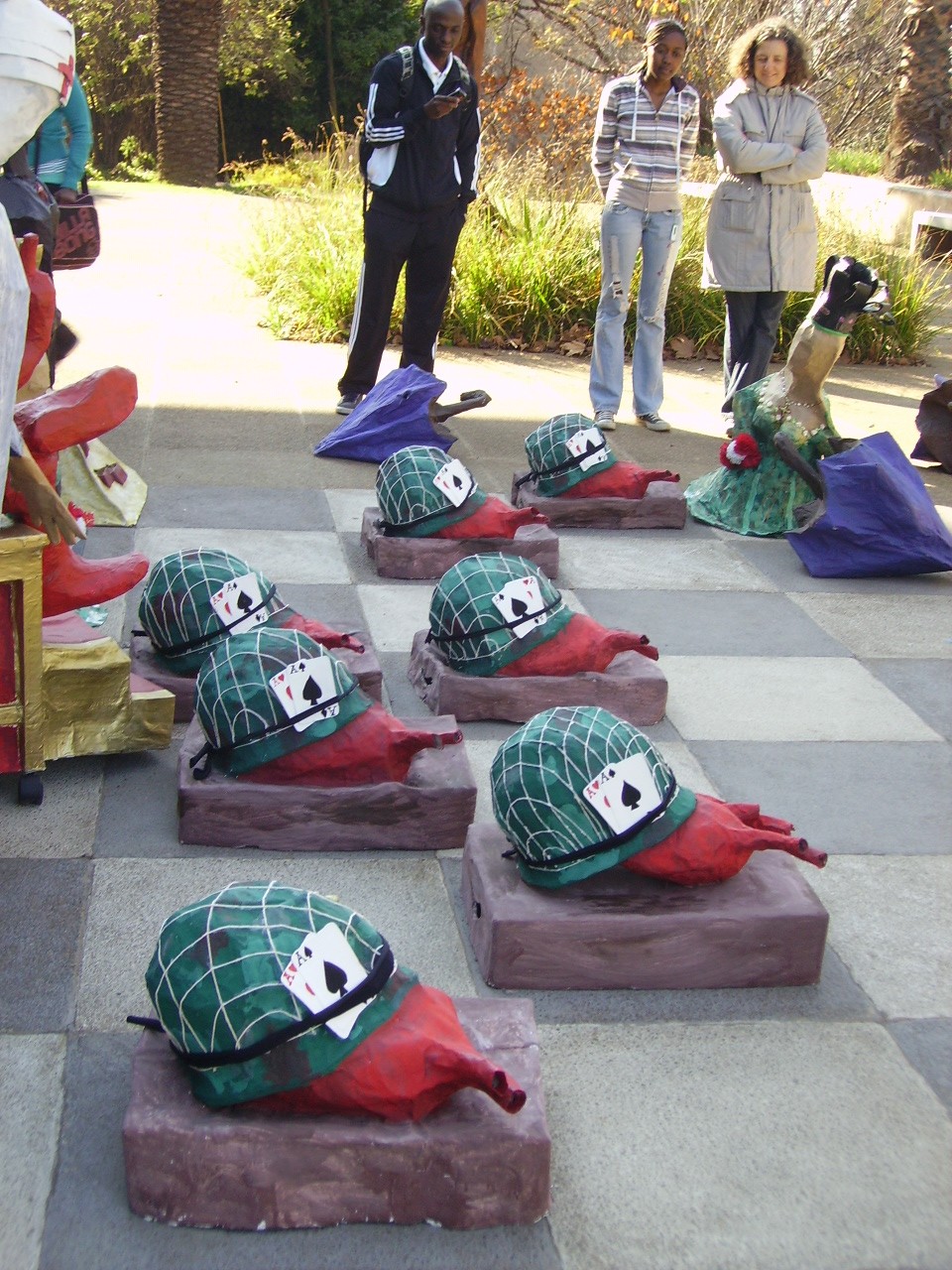
Opportunities to play while learning increase students’ engagement, joy, curiosity and creative thinking. With the goal of teaching pre-service arts-teachers about the principles of casting and making multiples in sculpture, while also being mindful that the schools the students are likely to teach in would not have sophisticated materials for sculpture making, Prof Alison Kearney designed a project wherein students were required to make giant chess pieces so that we could play chess on campus.
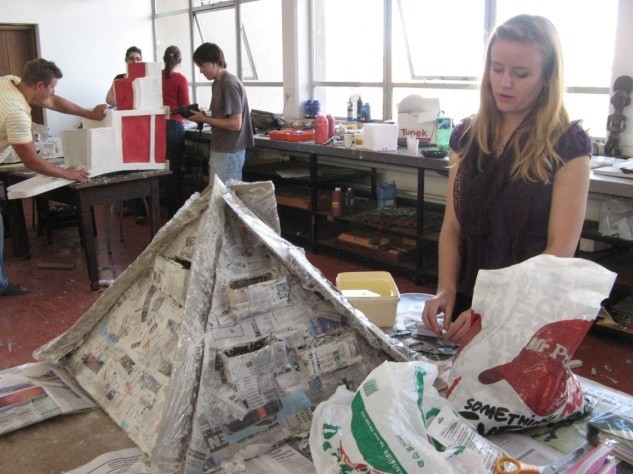
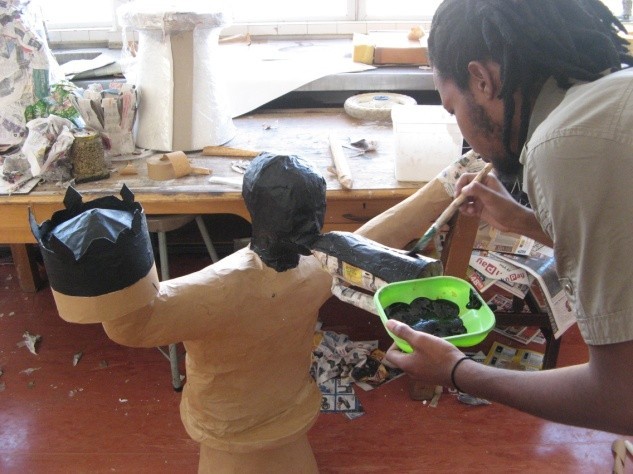
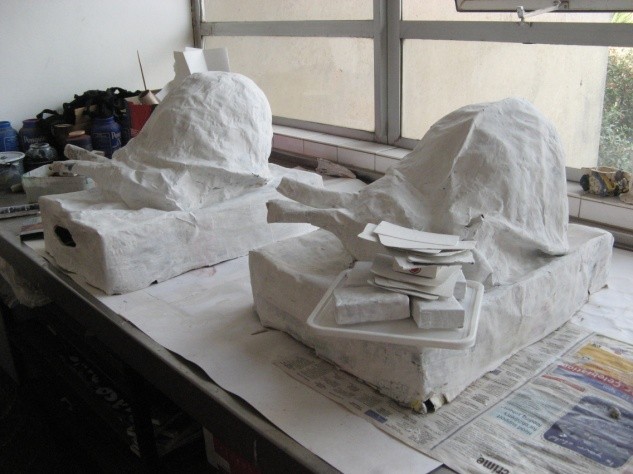
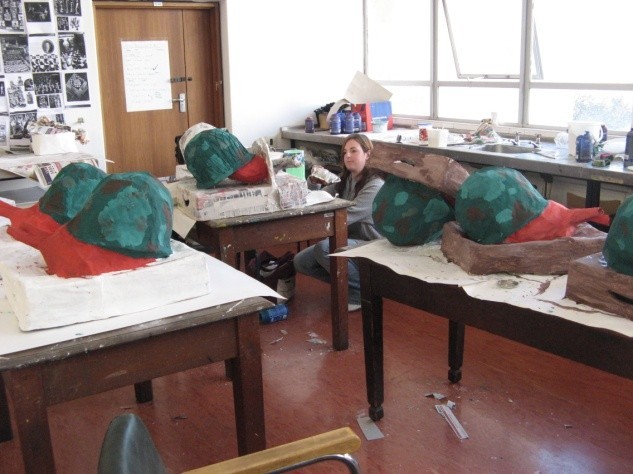
Chess was chosen because many of the pieces are multiples: providing a good reason for learning about casting. Students designed their pieces, with the goal of casting in mind, and then created multiples using papier maché, a material made from recycling paper, and easy to make in under-resourced schools. Students also had to learn how to play chess in preparation for the public unveiling, and ‘exhibition’ where we planned to hold a day of chess playing on campus.
To inform the theme, and design of the chess pieces, we read the section from Lewis Caroll’s (1907) Alice’s Adventures in Wonderland, wherein the Queen of Hearts challenges Alice to a chess match. The literary source material enabled students to reflect on the ways that learning with art can incorporate learning across the curriculum, in this instance, literature and history. Being required to design their chess pieces with reference to the source material provided students with a further design challenge, that professional designers and product developers encounter.
The result was a marvelous giant chess set, with pieces that referenced wonderland, and the absurd. We painted a chess board in the common area outside the campus library, inviting the university community to play chess with us as the project finale.