Prof. Alison Kearney
Learning About Social Justice Through Art at the Constitutional Court
One of the many affordances of learning through engaging with artworks is that the artworks provide ways in to thinking about the subjects the artworks explore. Artists offer different insights through the ways they manipulate materials, and their choice of imagery when expressing their ideas on topics. Critically analyzing artworks and sharing our interpretations of the artworks enable audiences to learn about the subject, artmaking conventions, what we think and what others think. Through sharing our thoughts and listening to others’ thoughts, engaging with art shows us ourselves. Engaging with artworks about social justice, that speak against various forms of injustice such as the artworks in South Africa’s Constitutional Court Art Collection offer ways in to exploring painful, and complex social issues.
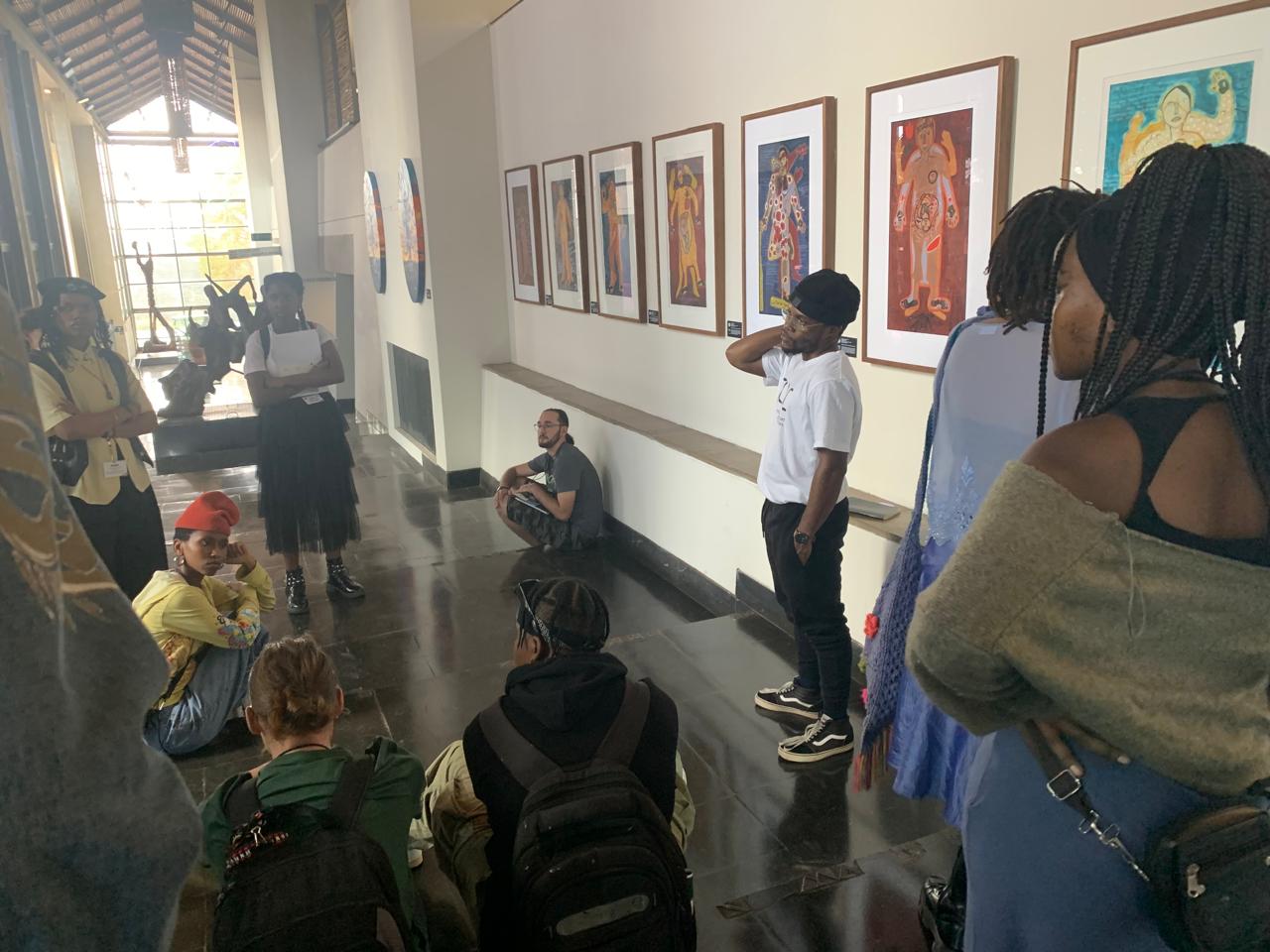
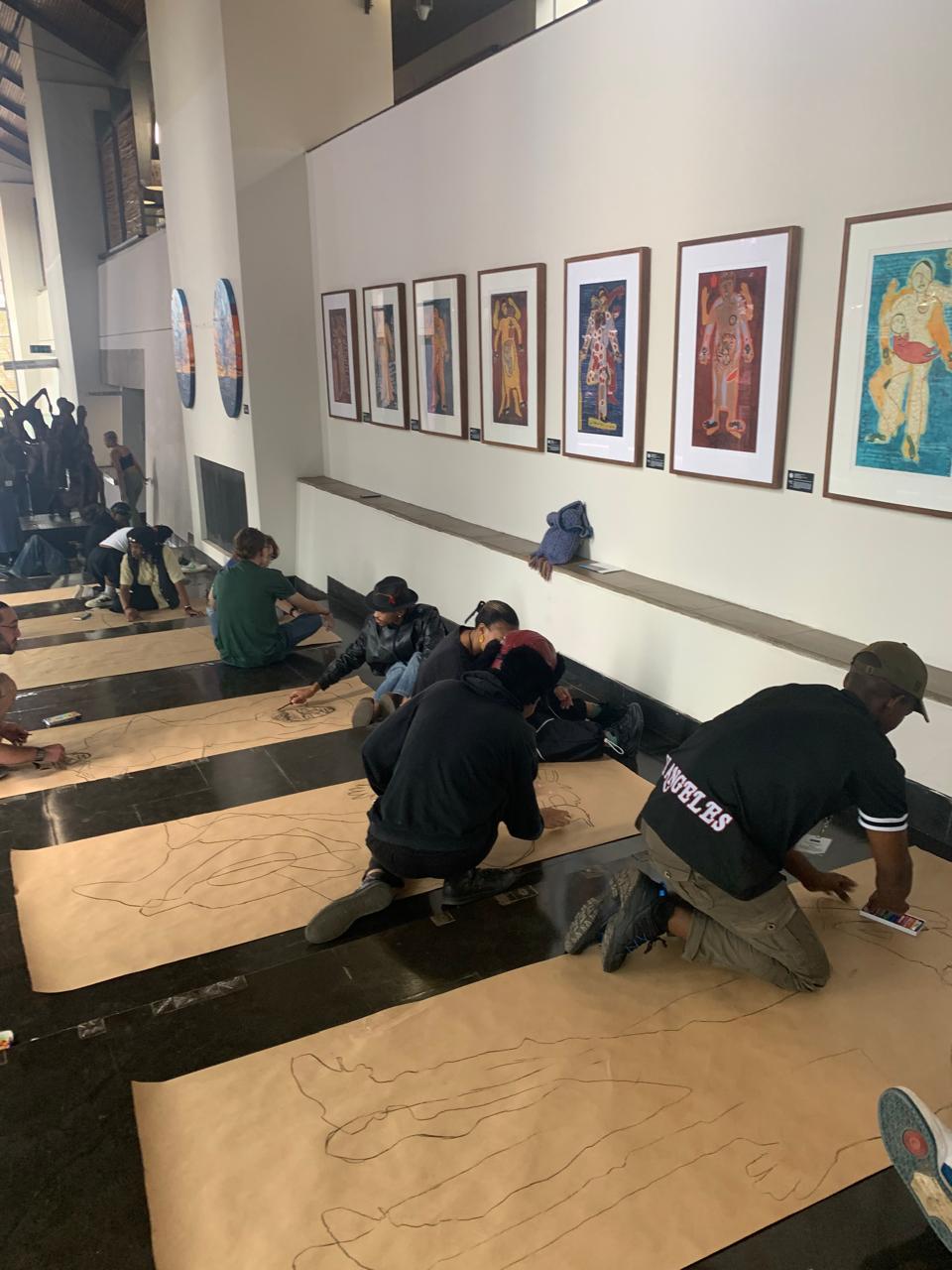
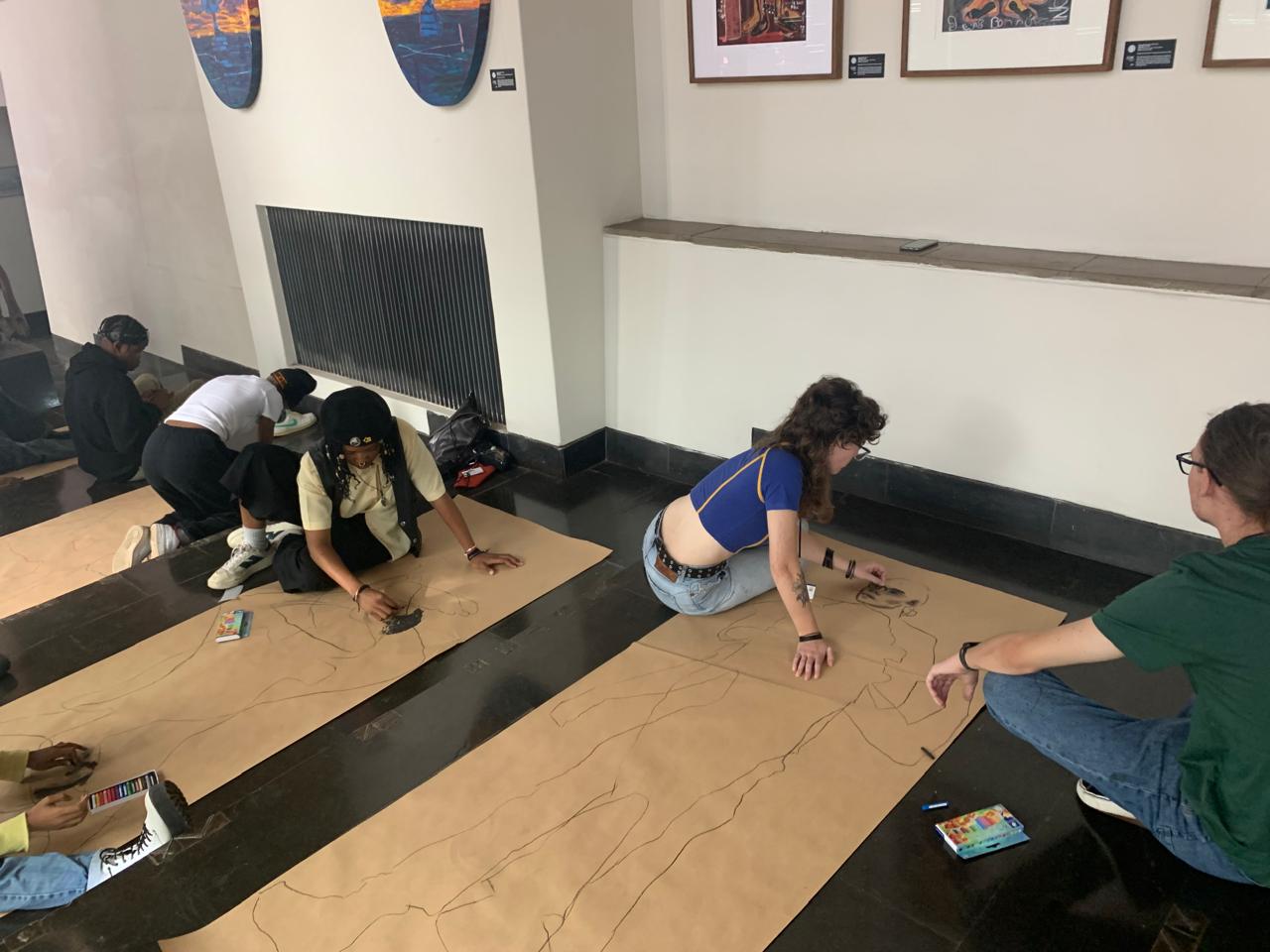
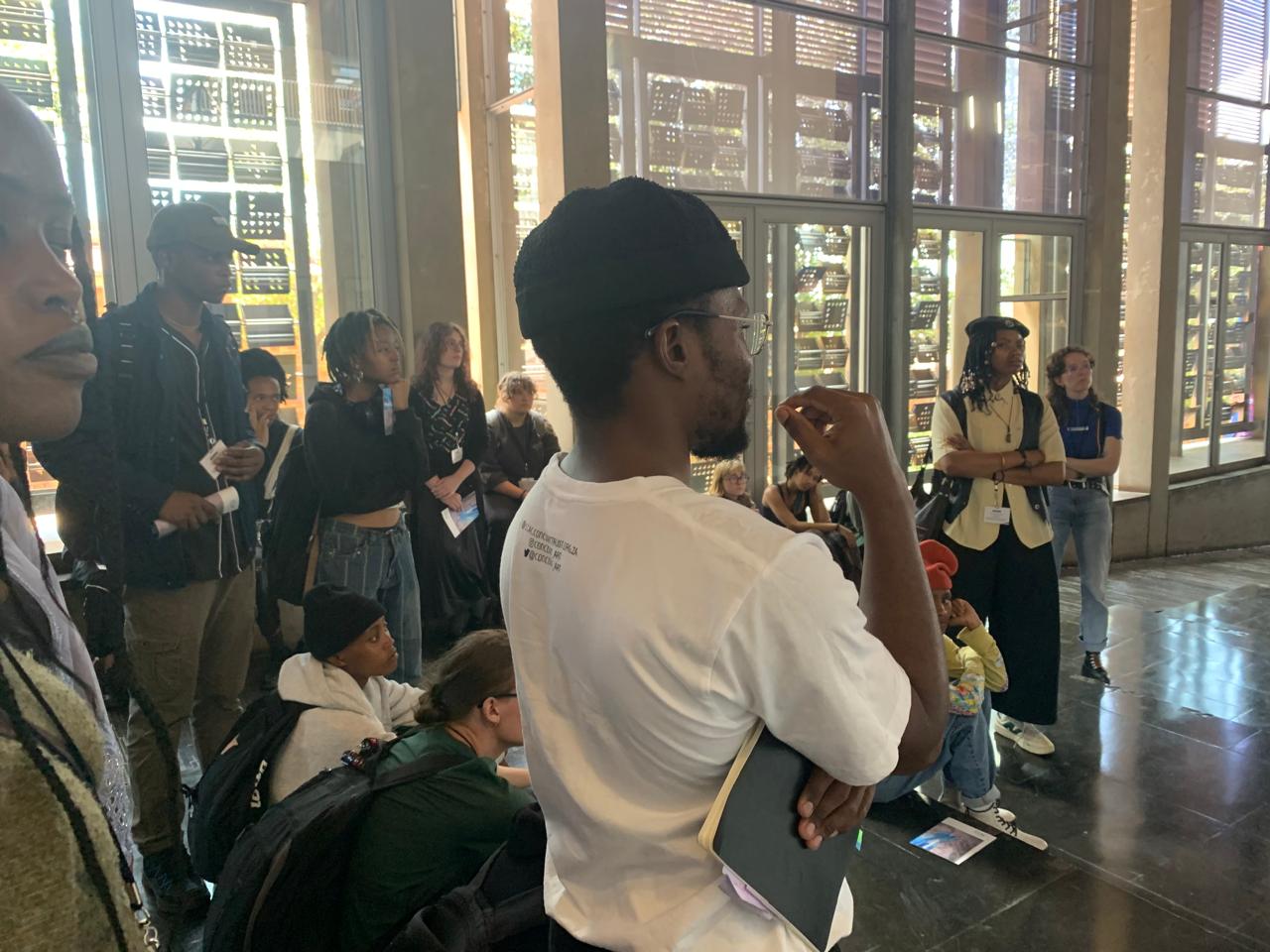
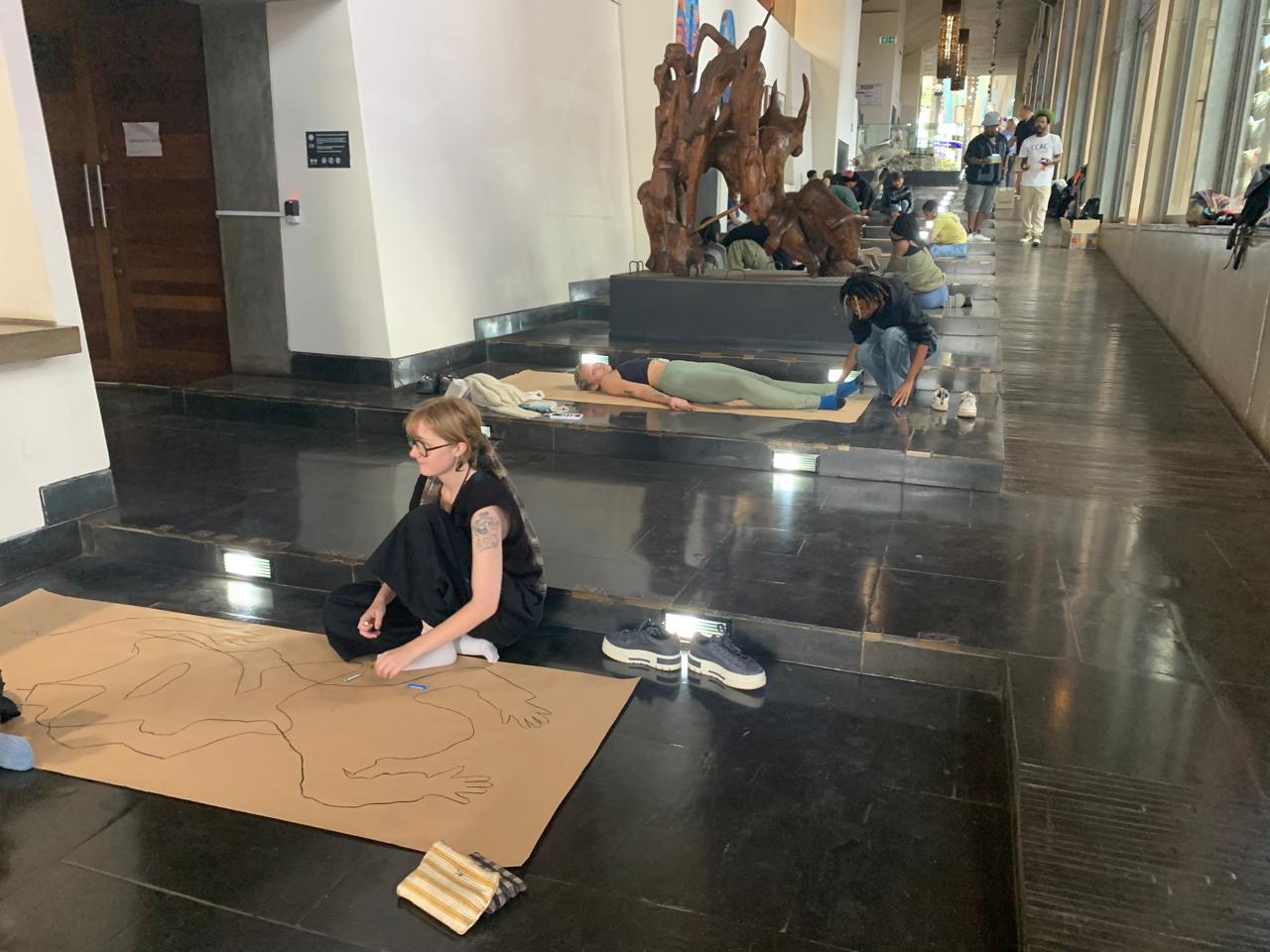
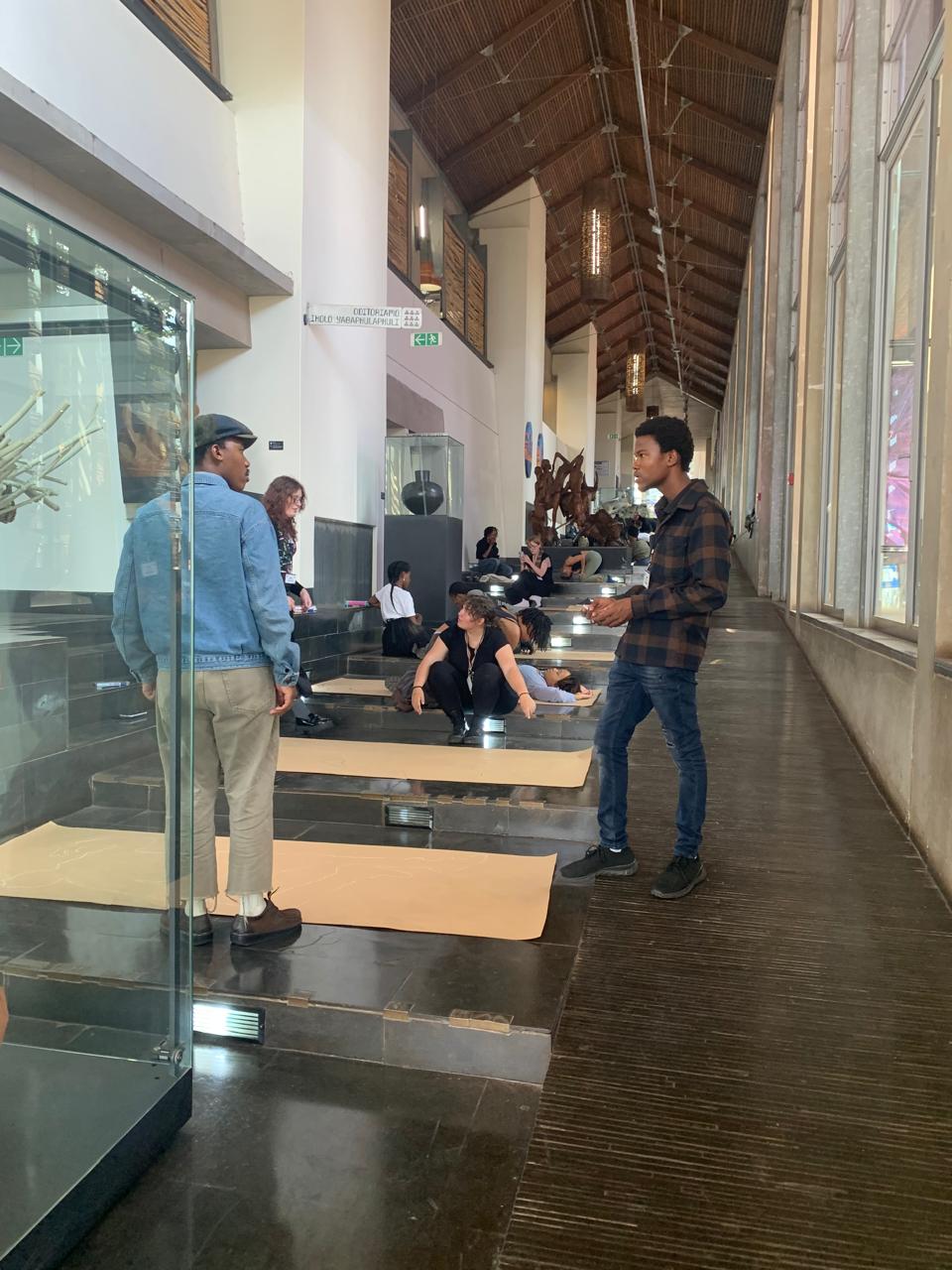
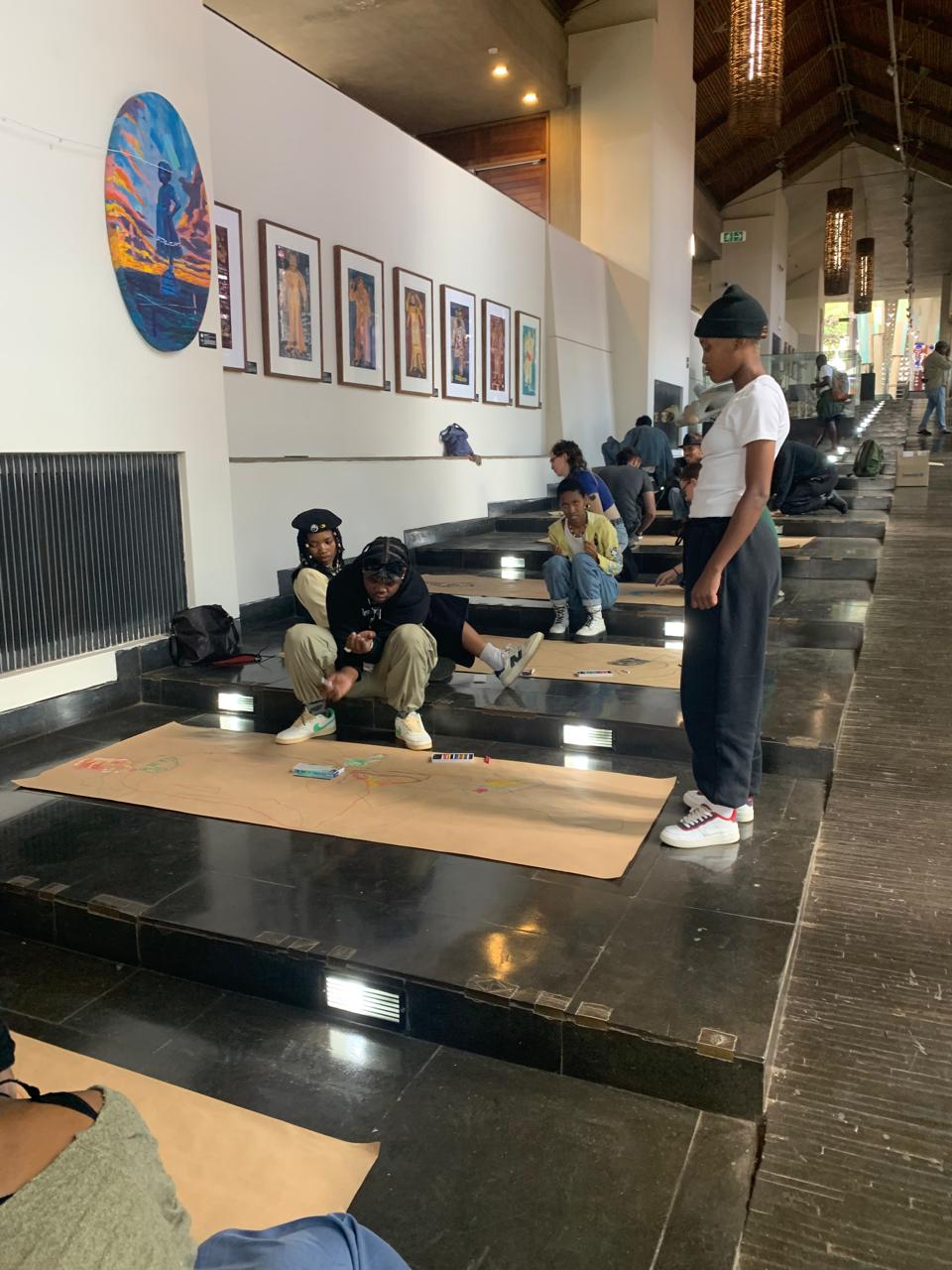
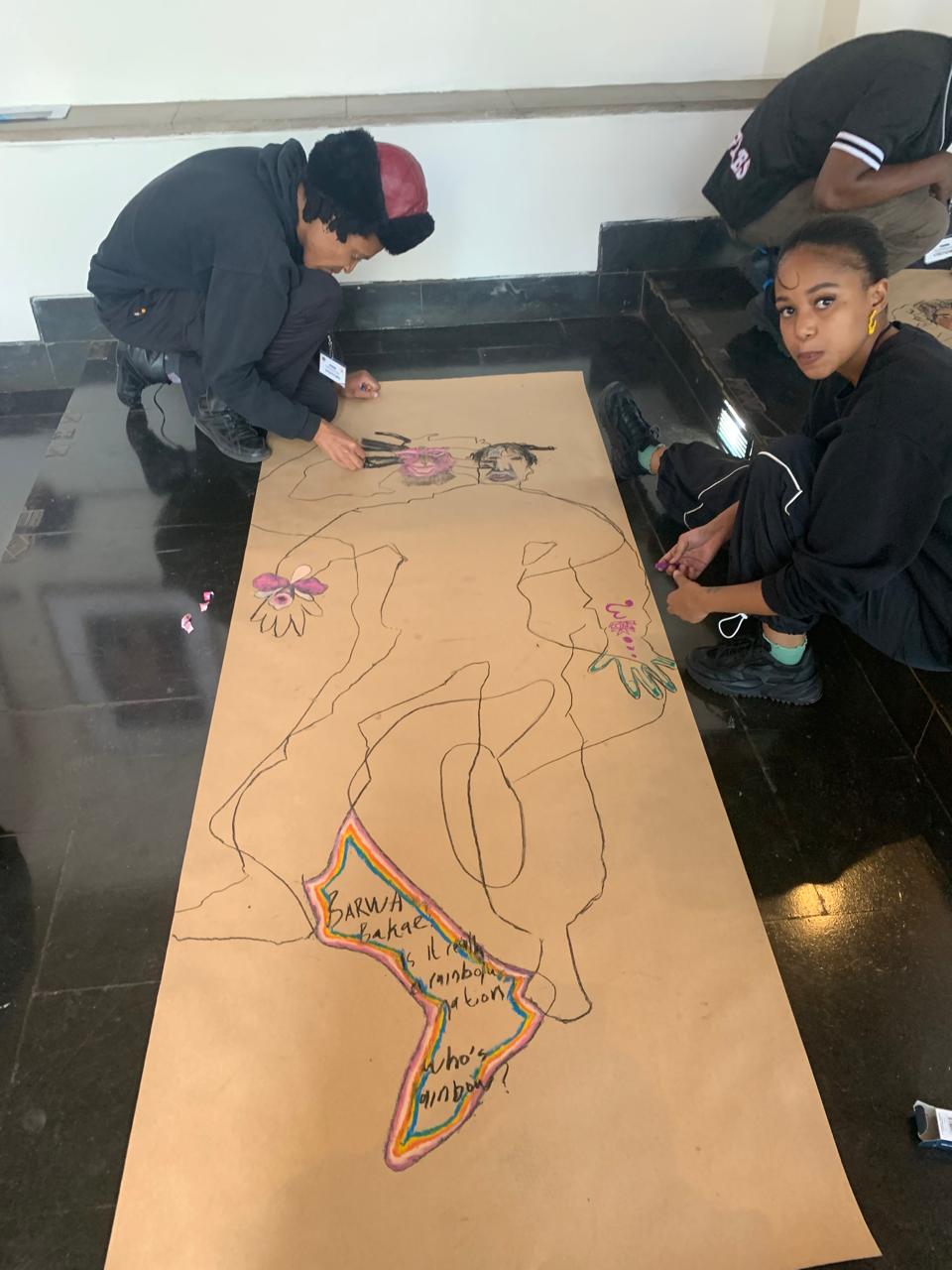
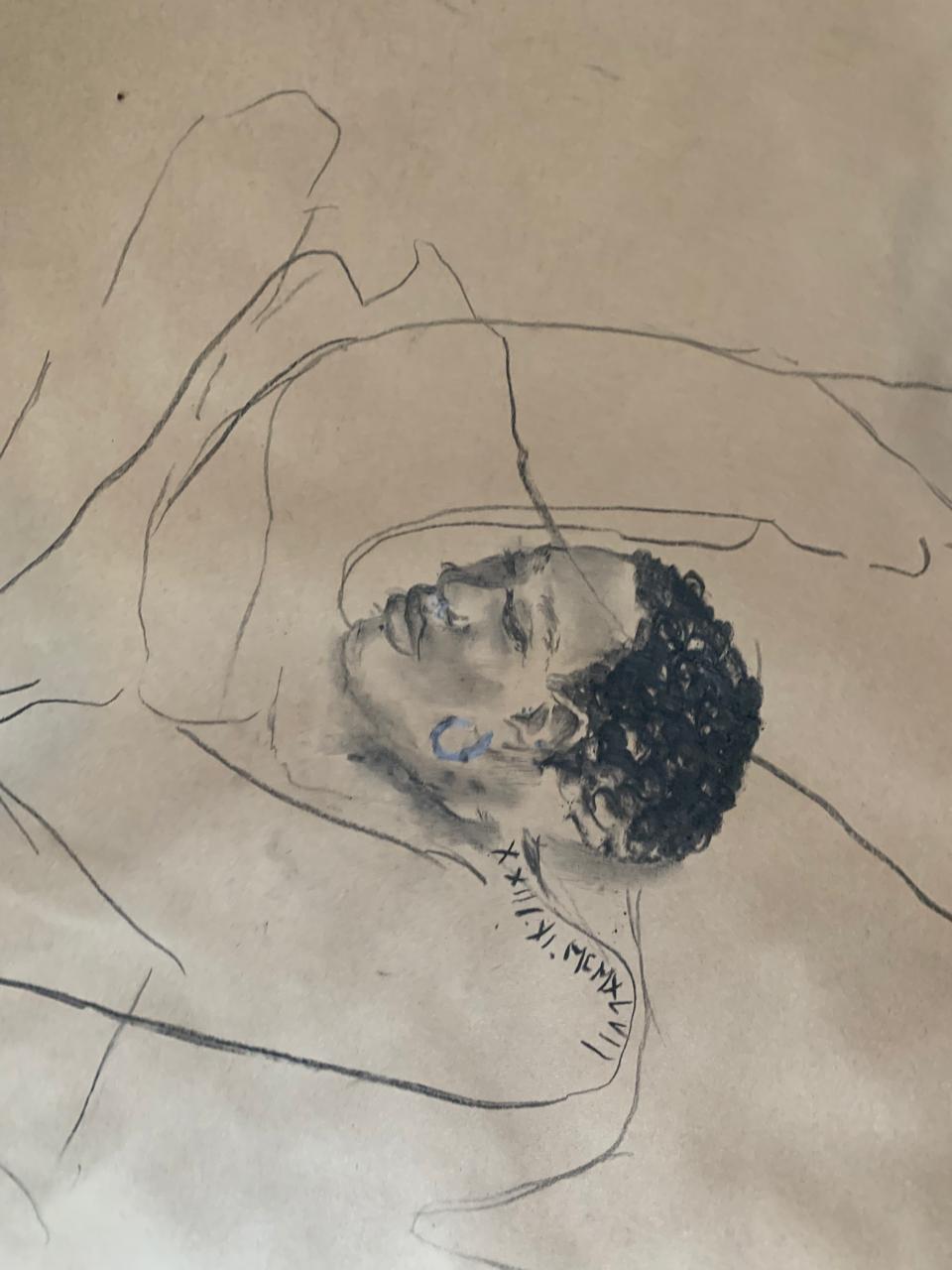
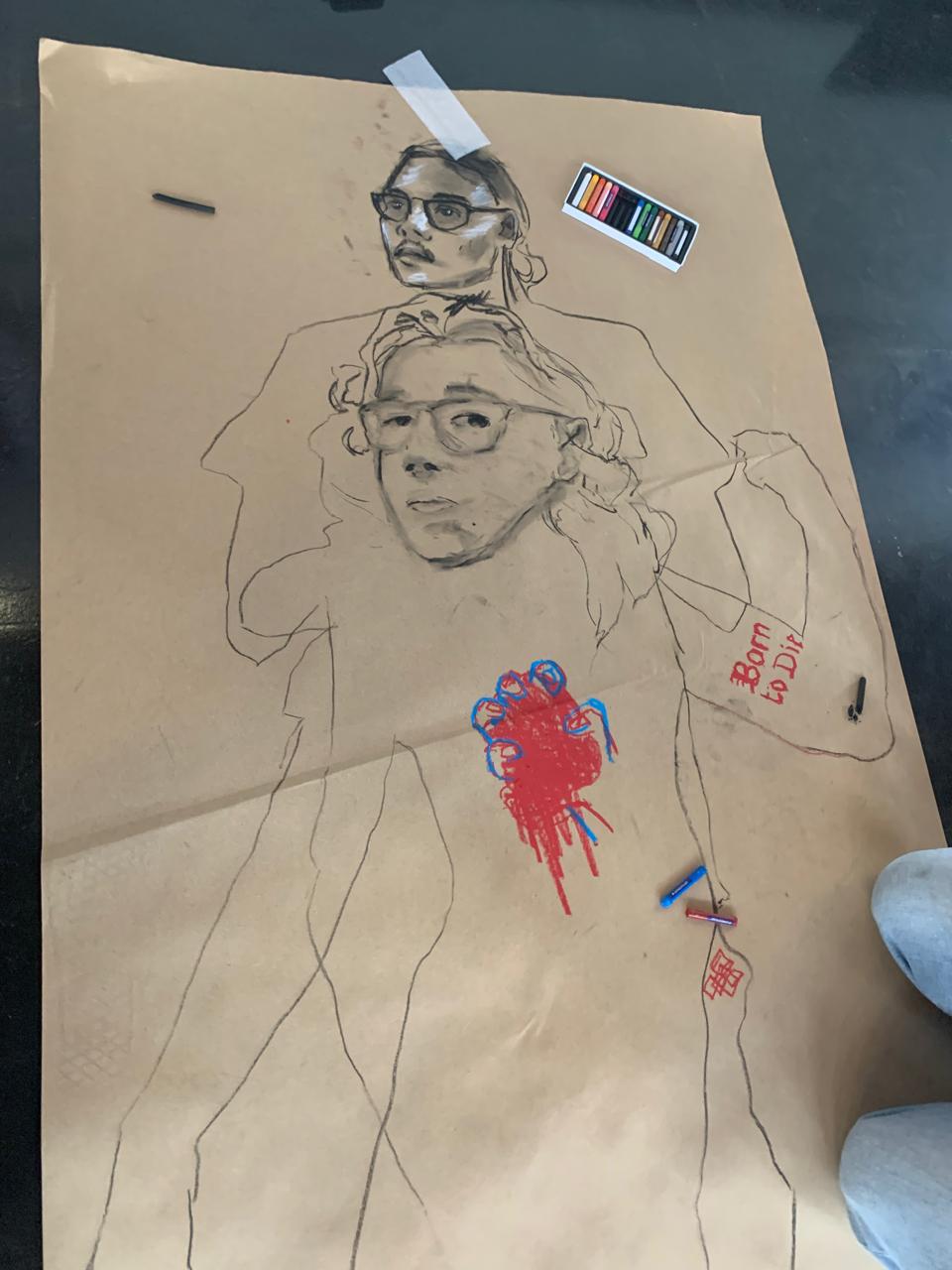
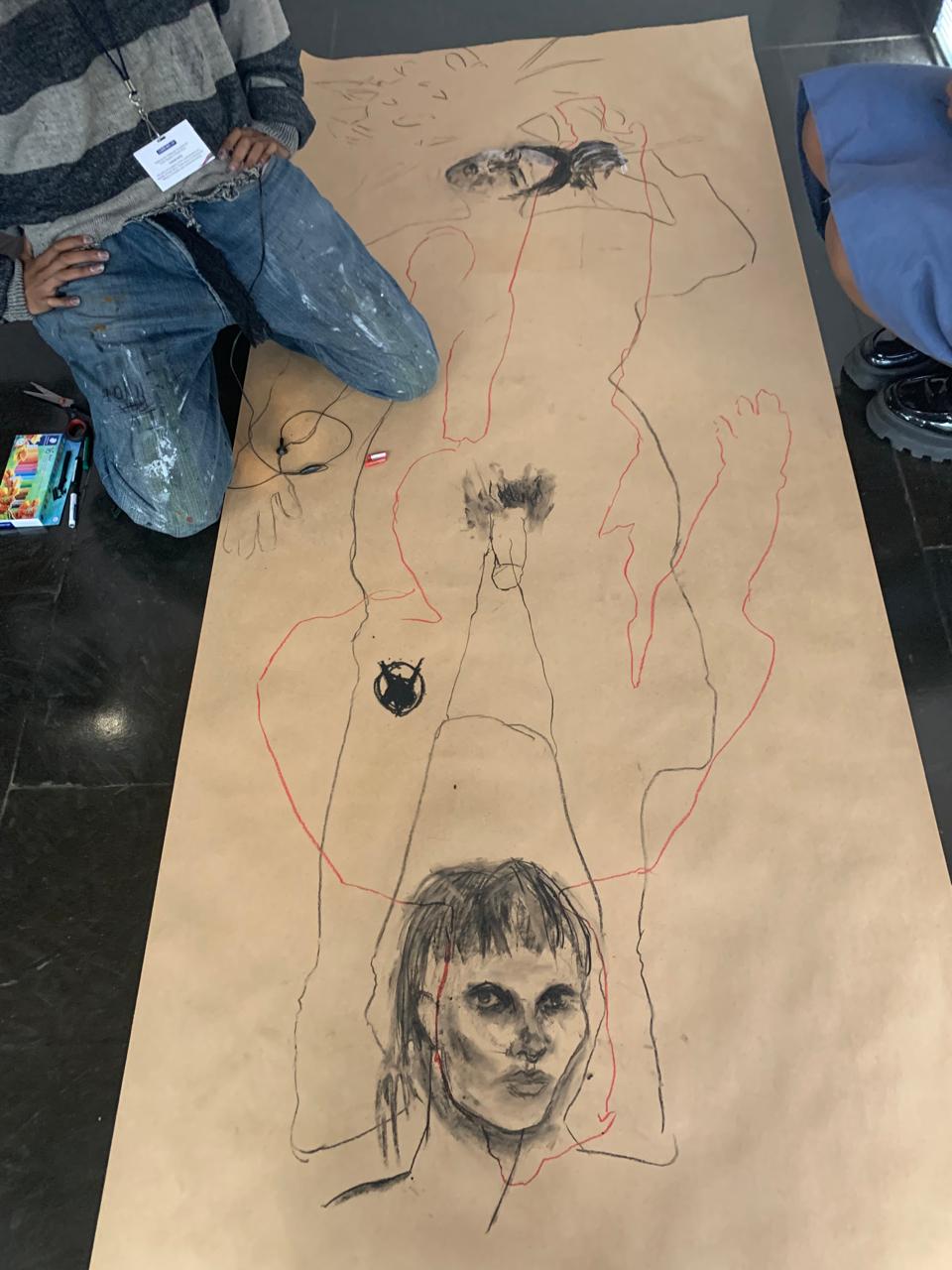
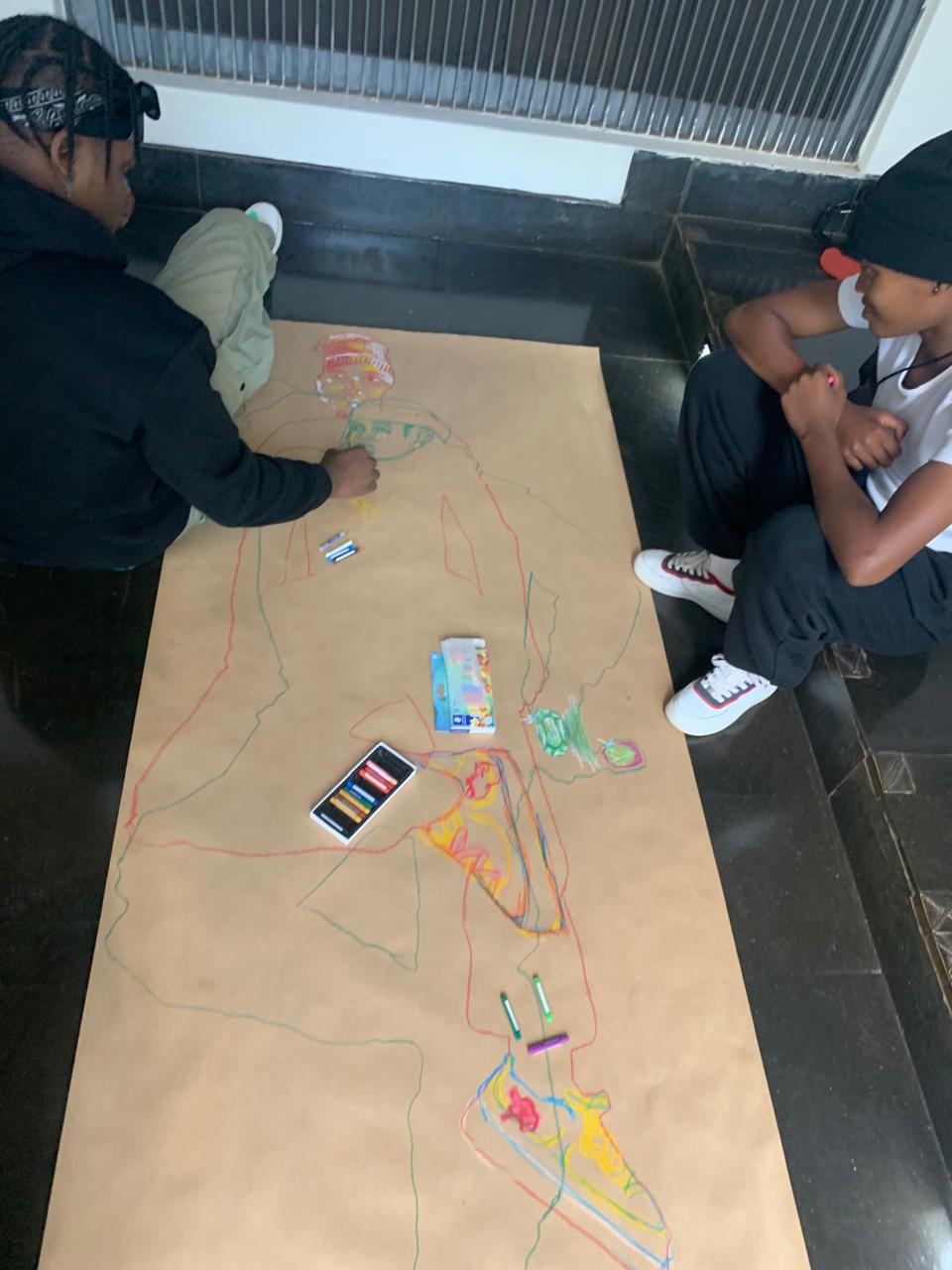
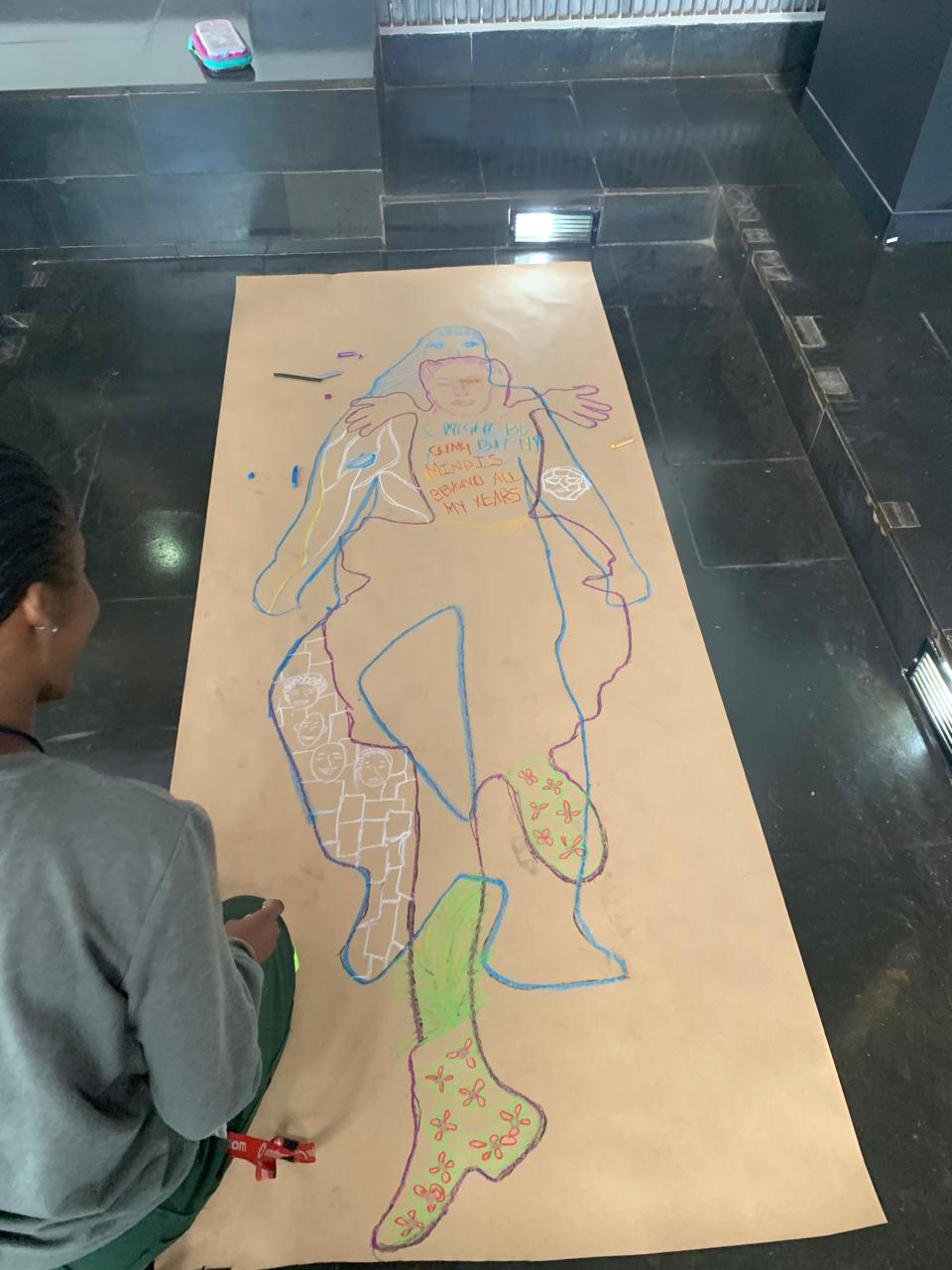
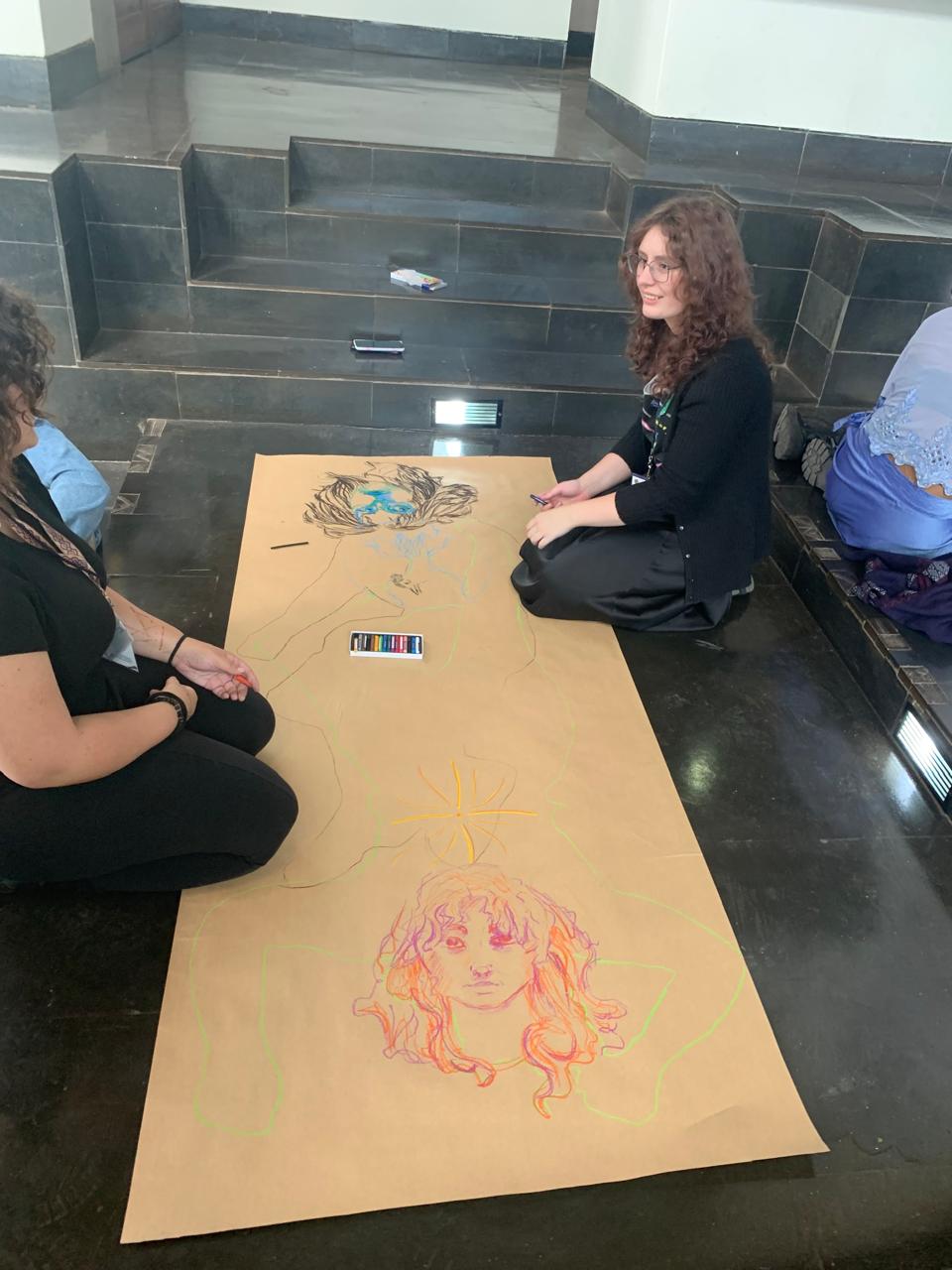
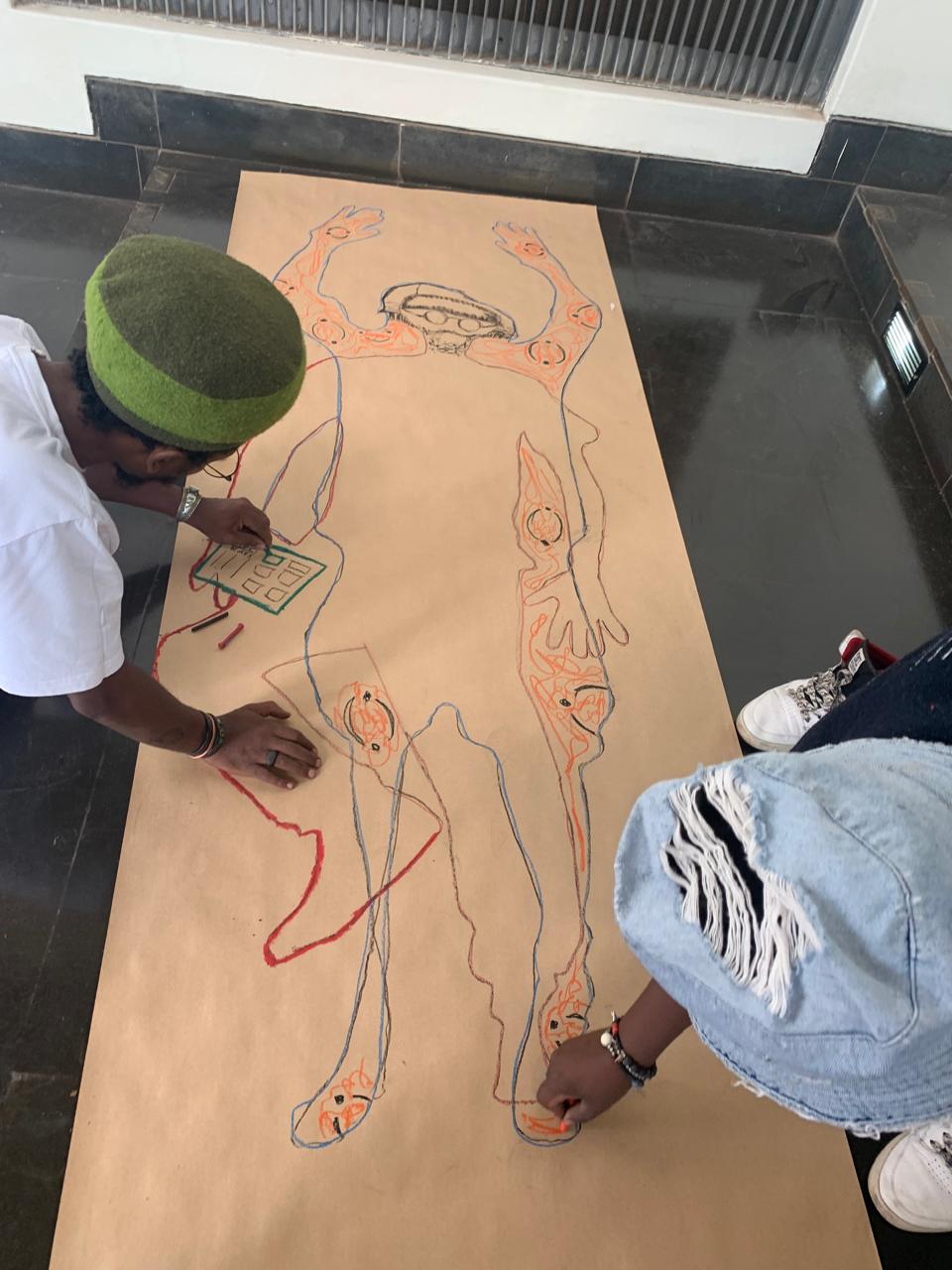
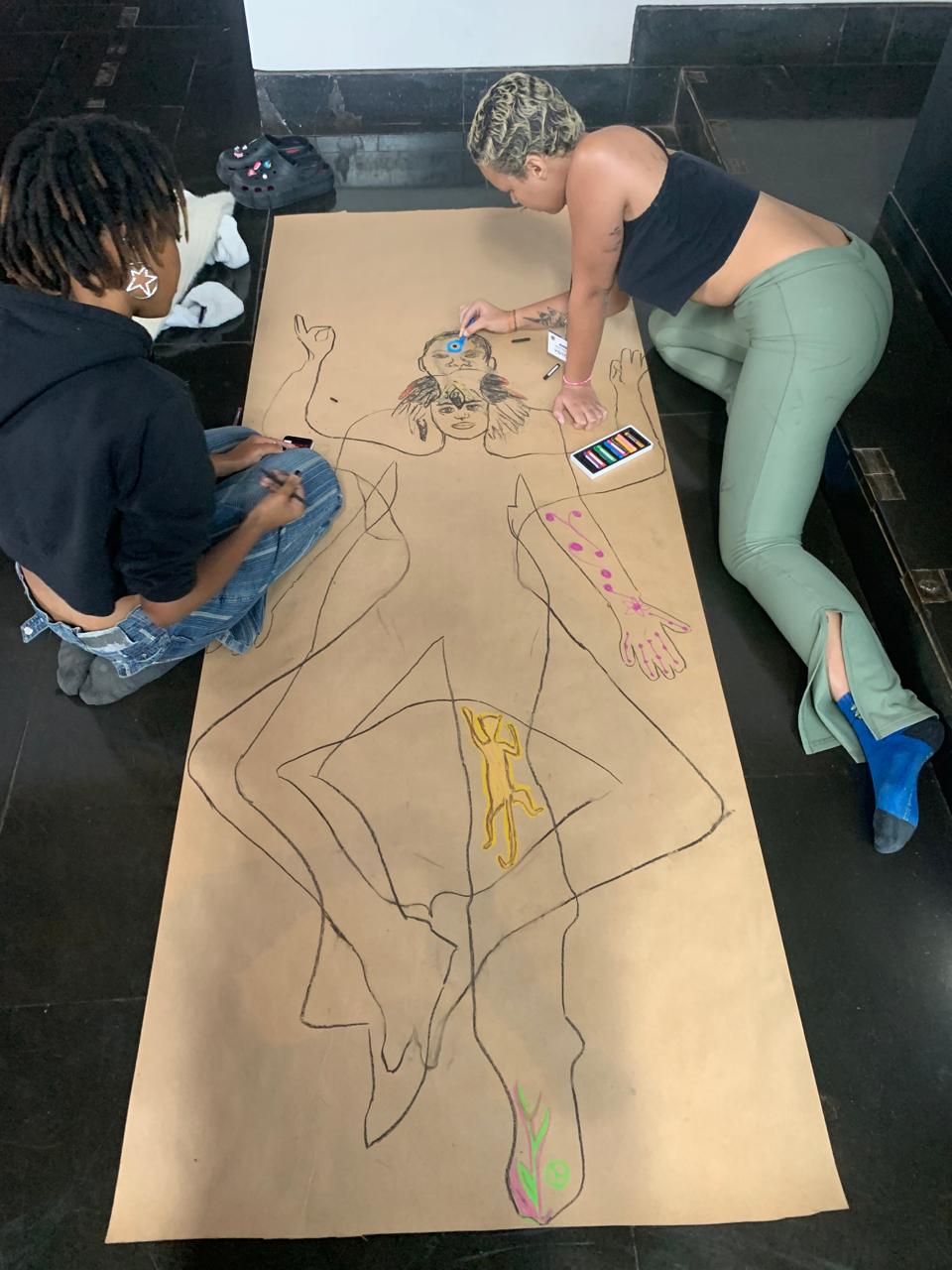
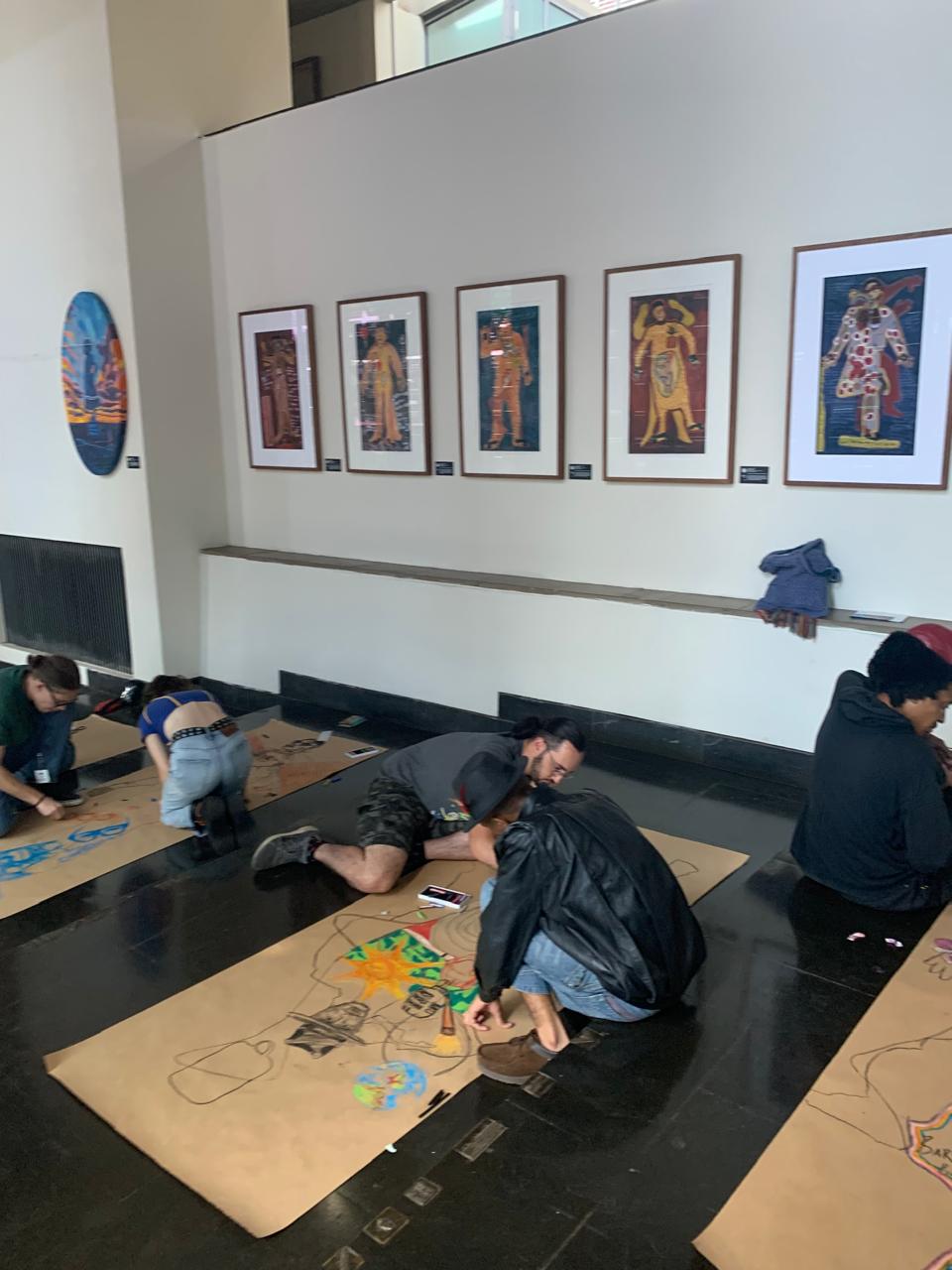
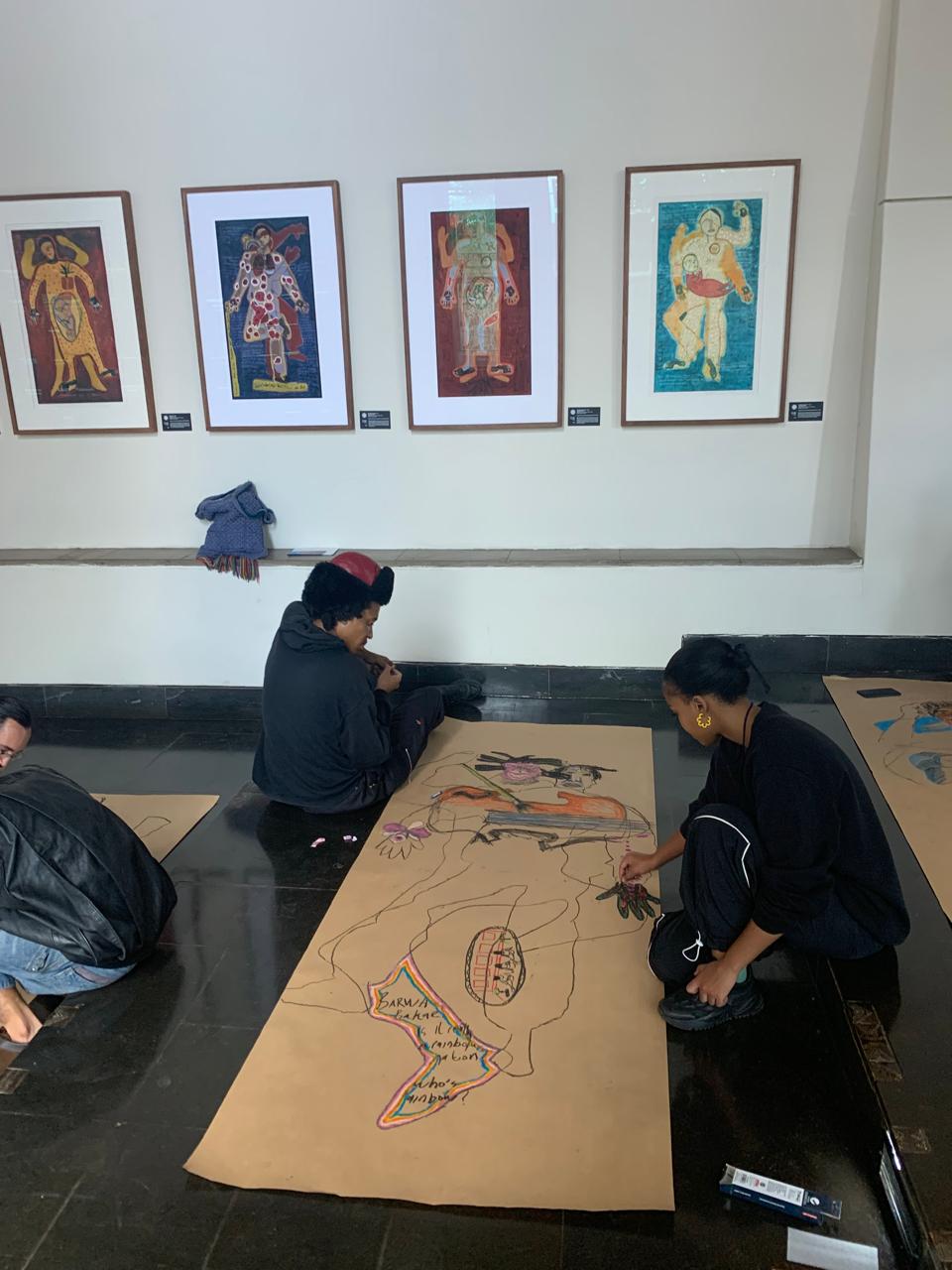
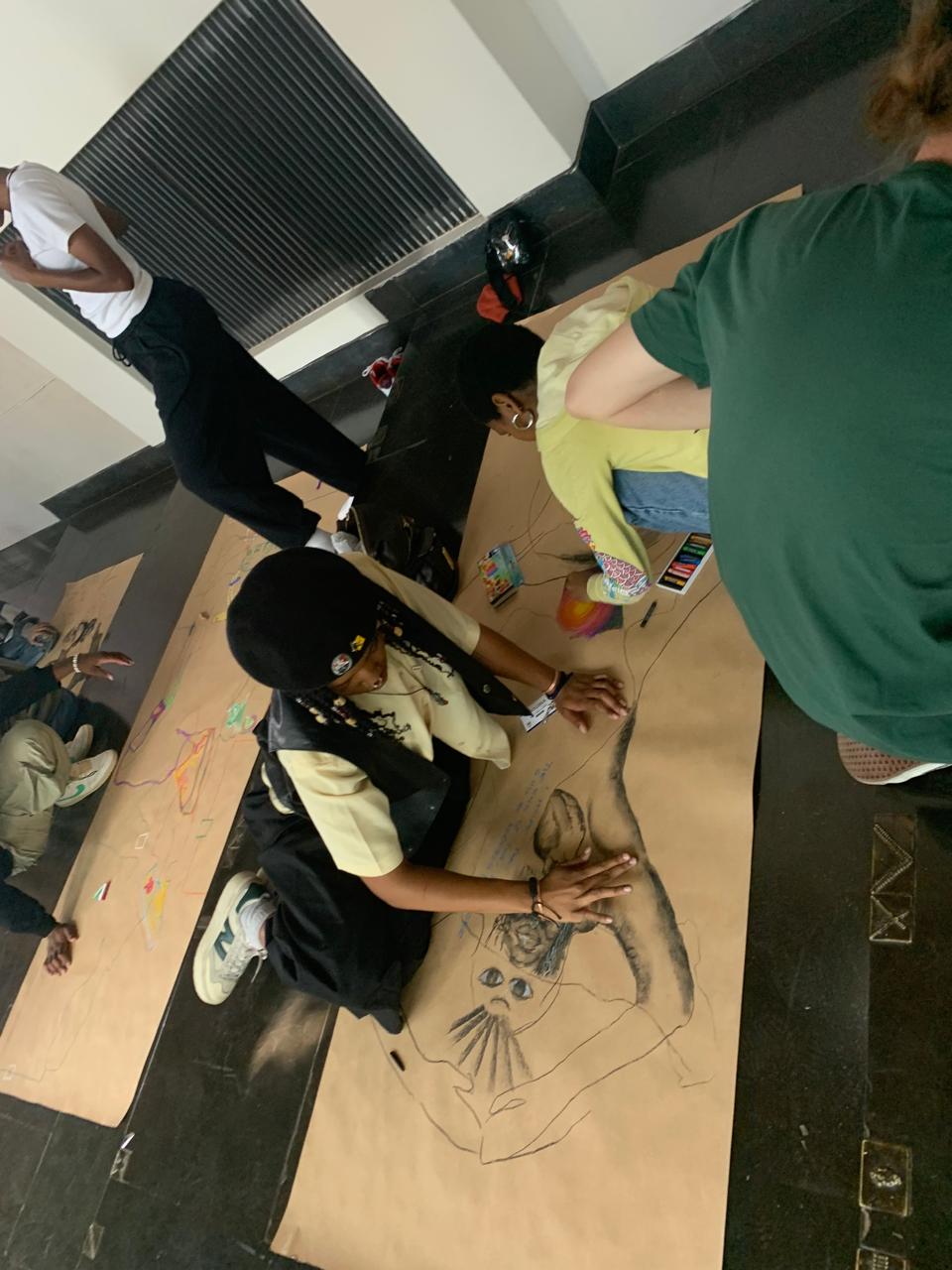
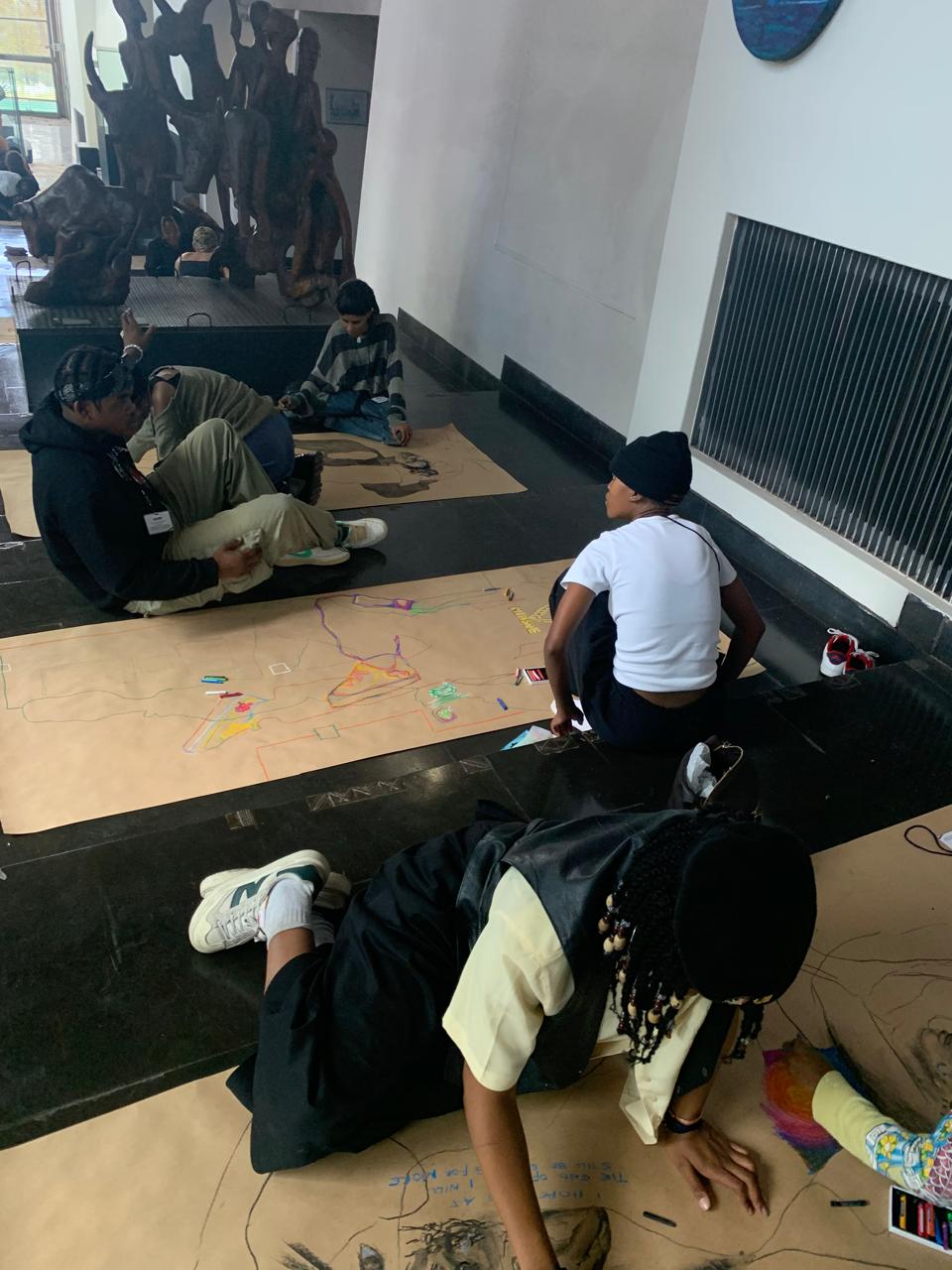
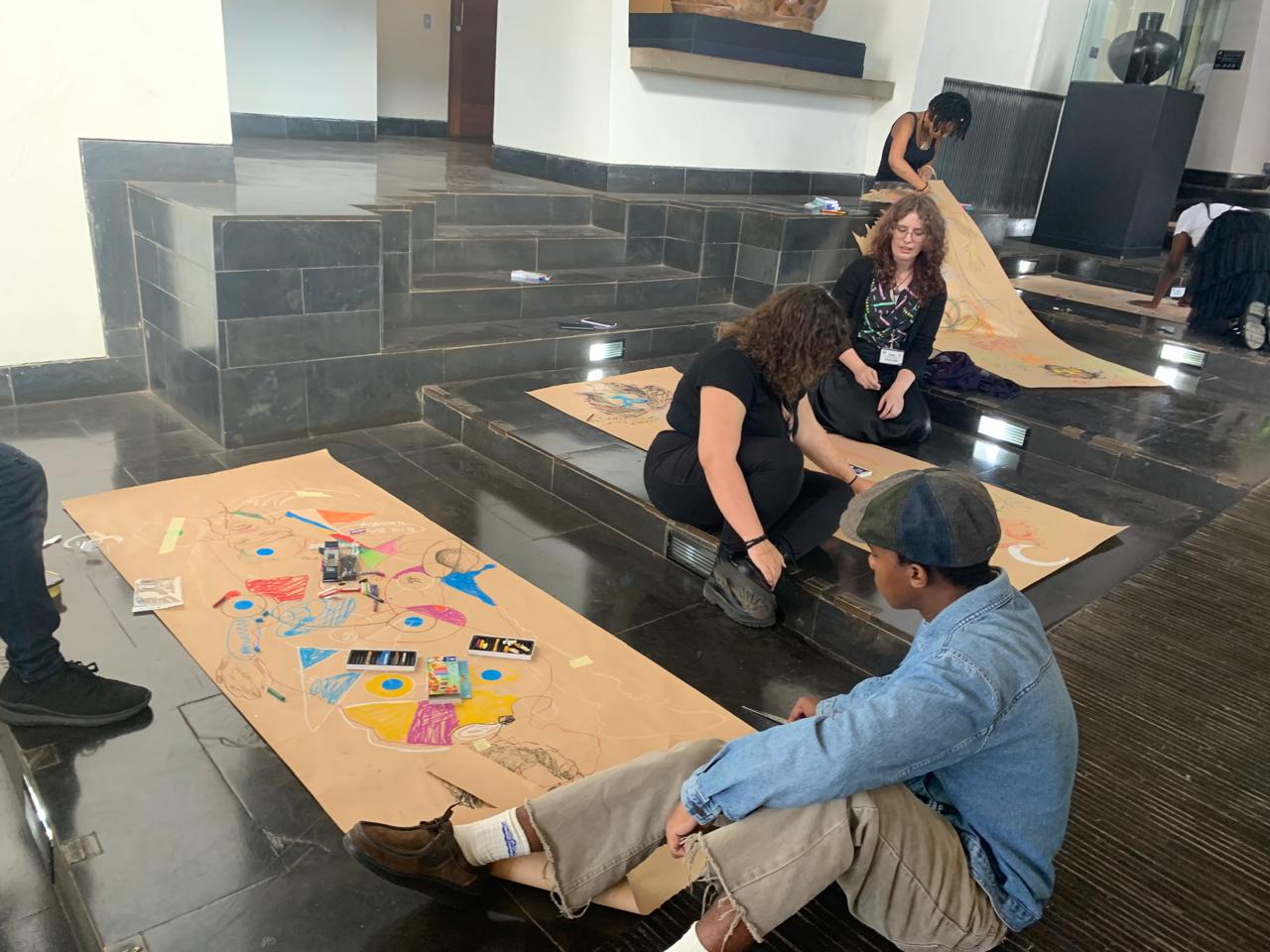
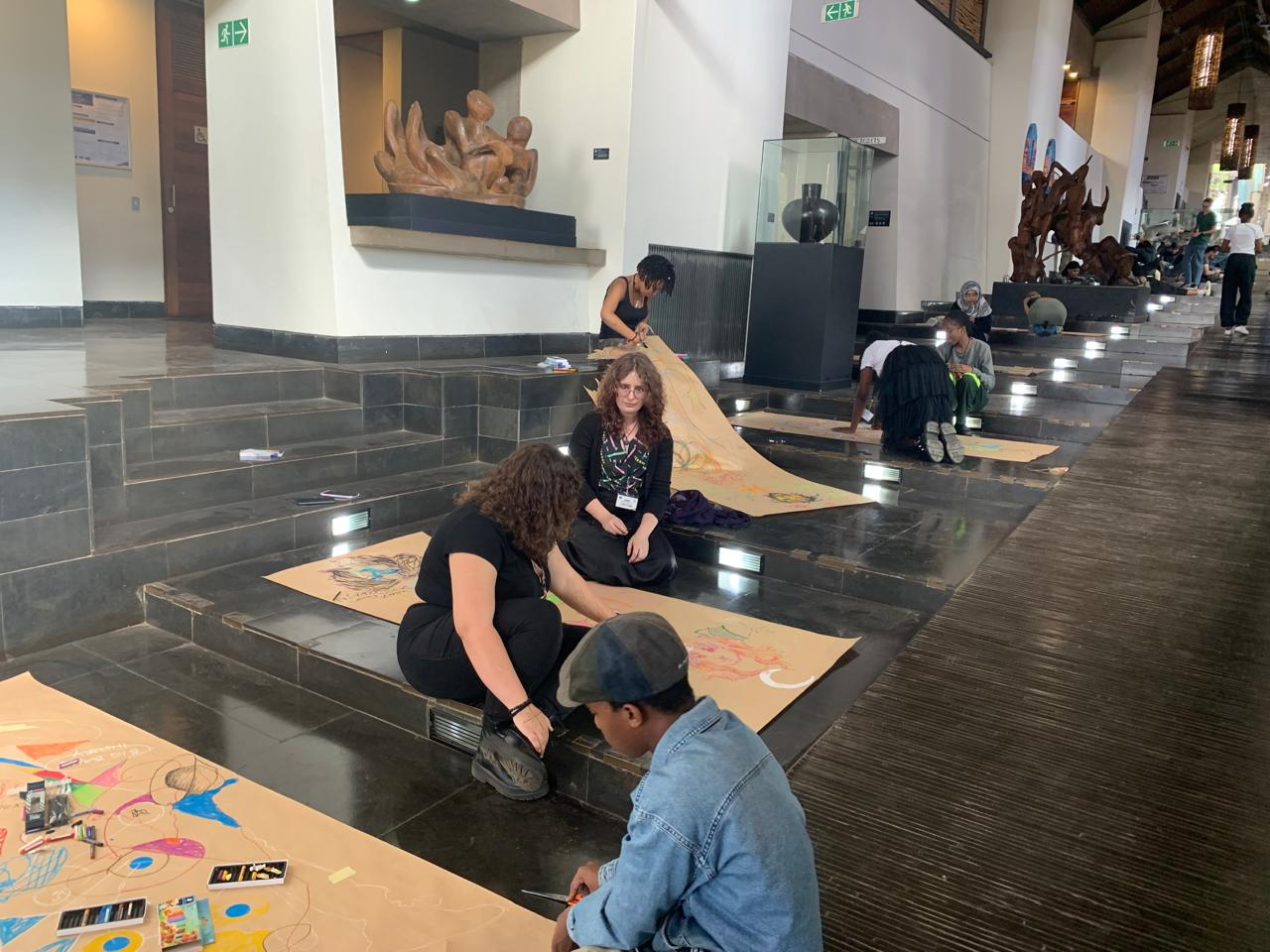
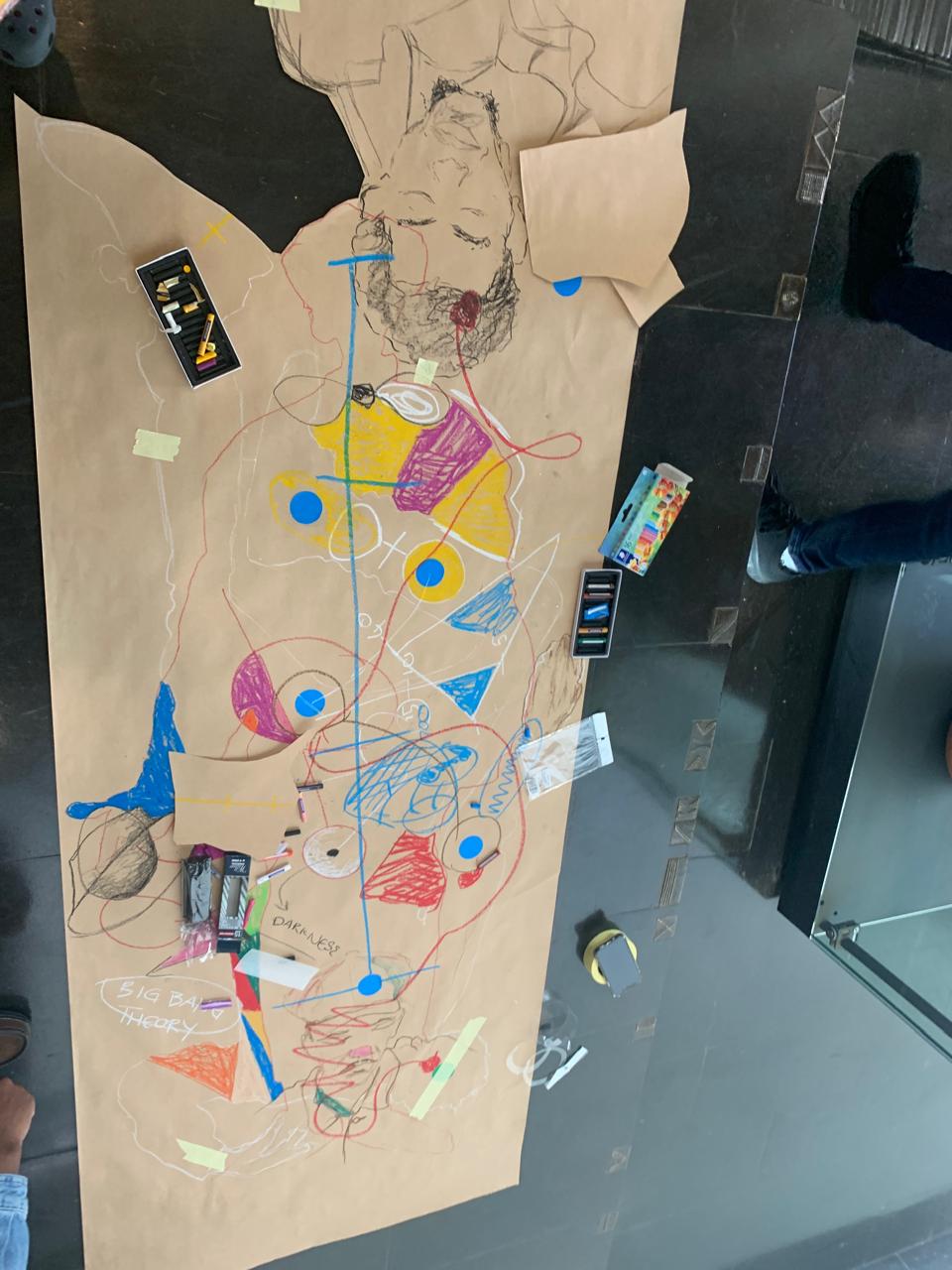
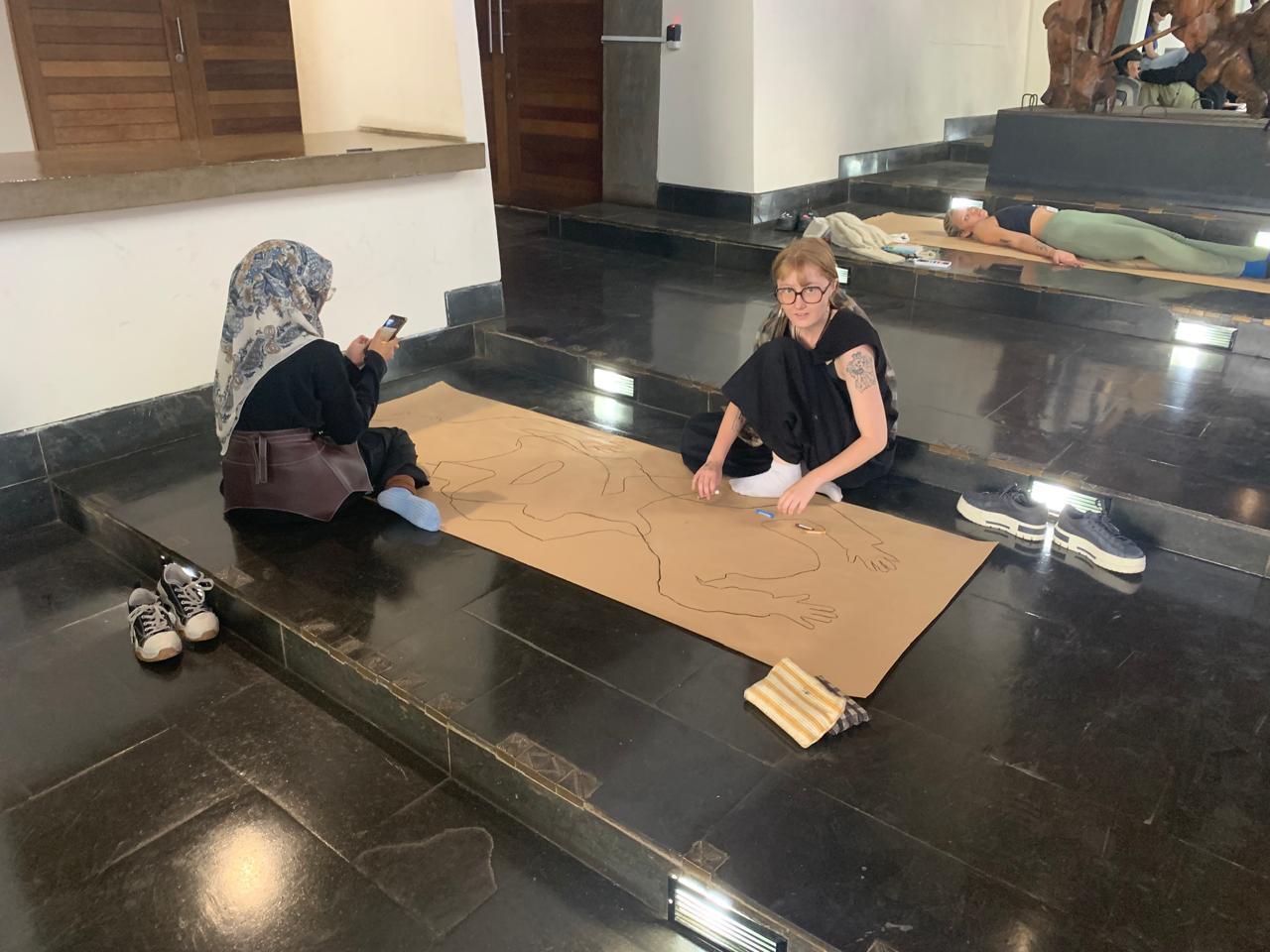
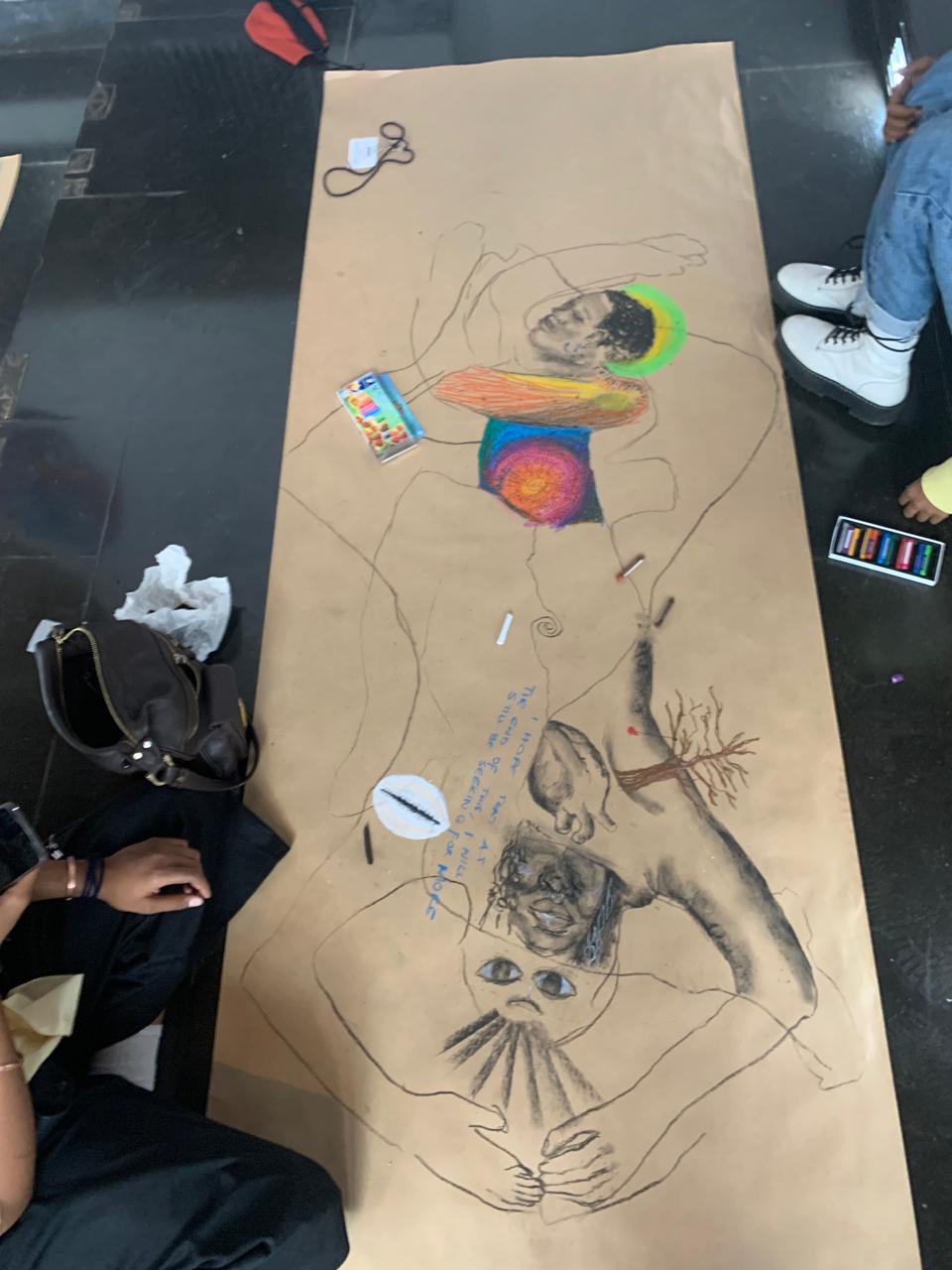
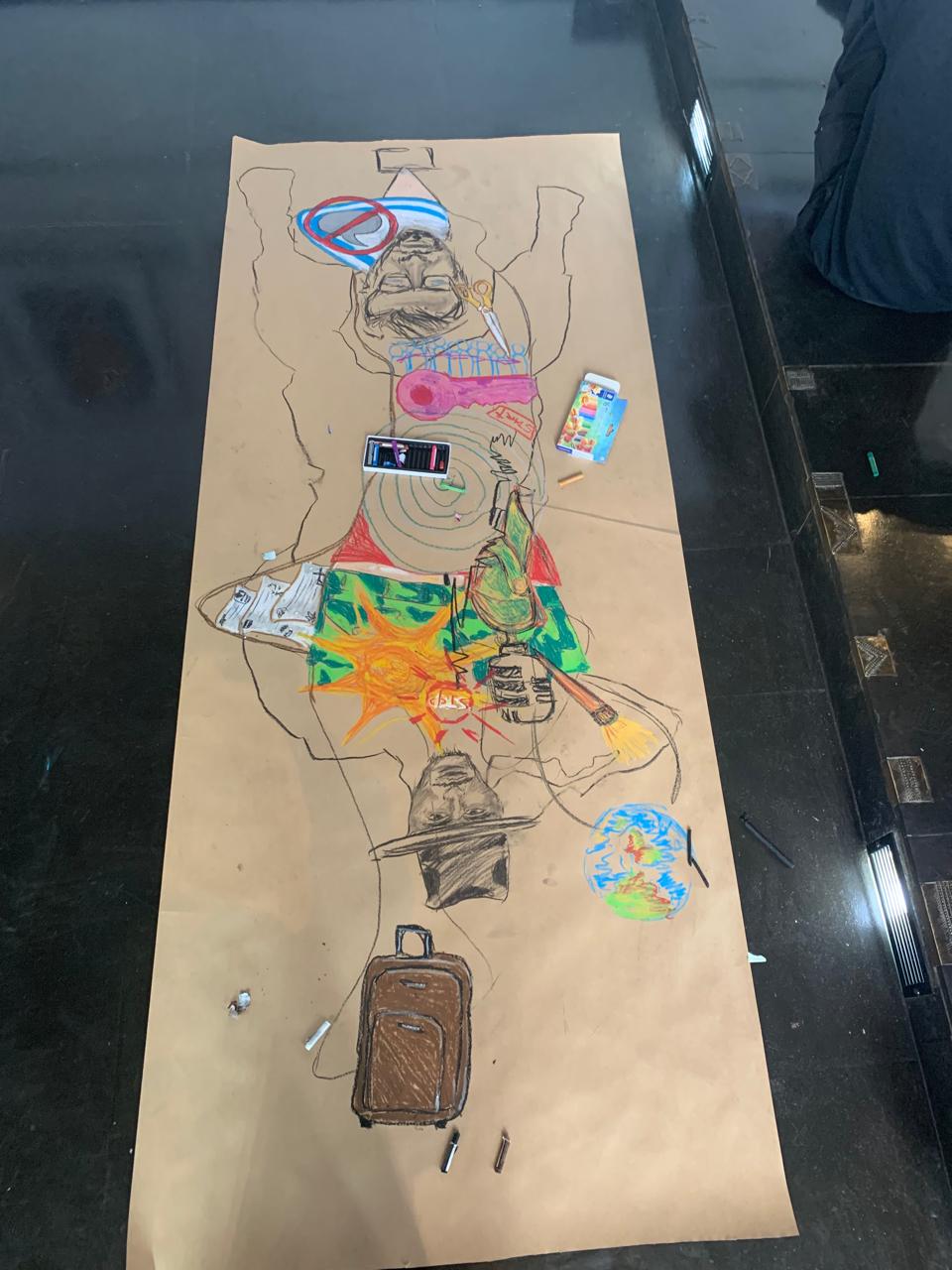
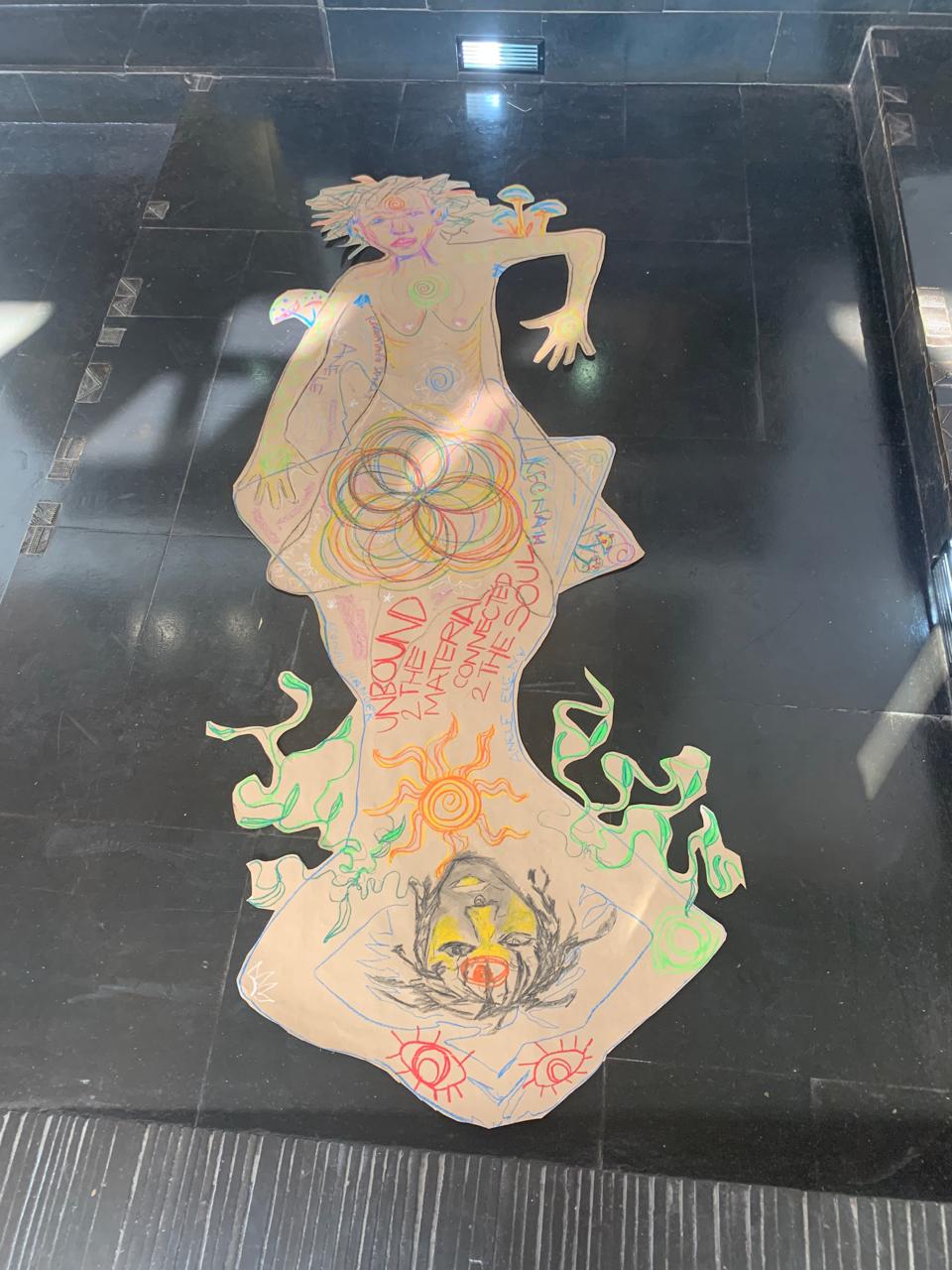
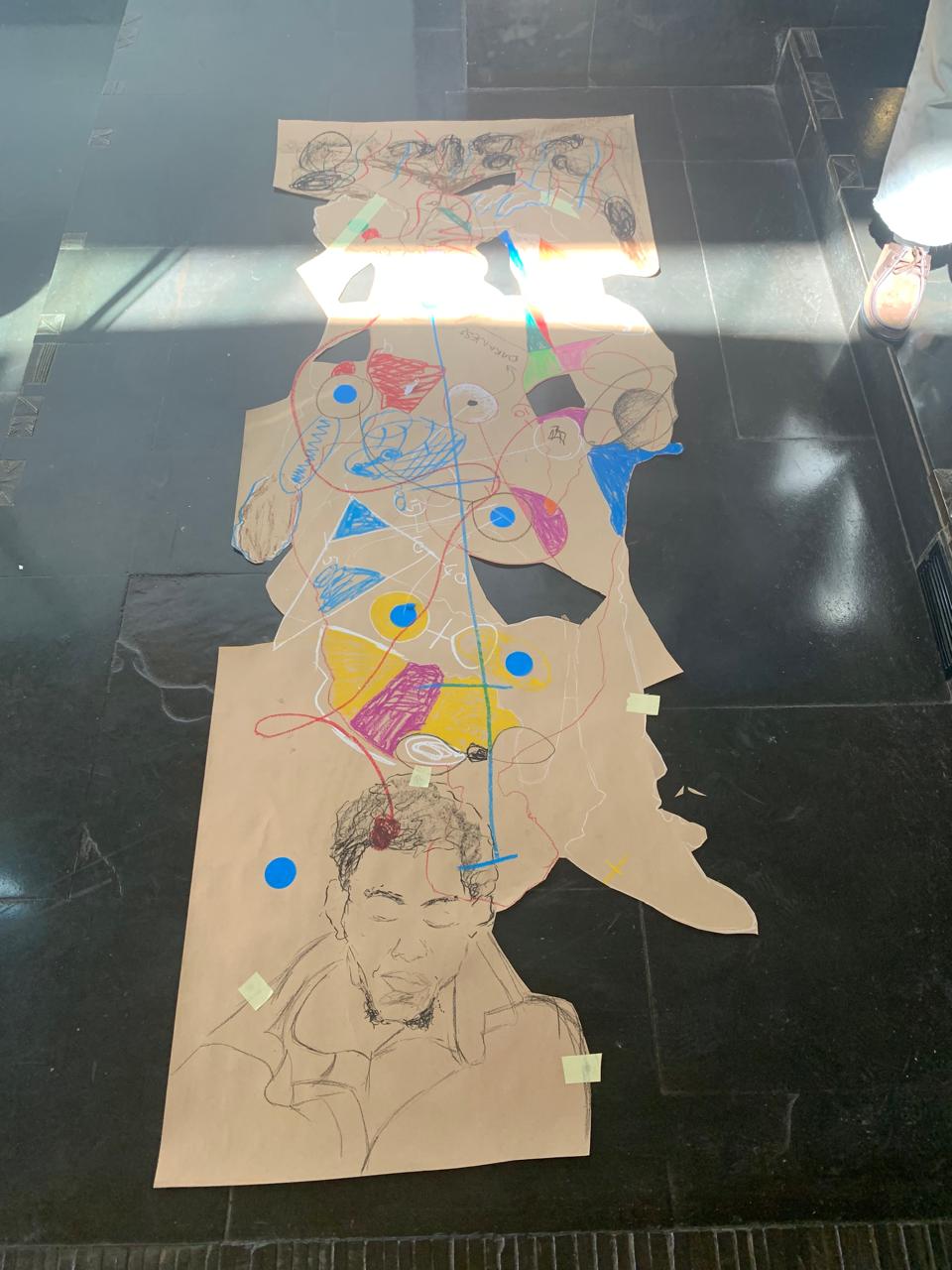
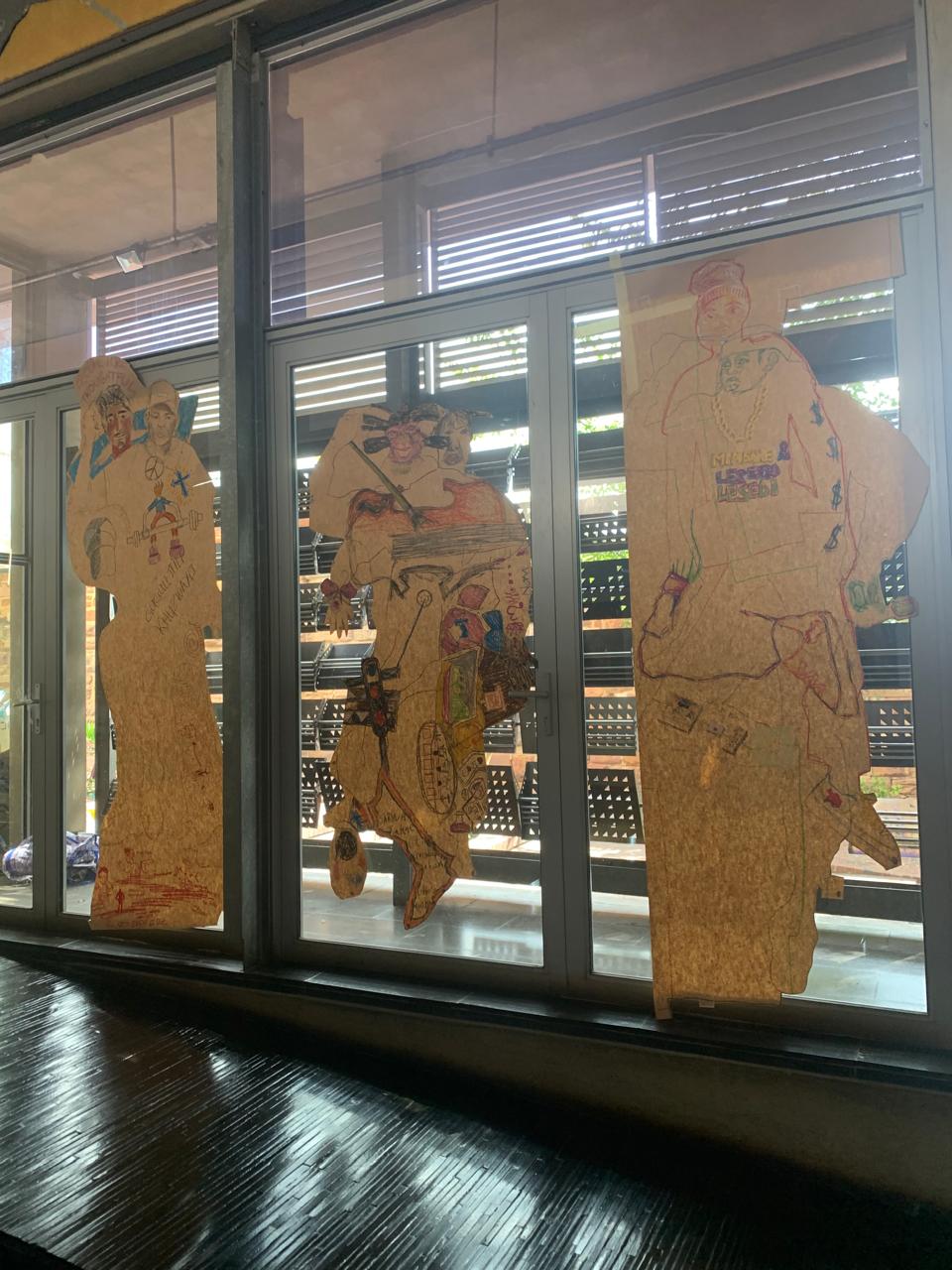
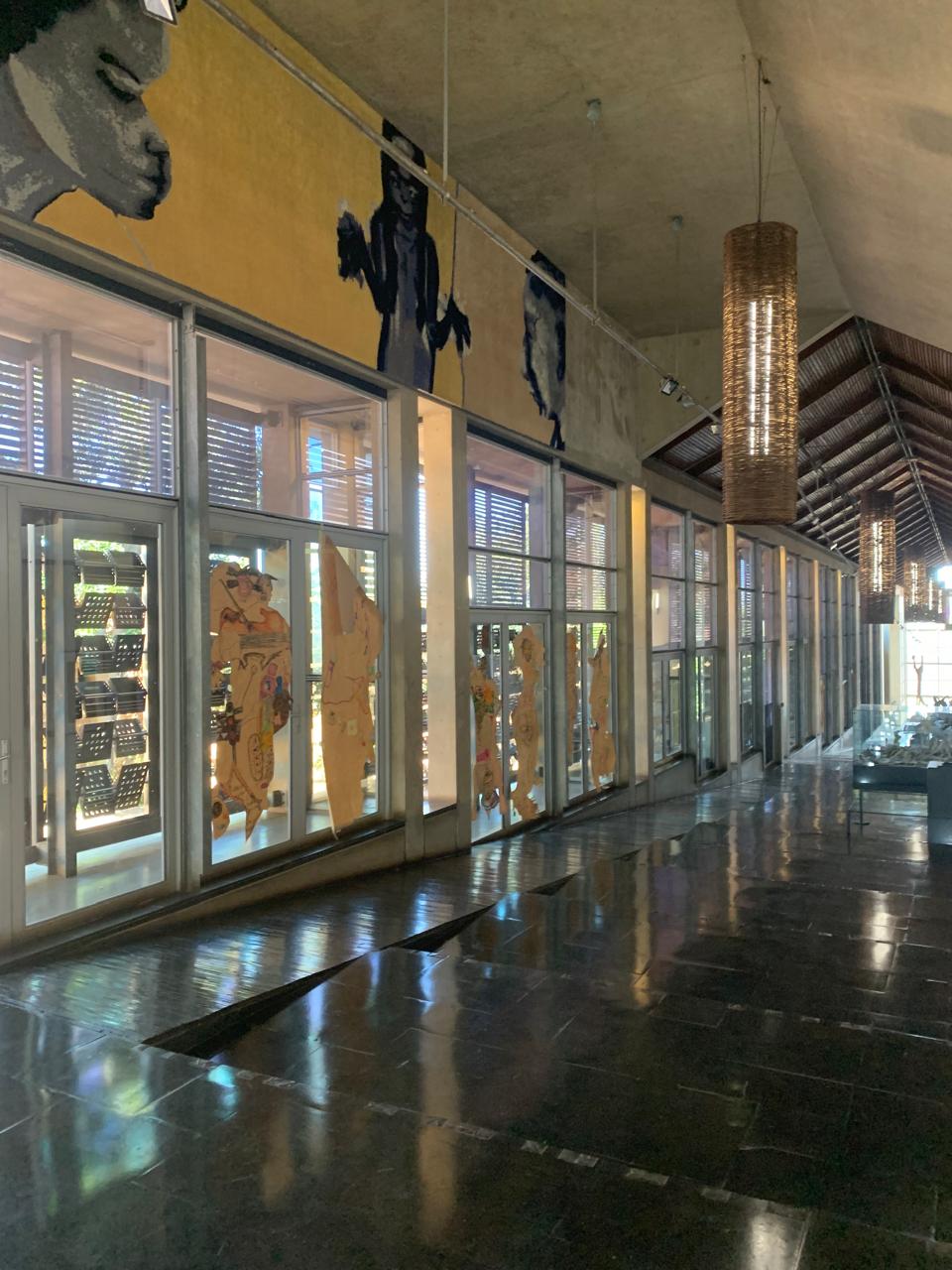
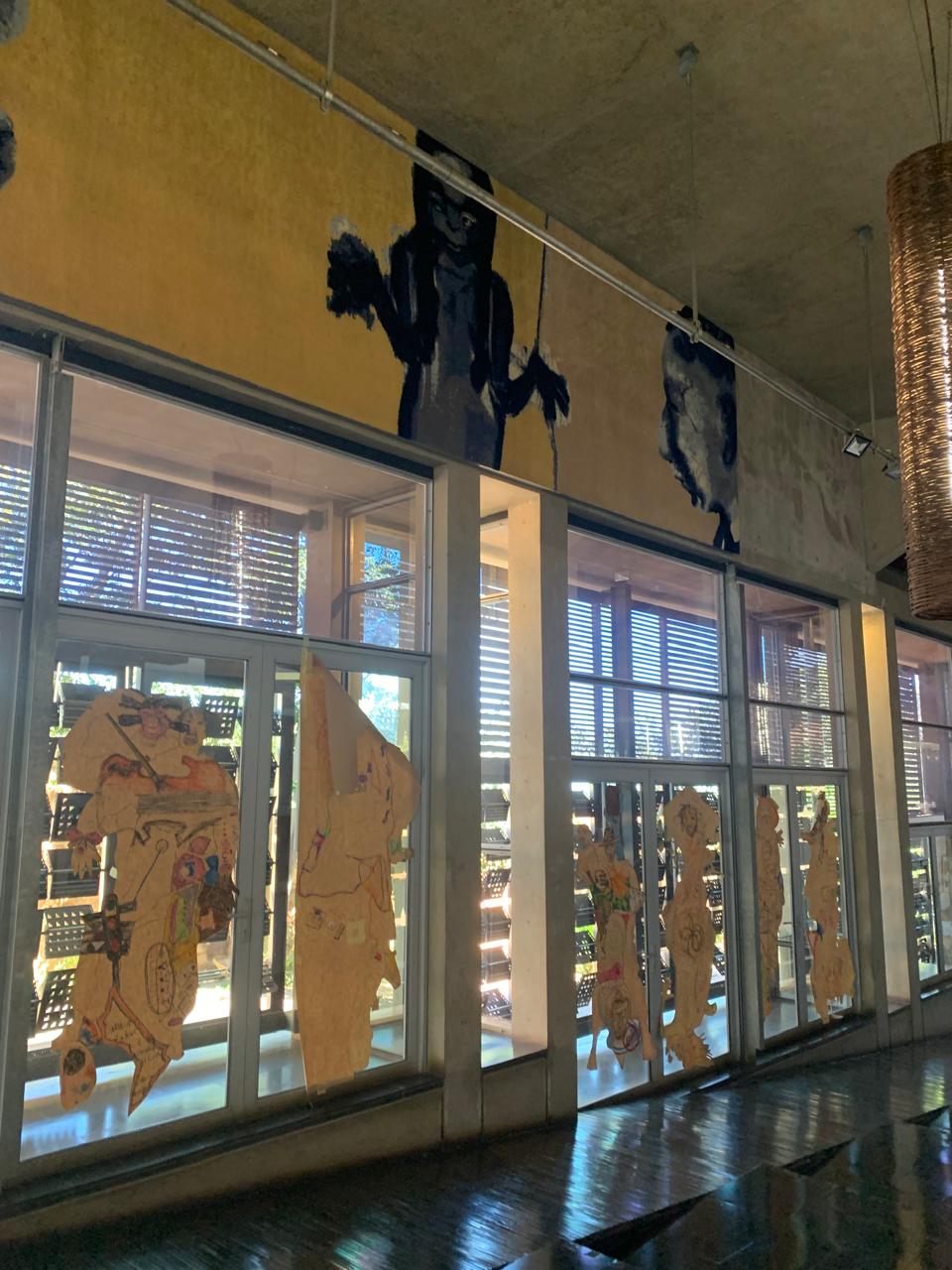
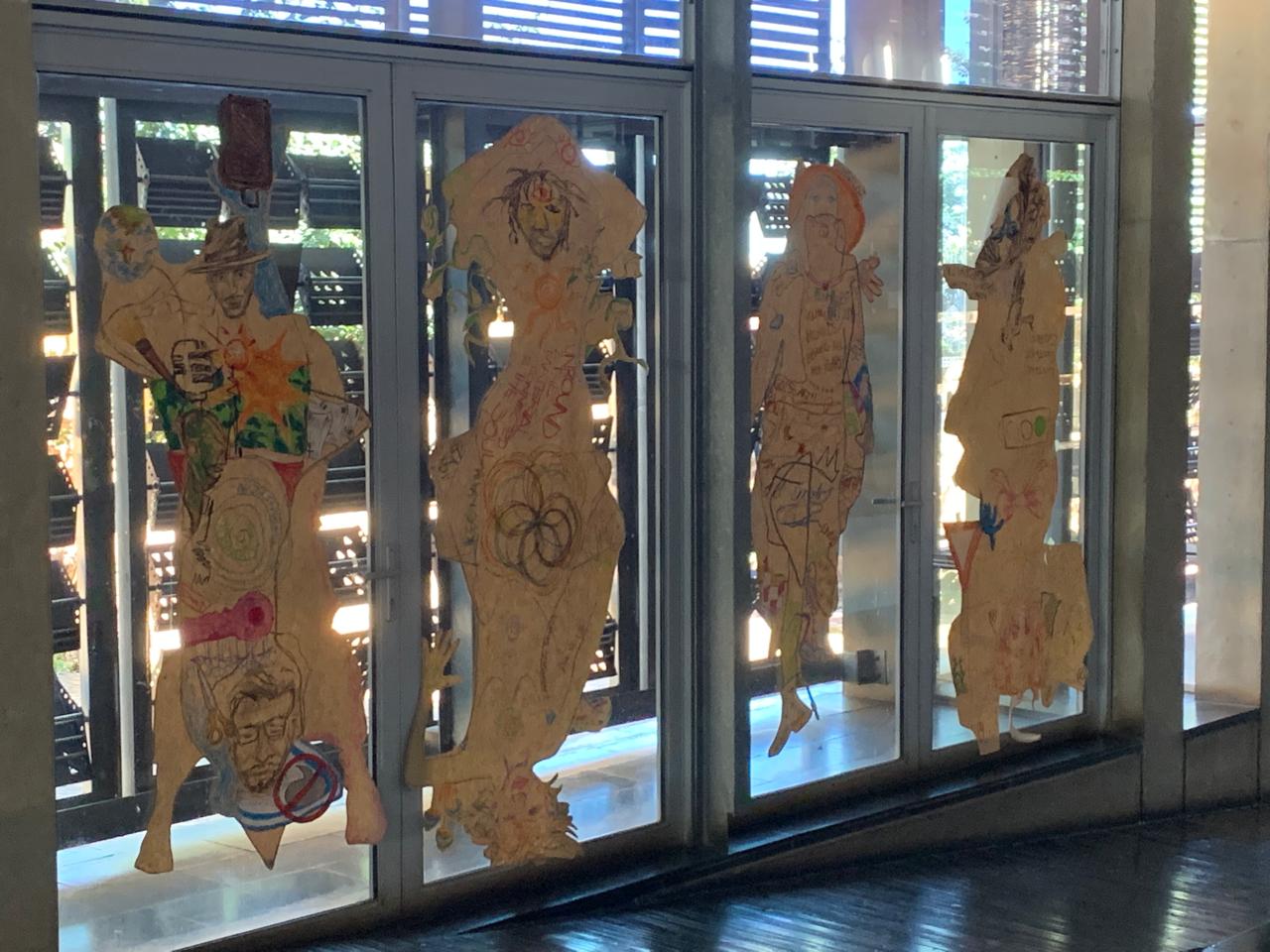
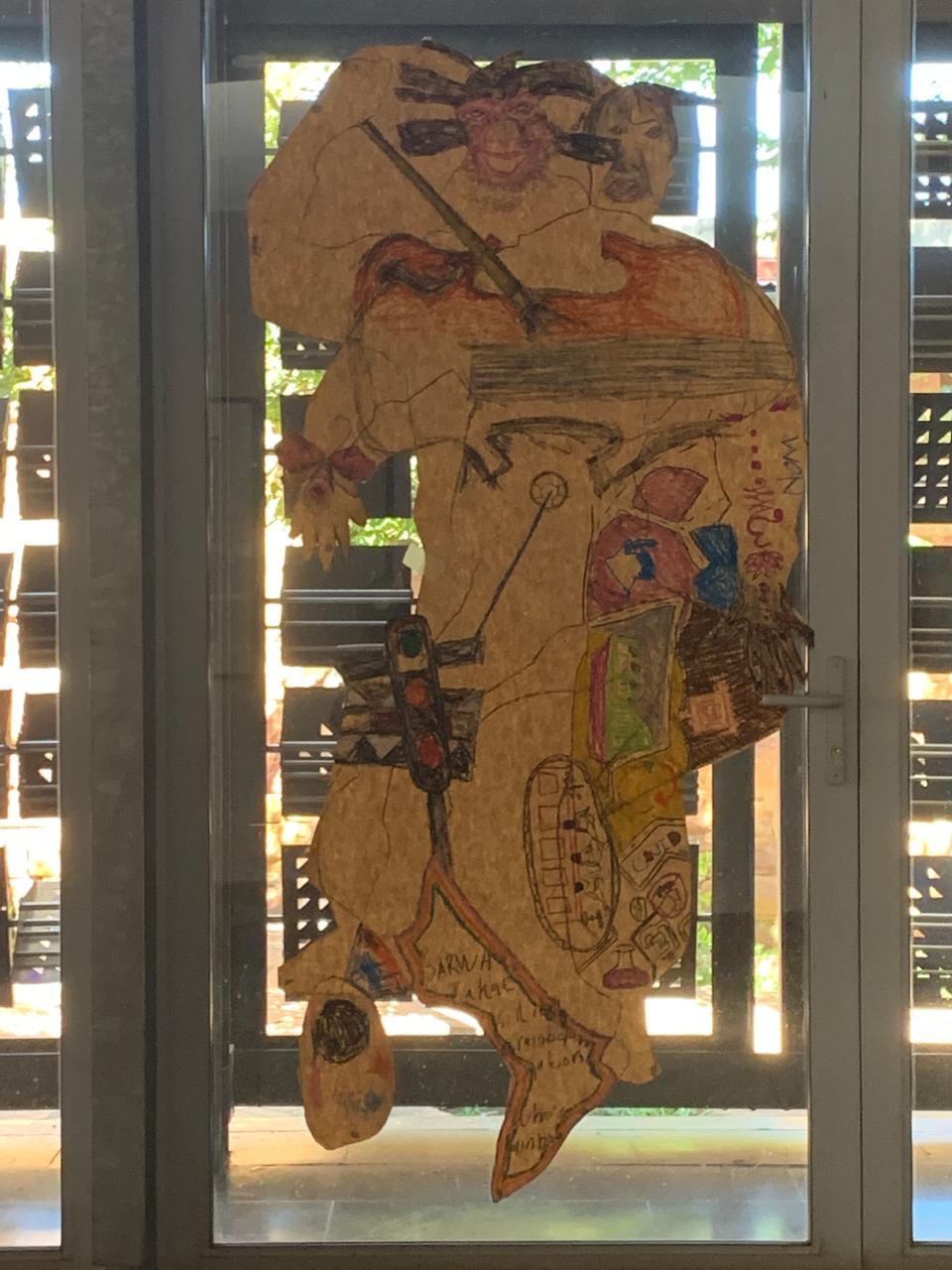
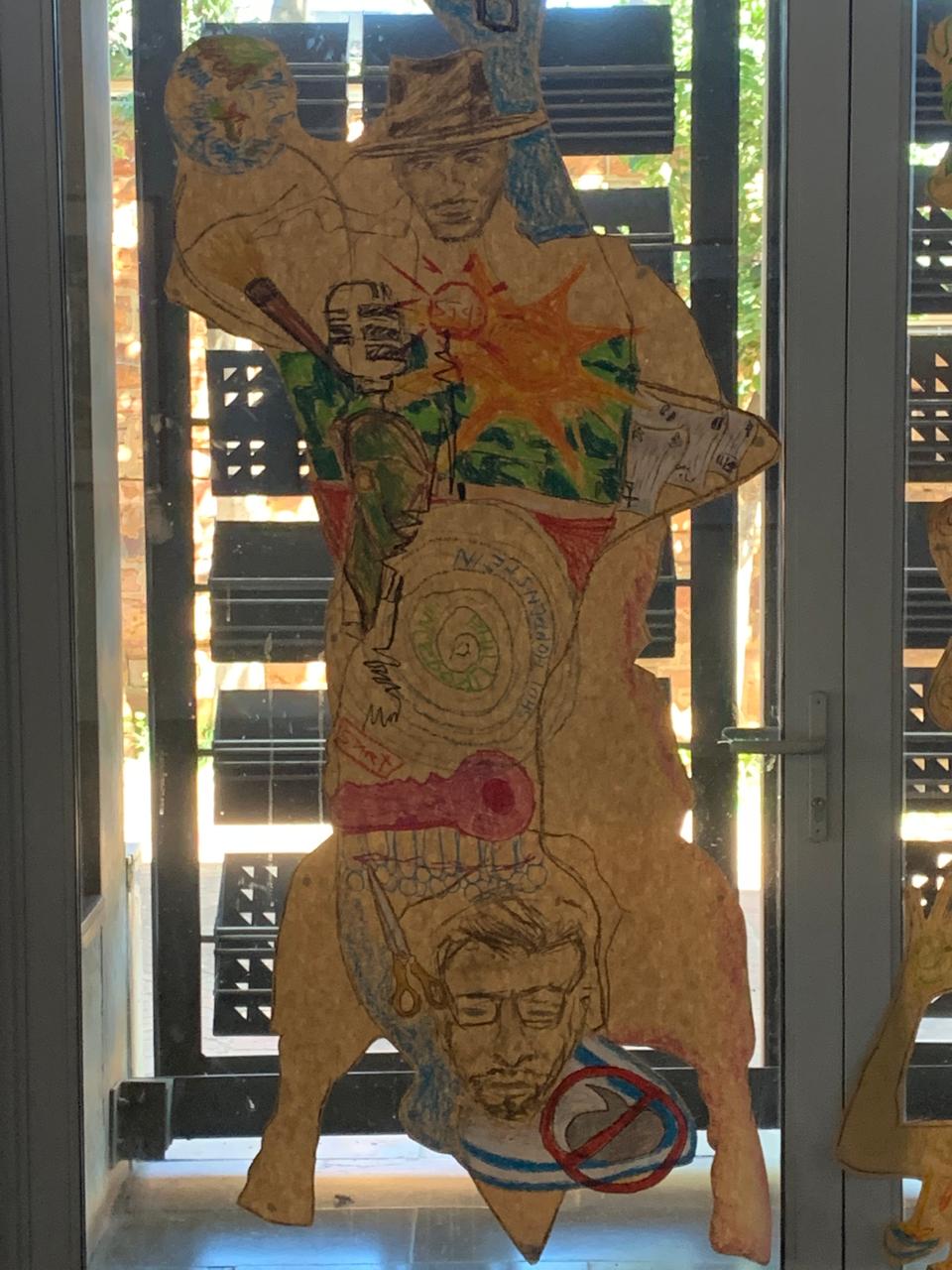
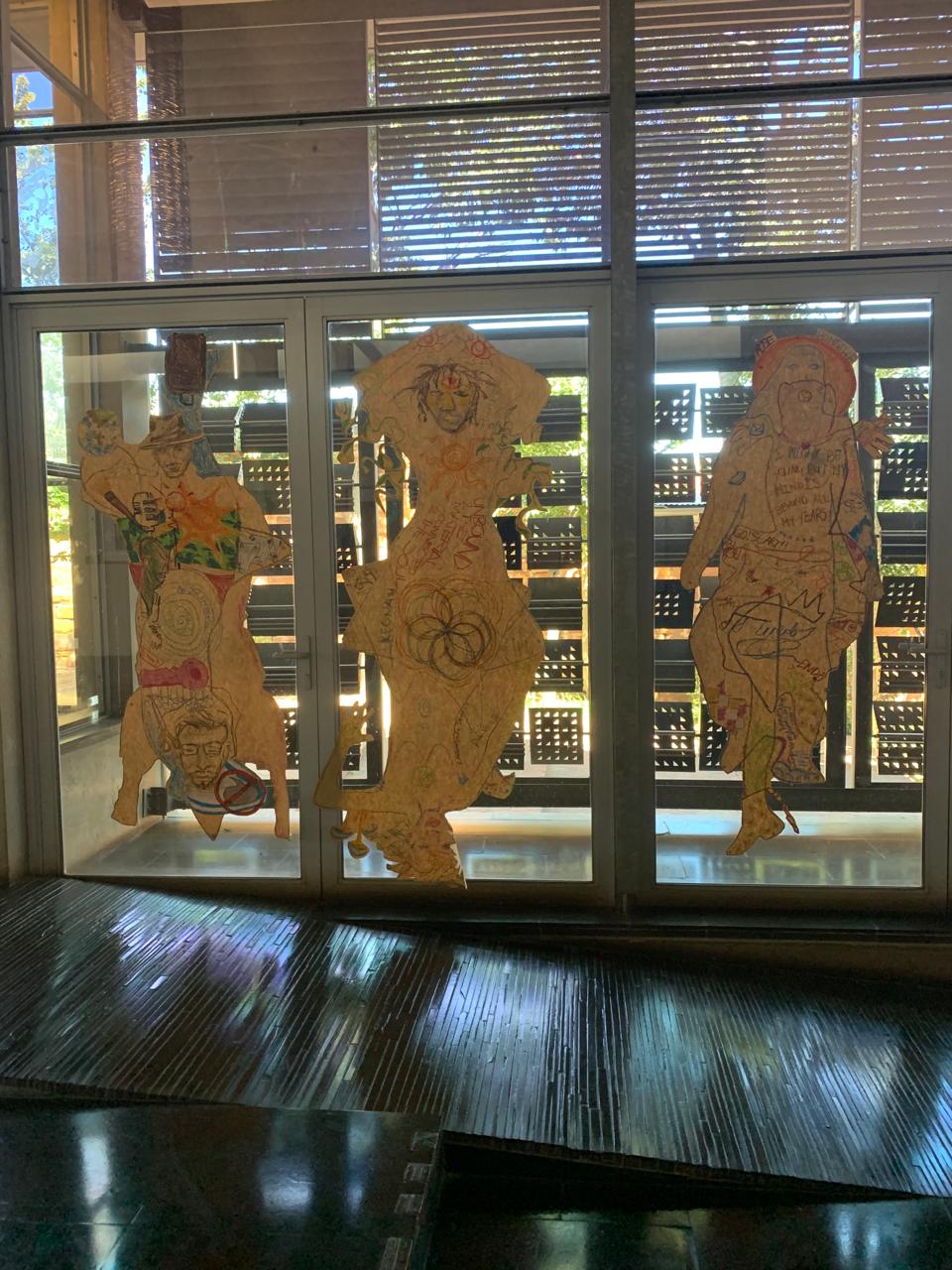
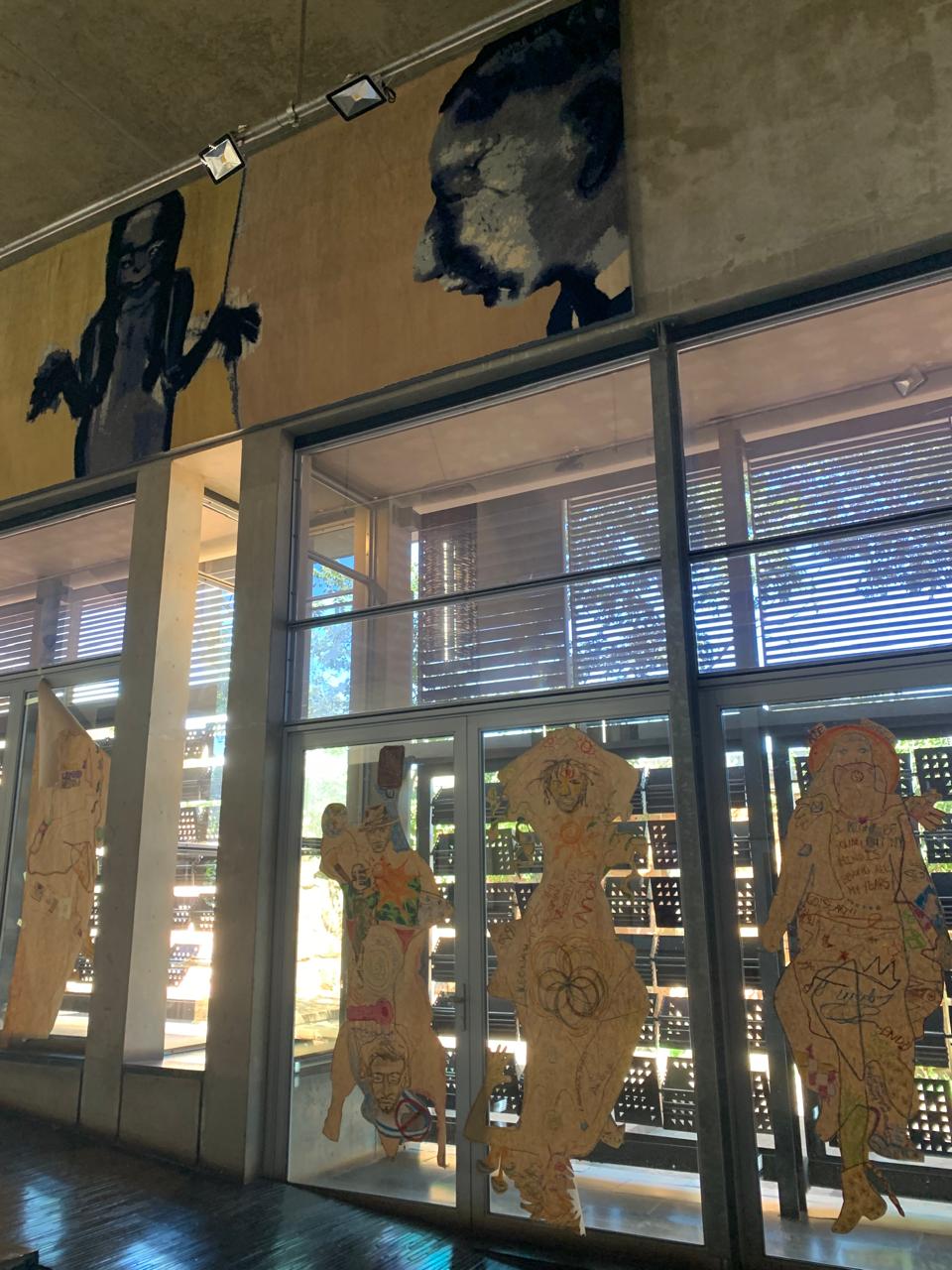
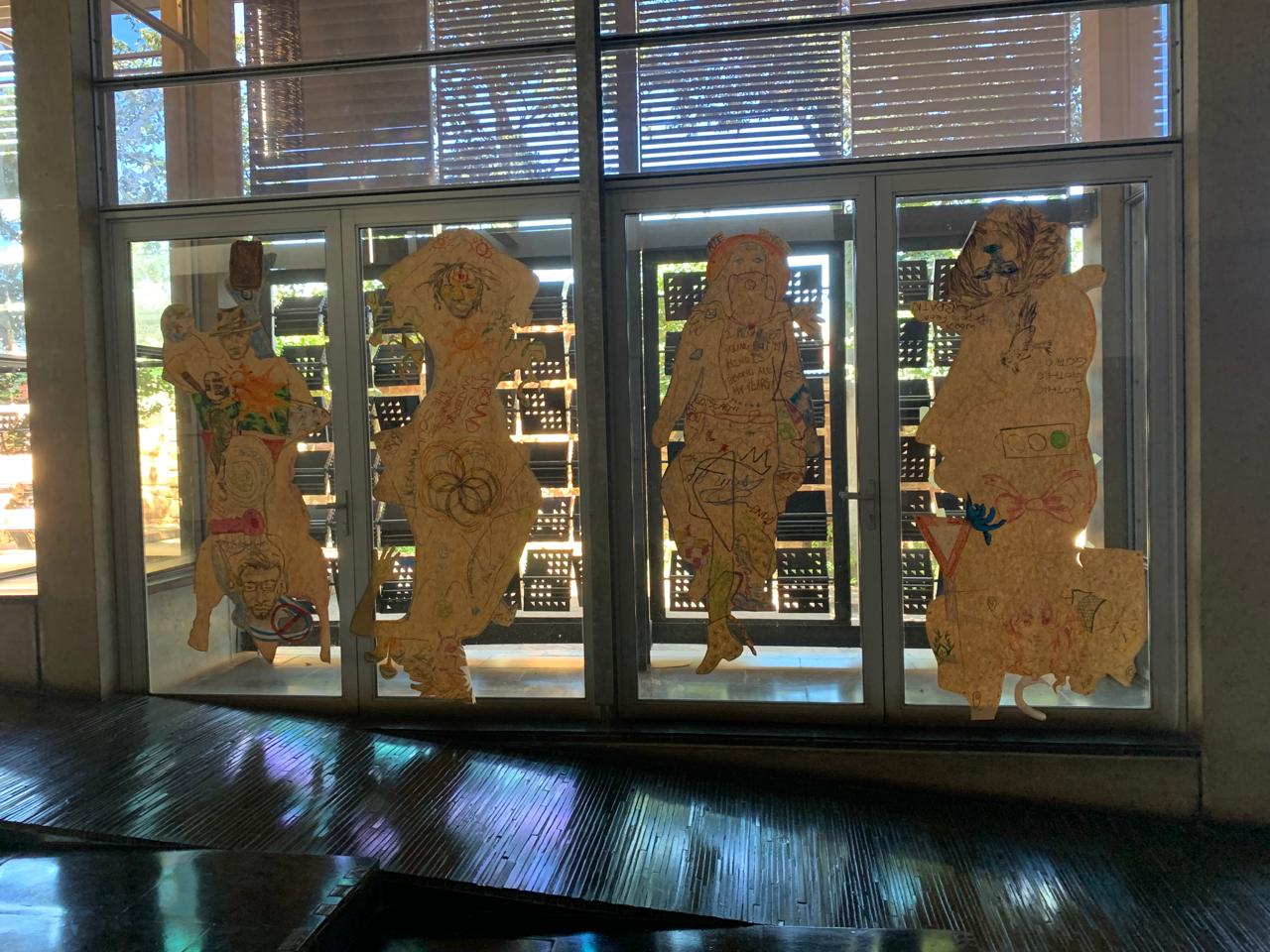
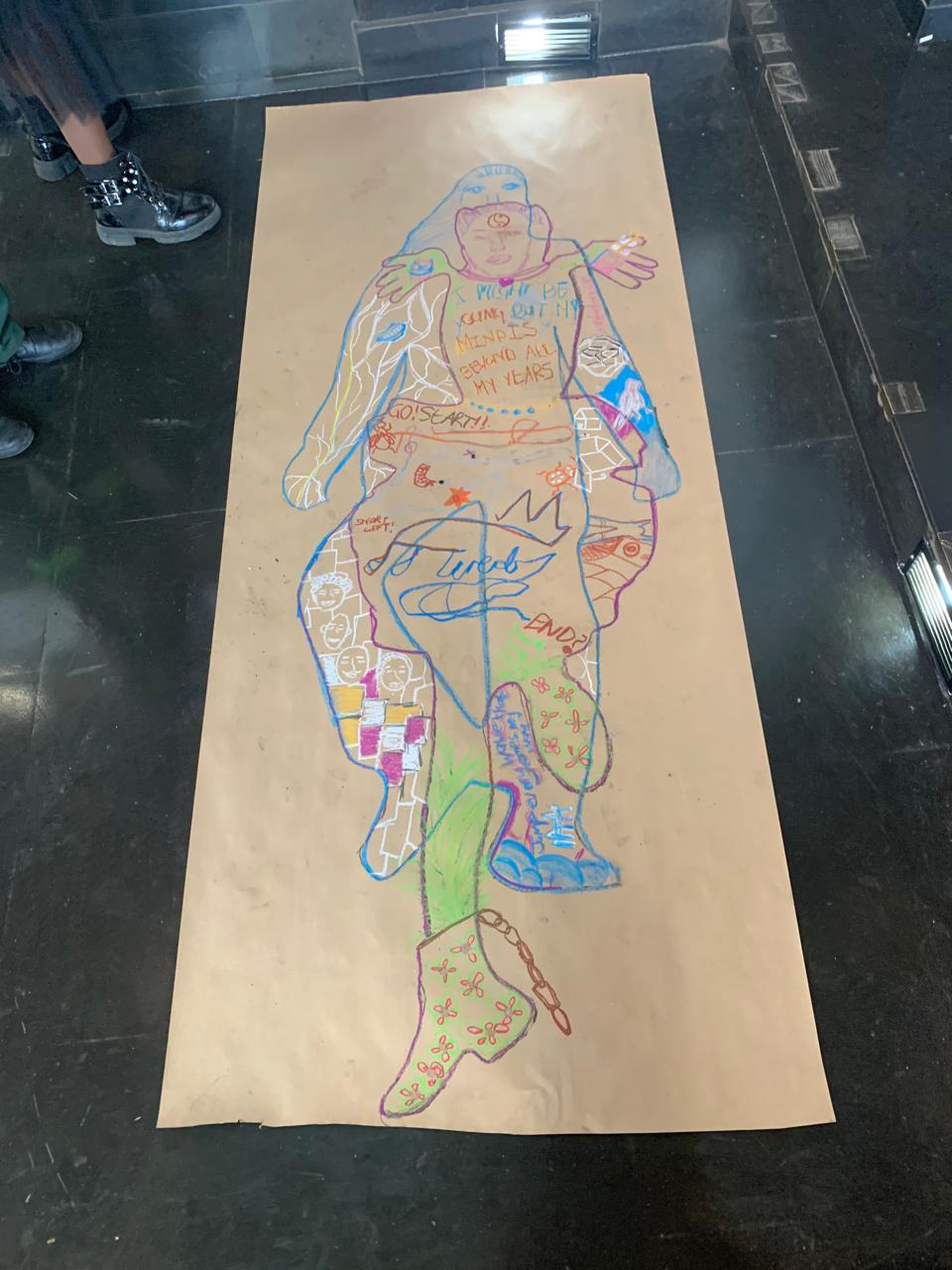
Working with the curators of the Constitutional Court Art Collection (CCAC), Prof Alison Kearney took a group of university arts students to explore the affordances of learning about human rights through engaging with and responding to art in the collection. Students were taken on a tour of the collection. Then we engaged with the Long-Life Project Body maps created by the Bambanani Women’s Group in 2002. Body mapping is a form of art therapy and storytelling. The Long Life Project body maps were created by members of the Bambanani Women’s Group, to share their personal stories of living with HIV/AIDS. The group were among the first HIV positive mothers to receive ARVs to prevent mother to child transmission of HIV after the Constitutional Court ruled in favour of the Treatment Action Campaign in 2002. Students then created their own body maps, which were installed on the windows in the Court Gallery, in dialogue with body maps in the collection. This afforded students the opportunity not only to engage with works in the collection, but to insert themselves into the story of democracy in South Africa, and to reflect on the ways that their lives have been made better through the activism of those who have come before.
Feminist Poster Project
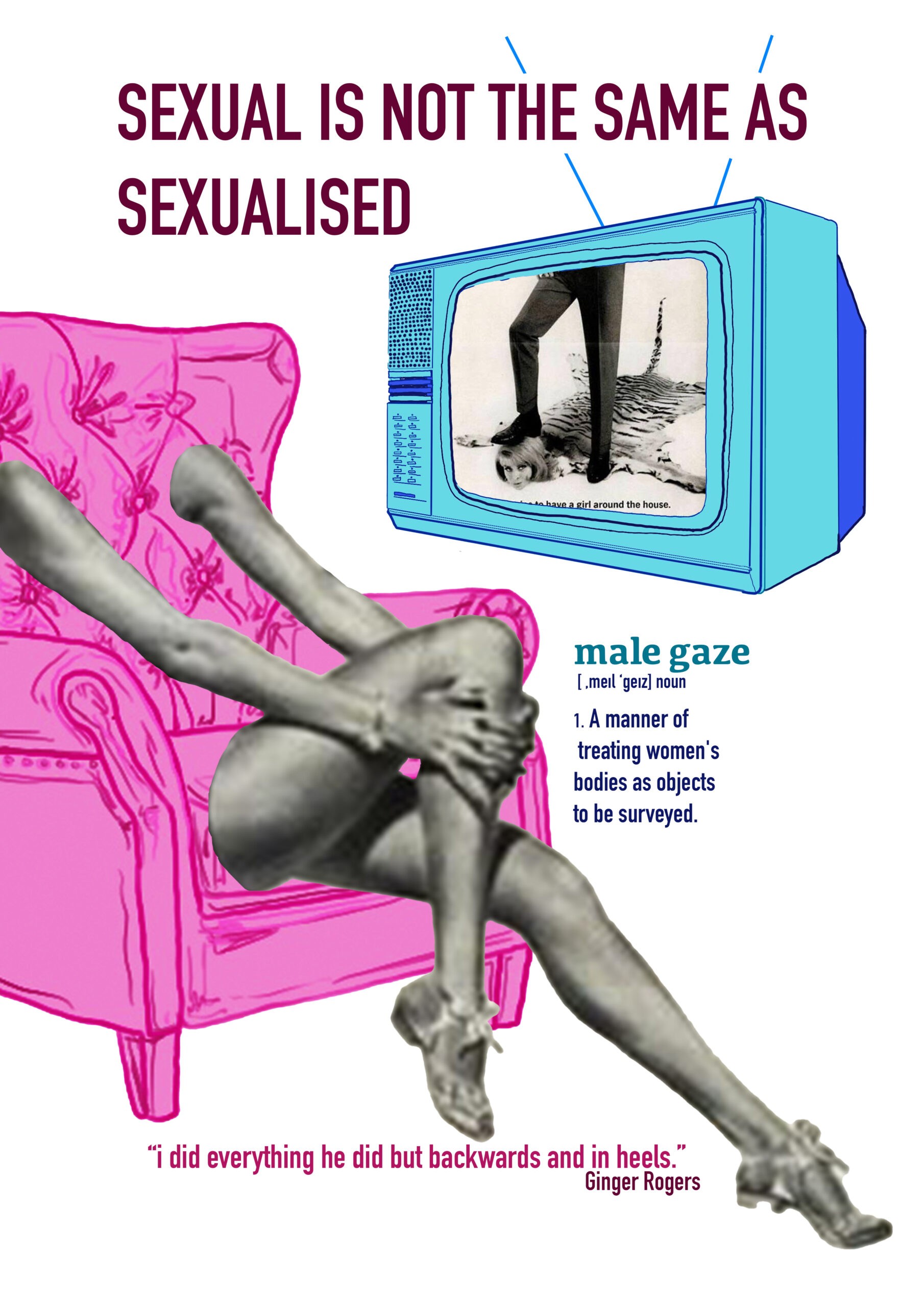
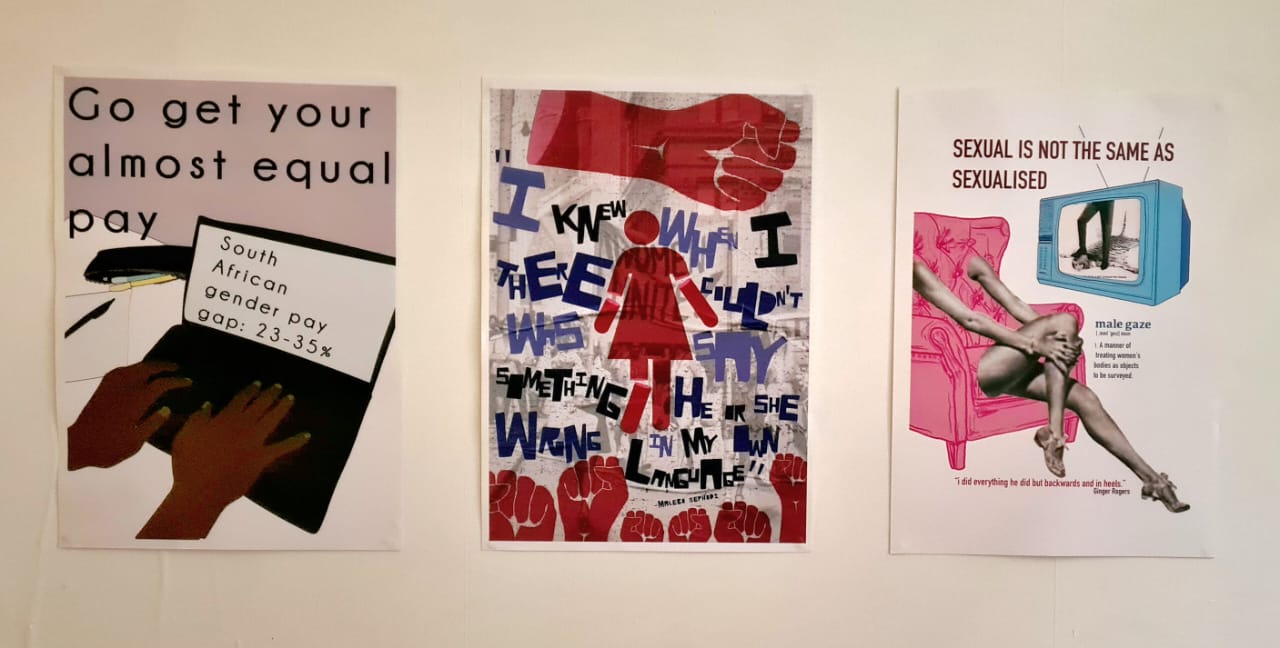
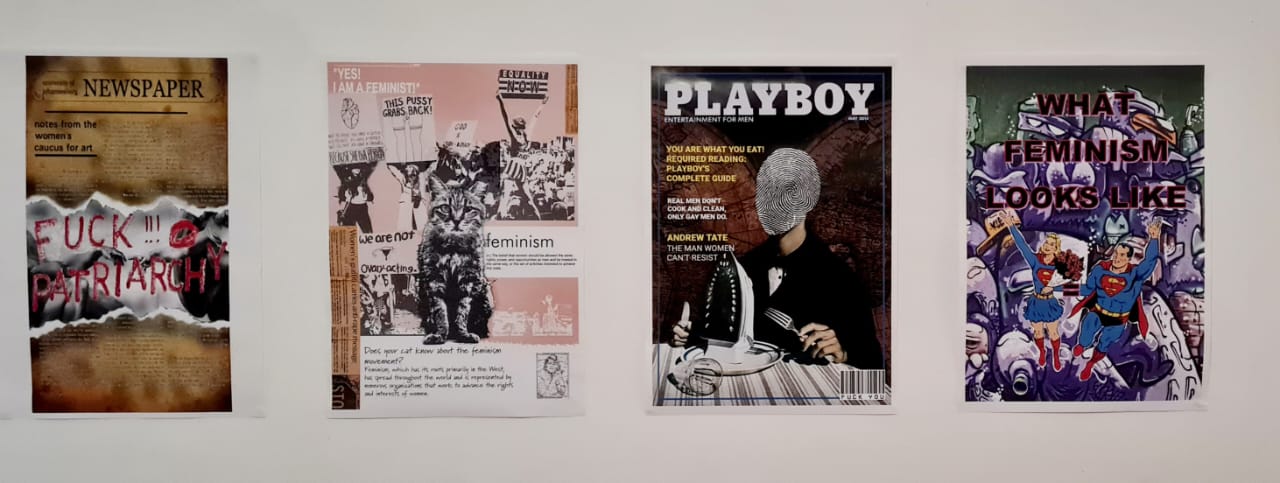
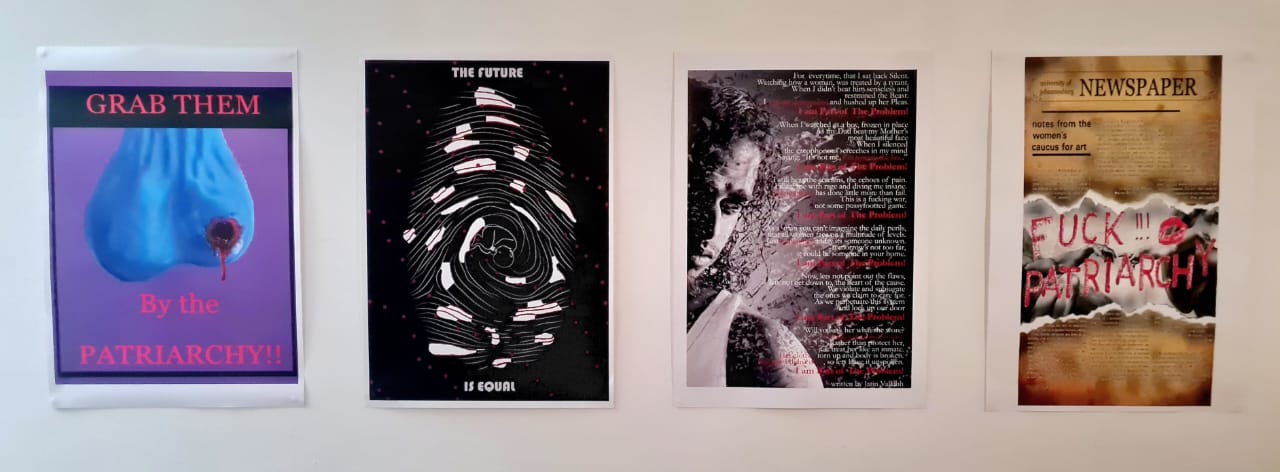
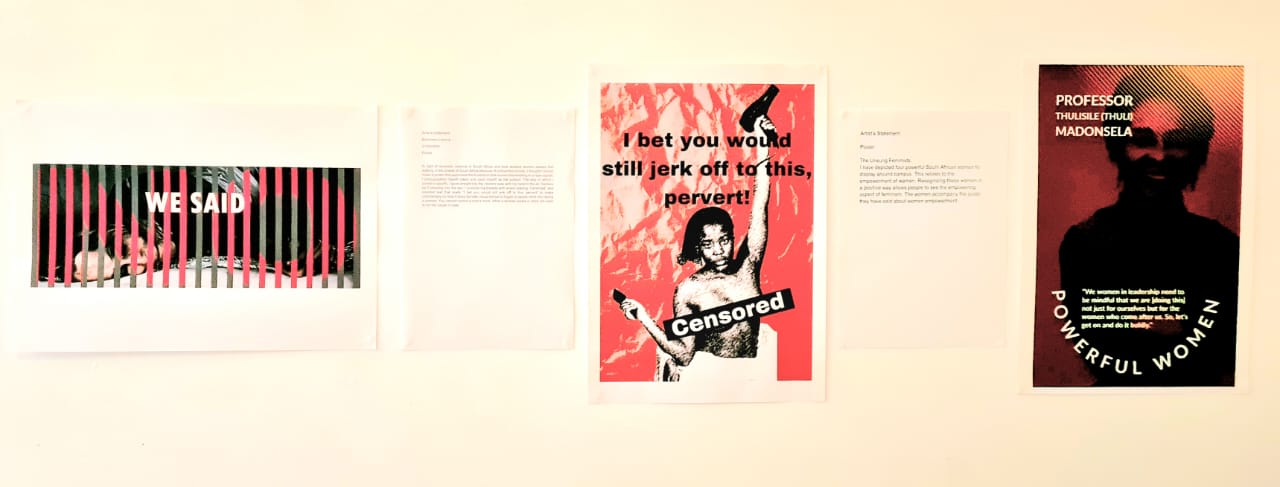
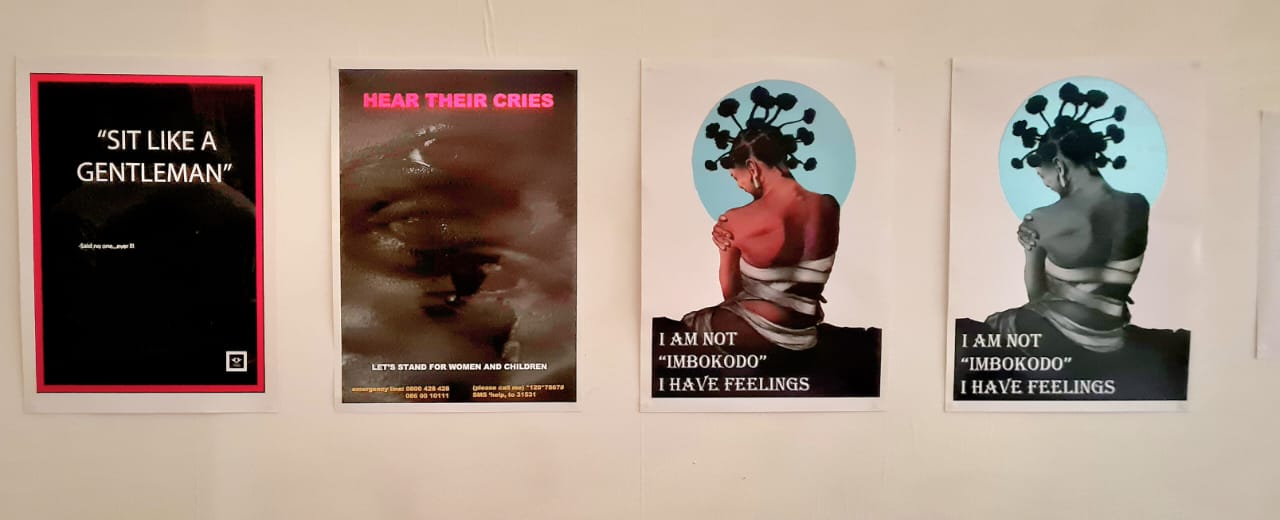
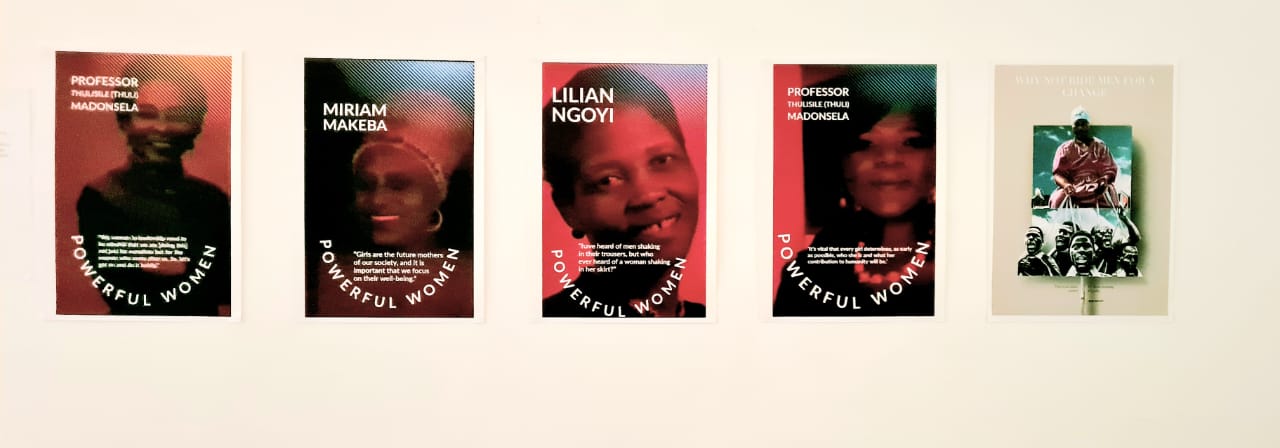
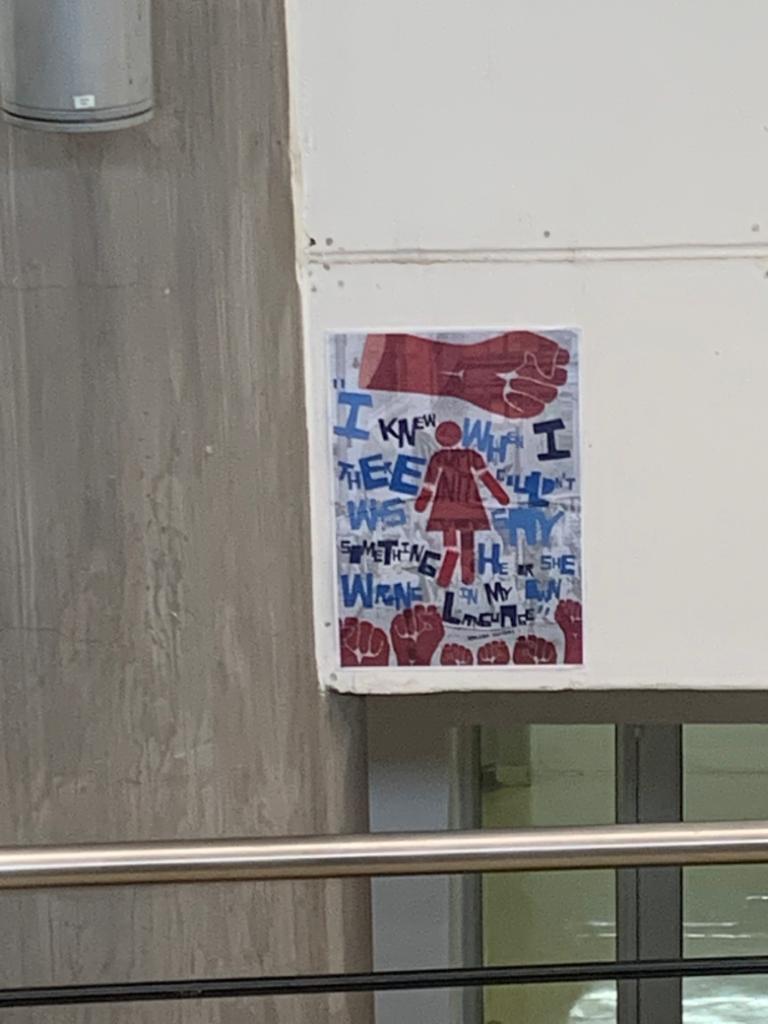
To get the visual arts students, who are generally uninterested in art theory, engaged with new feminist art theory, and to see the purpose of art theory for their work as artists, Prof Alison Kearney developed a feminist poster project. Students were required to create an A3 poster with a clear feminist message for putting up on campus in solidarity with Woman’s month in South Africa (August). They were required to take on a clear feminist perspective, and to communicate their perspective using text, image, and formal elements. The students were encouraged to address a specific gender issue faced by our community (such as gender-based violence) and to place the poster in a situation that made the message as powerful as possible. Some students put their posters in restrooms, in quiet corridors, on dustbins and covering other images on campus as forms of visual protest.
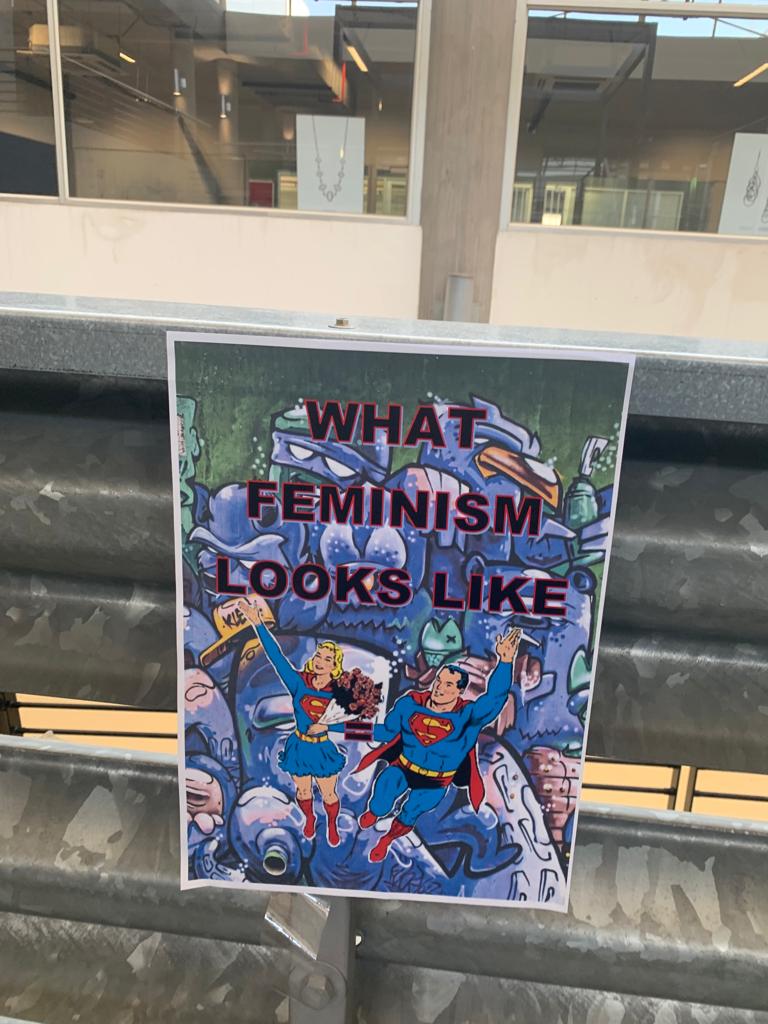
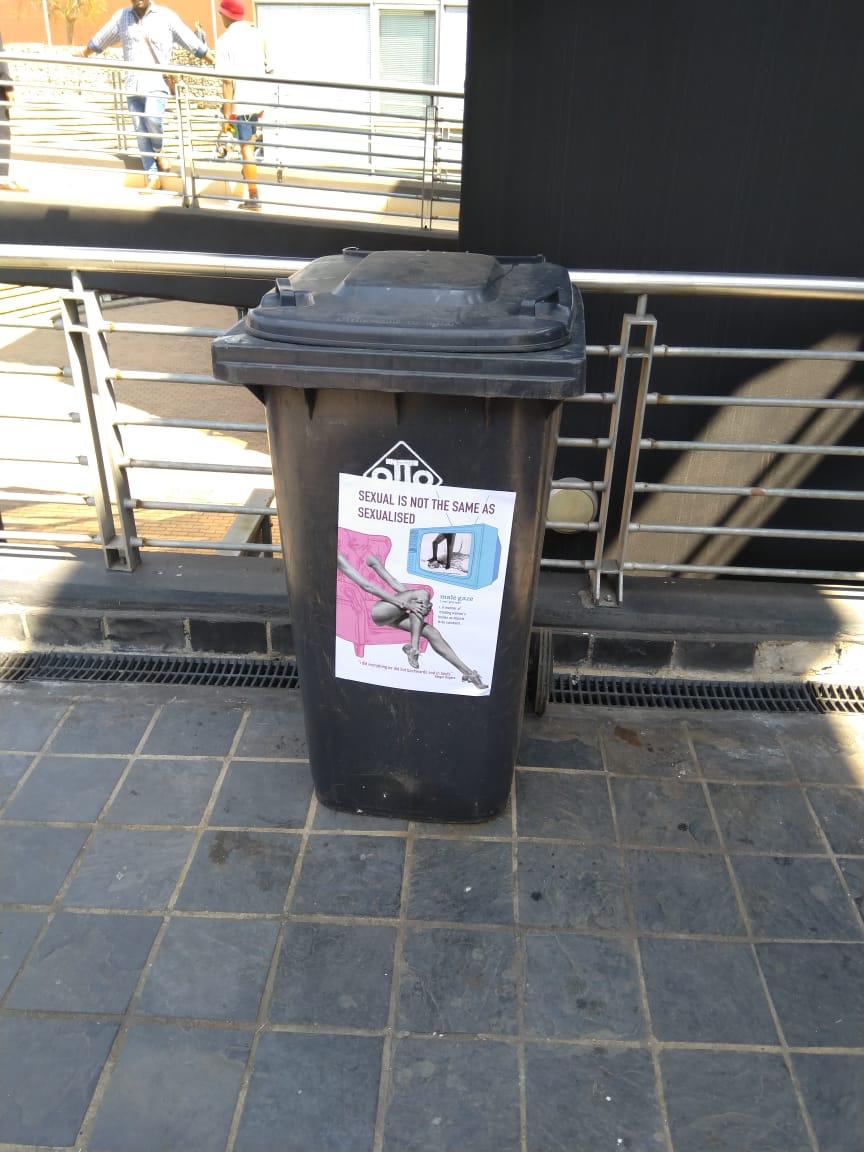
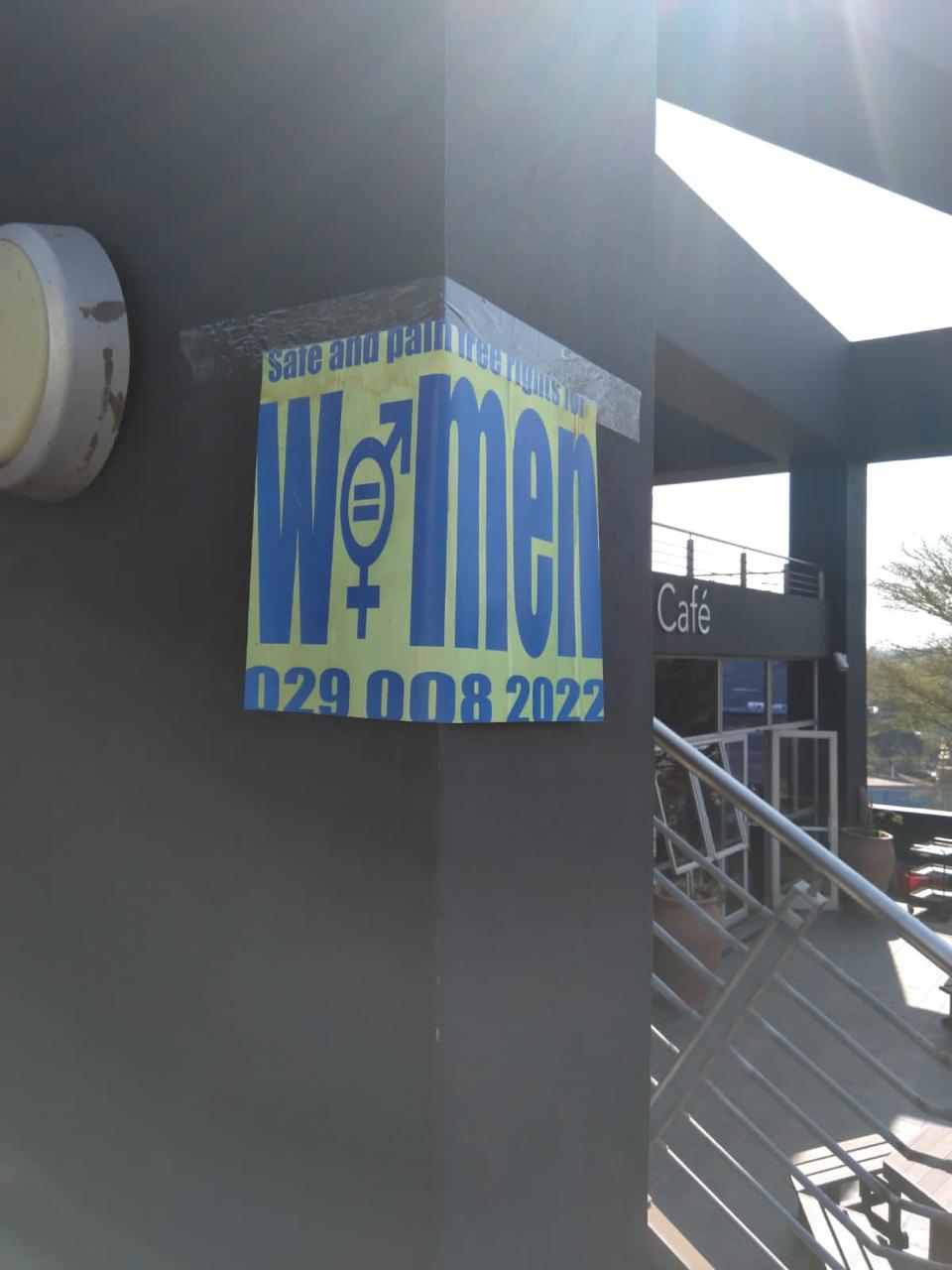
Promoting Menstrual Dignity through the Feminist Poster Project
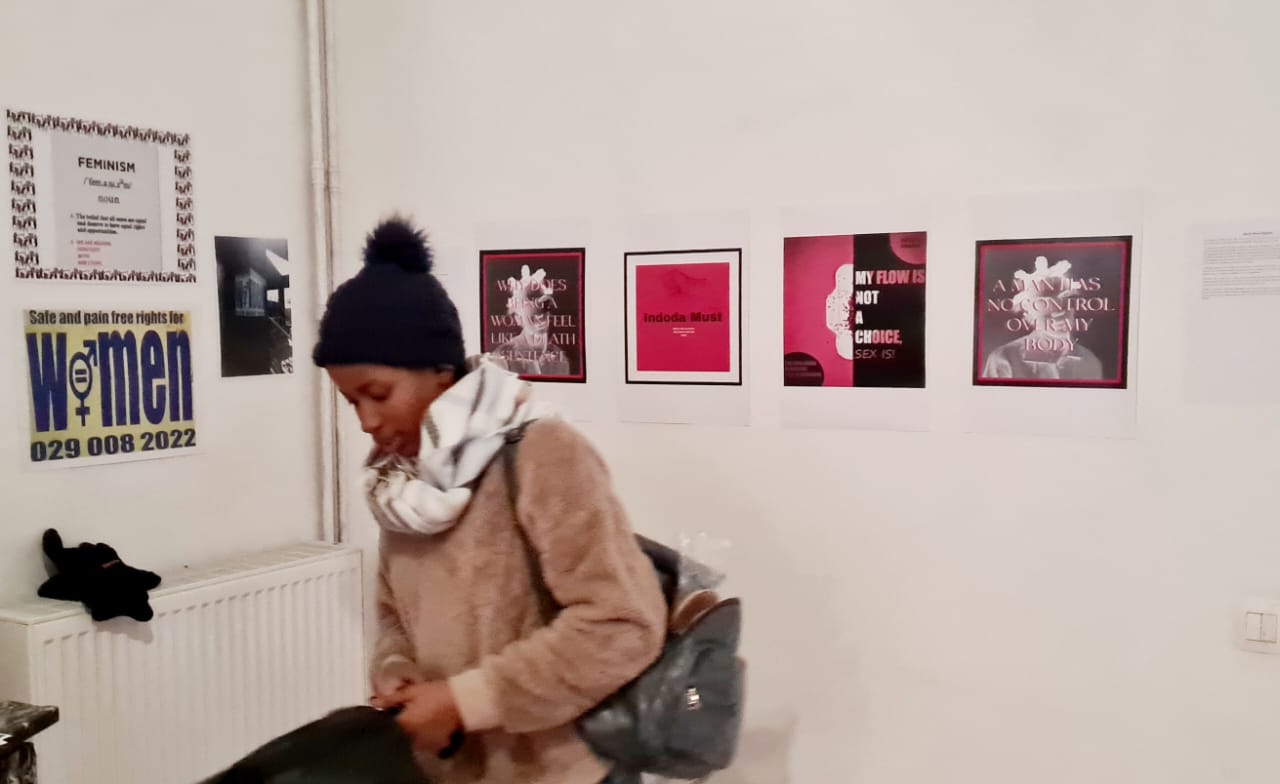
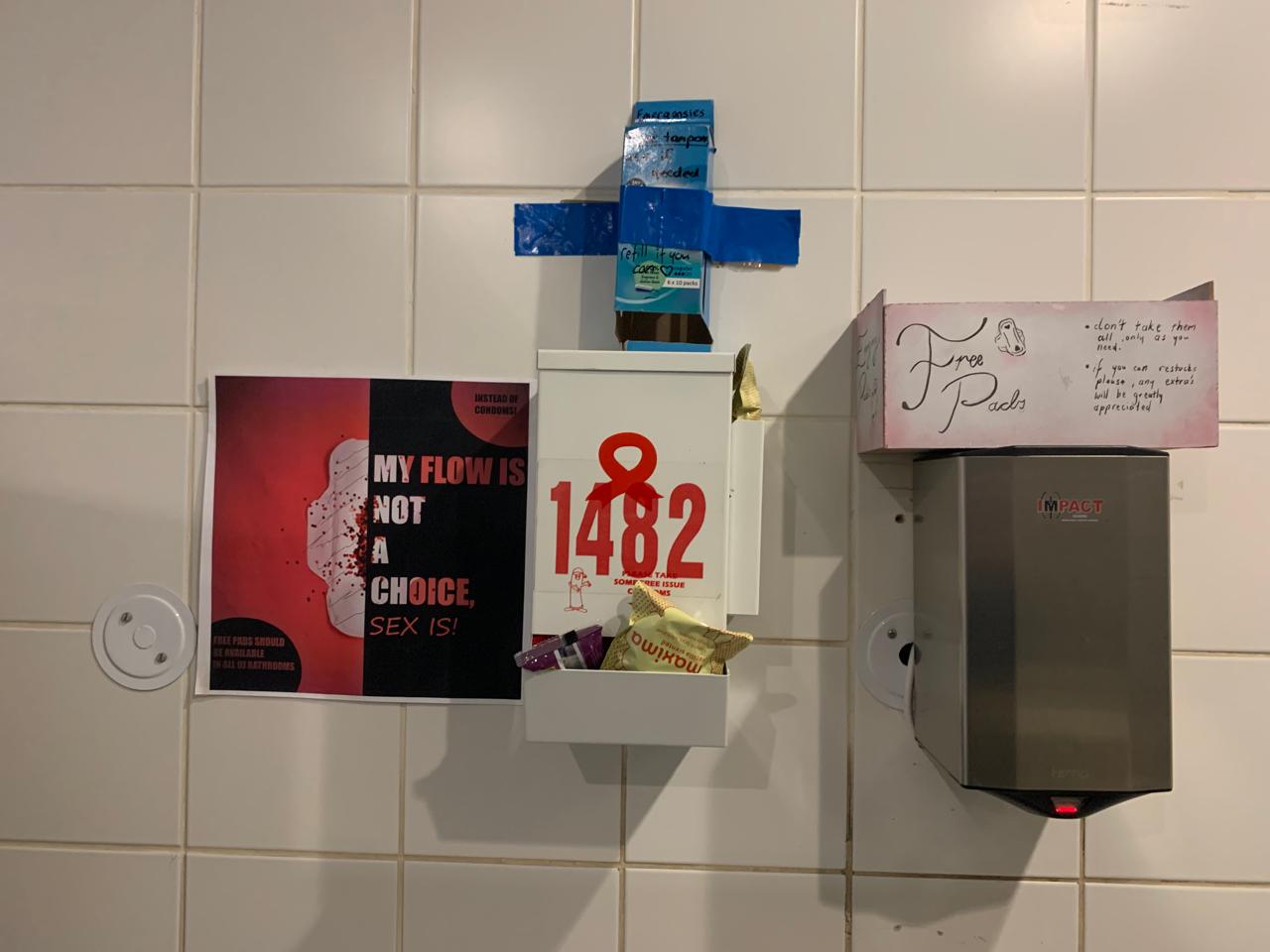
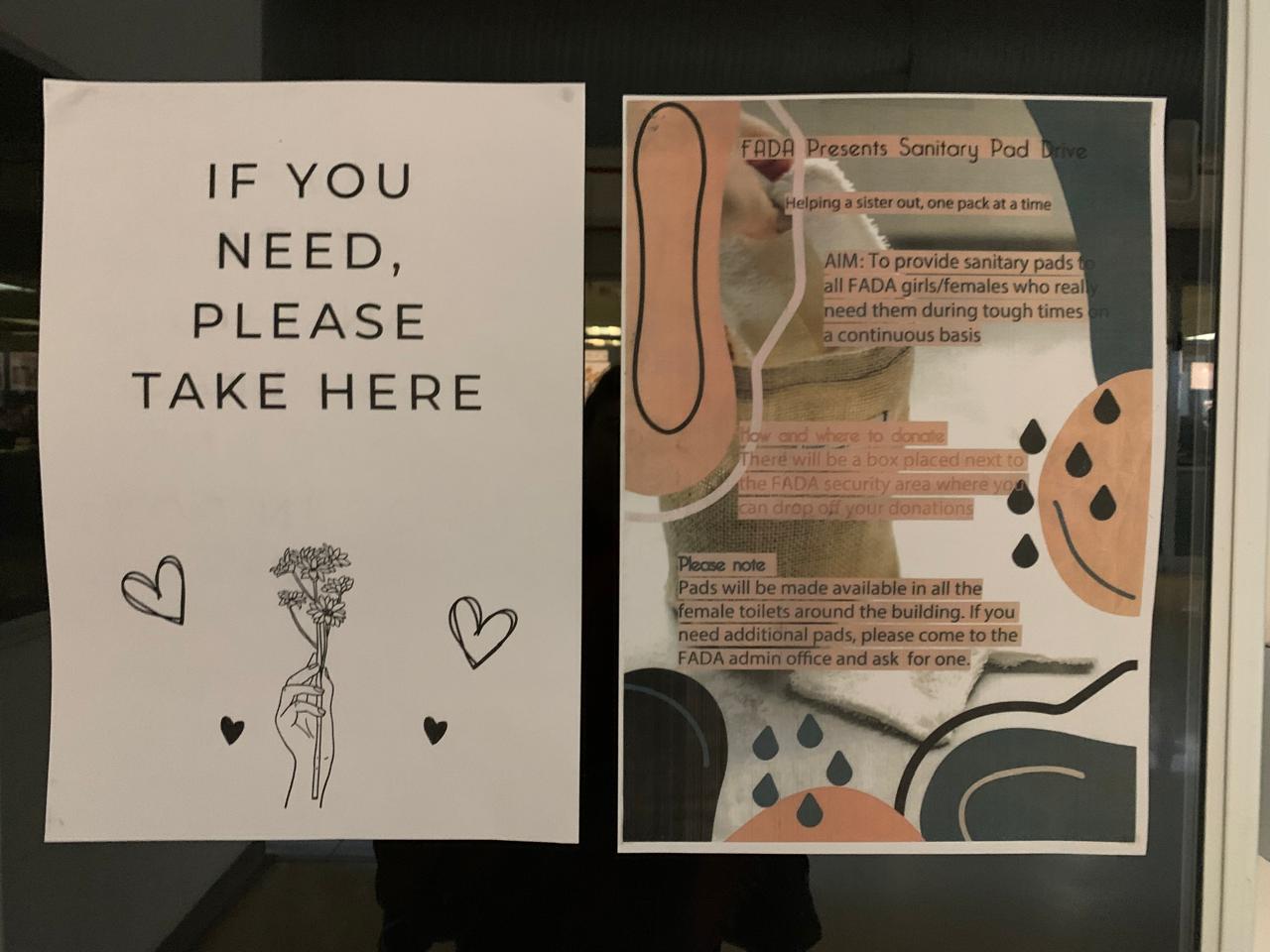
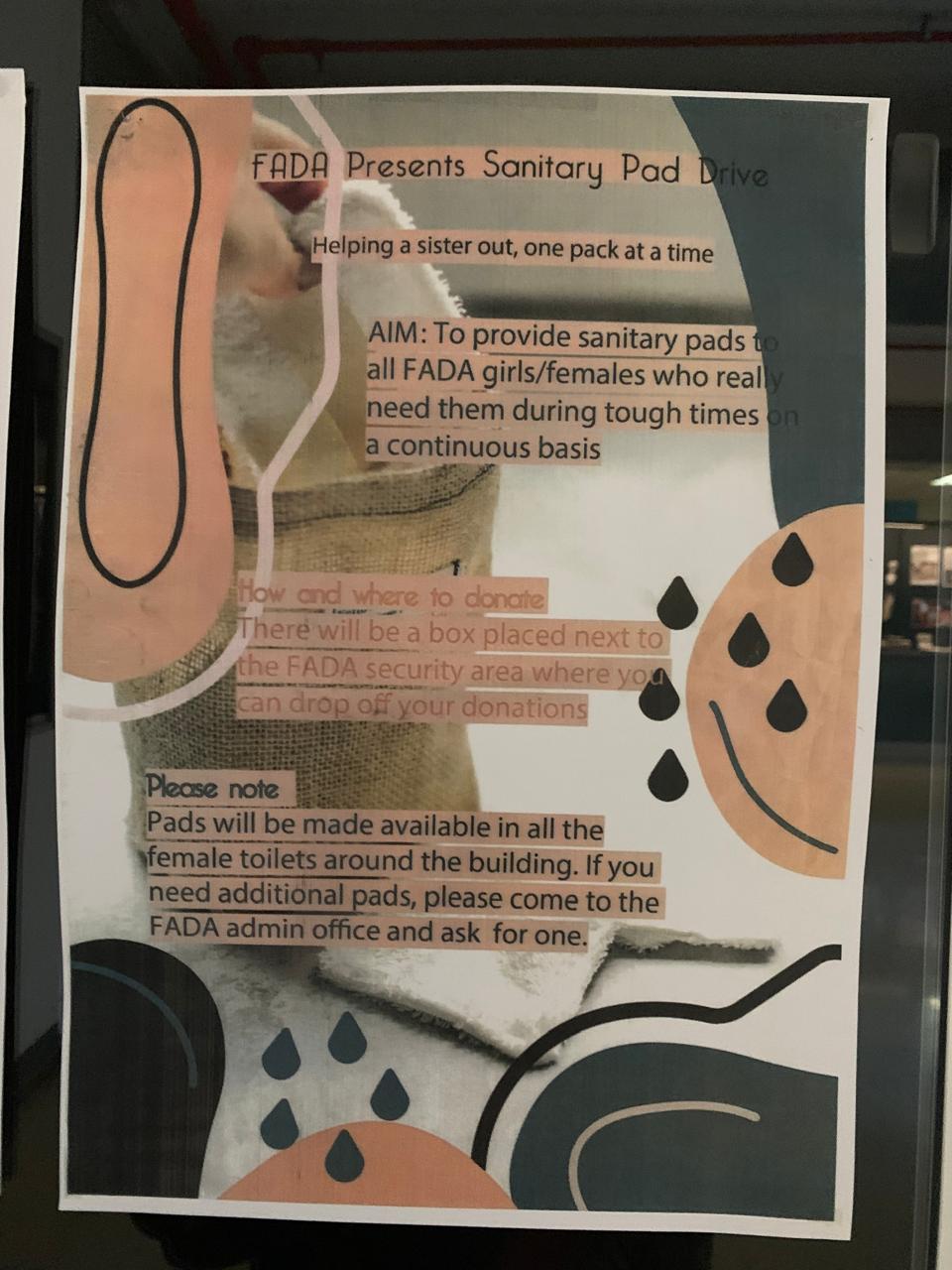
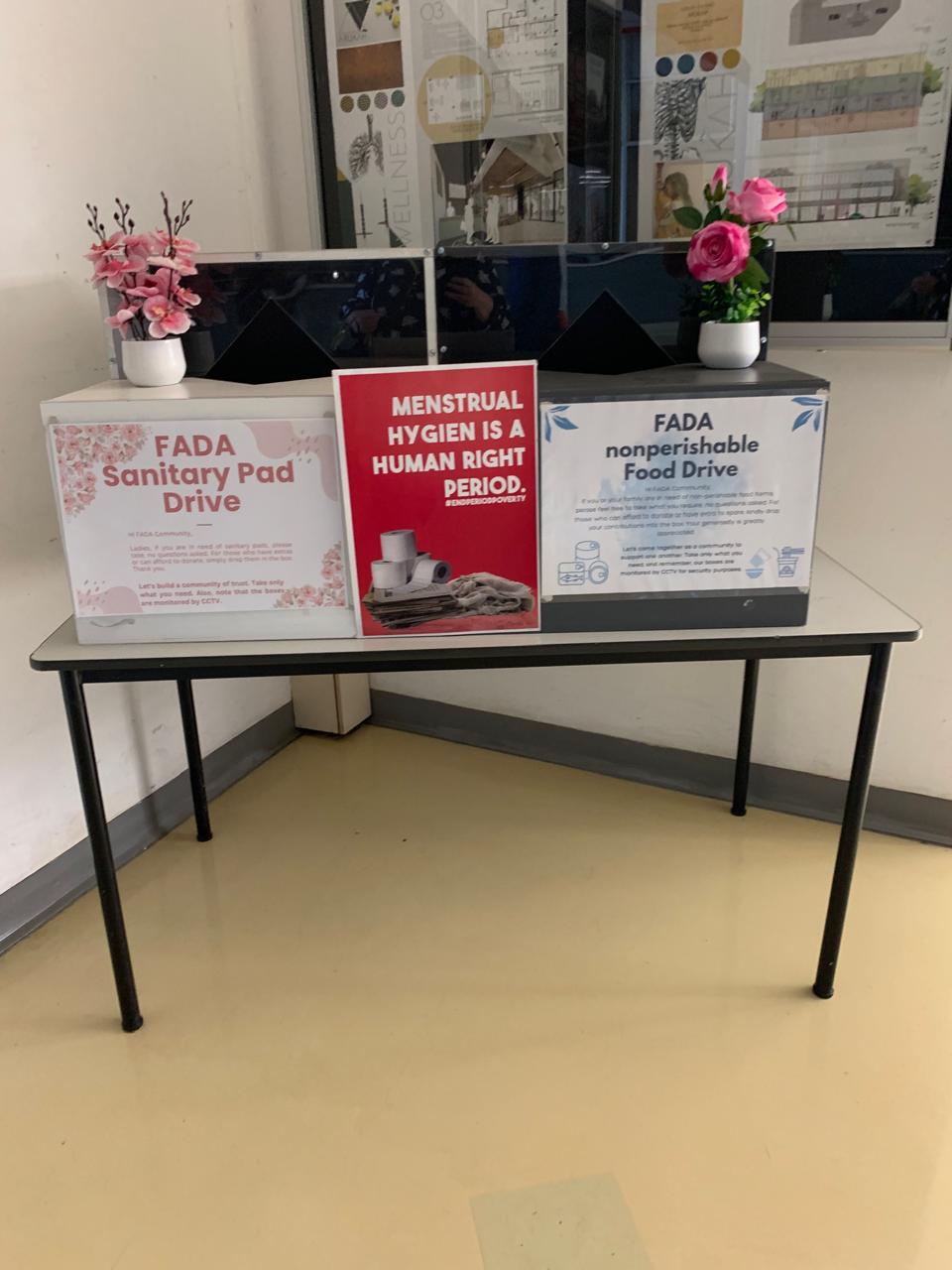
One student, Ms Mkari created a series of posters about the critical need for free feminine hygiene products for students on campus. She placed her posters in restrooms next to the free condom dispensers that are in every public restroom on campus. The poster was hard hitting, topical and caused an incredible response from fellow students. In one restroom, female students responded to Ms Mkari’s call to action by creating a feminine hygiene deposit box, where those in need could take an item and those who had to share could leave items for others. In 2026, four years after the Feminist Poster Project was submitted, Ms Mkari’s poster is still in the restrooms and the donation box the students created is still operational. In 2024, success of Ms Mkari and the other students’ initiative inspired a campus wide drive, coordinated by the faculty administrators, to collect feminine hygiene products for all the restrooms on campus.
Mapping Our Personal Journeys
When tasked with teaching art making to a group of 120 in-service primary school teachers, Prof Alison Kearney and Dr Theresa Giorza chose to use the opportunity to get to know the students, create student centered spaces, teach methods of visual storytelling and colour theory. These multiple outcomes were achieved through adapting the Body Mapping method customarily used in group therapy practices. Giorza and Kearney developed a project brief in which each student was tasked with having their body-shape traced onto a piece of Masonite board. The shapes were cut out. The first task was to paint a naturalist self-portrait, using a mirror, and natural colours. The portraits were cut out and stuck on the body-maps to create faces. Then students had to choose a colour, from which they had to create as many hues as possible. They used their hues to paint biographical images on their body maps. The images were about where the students came from, their family histories, their goals, their achievements, their loves, their challenges etc. Part of the challenge was to paint the illustrations in significant places on their map. For example, one student painted their children’s portraits where the heart is found in the chest. Another student had represented their province in running events, and painted running tracks on their legs, and running shoes on their feet. Some students chose to stick significant objects and images on their works, such as a book as the head, for a student who self-identified as a book worm. Finally, students were asked to add details like clothing, and symbols of their beliefs in hues of a harmonious colour to finish the artworks.
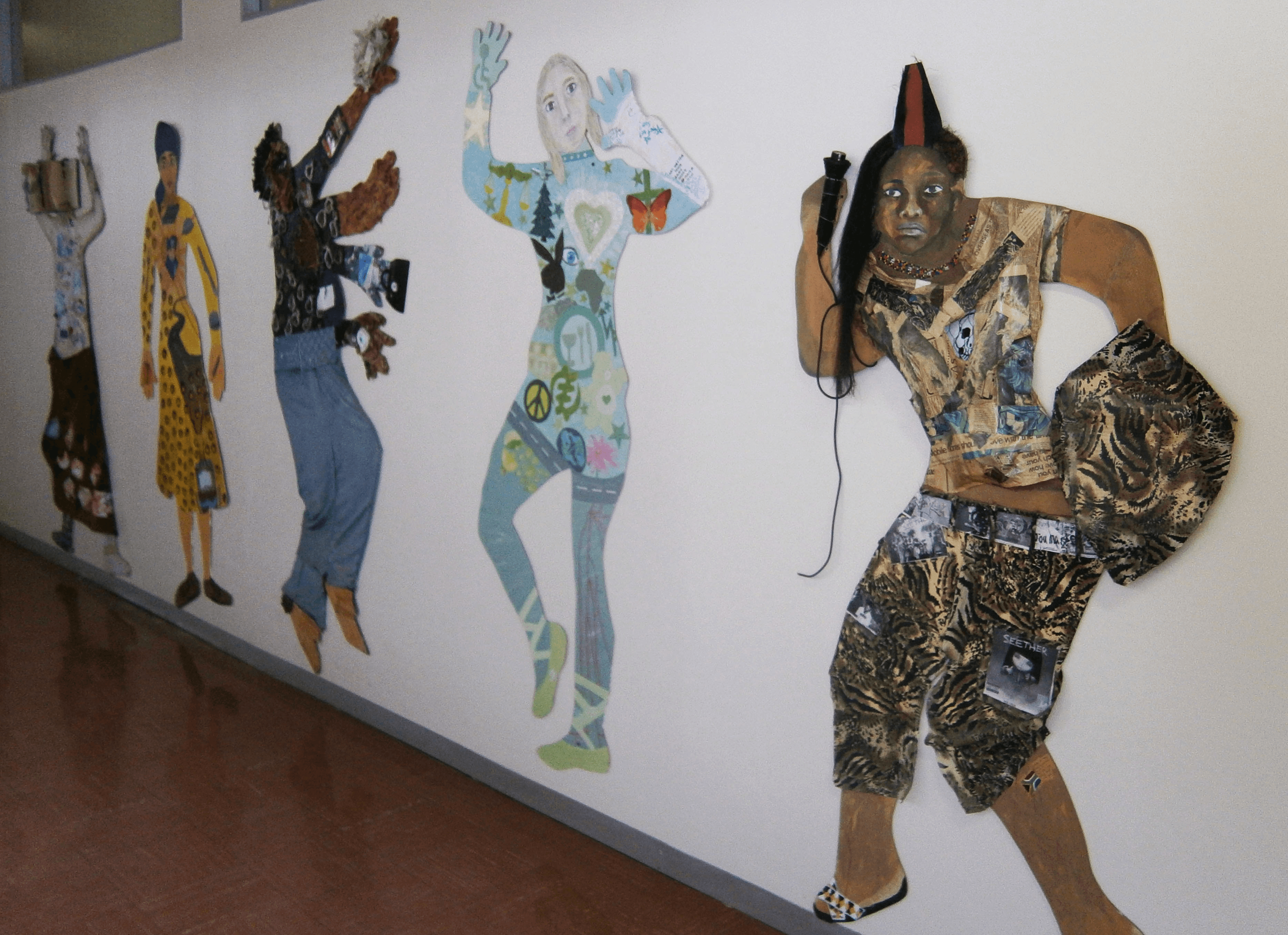
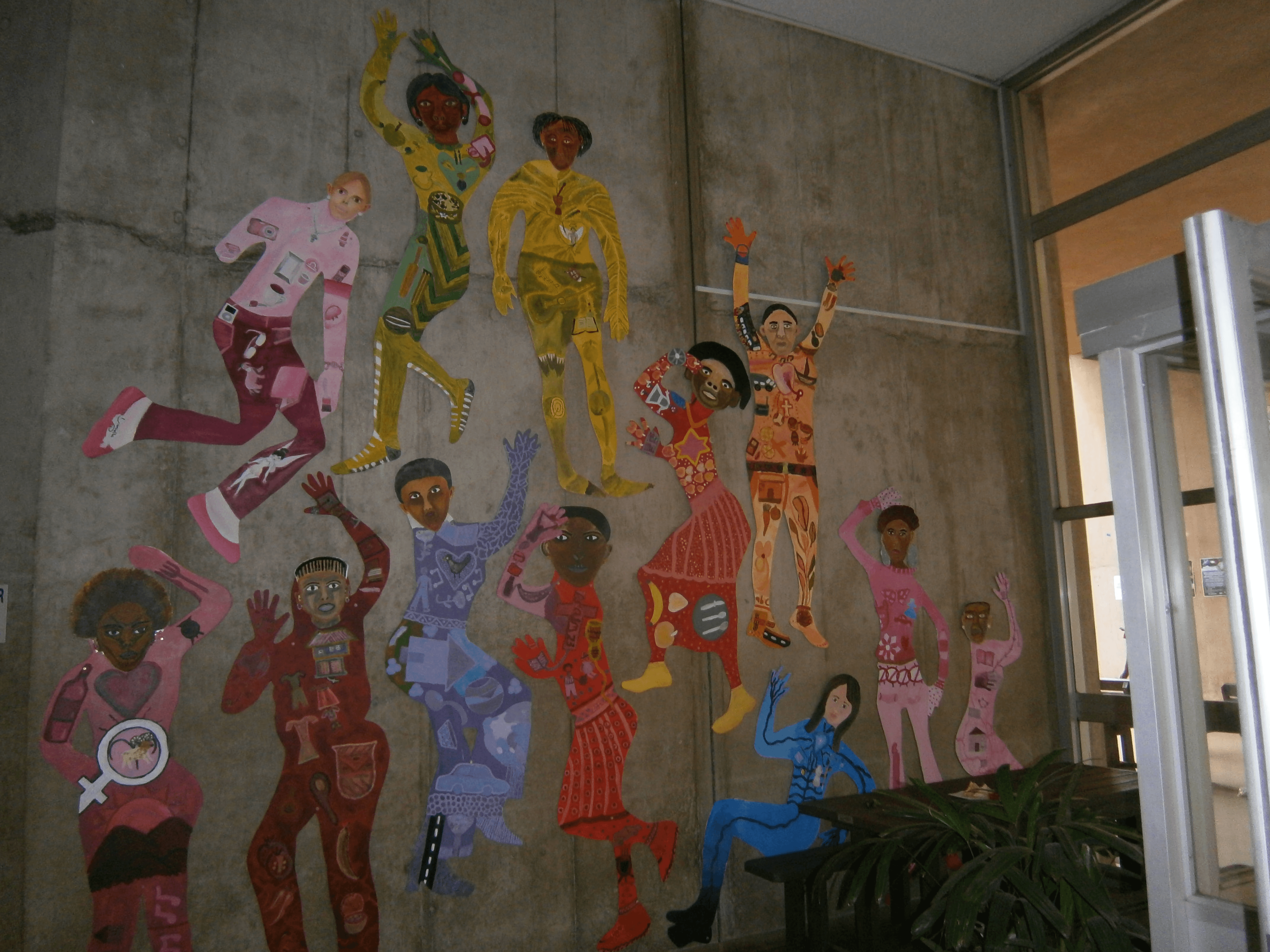
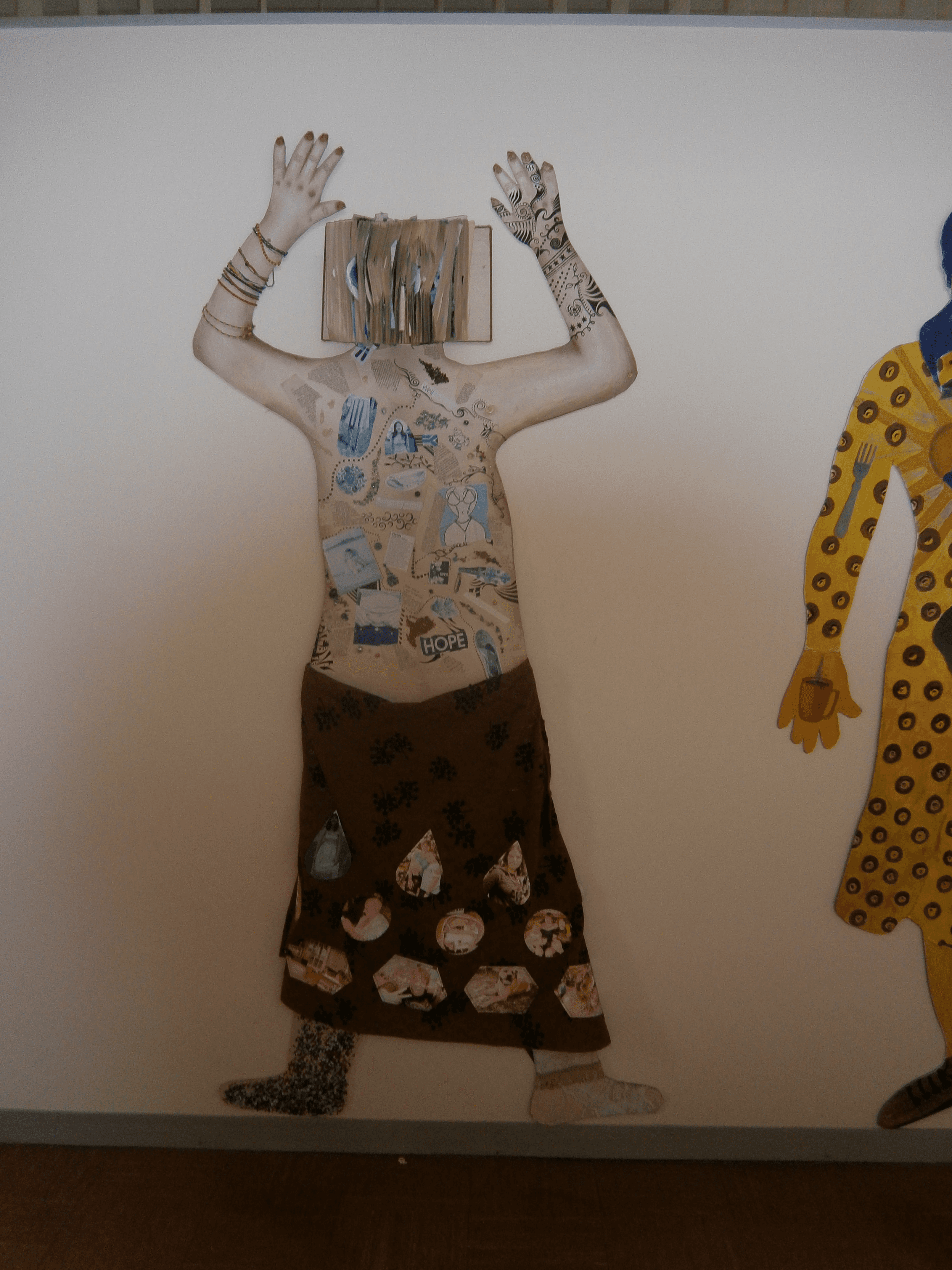
Once completed, the 120 body maps were placed in communal spaces around the campus, like the canteen and computer lab, as can be seen in the images here. The works enliven the grey concrete walls of the campus, and are a way to insert the students’ histories in to the campus space. The works created a sense of belonging and enhanced social cohesion through the representations of students’ personal lives. Non-art students who interacted with the body maps could relate to the life stories depicted on the body maps. That they represented actual students, with recognisable faces contributed to the efficacy of the body maps to create student centered spaces by inserting representations of students into the campus spaces.